The Interior Design Trends We’re Not Recommending in Conroe Right Now
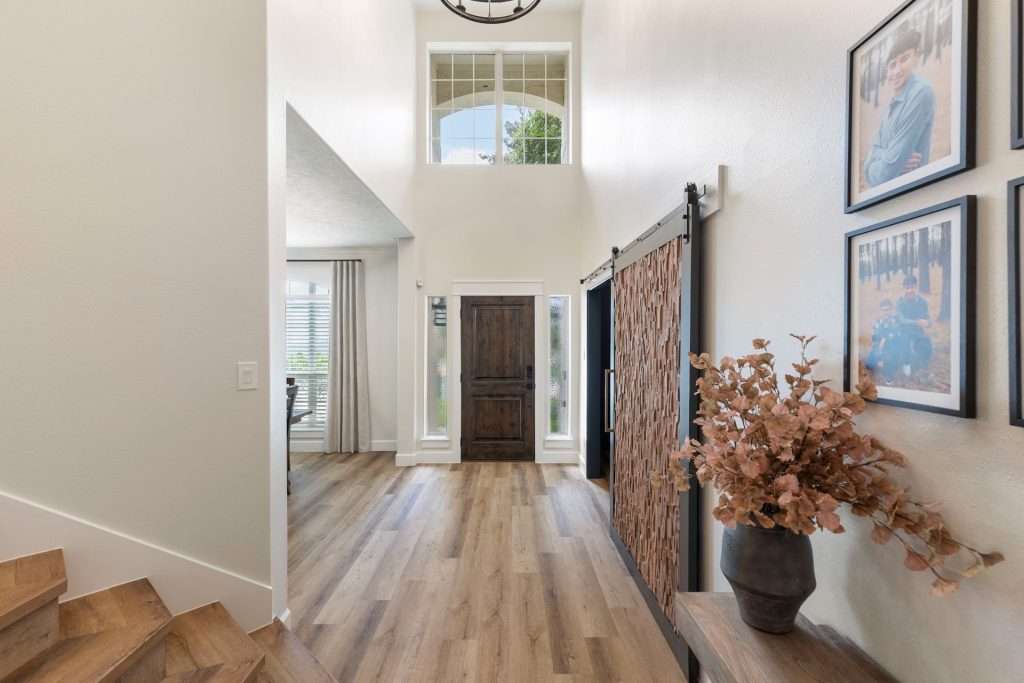
Ask me for the most overrated trend in interior design and I won’t hesitate: the Houdini door. Hardware hidden, panel sliding like a magic trick, nothing visible to explain how the thing moves. They’re going into houses all over Conroe right now because they read cleaner than a barn door.
We’re approaching 500 completed projects across Montgomery County, and we still don’t spec them. Not because they look bad, honey. Because of what happens a few years in, when the door stops sliding and whoever fixes it has to go find the hardware before the repair can even start. Every trend that comes across our table gets one question before it goes into somebody’s house. Here is that question, and here is what fails it.
The Door Trend Everyone Is Installing and We Keep Talking People Out Of
The question we ask about any trend is simple: what happens to this in ten years, and who has to deal with it? Houdini doors fail that question, and they fail it quietly.
Here’s the appeal, and it’s real. Barn doors put the track and the rollers on display. A Houdini door hides all of it, so the wall reads clean and the door seems to move on its own.
Now ask the harder question. What did you actually like about the barn door in the first place?
For most of our clients the answer was the character. The hardware was the point. It was the piece that made the wall look like something instead of nothing. Hide it, and you’ve bought a door that costs more, does the same job, and has given up the one feature you liked.
Then there’s the part nobody brings up in the showroom. Hidden hardware is hidden from the person repairing it too. Every mechanism eventually needs adjusting, and a system built to be invisible is a system that has to be opened up before anyone can see what’s wrong.
What we put in instead
So what do we spec? Usually one of three, and the choice comes down to what the wall is doing.
A pocket door if the door genuinely needs to vanish. It disappears into the wall, it has no exterior hardware to age, and the trade-off is that the cavity has to be planned at framing. Decide late and you are opening a wall you already paid to close.
A barn door if you liked the barn door. Buy hardware you enjoy looking at and let it show. That was the point.
A well-hung swing door the rest of the time, which is most of the time. Solid core, quality hinges, a lever that feels right in the hand. Unglamorous, and it will outlive all of us.
We’d rather put the money into a door package that still looks intentional in a decade. For the full rundown on styles, hinges, and finishes, we covered what actually makes a door package work separately.
The Trends That Don’t Survive the Drive From California
Half the design trends that reach Conroe were developed for a climate we don’t have, and flooring is where that goes wrong fastest. What works in a dry California canyon is not what works here.
Start with the weather, because it decides more than taste does. The National Weather Service office in Houston tracks a heat index that puts us in our own category, and flooding is a thing families in Montgomery County have lived through more than once.
That’s why luxury vinyl tile became the standard in this market. It tolerates water, it wears well under a house full of kids and dogs, and a damaged section comes out without pulling up the whole room. Tile earns its place too, mostly because those floors stay cooler through August.
What we won’t spec, and why
Now here’s the trend we decline. The California-style organic look puts stone on the floor, quartz included, and it photographs beautifully. It does not survive what Houston does to it.
The reverse is just as true, sugar. The same tile we install here would crack through a New York winter. Neither material is wrong. They’re just engineered for different problems, and a magazine spread doesn’t tell you which problem it was solving.
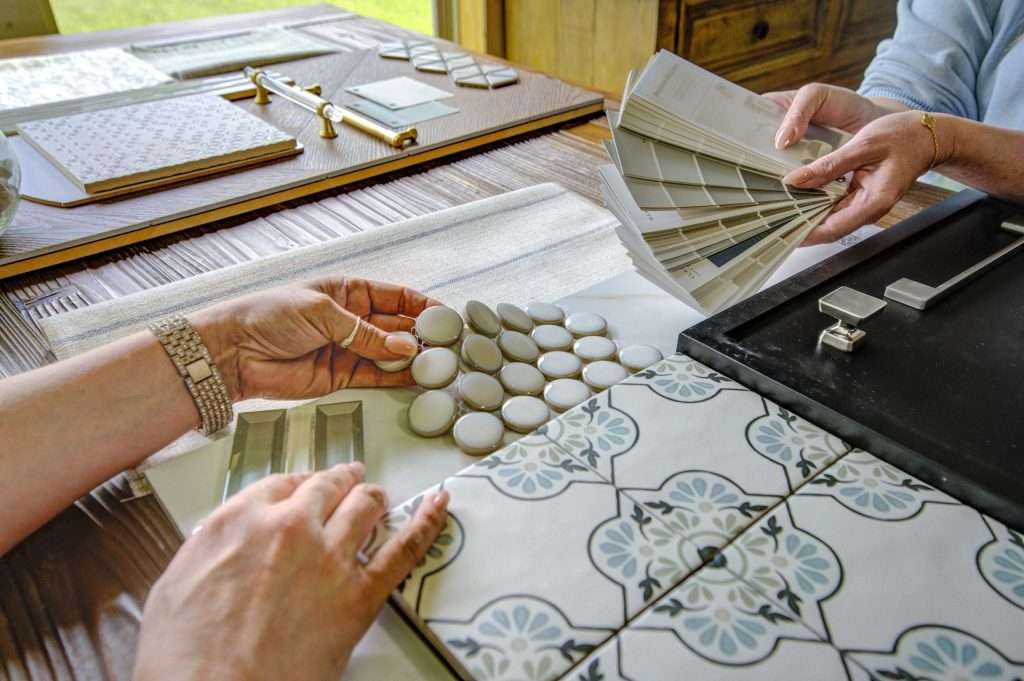
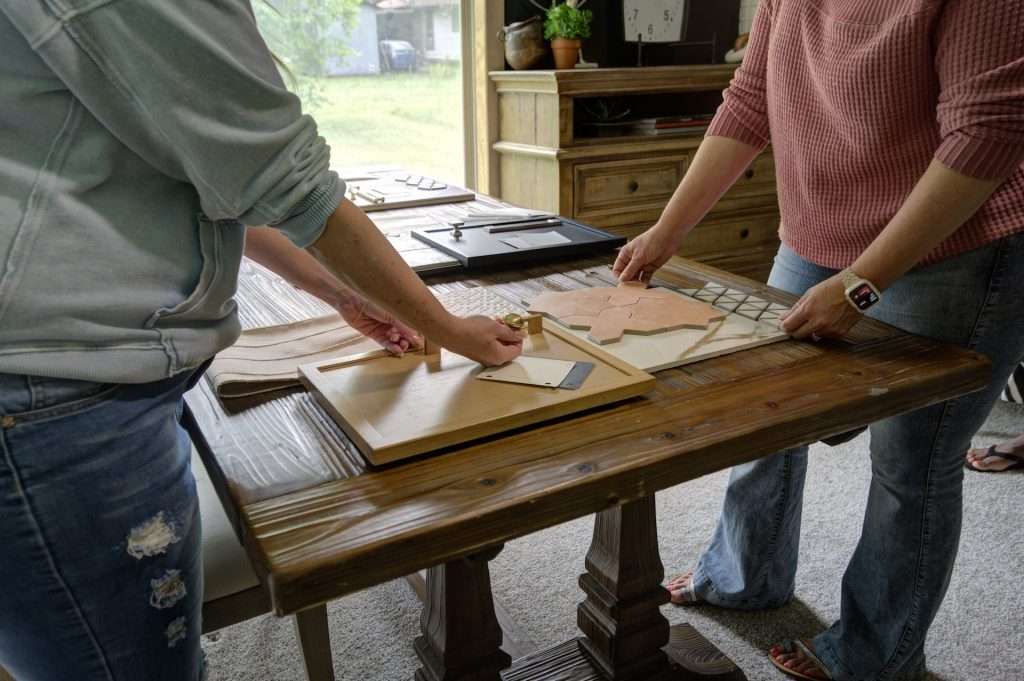
None of that means you have to give up the look. It means somebody has to do the translation. Nine times out of ten we can keep the tone, the finish, and the color a client fell for, and change only the material carrying it. The room still reads the way the photo did. It just survives a wet August.
Humidity is the quieter version of the same issue. The EPA’s guidance on moisture and mold explains why the wrong material in the wrong room turns into a maintenance job.
We went through the finishes that hold up in this climate in more detail separately.
Local design isn’t a style preference. It’s a materials engineering problem, which is where our flooring work across Conroe always starts.
Marble Everywhere, Instead of Marble Where It Belongs
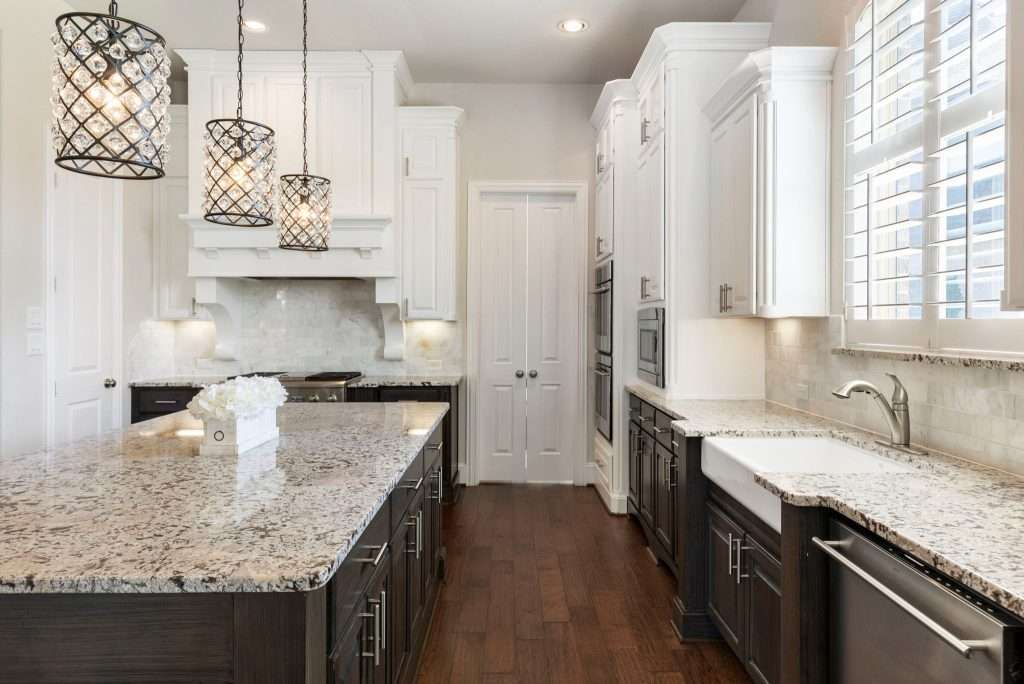
Marble is not a trend we avoid. Marble on every horizontal surface in a working kitchen is. The stone is porous, it stains, and the Natural Stone Institute is direct about the maintenance that comes with it.
The conversation usually arrives as a binary. Marble or quartz. The better answer is a third stone most people weren’t told to ask for.
Quartzite is natural, mid-tier on price, harder than marble, and lower maintenance than people assume. Where it gets interesting is the pairing.
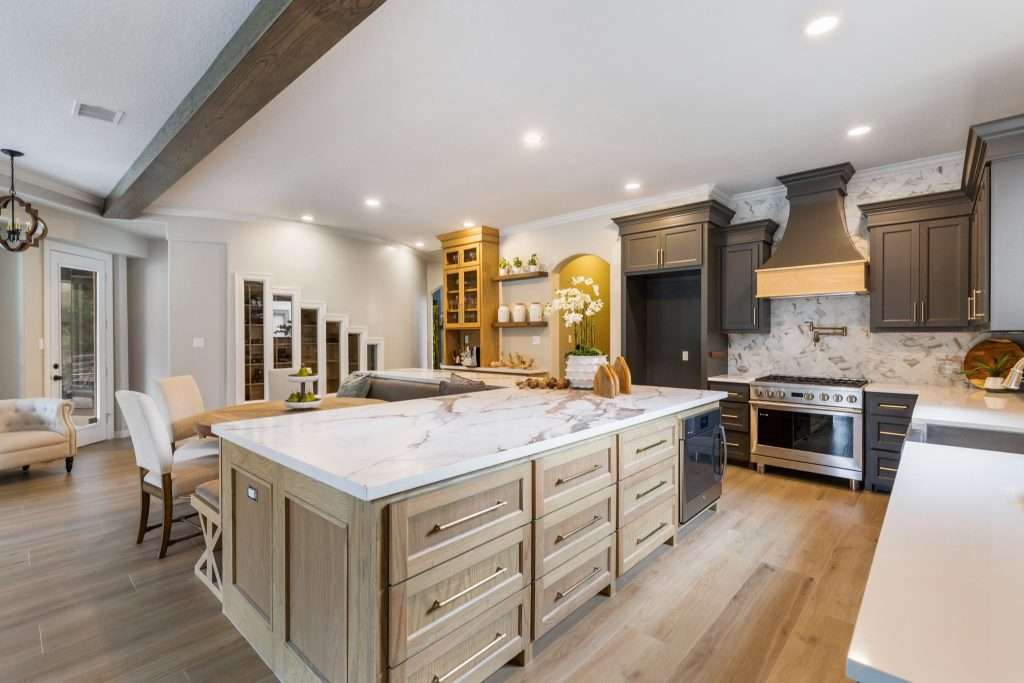
Put the marble on the backsplash, where stains are not the daily problem. Put the quartzite on the working counter, where they are. That’s what accessible luxury actually means in practice: the stone you love where you’ll see it, the practical one where you’ll use it.
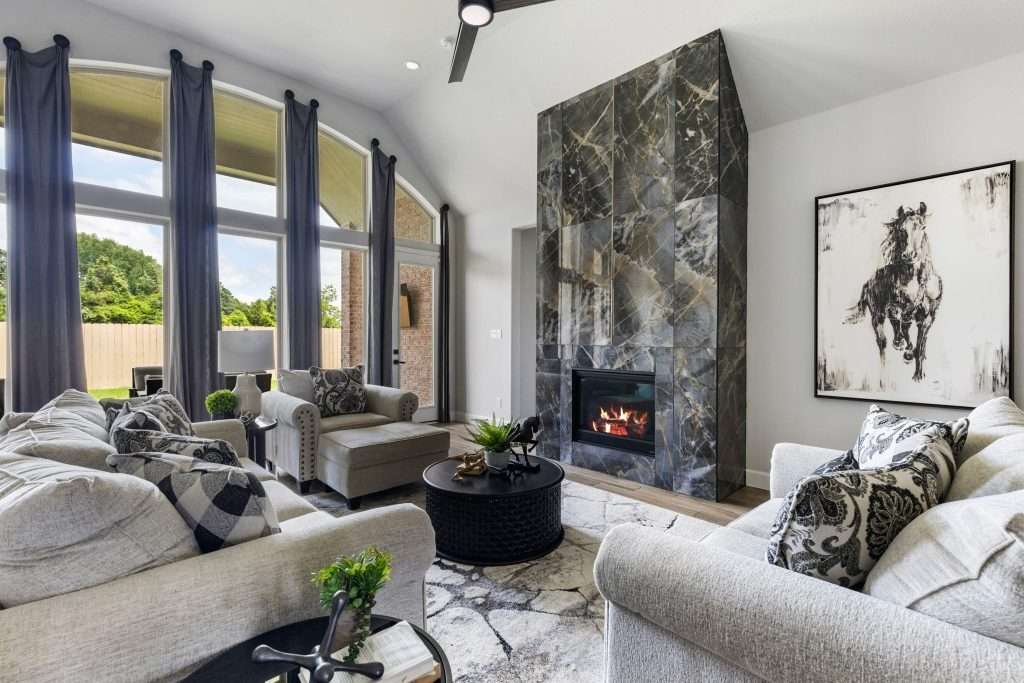
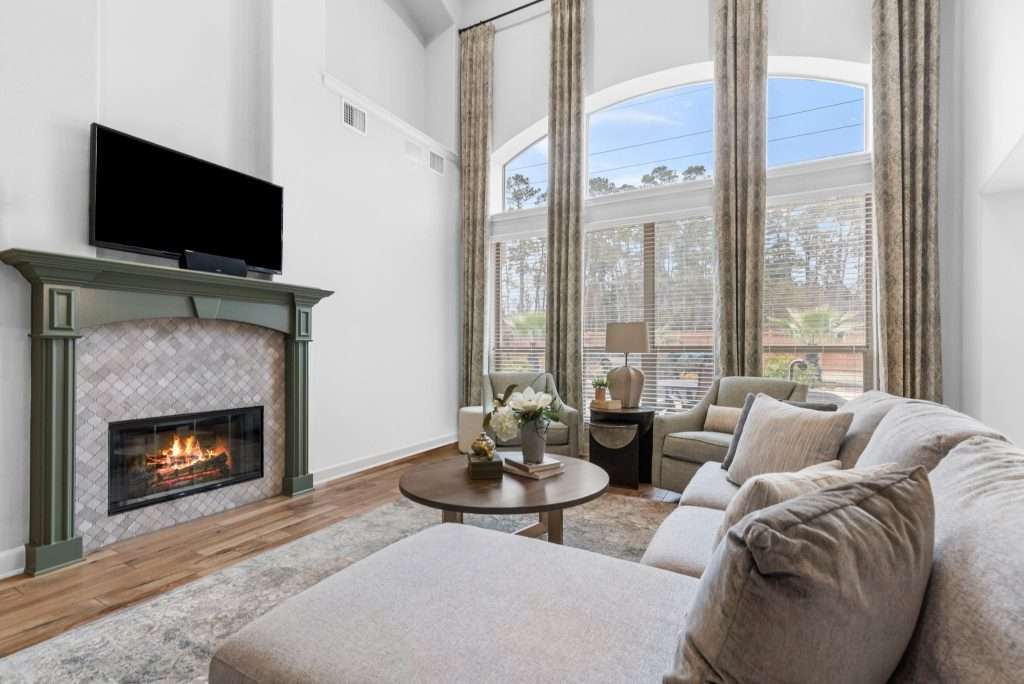
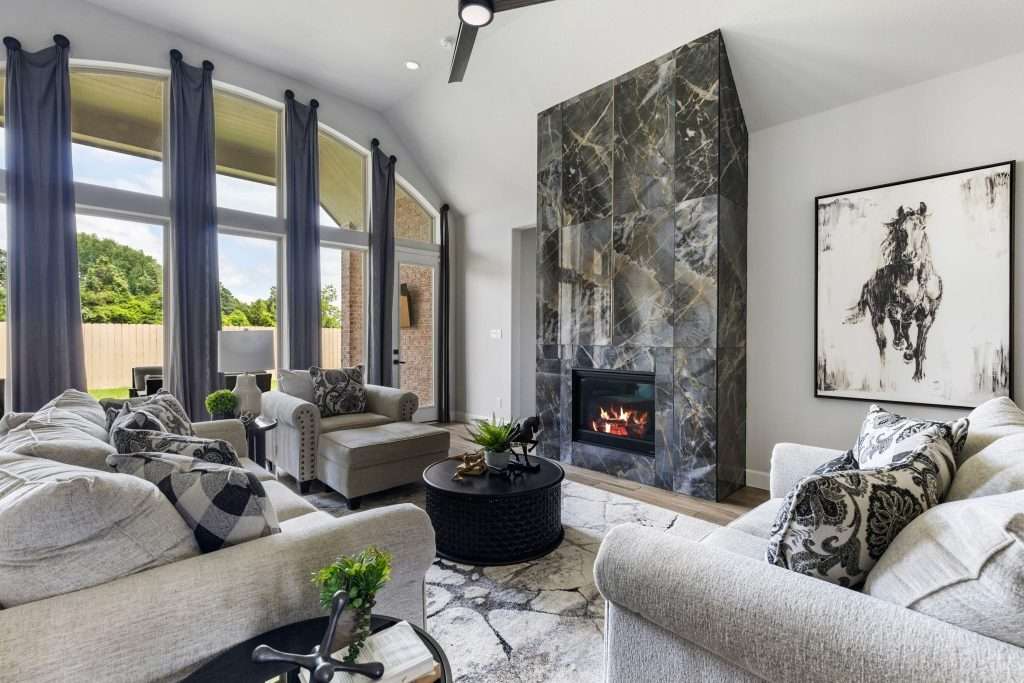
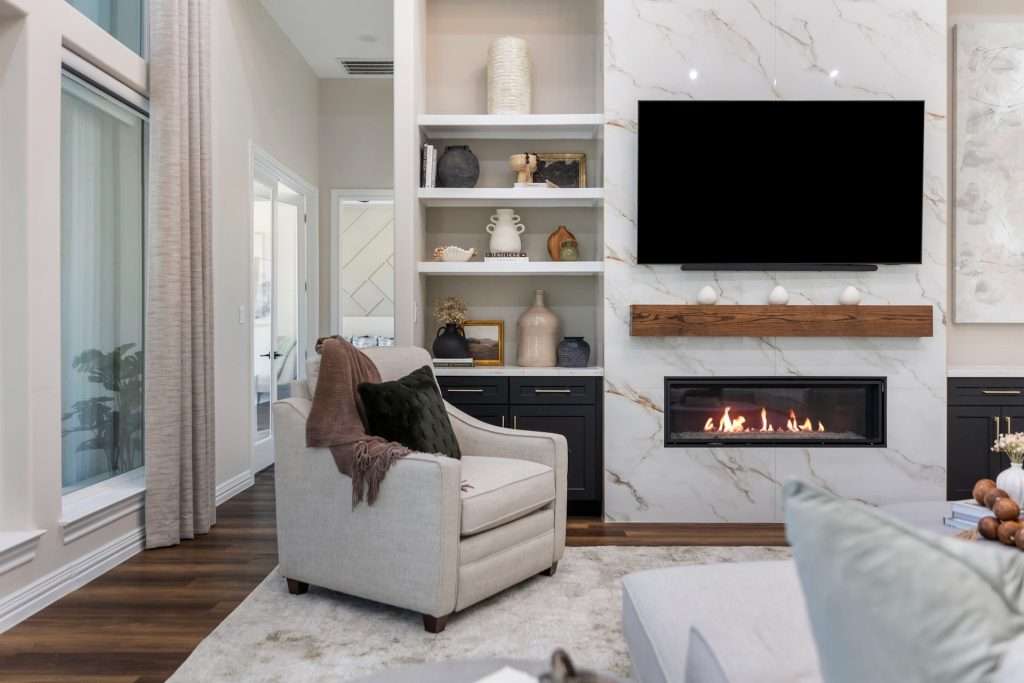
Marble does earn its place, and it’s worth saying where. A powder bath vanity is a good home for it. Low traffic, no cooking, guests who are in and out. A fireplace surround is another. So is a backsplash, which is vertical and rarely takes a spill.
The pattern is easy once you see it, darling. Marble goes where life is gentle and the room is on display. The workhorse stone goes where the actual work happens.
We went deeper on the whole ladder in our countertop comparison, including why you should ask your fabricator for bookmarked slabs by name.
You can see the approach across a whole house in the Lake Conroe home we reimagined room by room.
The National Kitchen and Bath Association publishes the specification standards we build against, and our kitchen work in The Woodlands starts with the same question every time: what is this surface actually going to absorb?
Protection Sprayed On After the Fact

Treating fabric after you buy it is the weakest version of a good idea. Protection sprayed onto a finished piece sits on the surface, and surfaces wear.
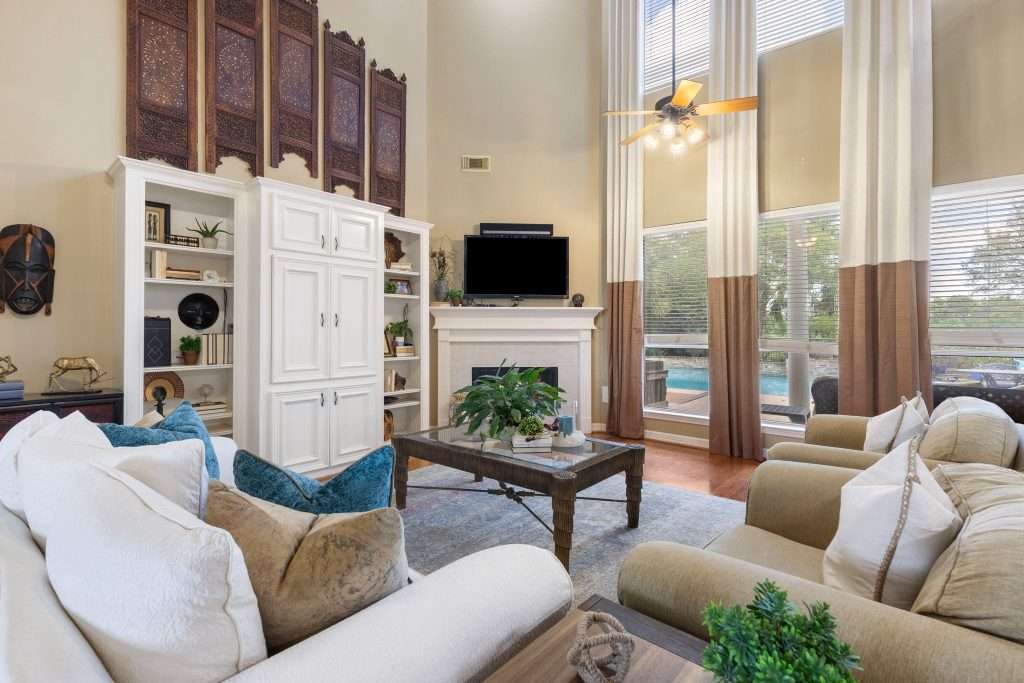
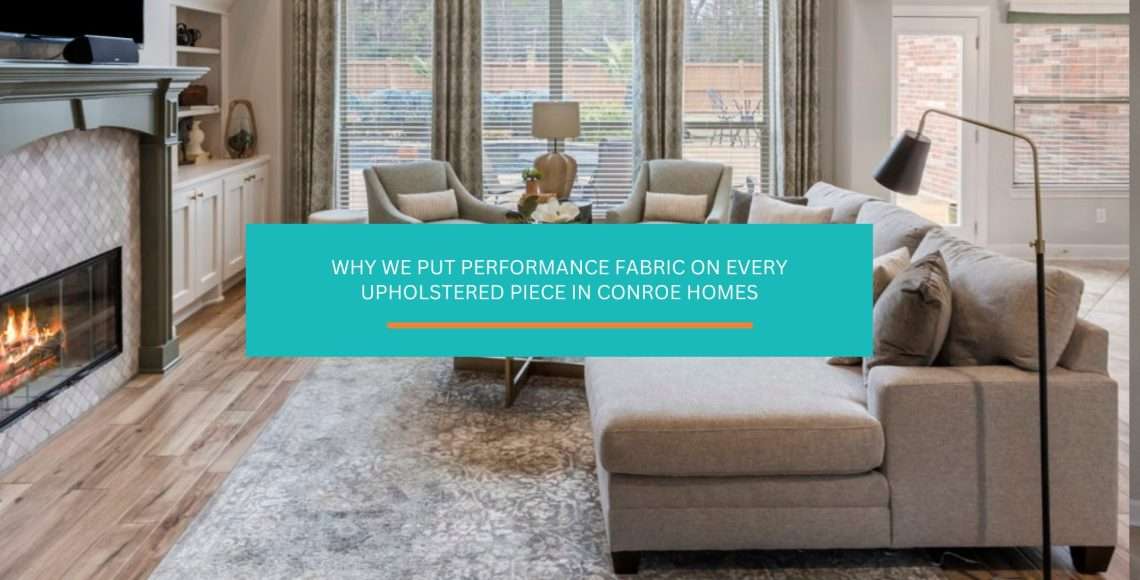
Performance fabric solves it at the other end. The protection is woven in at the manufacturing stage, not applied afterward, which is why it survives the cleaning that eventually strips a sprayed-on coating.
That single specification is what lets us put white upholstery into houses with toddlers and retrievers without flinching. We wrote up why we put it on every upholstered piece, wine demonstration included.
Durability keeps showing up near the top of what buyers actually want, according to the National Association of Home Builders.
Our drapery and soft goods work in Magnolia gets specified the same way, because a fabric that fails is a room you redo twice.
Letting the Render Decide the Layout
The newest trend on this list is trusting a generated image to plan a room. The renders are beautiful. They also don’t know who lives there.
Picture a newlywed couple with little ones. The render centers a coffee table on the rug and styles the side table at a height that photographs well. Both choices are wrong for that family, because the babies are using that exact floor to crawl and pull themselves up, and everything on that side table is at grabbing height.
Nobody asked how the family lives. That’s the whole difference between a render and a design, and we went further into it in our piece on AI home design.
Use the images for what they’re good at, darling. They’re a fine way to show us a mood. They’re a poor way to decide where the furniture goes, which is the part our design work across Montgomery County spends the most time on.
Frequently Asked Questions
Ask who maintains it and what happens when it wears. Choices that age well tend to be simple to repair, easy to source a replacement for, and neutral enough that the room around them can change. Anything that depends on a specialty part, a discontinued finish, or a hidden mechanism is a choice you will be managing later.
Not at all. That’s how most good projects start. The mistake is skipping the translation step, where somebody works out whether the thing survives your climate, your household, and the way you actually use the room. A saved image is a starting point, not a specification.
On the changeable layer. Pillows, art, accessories, paint, and window treatments can carry as much personality as you want, because swapping them costs a weekend. Keep flooring, counters, cabinetry, and tile calmer, since those are the things you live with for a decade and pay real money to change.
No, and popularity is not the useful signal. Plenty of trends are popular because they genuinely solve a problem, and those tend to stay. The better filter is whether the choice still makes sense once the novelty wears off. If the only argument for it is that it looks current, it will look dated on exactly the same schedule.
Yes, and more than most homeowners realize. Our heat index, humidity, and flood history rule out materials that perform fine in drier or colder regions, so a national trend often needs a local substitution rather than a straight copy. The look can usually be kept. The material underneath it frequently changes.
What We Say Yes To
Look, hun, none of this is about being the designer who says no.
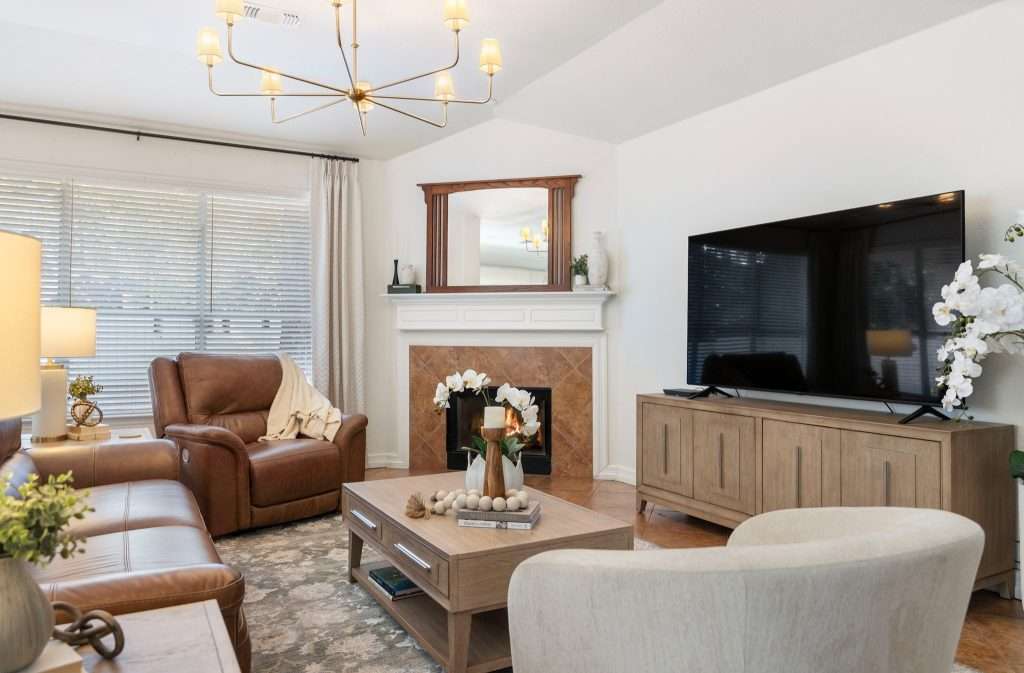
We say yes constantly. Yes to the bold color, yes to the wallpaper, yes to the light fixture somebody’s spouse thinks is too much. Those are the choices that make a room feel like it belongs to somebody, and they’re all reversible.
What we push back on is the permanent stuff that fails quietly. The mechanism you can’t reach. The stone that stains in a house with three kids. The floor that was engineered for a climate eleven hundred miles from here.
If you’re weighing something you saw and you want a straight answer about whether it works in your house, reach out to our team. We work with families across Montgomery County and Greater Houston, and we’ll tell you honestly.
The best compliment a room gets is nobody being able to date it.