
Humidity-Proof Finishes for Texas Homes (Conroe Edition)
Humidity-proof finishes for Texas homes aren’t solely about looks, darlin’. They are about keeping your space calm and beautiful when the air gets thick.
Down here in Conroe, you know that sticky summers can do a number on paint, floors, and trim if they are not properly protected.
The good news?
You can have style and staying power.
With the right materials and a little planning, your space can stay crisp, fresh, and easy to love, no matter what the forecast says. So, grab a glass of sweet tea, and let’s talk about finishes that keep Texas homes looking good and holding strong all year long.
Roofing Materials That Handle Heat and Humidity
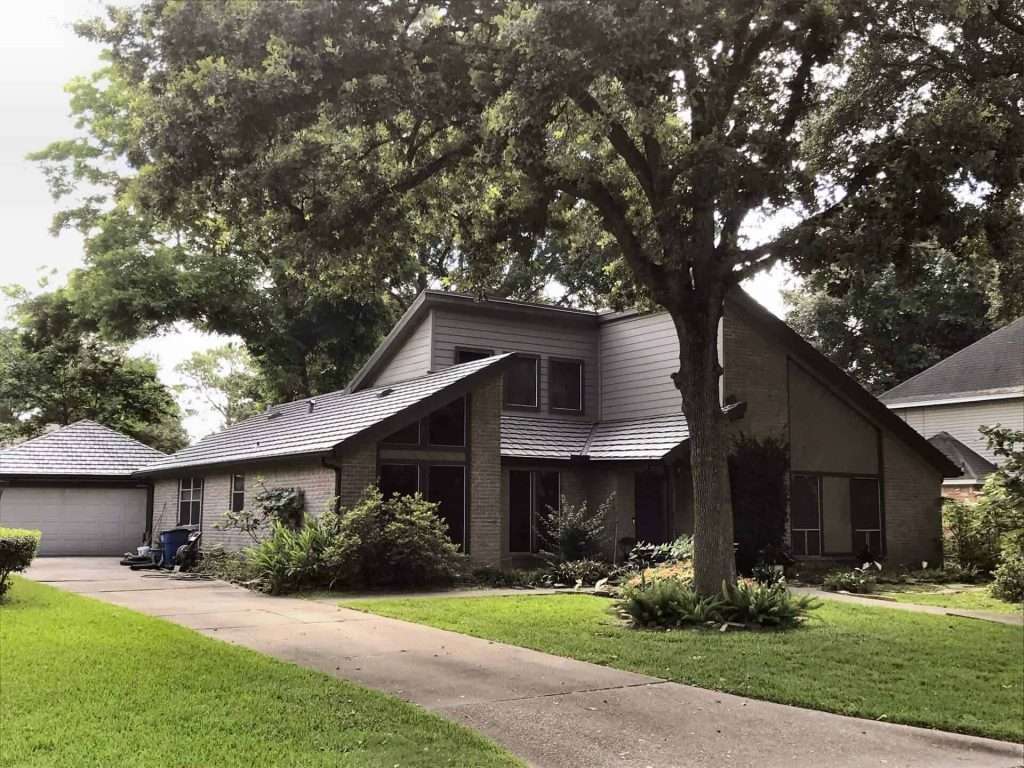
When that Conroe sun beats down and the air starts feeling thick enough to swim through, your roof takes the brunt of it.
And a good one, sugar?
It keeps your home cooler, drier, and far prettier for longer.
Metal roofing tops the list for performance in this climate. It reflects sunlight, resists algae, and laughs off moisture, which means less heat transfer and fewer headaches come August. I do recommend choosing a lighter, reflective finish to help your energy bills breathe a little easier.
Architectural shingles are a solid option, too, especially those with algae-resistant granules. They’ll give you that classic look without the early fade or streaking that humidity can cause.
And if you’re feeling drawn to a more natural style? Clay and concrete tiles add that beautiful texture and long-term strength. They’re heavy but stable, and they handle heat like champs.
Oh, and one more thing:
Don’t forget your ventilation and attic airflow, darling. That’s what keeps your roof structure dry and steady, even when the Gulf air rolls in all thick and heavy.
Exterior Finishes That Stand Up to Texas Weather
There are two things your Texas exterior can’t live without: tough paint and a smart plan. Around here, the sun burns bright, the humidity hangs thick, and every thunderstorm tests your home’s defenses. The right paint doesn’t just add color, sugar.
It’s your first shield against fading, peeling, and moisture creeping in.
Start With a Solid Coating System and Primer
Acrylic latex is the go-to for a reason, darlin’:
It’s flexible enough to move with Texas heat cycles, breathable so trapped moisture can escape, and easy to clean when pollen or dust settles in.
Now, if you want even more protection, you should look for elastomeric or ceramic-modified coatings.
Elastomeric paint stretches to cover hairline cracks and resists water penetration, while ceramic-infused options help reflect UV rays and keep siding cooler under that summer sun.
A good primer is what bonds the whole system together. In our climate, you’ll want one that seals porous surfaces and blocks moisture migration.
A high-adhesion, moisture-blocking primer seals porous surfaces and prevents peeling on brick, stucco, or wood.
Remember:
The cleaner and drier your surface, the longer your color will last, honey.
Sheen, Materials, and Humidity Resistance
The finish you pick affects more than shine. Flat or matte paints hide surface flaws but can trap moisture and mildew in shady spots. Satin or low-sheen finishes strike a nice balance:
They’re easier to clean and shed water better without looking too glossy.
On that note, you want to save the semi-gloss for trim and doors, where extra durability helps resist scuffs, fingerprints, and rain.
When it comes to humidity resistance, the siding and trim matter just as much as your paint. Fiber cement, cellular PVC, and composite trims handle moisture far better than bare wood. They expand and contract less, hold paint longer, and won’t rot when the Gulf Coast air gets heavy.
If your home still has older wood trim, don’t worry; sealing the edges and repainting regularly can stretch its life for years.
Maintain Like You Mean It
Even the best finish needs a little TLC, sugar.
Power wash gently once or twice a year, inspect for cracks and peeling, and plan for a fresh coat every seven to ten years (although you may have to do it sooner on the sunniest sides of the house).
And don’t forget your gutters, darlin’. Keeping them clear helps prevent water from sneaking behind siding and causing hidden damage.
In a climate as unpredictable as Conroe’s, your exterior finishes do the heavy lifting. Choose flexible, breathable materials, prep with care, and maintain with love, and your home will stay beautiful year after year.
Bring lasting curb appeal to your home with a custom exterior paint plan from Design on a Dime Interiors LLC. Our team knows how to pick finishes that stand up to Texas sun, storms, and everything in between.
Interior Paint and Primer Strategies for Humid Rooms
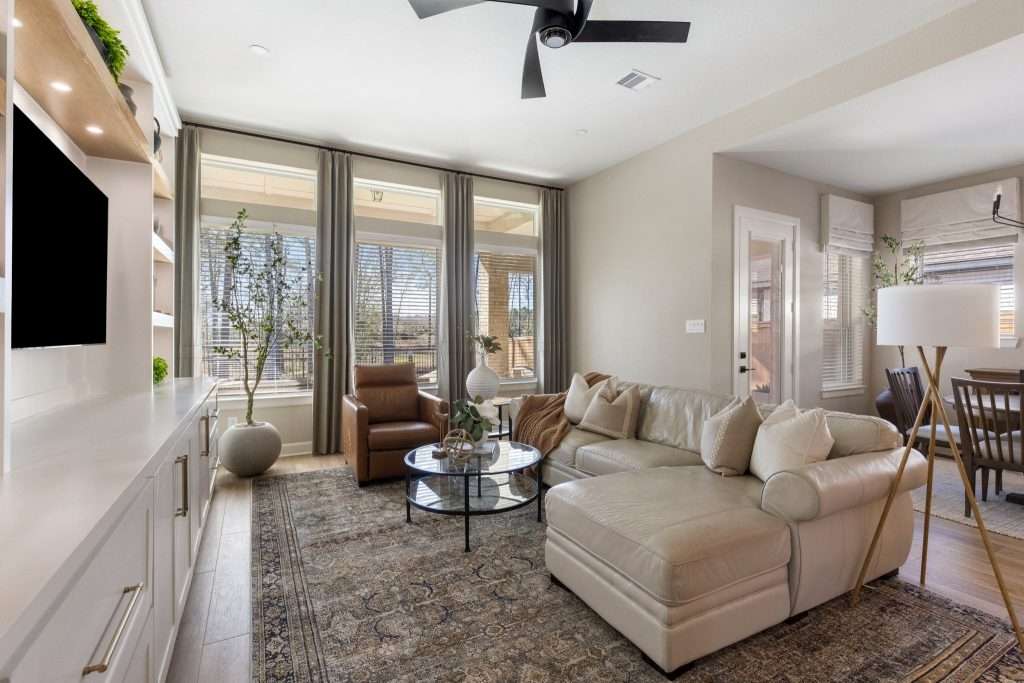
When you’re painting a steamy bathroom, a hard-working kitchen, or a laundry room that never quits, your biggest troublemaker is humidity. The right paint and prep can keep those walls looking fresh long after the steam has cleared.
And baby, around here, in Conroe, that means using products that can breathe, resist moisture, and stand strong through countless wash-downs.
Pick Paint and Finishes That Perform
Ordinary flat wall paint will wave the white flag the first time your shower fogs up.
You’ll need a 100% acrylic formula made for humid environments; I’m talkin’ something that grips tight, flexes with temperature swings, and resists bubbling or peeling.
Look for “bath and spa” labels or paints formulated with mildew-resistant additives. These are designed to repel moisture and discourage mold before it can take hold. Plus, they make cleaning easier.
When it comes to sheen, think practical over pretty.
Satin finishes are the sweet spot for most humid rooms. They give a soft glow, are easy to wipe down, and hold strong against moisture. Semi-gloss takes it further for splash zones like around sinks and tubs, while high-performance matte paints (like Benjamin Moore’s Aura Bath & Spa) offer that elegant flat look without sacrificing durability.
Around here, we know moisture doesn’t take a break. But when your finishes are picked out wisely, neither does your home’s beauty.
Prime Like You Mean It
Primer isn’t optional in this climate, hun; it’s your insurance policy.
A quality, moisture-sealing primer keeps water vapor from seeping through and keeps your color true over time. In kitchens and baths, use a mold- and mildew-resistant primer with bonding properties, especially if you’re painting over glossy tile, old enamel, or patchy surfaces.
Acrylic primer-sealers are your best bet for general use, while shellac-based primers work wonders on stubborn stains and water rings. For areas that have already seen leaks, epoxy or oil-based primers offer tougher, longer-lasting protection.
The goal?
Give your topcoat a strong grip and a clean, sealed surface that moisture can’t sneak behind.
Just remember, humidity slows down drying. And paint that doesn’t cure properly won’t last, sugar. So, try to paint when indoor humidity is below 60%, and keep that air moving while it dries.
If your walls are ready for a refresh, let Design on a Dime Interiors LLC craft a customized paint plan that’s as practical as it is beautiful. We’ll help you pick colors and finishes that shine through every steamy Texas season.
Durable Cabinetry and Millwork for Gulf Coast Conditions
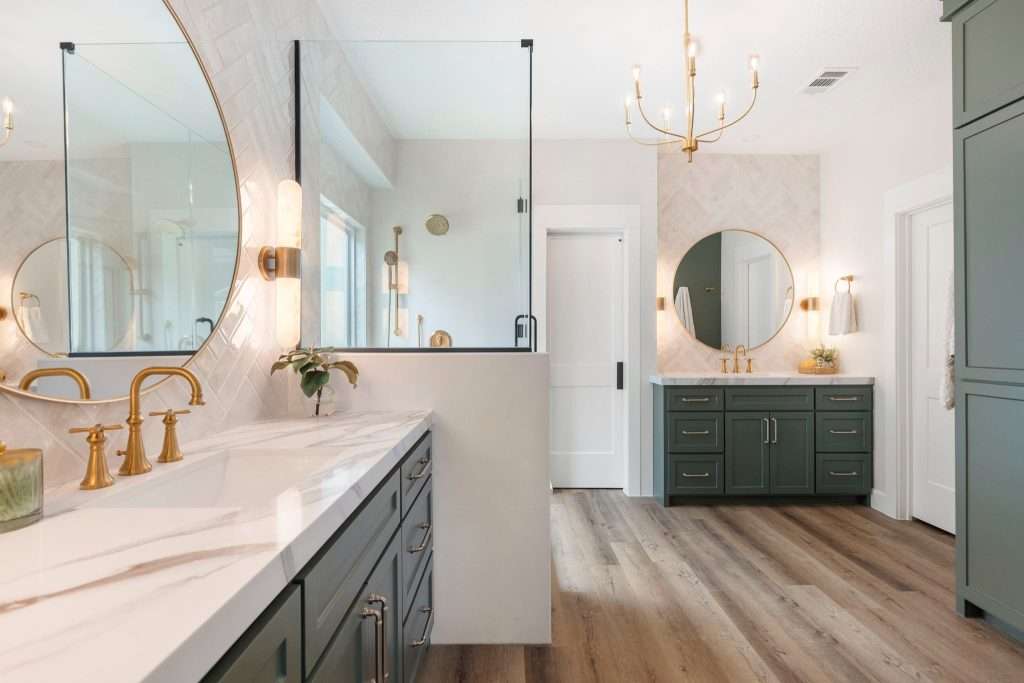
When the Gulf Coast air feels like a warm bath most of the year, your cabinets and trim need more than good looks. They need staying power, darlin’. Around Conroe, humidity likes to sneak into every corner, so the trick is choosing materials and finishes that stay steady when the weather won’t.
Start With the Right Materials
Yes, solid wood is beautiful, but it swells and shrinks with moisture changes. If you love the look of natural wood, choose species that will handle humidity, like teak, mahogany, or cedar.
Engineered woods are even more stable. I’m talkin’ plywood with marine-grade adhesives and MDF made with moisture-resistant resin; they’ll keep cabinetry firm and prevent doors from twisting out of shape.
Composite and synthetic options are worth considering, too.
No, really, if you’d rather skip the worry altogether, materials like cellular PVC, HDPE, and thermofoil are all made to handle humidity.
They won’t swell, peel, or crack, and they’re a smart choice for laundry rooms, outdoor kitchens, and bath vanities that see daily moisture. We’re going for crisp edges and long-lasting stability here, hun.
Bring on the Protective Finishes
Here’s the thing, honey:
The right coating can turn vulnerable wood into a humidity fighter.
Polyurethane is a fan favorite; it forms a hard, water-resistant layer that stands up to daily kitchen steam and bathroom dampness. For a higher-end shield, marine varnish can add UV protection and deep gloss, perfect for window trims or furniture exposed to sunlight.
If you prefer a softer, natural look, tung oil sinks deep into the grain and gives a warm, hand-rubbed feel, though it needs regular refreshing.
Pre-catalyzed or AC lacquers are also excellent for cabinetry because they cure fast, resist moisture, and stay smooth in shifting conditions.
My point is, you’ve got options, baby.
Seal Them Right and Keep Up With Care
No matter what you choose, sugar, sealing any exposed edges and ends is a must. That’s where moisture loves to sneak in.
So, use matching sealants or edge banding, and make sure the installers leave some space for ventilation behind the cabinetry. Proper airflow can make the difference between finishes that stay flawless and doors that start to stick.
Oh, and one more thing:
Even the toughest finishes appreciate a little love. Wipe up spills quickly, clean with mild products instead of harsh chemicals, and recoat high-wear areas every few years.
For Conroe’s climate, in particular, regular touch-ups shouldn’t be seen as a hassle; they’re how you keep your investment looking its best.
Make your cabinets as stunning as they are strong with custom designs by Design on a Dime. From those humid laundry rooms to sleek kitchens, we build and finish cabinetry that’s made to last in Gulf Coast air.
Flooring That Won’t Warp When the Air Gets Sticky
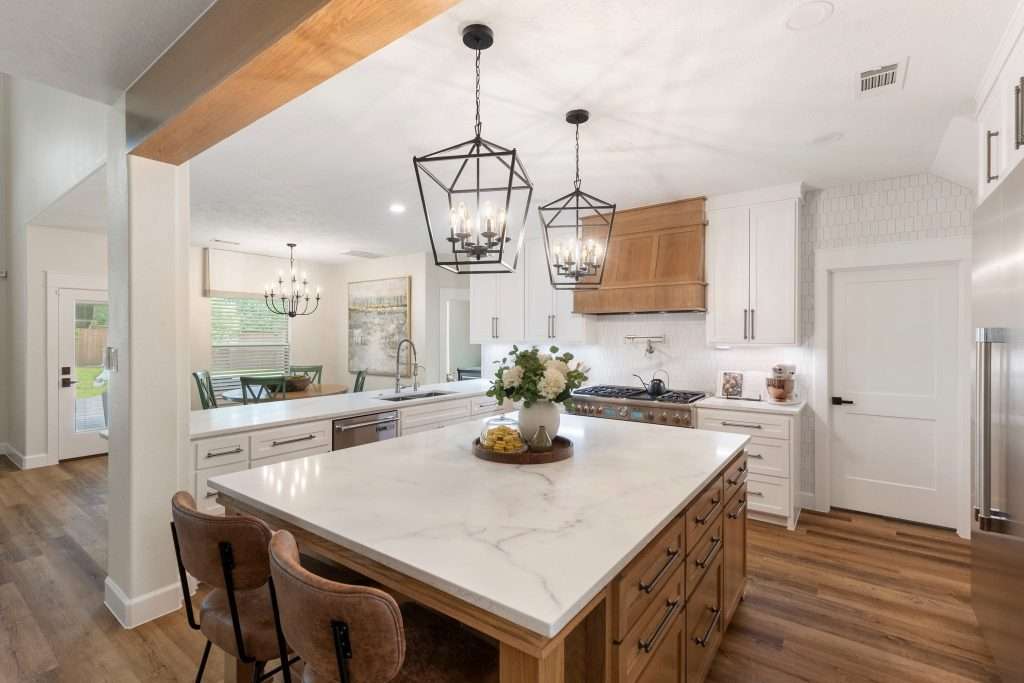
Texas weather has a personality all its own, and your floors need to keep their cool through every mood swing. Between summer heat, sudden storms, and that ever-present humidity, the right flooring choices make all the difference.
The goal?
Beauty that doesn’t buckle.
Moisture-Proof Flooring Options
Porcelain tile is the reigning champ for Texas homes. It laughs at moisture, won’t warp, and remains cool underfoot even when the thermometer climbs.
If you’re craving the look of wood without the worry, Luxury Vinyl Plank (LVP) or its sturdier cousin, Stone Polymer Composite (SPC), are tough, waterproof, and surprisingly realistic. They handle splashes, spills, and scuffs without complaint.
And for those who can’t resist the real deal, engineered hardwood is the sweet spot between charm and control. Its layered construction remains stable through seasonal changes, and with a waterproof topcoat, it handles Conroe’s humidity like a pro.
Cork and sealed concrete also deserve a nod here:
Cork offers a cushioned feel underfoot, complete with natural moisture resistance, while sealed concrete delivers industrial strength with modern appeal.
A Good Foundation Is Half the Battle
Beneath the surface, it’s all about preparation. Even the best flooring needs a solid foundation, sugar.
And that starts with a clean, level, and dry subfloor.
Moisture barriers, like underlayments or epoxy sealers, can block vapor from creeping up through slabs. In older homes or ground-level installs, a professional moisture control system is worth every penny. In baths and kitchens, in particular, flexible silicone caulking beats stiff acrylics for sealing those joints that still need to breathe.
Those details keep your floors relaxed instead of rippling.
Oh, and remember to let the new flooring acclimate indoors for a few days before installation, so it adjusts to the local humidity.
In short, Texas humidity doesn’t have to mean floor drama. With smart materials, proper prep, and a little routine love, your floors will stay calm, cool, and beautiful year after year.
Upgrade your home with floors built for Texas living. Design on a Dime Interiors LLC specializes in custom flooring solutions that stay gorgeous through heat, humidity, and high traffic.
Textiles and Upholstery That Stay Fresh in Humid Climates

That sticky Texas air doesn’t have to boss your sofa around, honey. With the right fabrics and a few smart tricks, you can keep your space smelling fresh and feeling light, even when the humidity is high enough to curl your hair.
Here’s what I’d like you to keep in mind:
Choose Fabrics That Breathe Easy
My number one advice is:
Start with synthetics that don’t soak up moisture.
Polyester, acrylic, and olefin are top picks because they dry fast and leave mildew no place to hide. Now, if you love natural fibers, you can blend them with synthetics for balance; think cotton-poly or linen-acrylic mixes that keep that soft hand feel without turning limp when the air gets thick.
Go for Performance and Protection
Solution-dyed fabrics, like Sunbrella and Crypton, are true Texas heroes. They resist UV fading, spills, and mildew, so your upholstery stays crisp and colorful season after season.
You can always add an antimicrobial treatment or fabric protector for a little extra “armor” against odor and mold.
If you’d like to see these kinds of fabric in action, check out our Huntsville Project. Here, the main focus was on performance; we chose durable upholstery that could handle spills, stains, and everyday life.
Then just give your soft finishes some TLC, and you’ll say goodbye to musty cushions and hello to a home that feels as fresh as it looks.
Frequently Asked Questions
How can I tell if humidity is already damaging my home’s finishes?
You should look for peeling paint, soft or swollen cabinet doors, musty smells, and cupped flooring boards. These are some of the early signs that moisture is already sneaking in where it shouldn’t and is damaging your home’s finishes.
Are there any finishes that also help with indoor air quality?
Yes, many low-VOC and mildew-resistant paints can help improve air quality by reducing off-gassing and mold growth. You should talk to your designer and ask them to help you pick out a breathable yet durable formula.
How do I keep my home’s humidity levels in check year-round?
The easiest way to keep the home’s humidity levels in check is to use ventilation fans in wet rooms, install a dehumidifier, and service your HVAC system regularly. Consistent airflow is one of those things that can help finishes last longer.
Are humidity-proof finishes more expensive than standard ones?
Yes, they can cost slightly more upfront, but the payoff is fewer repairs and replacements later. It’s a smart investment for Texas homes, that’s for sure.
How can Design on a Dime Interiors help with humidity control during remodeling?
Our team will help you pick materials, sealants, and finishes that fit your style and Texas weather patterns, so your home remains beautiful and balanced long after install day.
Bring Comfort Home, No Matter the Forecast
When Texas humidity tries to steal your home’s shine, the right design makes all the difference.
Design on a Dime Interiors LLC helps Conroe families choose finishes that look beautiful, hold strong, and feel just right through every sticky season. Whether it’s a full-on remodel or a few smart material upgrades, we’ll help you build a space that stays comfortable, durable, and unmistakably you.
If you’re ready to make your home humidity-proof and full of charm, reach out to our team today.
Let’s create a home that stays cool, calm, and gorgeous, rain or shine!