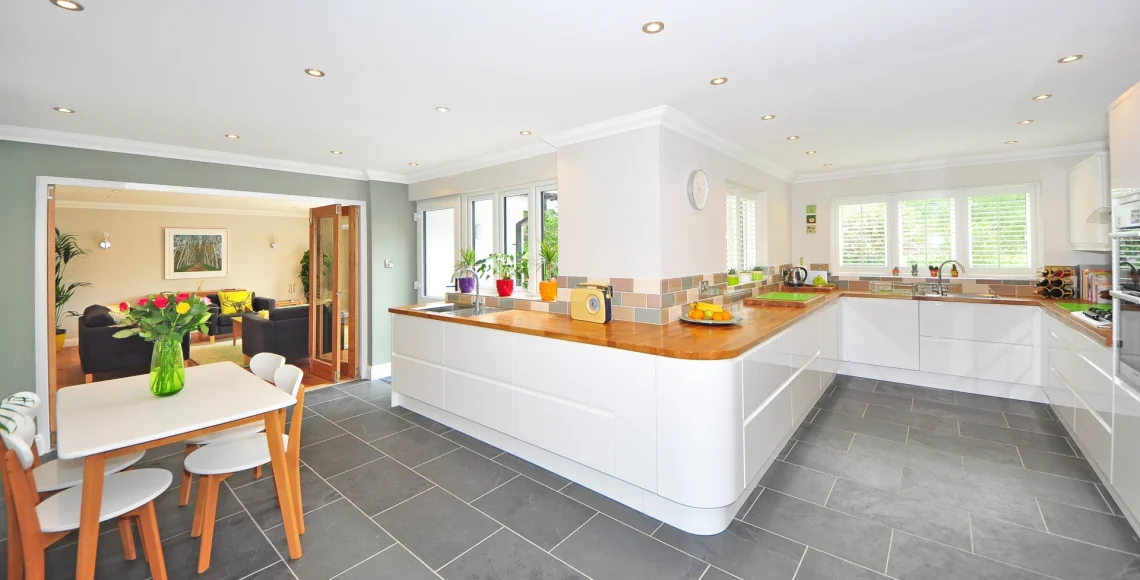
Enhancing Your Spaces with Textural Elements: A Guide to Adding Depth and Interest

When it comes to creating stunning and captivating interior spaces, it’s essential to consider not just colors and patterns, but also textural elements. Textures have the power to add depth, interest, and a tactile experience to any room. By incorporating various textures, you can elevate your spaces and create a visually appealing environment that is both cozy and inviting. In this blog post, we will explore the art of incorporating textural elements in interior design and provide you with inspiration and ideas to transform your home.

Understanding the Importance of Textural Elements:

Texture plays a crucial role in interior design, as it can significantly impact the overall look and feel of a space. It adds visual interest, depth, and personality, making the room more engaging and memorable. Whether you prefer a rustic, contemporary, or eclectic style, textures can be used to enhance any design aesthetic. From smooth and sleek surfaces to rough and tactile materials, each texture brings its unique charm and character to the space.

Incorporating Textures in Different Elements:

a. Walls and Ceilings: Textured wallpapers, faux finishes, exposed brick walls, or wooden paneling can transform plain walls into focal points. Additionally, incorporating textured ceiling treatments such as wood beams or decorative molding can add architectural interest.

b. Flooring: Rugs, carpets, tiles, or hardwood floors with various patterns and textures can add warmth and visual appeal to any room. Consider layering rugs for an added textural effect.

c. Furniture: Upholstered furniture with textured fabrics or materials like leather, velvet, or woven fabrics can create a cozy and inviting atmosphere. Combining different furniture styles and textures adds visual interest and can serve as a conversation starter.

d. Accessories and Decor: Soft textiles like throw pillows, blankets, and curtains in different fabrics and weaves can add a touch of comfort and luxury. Introduce decorative items such as vases, sculptures, or wall art made from materials like ceramic, glass, or metal to further enhance the textural experience.

Mixing and Balancing Textures:

To create a harmonious and visually pleasing space, it’s important to strike the right balance when incorporating textural elements. Consider the scale and proportion of each texture, and aim for a mix of contrasting and complementary textures. For example, pair a smooth leather sofa with a chunky knit throw or combine a sleek glass coffee table with a rough-textured sisal rug. Experiment with different combinations until you achieve a cohesive and balanced look.

Color and Texture Interplay:

Colors and textures go hand in hand in interior design. The right combination of colors and textures can elevate the ambiance of a room. For example, combining neutral tones with rough textures creates a calming and organic feel, while vibrant colors with glossy finishes evoke a sense of energy and modernity. Experiment with different color schemes and textures to find the perfect balance that matches your desired mood and style.

Incorporating textural elements in your interior spaces is an effective way to elevate the overall design and create a visually appealing and tactile experience. By considering the various elements such as walls, ceilings, flooring, furniture, and accessories, you can transform your home into a stunning and inviting space. Remember to strike a balance between different textures and experiment with mixing and matching to create a cohesive and visually pleasing design. The interplay of colors and textures adds another layer of depth and personality to your spaces.
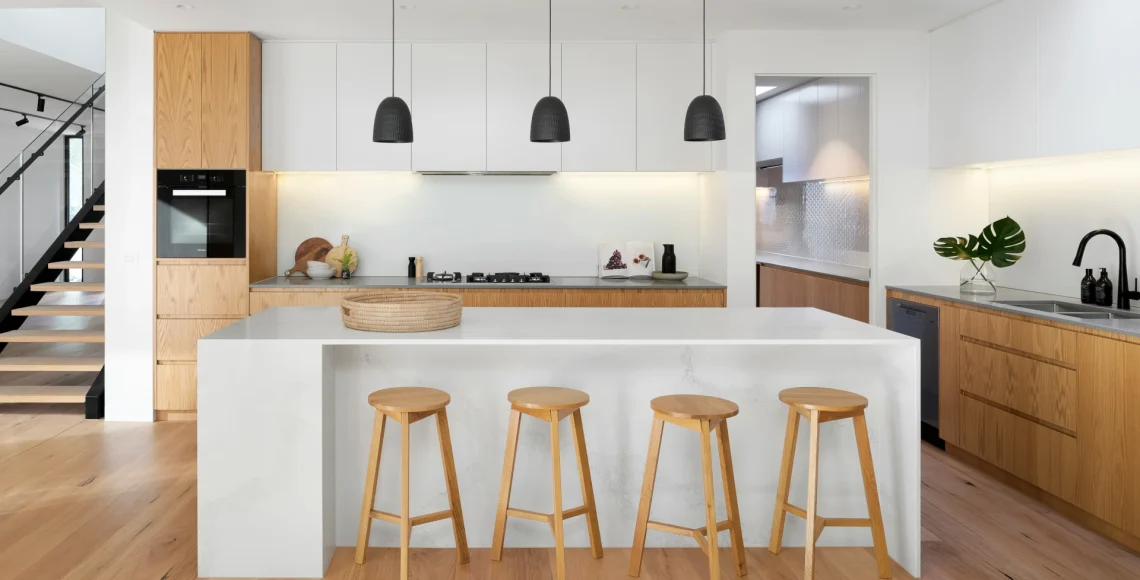
5 Tips To Implement Minimalist Style Interior Design at Home

Almost everyone has heard this phrase above, but only the minimalists are living it. Especially with the rise of the Japanese organizing consultant, Marie Kondo, the minimalist living trend has gone up through the roof.

Some people might think that the practice of minimalism is equal to suffering and having close to nothing, while it’s actually quite the opposite. Being a minimalist means living free of the unnecessary, removing things that have less or no value to your life.

Minimalist living, instead of making you suffer from lack of belongings, will make you live ecstatic by the things you have. Because when you’re committed to minimalist living, it means that every single thing you have will have some value, and meaning and gives you joy from just owning it.

What Is Minimalist Style Interior Design?

Minimalist living extends not only from how you live your life but also to how you design the space around you, including your home. A minimalist style interior design means that your home will only include things that have value and meaning for you.

Also, embracing the spirit of Less Is More means eliminating as many things as possible but still considering that you have to have all the things you really need to live. Sounds so complicated? Well, you’re not alone. That’s why today, we present you with the top five tips you can implement in your house to make it a minimalist home.

5 Tips For A Minimalist Style Interior Design

You can do many things to make your house a minimalist one. But continuing the spirit of minimalism, we will only present you with the essential ones.

1.   Pick A Few Muted Color Accents

A minimalist home often incorporates monochromatic interior design themes to give an impression of being “less.” Having monochromatic interior design themes isn’t always dull because the benefit is that a simple muted color accent could really draw the eyes.

Having a monochromatic theme in your home is like having a blank canvas that will accentuate a single drop of color, whatever the color is. You can add a simple art you love, a gorgeous plant, or even a different color coffee table.

2.   Invest In High-Quality Furniture

Having a minimalist home means that every single thing should have a more profound meaning for you, have top-level usability, and last for a long time. Hence, you should never buy an item only because of the “low price with a cute look.”  Instead, while doing your design, focus on having high-quality furniture with a design that you love to see, with superb usability and durability.

With such furniture at your home,  you could mitigate your living cost because you won’t need to do maintenance or buy more in the future when it breaks. And the best part? You will have peace of mind because you know that every piece of furniture you buy has value and they give you joy just by looking at it.

3.   Use Lighting As Decor

Having a minimalist interior design doesn’t mean you cannot add any decoration to your home. You might think that decoration doesn’t have any usability, but the truth is, if it gives you joy and happiness, it’s okay to have it.

But, still, with the spirit of less is more, instead of having a regular piece of decoration, you could substitute an indispensable piece in your house such as lighting as a decoration. 

4.   Allow Plenty of Open Spaces

When you have a minimalist style interior design, the focus is to think “what more can I eliminate” instead of “what else can I add.” Never fill a space in your home just for the sake of filling it.

Instead, let the empty space in your house exist to give a more expansive feeling. Having an empty space in your home won’t only give an impression of a larger house, but it will also accentuate the existence of other furniture, giving your home a more minimalist living feels.

5.   Use a Multi-Functioned Furniture

The last one is still with the spirit of less is more. While having less furniture could be pleasing to your eyes, some people couldn’t stand the lack of fittings in their home. We also can’t disregard the need for some cabinets for those who have more people at home or require more equipment in their lives. But, rest assured, we got just the perfect solutions.

You can always get multi-functioned furniture for your minimalist home. A stair with cabinets, sofas or bed with drawers as the base, or even a TV table combined with a shoe rack underneath. Nowadays, many other multi-functioned pieces of furniture are out there that you can find by simply looking online.

Still, Having Trouble?

Well, doesn’t it feels exhilarating and joyful to design your own house? With these five top tips, I assure you that you can always make a minimalist style interior design for your own house.

But, if you don’t have the time to design your own house, don’t have the connections of where to buy the right furniture, and don’t know where to start, rest assured, we have you covered. You can always consult with our team to design your house. With our 15+ years of experience, you will surely have the perfect interior design that you’ve always dreamt of.

Drapes vs. Curtains

Arguably, no other design element sparks as much debate as window coverings. Particularly drapes versus curtains. The common ground with either choice is they offer a unique impact on your overall design.

Both curtains and drapes can speak directly to your traditional or modern design tastes. Manufacturers have done a great job in updating these age-old elements to represent ever-changing interior designs. Drapes and curtains provide artful decorative appeal while providing unmatched function in your home.

Properly hung, they can reshape a room adding height, balance, and airiness, and conversely, they can make a large space feel more intimate. Heavier fabrics offer insulation almost twice that of window blinds while improving acoustics and buffering noises.

Window hangings offer privacy and natural light control. If you are looking for versatility curtains and drapes are affordable, fashion-forward, easy to care for and maintain. They give you the opportunity to make bold statements or provide clean simple lines to any room.

Curtains and drapes can easily help you polish your décor. Both options can frame the perfect view or avert the eye from a less than the pristine outdoor scene. They are also a good choice to change out when you want to freshen up a room without doing an entire makeover.

Mel’s advice: How to pick out a sofa or a chair.

Bottoms up! Let’s pick a sofa or chair, shall we?

What prevents you from sinking down in a chair or a sofa? Not everyone agrees on what type of suspension is the highest quality and will last the longest, so let me help you get to the “bottom” of this issue. There are many different types of suspension systems manufacturers use, I favor Sinuous Springs or Eight-Way Hand Tied. My client’s budget decides which suspension I purchase.

Ok, so let’s talk about these common types of suspension.

Read More

The Finishing Touch: Accessories

Keep It Simple, Keep It Clean

The key to the elegant design is keeping things simple and clean.  Focus on highlighting textures, patterns, color, size variation, vertical and horizontal details that really shine in a small space.  Design rule of thumb, which in my opinion is really a guideline, is odd numbers when clustering your items.

Read More

Contact us to schedule your consultation!