
Eco-Friendly Flooring: Sustainable Flooring Options For Your Home
When designing or renovating your home, selecting the right flooring material is crucial. Beyond aesthetics and durability, more homeowners are looking for eco-friendly flooring options that align with their environmental values.
Whether you’re concerned about reducing your carbon footprint or ensuring a healthier living space, sustainable flooring can offer various solutions.
In this article, we’ll explore a variety of eco-friendly flooring materials that look great and contribute to a greener home.
Choosing Eco-Friendly Flooring: What to Consider

Choosing eco-friendly flooring involves more than just finding materials labeled as “green.” The overall sustainability of a flooring option depends on several factors, including how the material is sourced, processed, installed, and even how it can be recycled at the end of its life.
The flooring industry has responded to the growing demand for environmentally friendly flooring by offering various choices, but it’s essential to understand what makes a material truly sustainable.
Before we continue, if you have any questions about what type of flooring will work best for your home, you can always give us a call and get expert help. Check out our flooring service today!
Sustainability in Sourcing
The first consideration is how the flooring material is sourced.
Materials like bamboo, cork, and linoleum are harvested from renewable resources, making them sustainable flooring options. Bamboo, for example, is one of the most sustainable flooring materials because it grows quickly and can be harvested in three to five years. If you’ve got a home office, this flooring option is for you!
Similarly, cork is made from the bark of the cork oak tree, which regenerates every nine years without harming the tree. Both bamboo and cork can be harvested sustainably, making them excellent eco-friendly flooring options.
Durability and Lifespan
Durability also plays a key role in sustainability.
Flooring materials that last longer reduces the need for frequent replacements, thereby minimizing waste and the consumption of new resources.
Hardwood flooring, for example, can be refinished multiple times, extending its life over decades.
In contrast, carpets made from synthetic materials may not last as long and can contribute to landfill waste if not properly recycled.
When choosing eco-friendly flooring, it’s important to consider options that have a long lifespan and can be recycled after use.
If you need professional consulting regarding your flooring options, call us, and we’ll help you make the best possible choice for your home!
Indoor Air Quality
Another critical factor is indoor air quality. Many traditional flooring materials release volatile organic compounds (VOCs) that can negatively impact the health of your home environment.
Eco-friendly flooring options often feature low or no VOCs, making them healthier. For example, natural linoleum, made from linseed oil and other organic materials, is a non-toxic flooring option that improves indoor air quality. Similarly, wool carpets are made from natural materials, providing a safer alternative to synthetic carpeting.
Bamboo Flooring: A Rapidly Renewable Flooring Material
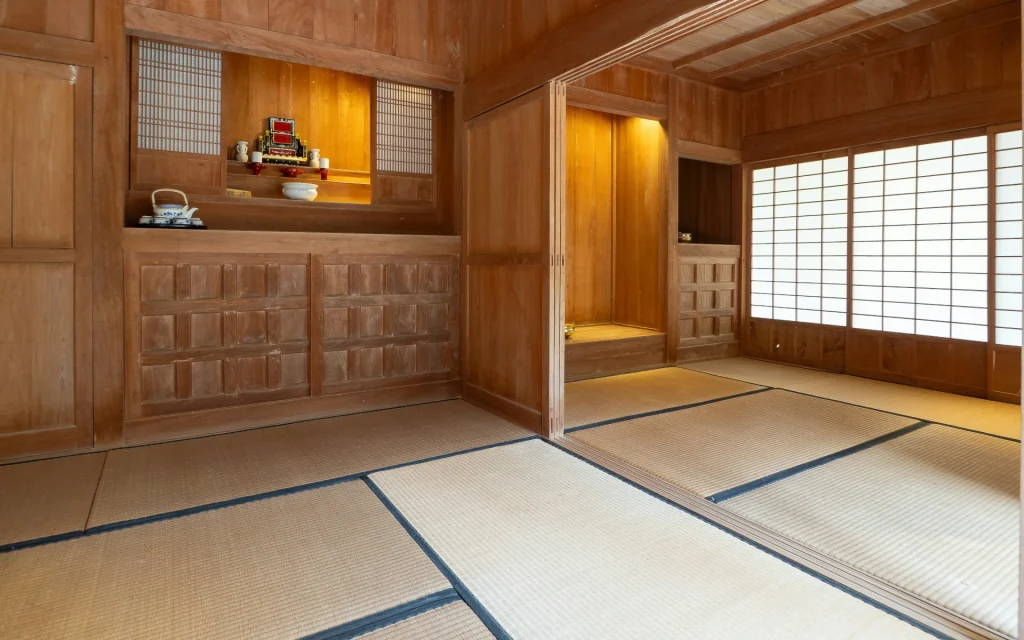
Bamboo flooring has become one of the most popular eco-friendly options.
This type of flooring is made from bamboo, a fast-growing grass that reaches maturity in just a few years.
Because bamboo grows so quickly and can be harvested without killing the plant, it is considered a renewable resource. Moreover, bamboo flooring is incredibly durable and can be refinished, making it a sustainable choice for long-term use, for instance, as a bedroom flooring choice!
Looking for the perfect fit for your bedroom floor? There’s no rush—just contact us, and we’ll discuss the plan in more detail!
Advantages of Bamboo Flooring
- Sustainability: Since bamboo grows rapidly, it’s one of the most renewable materials used in flooring.
- Durability: Bamboo flooring is resistant to wear and tear, making it ideal for high-traffic areas.
- Aesthetics: Bamboo flooring offers a sleek, modern look that resembles traditional hardwood flooring.
- Low VOCs: Many bamboo flooring options are free from harmful chemicals, contributing to better indoor air quality.
However, it’s essential to choose bamboo flooring that is sourced sustainably.
The Forest Stewardship Council (FSC) certifies bamboo flooring that meets strict environmental standards. Additionally, bamboo flooring is available in various styles, including horizontal, vertical, and strand-woven, offering home design flexibility.
To see some of our famous work, make sure to check out our Jersey Village flooring service page!
Cork Flooring: Made from the Bark of the Cork Oak Tree
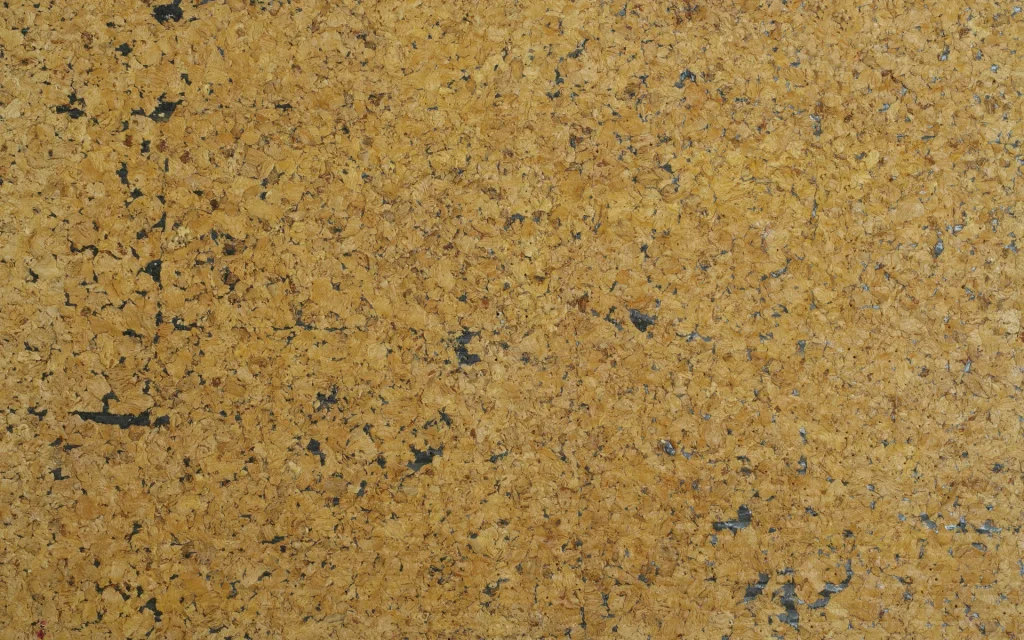
Cork flooring is another eco-friendly option gaining popularity for its sustainability and unique properties.
It is harvested from the bark of the cork oak tree, which regenerates every nine years. This harvesting process doesn’t harm the tree, making cork a renewable resource.
Cork flooring is known for its comfort underfoot, thermal insulation, and sound absorption properties.
Advantages of Cork Flooring
- Renewable Material: Cork is harvested without damaging the tree, making it a truly sustainable material.
- Comfort and Insulation: Cork flooring offers a soft, cushioned feel underfoot and provides excellent thermal insulation, keeping homes warmer in cooler climates.
- Natural Insulator: Cork’s natural properties make it a great sound absorber, perfect for creating a quieter home environment.
- Non-Toxic: Like bamboo, cork flooring is often produced with low or no VOCs, ensuring better indoor air quality.
Cork flooring can be used in various spaces, from bedrooms to kitchens, making it a versatile and sustainable option for eco-conscious homeowners.
Linoleum Flooring: A Natural and Durable Choice
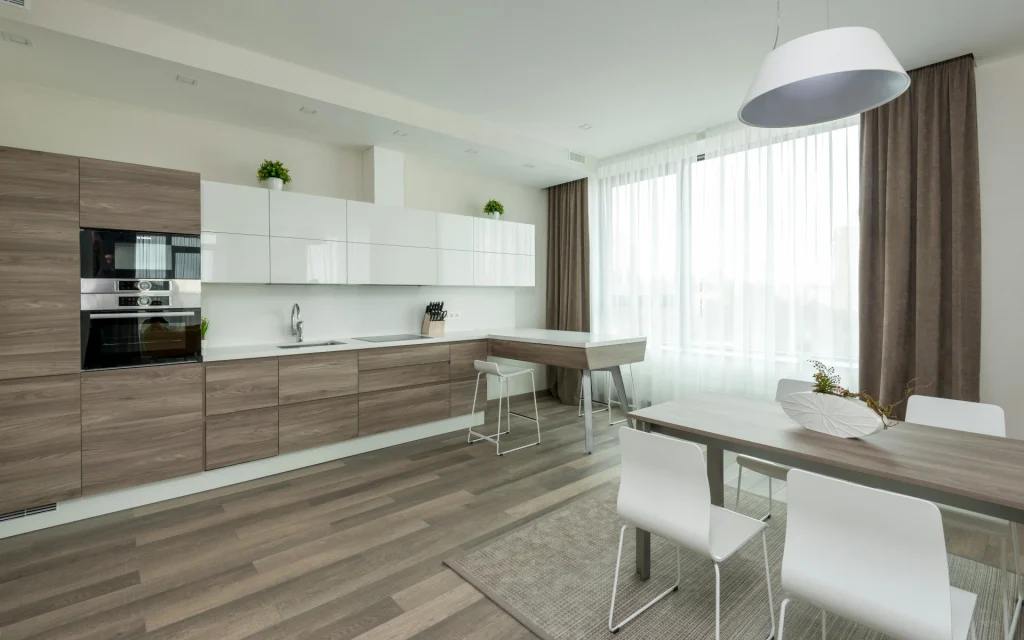
Linoleum flooring has long been recognized as a durable and eco-friendly flooring material.
Linoleum is biodegradable and free from harmful chemicals. It’s made from natural materials like linseed oil, wood flour, and cork dust. It’s a great alternative to vinyl flooring, which is often made from synthetic materials and contains high levels of VOCs.
Advantages Of Linoleum Flooring
- Natural Ingredients: Linoleum is made from renewable, natural materials like linseed oil, making it an environmentally friendly flooring choice.
- Durability: Linoleum flooring is incredibly durable and can last for decades with proper care, reducing the need for replacement.
- Low VOCs: Linoleum emits minimal VOCs, making it a healthier option for indoor air quality.
- Wide Range of Styles: Linoleum is available in various colors and patterns, making it a versatile choice for home designs.
Natural linoleum is an excellent sustainable product for those looking to reduce their carbon footprint and invest in long-lasting, non-toxic flooring options.
Reclaimed Wood Flooring: A Second Life for Traditional Hardwood
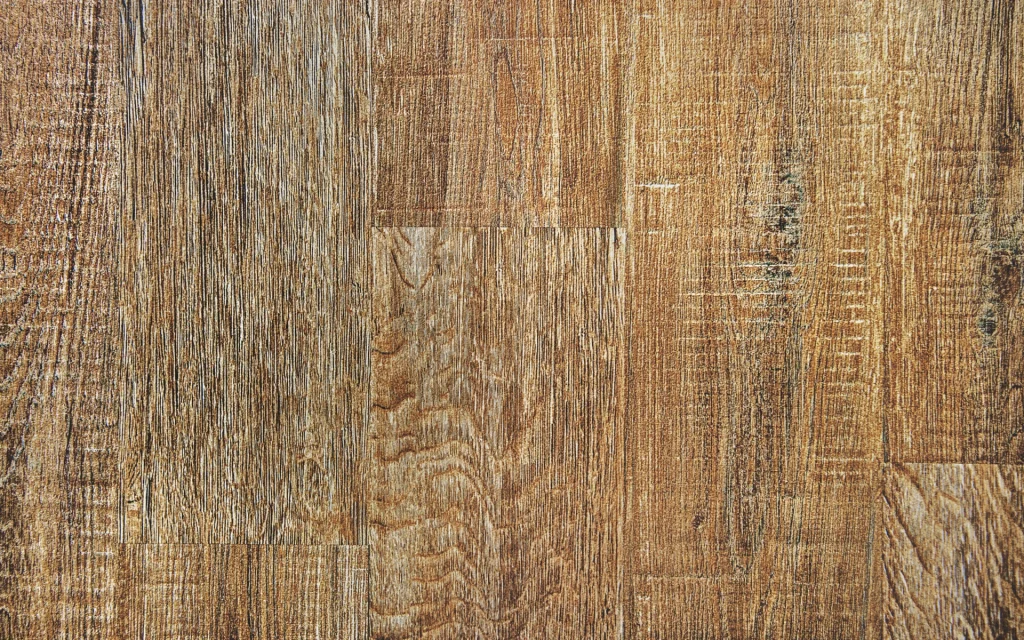
Reclaimed wood flooring is made from wood salvaged from old buildings, barns, or factories.
This type of flooring is not only sustainable but also adds character and history to your home. By repurposing existing wood, reclaimed wood flooring prevents valuable materials from ending up in landfills and reduces the demand for new timber.
Advantages Of Reclaimed Wood
- Sustainability: Reclaimed wood is one of the most sustainable flooring options because it gives new life to old materials.
- Unique Aesthetic: Reclaimed wood has a distinct, weathered appearance that brings a rustic charm to any room.
- Durability: Since reclaimed wood is often sourced from old-growth forests, it tends to be more durable than newly harvested wood.
- Reduced Carbon Footprint: Reusing wood avoids the energy required to process new timber, reducing one’s overall carbon footprint.
Reclaimed wood is a fantastic option for homeowners looking to incorporate eco-friendly flooring materials into their home design while adding a touch of history and uniqueness to their space.
Carpet Made from Natural or Recycled Materials

While traditional carpeting can contain synthetic fibers and VOCs, eco-friendly carpets are now made from natural or recycled materials. Wool carpets, for instance, are made from renewable resources and provide a non-toxic, natural alternative to synthetic carpet options.
Additionally, carpets made from recycled materials, such as PET (polyethylene terephthalate) fibers, are another sustainable choice.
While we’re on the topic of carpets, have you considered your outdoor patio flooring choice? Maybe this is just the solution you’re looking for!
Advantages of Eco-Friendly Carpet
- Natural Materials: Wool is renewable and provides excellent insulation, while PET carpets reduce plastic waste.
- Sustainable Production: Carpets made from recycled fibers prevent materials from ending up in landfills.
- Low VOCs: Eco-friendly carpets release fewer chemicals into the air, promoting better indoor air quality.
- Softness and Comfort: Wool and recycled carpets offer the same softness and comfort as traditional carpets but with the added benefit of being more sustainable.
If you’re looking for a more sustainable flooring option, consider carpets made from natural materials or those produced from recycled plastic bottles, which are both environmentally friendly and aesthetically pleasing.
Recycled Glass Tiles: Stunning and Sustainable
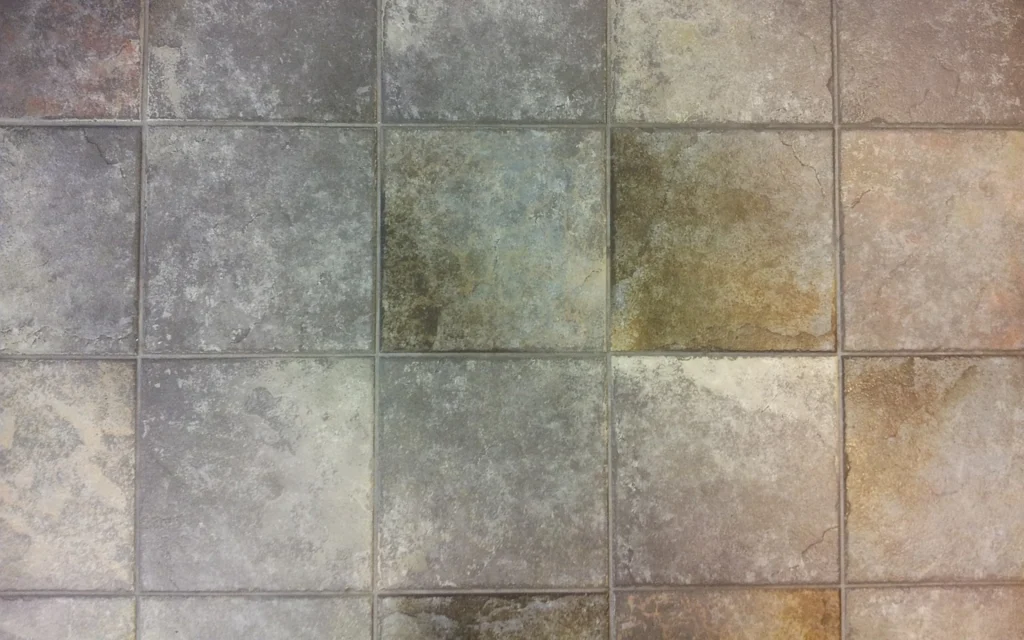
Recycled glass tiles are an excellent eco-friendly flooring option for homeowners seeking a beautiful and sustainable material.
These tiles are made from recycled glass, including bottles and other glass waste, giving them a unique appearance that adds visual interest to any space.
Advantages of Recycled Glass Tiles
- Environmentally Friendly: By using recycled materials, glass tiles help reduce waste and the need for new resources.
- Unique Aesthetics: Recycled glass tiles are available in various colors and patterns, making them versatile for different design styles.
- Durable: Glass tiles are resistant to moisture and staining, making them ideal for bathrooms and kitchens.
- Low Maintenance: Recycled glass tiles are easy to clean and maintain, adding convenience to their environmental benefits.
Recycled glass tiles offer a perfect solution for those looking to add a splash of color and sustainability to their homes.
Got a minute? Scroll through our Cypress flooring service page to get inspired!
Rubber Flooring: Durable and Recycled

Rubber flooring is another eco-friendly flooring option, commonly made from recycled tires. This type of flooring is highly durable, resilient, and water-resistant, making it an excellent choice for high-traffic areas or spaces like gyms and playrooms.
Advantages OF Rubber Flooring?
- Recycled Materials: Rubber flooring made from recycled tires helps reduce waste and offers an environmentally friendly alternative to traditional flooring materials.
- Durability: Rubber flooring is highly durable and resistant to damage, providing a long-lasting solution.
- Comfort: Rubber flooring has a soft underfoot and absorbs sound, making it ideal for busy households or exercise areas.
- Slip-Resistant: Its slip-resistant nature makes rubber flooring a safe choice for homes with children or elderly residents.
Rubber flooring is a practical and sustainable option for eco-friendly materials offering functionality and environmental benefits.
Stone Flooring: A Natural and Timeless Choice
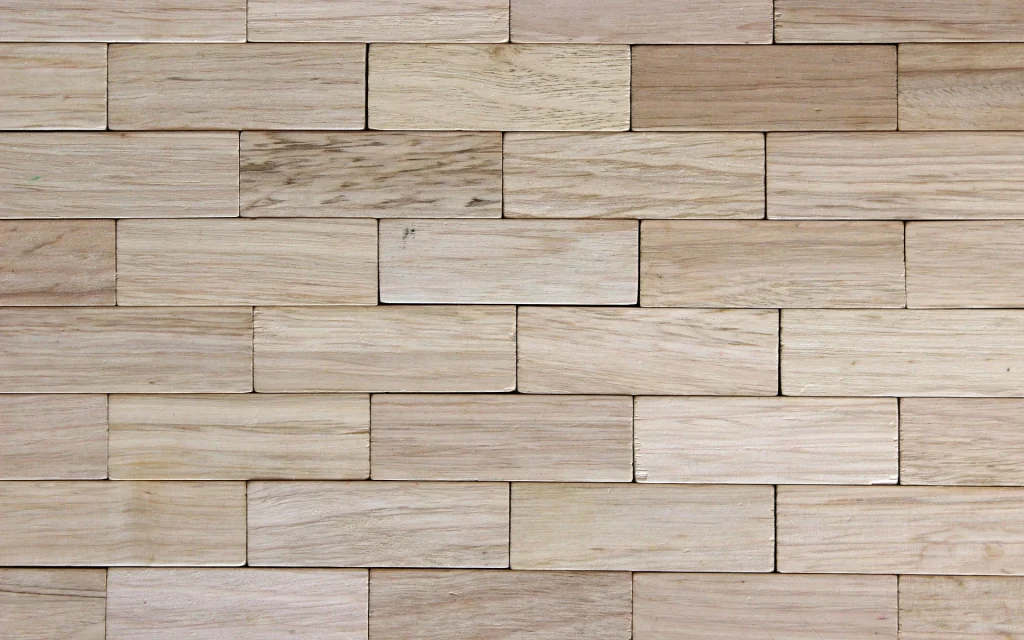
Stone flooring, such as marble, granite, and slate, is another eco-friendly option that can add timeless beauty to your home.
While stone is a natural material, it’s essential to ensure that it is sourced responsibly to minimize environmental impact.
Benefits of Stone Flooring
- Natural Material: Stone is a natural, durable material that requires minimal processing, making it an environmentally friendly choice.
- Long-Lasting: Stone flooring is incredibly durable and can last a lifetime, reducing the need for replacement and contributing to sustainability.
- Timeless Aesthetic: Stone offers a classic, timeless look that enhances the overall design of your home.
- Eco-Friendly Maintenance: Stone flooring can be maintained without harsh chemicals, reducing its environmental impact.
When choosing stone flooring, look for sustainably sourced options, such as those certified by environmental organizations like the Forest Stewardship Council.
You can also view our flooring services in Conroe for more deets!
Recycled Metal Flooring: A Bold and Eco-Friendly Option
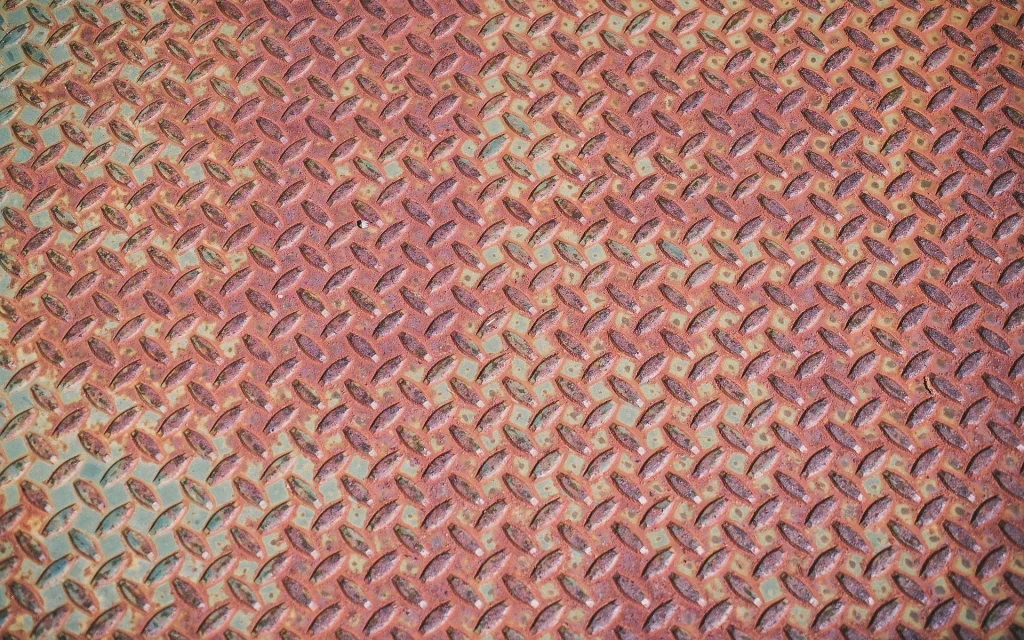
Recycled metal flooring may not be the first choice for eco-friendly flooring, but it’s a bold and sustainable option for industrial or modern design spaces. Made from recycled metal, this flooring helps divert materials from landfills and offers a unique aesthetic to your home.
Benefits of Recycled Metal Flooring
- Recycled Materials: Using recycled metal reduces the need for new resources and helps prevent waste from ending in landfills.
- Durability: Metal flooring is incredibly durable and can withstand heavy foot traffic, making it ideal for residential and commercial spaces.
- Unique Design: Recycled metal flooring offers a distinctive, industrial look that differentiates it from traditional flooring materials.
- Sustainability: Using recycled materials, metal flooring contributes to a more sustainable home environment.
While recycled metal flooring may not suit every home, it’s an innovative option for those looking to make a statement with their flooring choice.
Conclusion: Choosing the Best Eco-Friendly Flooring for Your Home
With so many eco-friendly flooring options available, creating a greener home is easier than ever. Whether you’re looking for bamboo, cork, linoleum, or recycled materials like glass and metal, sustainable choices abound.
By choosing eco-friendly flooring materials, you can reduce environmental impact, improve indoor air quality, and enjoy long-lasting, beautiful floors. As the demand for sustainable flooring continues to grow, so do the innovative and environmentally friendly options on the market.
If you need help with remodels or your flooring, just give us a call or shoot us a message. We’ll be happy to help you make your dreams a reality!