
What Is Industrial Chic? A Guide to Industrial Interior Design
Industrial interior design, aka industrial chic has made its way from gritty urban lofts to modern homes, and for good reason.
Born from the need to transform old factories and warehouses into livable spaces, the industrial style embraces raw materials, exposed structures, and a minimalist aesthetic.
It’s the kind of home decor that says, “I’m effortlessly cool without even trying.”
Imagine exposed brick walls paired with sleek steel fixtures and weathered wood floors – the perfect blend of rustic charm and modern sophistication. Industrial style doesn’t shy away from showing its bones; those exposed pipes and beams are more like conversation starters than construction leftovers.
This design approach has even found a place in farmhouses and rustic-inspired spaces, where industrial cabinets and lighting fixtures bring an edgy contrast to cozy, traditional elements.
The industrial style combines function with a touch of grit, proving that beauty can come from simplicity.
So, get ready to leave the drywall behind and let those floors, bricks, and metal speak for themselves.
The Origins of Industrial Interior Design
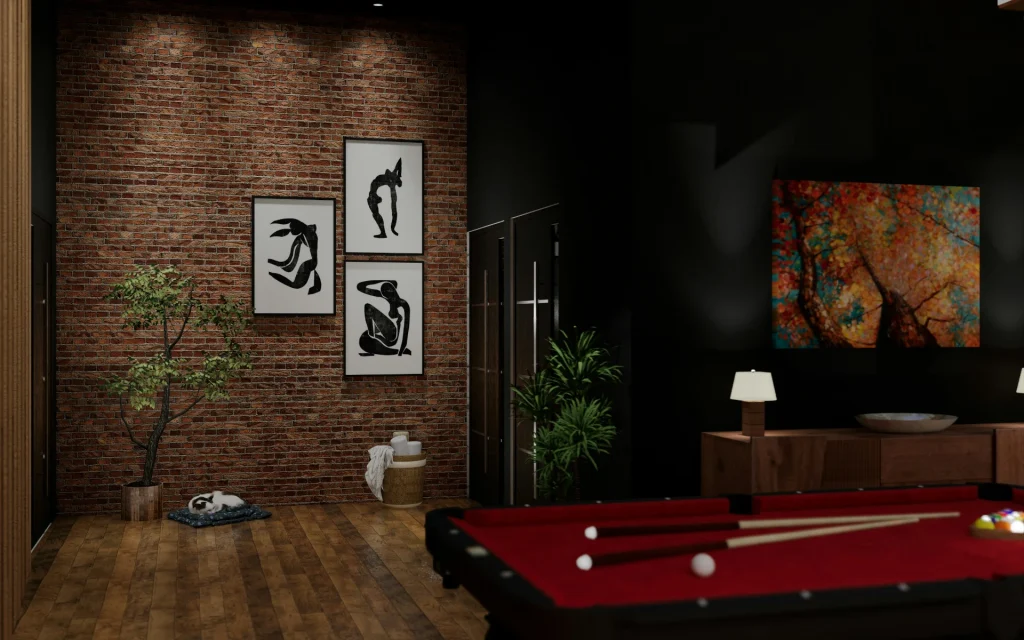
Industrial interior design traces back to the mid-20th century when factories, warehouses, and other industrial spaces were converted into residential homes, particularly in urban areas.
This transformation was primarily a necessity, as abandoned buildings found new life in cities where space was scarce.
Rather than masking these spaces’ rugged, unfinished look, early pioneers of this design style embraced the rawness, letting exposed brick walls, concrete floors, and metal beams become defining features.
Over time, this practicality evolved into an aesthetic that has become synonymous with “industrial chic.”
In the ‘70s, the trend began gaining traction as artists converted large industrial spaces into live-work lofts.
These converted lofts allowed for an open, spacious layout previously unimaginable in traditional homes. Elements that were once purely functional—like factory lighting and metal accents—became the focal point of these new living spaces.
The industrial style was defined by its minimalist approach and focus on the essential, eschewing anything overly ornamental.
One of the most striking aspects of industrial decor is its embrace of an earthy and neutral color palette. Shades of gray, black, and brown dominate, often softened by wood accents or muted hues that keep the look from becoming too cold or stark.
Exposed brick walls and raw concrete floors provide a textured backdrop, while natural materials like leather and reclaimed wood add warmth and contrast. This blend of materials and textures gives the industrial chic style its balance of ruggedness and refinement.
Industrial chic continues to evolve, blending elements from other design styles such as rustic, farmhouse, and even contemporary to create a more personalized and polished look. Modern industrial design often incorporates softer materials like plush rugs, comfortable seating, and refined cabinetry to make spaces feel cozy and lived-in without sacrificing the raw, unfinished vibe at the heart of the style.
The result is a distinctly modern and sleek living space grounded in history.
Sounds like something you’d like? Visit our interior design service page to get the real inspo!
In today’s homes, the industrial style doesn’t just work in converted warehouses and lofts. It’s popular for residential homes where homeowners want a design style that blends a minimalist aesthetic with a sense of character and history.
Key Elements of Industrial Design

Industrial chic design thrives on raw, unfinished materials and a rugged simplicity. Its origins in industrial buildings like factories and warehouses have given it a signature look that combines practicality with a bold, stripped-down aesthetic. Here’s an in-depth look at the key components that define industrial design.
Exposed Brick:
One of the most iconic elements of industrial chic design is exposed brick. This feature gives a space a sense of history and texture. Whether painted or left raw, exposed brick adds warmth and character and powerfully contrasts with the sleek, modern finishes that might accompany it.
Steel and Metal Accents:
Industrial pieces like steel beams, metal light fixtures, and iron pipes are essential in creating the industrial style’s utilitarian feel. Steel and metal accents add a bold, masculine edge to interiors and contribute to the durability and functionality that are core to industrial spaces.
Concrete Floors and Walls:
Concrete is another material commonly used in industrial chic design. Whether polished or raw, it enhances the clean, minimalist aesthetic while giving the space an unfinished, urban vibe. Concrete floors and countertops are often seen in modern interpretations of this style, complementing other industrial pieces.
Design on a Dime is one call away! Reach out now, and let’s kick off your next big project!
Reclaimed Wood:
While industrial decor might seem stark at first, the warmth of reclaimed wood can soften the look. Used for flooring, furniture, or accents, reclaimed wood provides a rustic charm that balances out the metal and concrete elements. This is a key element of industrial chic because it brings a lived-in, organic feel to a space.
Open Layouts and High Ceilings:
Many industrial buildings were designed with open layouts and high ceilings, which remain crucial in industrial design. Open spaces and tall ceilings allow for plenty of natural light and provide a sense of airiness that contrasts with the weight and density of materials like brick and steel.
Minimalist, Functional Furniture:
The furniture in industrial interiors is often minimal, functional, and straightforward. Think sturdy wooden tables, metal-framed chairs, and utilitarian shelving. Industrial pieces are designed to be practical, emphasizing durability over ornamentation and design.
Neutral Color Palette:
Industrial chic design typically uses a neutral color palette—think greys, blacks, whites, and browns.
These colors complement the raw materials used throughout the space and keep the look clean and uncluttered. Accent pieces like rugs or artwork can introduce pops of color, but the base remains grounded in neutrals.
Check out our remodels service page for pops of color and inspiration for your new project.
Furniture & Decor in Industrial Chic
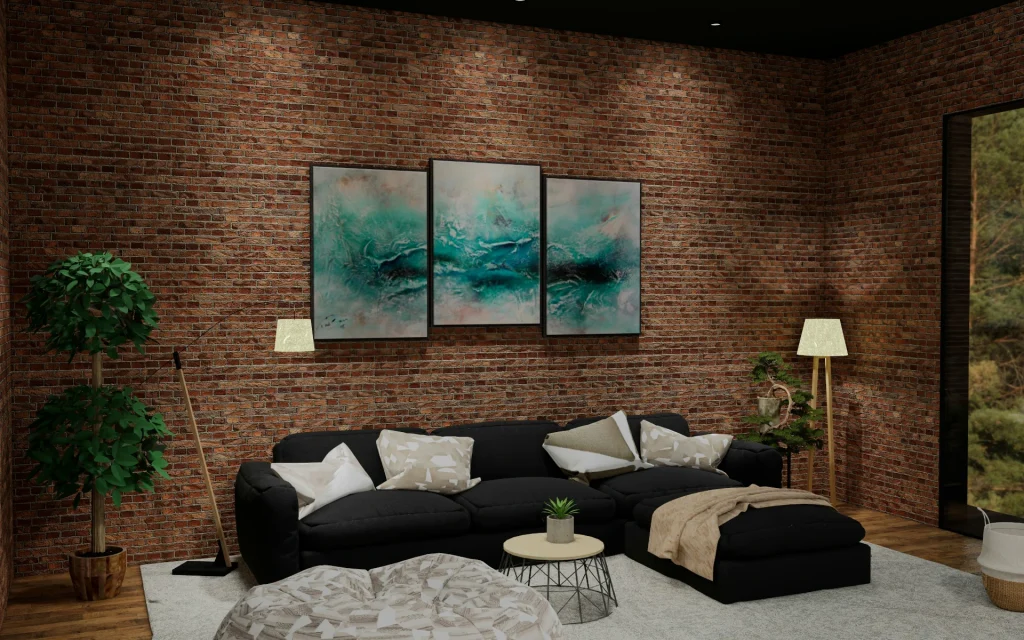
When selecting furniture and decor for an industrial-chic space, the key is to embrace raw materials and minimalist designs while making bold, functional choices.
Industrial chic is a design style rooted in the history of industrial spaces. It focuses on practicality, durability, and simplicity. Modern industrial interiors build on that foundation but with a chic twist.
One essential piece in an industrial living room is the coffee table.
The coffee table should be sturdy and straightforward, often crafted from metal and wood. Opt for designs that showcase the natural grain of the wood and the raw finish of the metal to enhance the industrial vibe.
Industrial elements such as reclaimed wood and metal-framed furniture are staples in industrial chic spaces.
For example, a dining table with a wooden top and steel legs complements the style and tells the story of industrial spaces, which were once dominated by factories and warehouses.
Combining materials like wood and metal perfectly balances rustic charm and modern sophistication.
Decorating tips for industrial interiors often include incorporating statement pieces like oversized pendant lights or exposed bulb lighting fixtures.
These are functional and serve as focal points that elevate the industrial style. Vintage or antique furniture can also be incorporated to add character and depth to the space. Think leather armchairs, distressed cabinets, or repurposed factory equipment.
Combining industrial elements with functional, minimalist furniture and adding bold accents like oversized lighting or vintage decor allows you to create a space that fully embraces the industrial chic aesthetic while remaining warm and inviting.
If you’re considering adding cabinets to your ideal industrial design, check out our custom cabinets service page!
Industrial Lighting Ideas
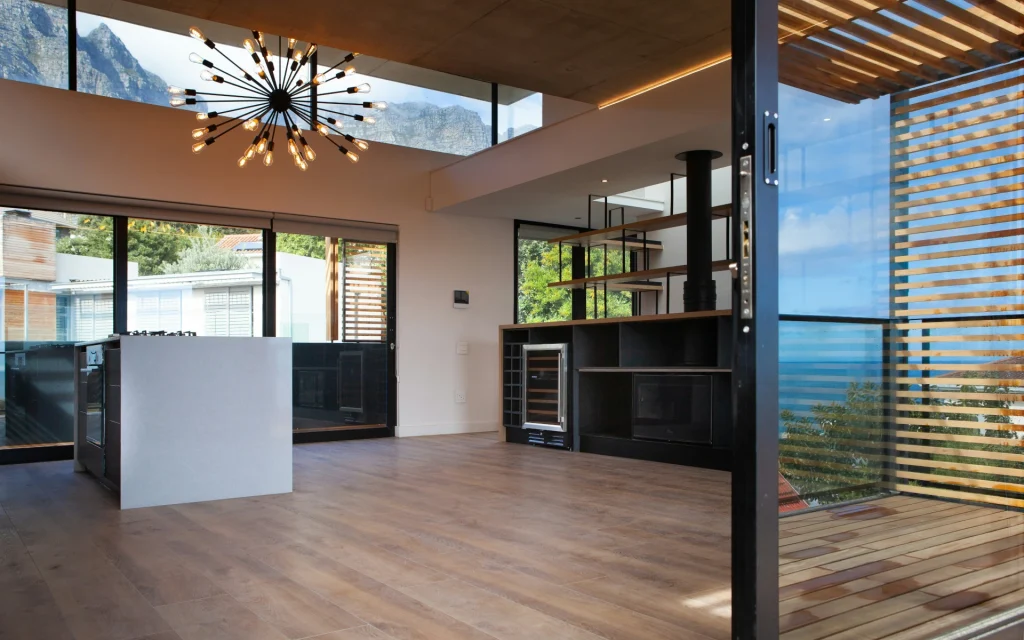
Lighting plays a crucial role in achieving the perfect industrial chic aesthetic. It’s more than just illuminating a space—it sets the tone and enhances the design’s raw, unfinished vibe. To fully incorporate industrial style into your home, you must choose fixtures that reflect the gritty, minimalist charm inspired by industrial spaces.
One popular option is hanging Edison bulbs, which have an exposed filament and give a warm, vintage glow. These bulbs capture the essence of early industrial lighting while adding a touch of warmth to a modern interior. Paired with metal or concrete finishes, they make a statement while staying true to the contemporary interior design concept.
For those who want to make a bold impact, large, dramatic fixtures such as metal pendants or factory-style chandeliers can transform a room. These lighting options often feature materials like steel, iron, or copper, mimicking the utilitarian nature of old warehouses and factories.
As Architectural Digest often highlights, lighting is key to achieving balance in industrial spaces. It can soften the look of hard materials like brick and concrete while emphasizing the spaciousness and openness that defines the industrial chic style.
Final Thoughts on Industrial Chic
The industrial chic design merges raw materials like exposed brick, steel, and reclaimed wood with minimalist elegance. Originating from the transformation of industrial spaces in the mid-20th century, this style has evolved into a modern trend, blending rugged charm with a polished aesthetic.
Key elements include open layouts, neutral color palettes, and statement lighting. By incorporating bold furniture and industrial decor, homeowners can create a functional and effortlessly stylish space.Ready to transform your space? Give us a call for an industrial chic makeover!