
Interior Design for Old Homes: A Delicate Balance Between Old and New
Renovating an old house is more than just updating a structure; it’s about preserving the charm and character that make it unique.
Whether restoring a craftsman bungalow or enhancing an art deco gem, the goal is to balance the home’s original features with modern design elements. Finding this delicate balance is key to maintaining the home’s authenticity while making it livable for today’s needs.
In this blog, we’ll explore how to approach interior design in historical homes, the importance of honoring the original architecture, and ways to incorporate timeless design that enhances both function and aesthetics.
Curating Timeless Design in Older Homes
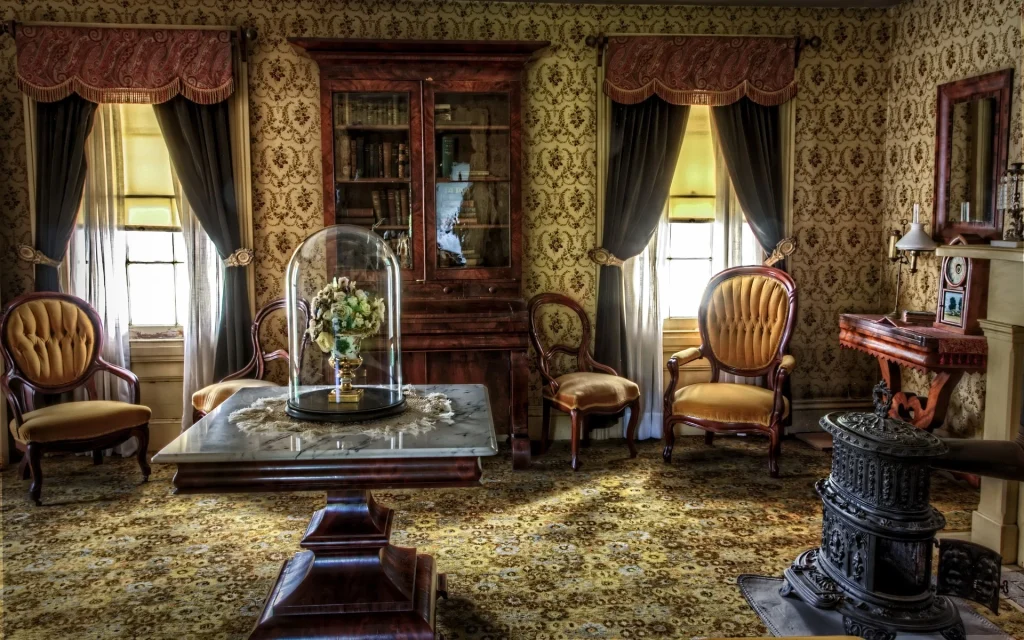
When working with an old home, one of the first steps is to carefully assess its architectural integrity.
It’s essential to maintain the character of the house while introducing modern upgrades that don’t detract from its original charm. This means preserving features like built-in cabinets, mantels, and window trim, which are often distinctive to older homes.
These elements are essential to maintaining the authenticity of a historical home.
At the same time, thoughtful updates such as new light fixtures, a fresh color palette, and contemporary furnishings can complement these existing features.
The goal is really to curate a space where old and new blend seamlessly, respecting the home’s history while enhancing its livability. A job of an architect, wouldn’t you say so?
Preserving Original Architecture
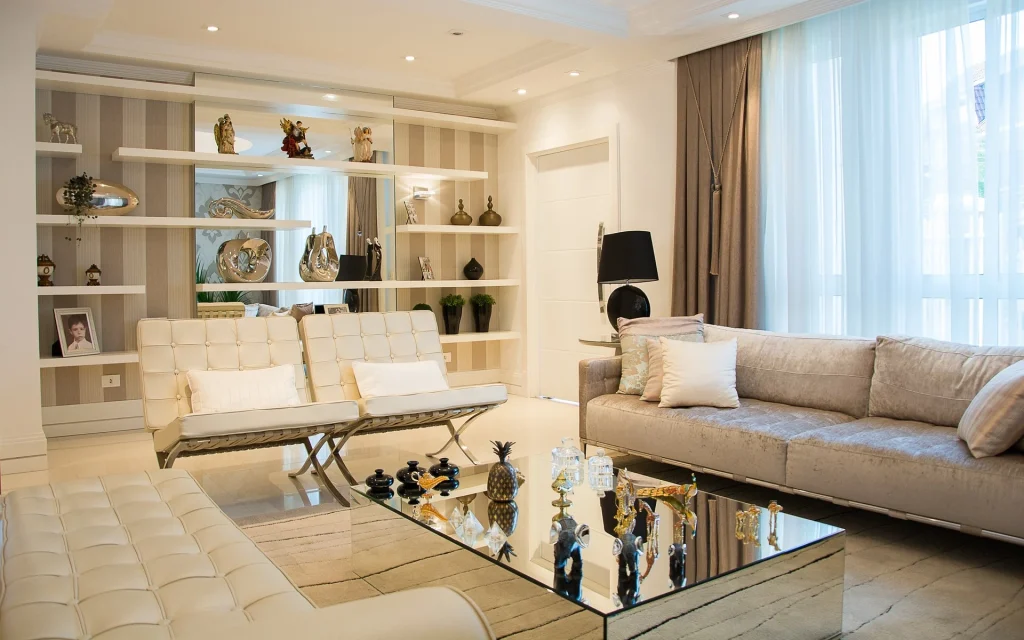
For any homeowner tackling a renovation and working toward and awesome home tour for future guest, preserving the original architecture of the home is a priority.
Older homes often come with intricate details that modern construction lacks, such as hand-carved woodwork, original plaster walls, and vintage sconces. These details, while sometimes in need of repair, offer an unmatched level of craftsmanship that adds to the home’s unique appeal.
For example, hardwood floors found in many historic homes are often worth restoring. Sanding and refinishing these floors can breathe new life into the space without sacrificing its historical essence.
Similarly, preserving original cabinetry or mantels not only respects the home’s history but also provides a focal point for modern interior updates.
We’re all about keeping the history alive, and our remodel page is a testament for that!
The Importance of Natural Materials
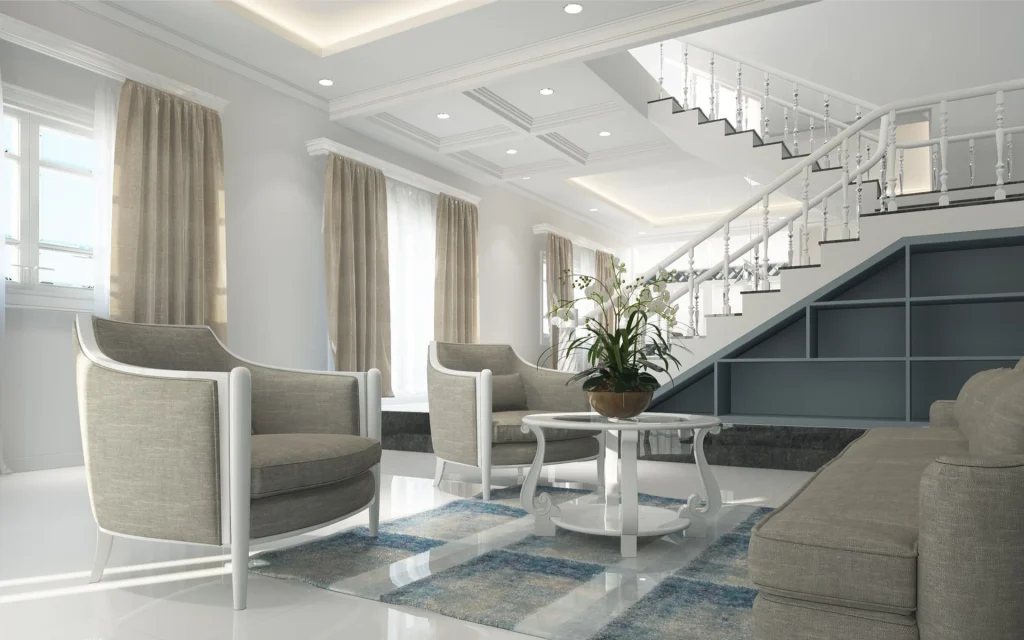
Using natural materials like stone, wood, and plaster in a renovation can enhance the connection between the home’s past and present.
Natural materials often feel timeless, making them ideal for creating a cohesive look in an old house. Hardwood floors, venetian plaster walls, and stone countertops can enhance the authentic feel of the home while adding durability and warmth.
Maximizing natural light in every room is another way to showcase the home’s architectural beauty.
Whether through restoring original glass windows or adding new french doors, natural light can bring out the intricate details in the woodwork and finishes that make older homes special.
Blending Vintage and Modern Design

While it’s important to preserve the historical integrity of an old home, modern elements are necessary to make the space functional for today’s lifestyle. This is where the careful blend of vintage pieces and contemporary design comes into play. Mid-century modern furniture, for instance, pairs well with older architecture, offering sleek lines that contrast with the intricate details of a craftsman home or the bold shapes of art deco design.
Modern tile, updated fixtures, and practical elements like open shelving can enhance the functionality of the home without detracting from its charm. These design choices are essential for creating spaces that are beautiful and practical, allowing the homeowner to enjoy both form and function.
Incorporating Modern Design into Historic Homes
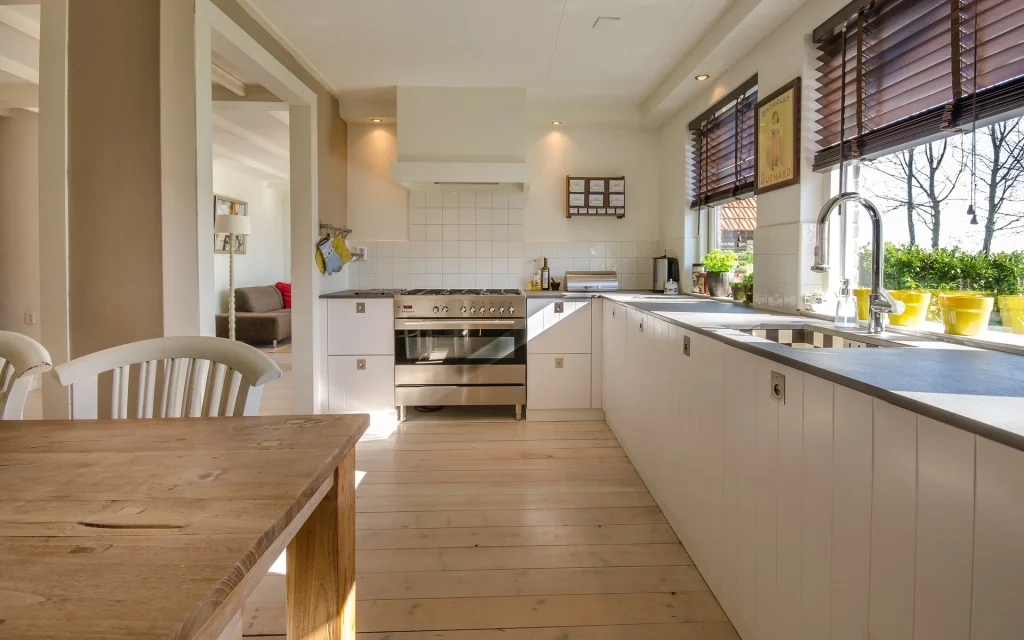
Renovating a historical home doesn’t mean you have to forgo modern conveniences.
Smart design choices allow for the incorporation of contemporary comforts without overwhelming the original architecture. For example, modern color palettes can refresh the space while still working with the home’s existing features, like crown molding or plaster walls.
Modern living requires homes to be more open and functional, but this doesn’t mean tearing down walls in an old home. Instead, consider creative solutions like adding built-ins for storage or updating the layout of the kitchen to improve flow.
Modern updates like these allow the home to function for a family’s needs while still preserving its historical beauty.
We’re the masters of incorporating the modern into the historical. Want more info? Just look at our interior design page for inspiration, and let’s talk!
Thoughtful Restoration for Every Room
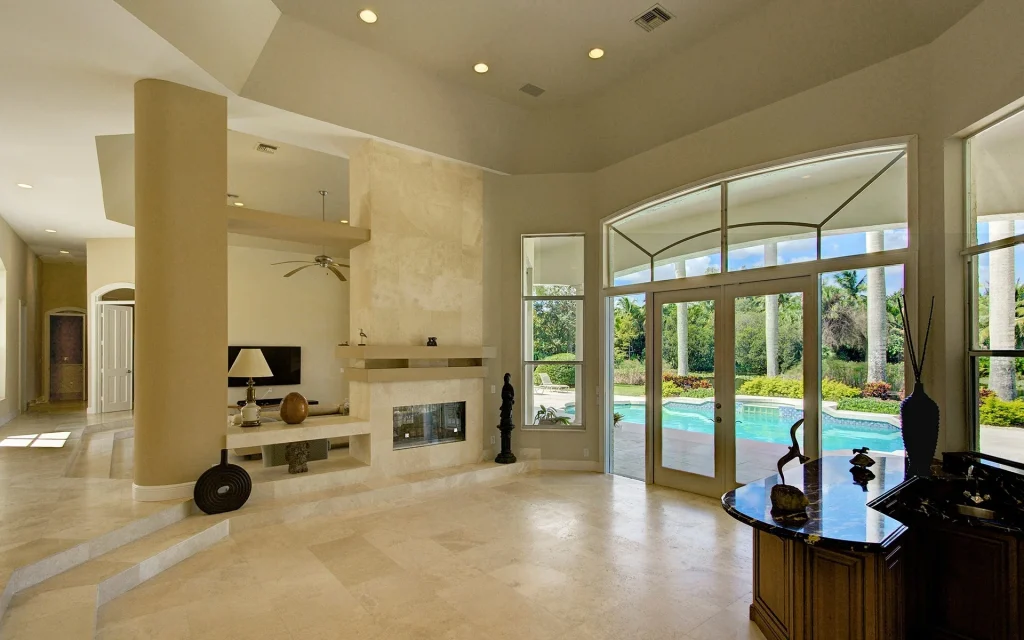
One of the biggest challenges in renovating an old home is updating it without losing its historical identity.
This requires a deep understanding of the home’s structure and design, as well as a clear vision for how to enhance its strengths. Each room should be approached with care, ensuring that the design choices reflect both the character of the house and the homeowner’s modern preferences.
Restoring original details, such as hand-carved trim, original cabinetry, or intricate window trim, is essential to maintaining the home’s unique personality. At the same time, adding contemporary touches like modern chandeliers or sleek wallpaper can bring the space into 2024 without sacrificing its timeless appeal.
Balancing Function and Aesthetic
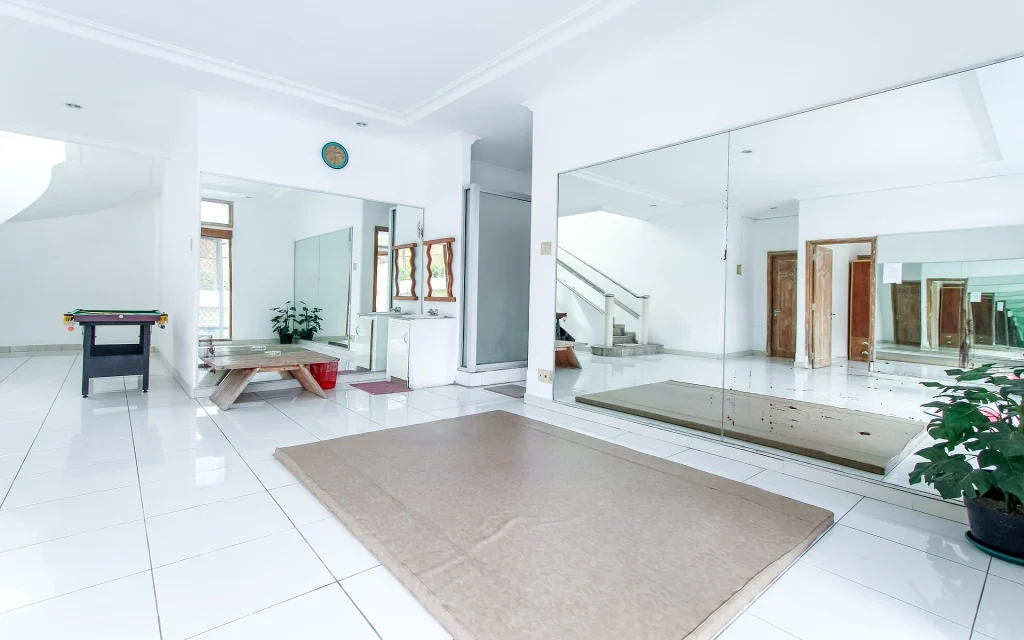
While many older homes come with charming details, it’s also important to make them functional for modern families.
Kitchens, bathrooms, and living spaces often require the most attention during renovations, as they are the areas that need to be adapted for modern life. However, these updates should never come at the cost of the home’s historical elements.
In many renovations, older homes are redesigned to incorporate modern conveniences like open floor plans or energy-efficient windows. However, thoughtful design ensures that these changes don’t erase the home’s history. Instead, they enhance it, allowing the homeowner to enjoy the best of both worlds.
Ready to start? Reach out now, and let us be your helping hand in renovating your dream space!
Inspiration from Architectural Icons
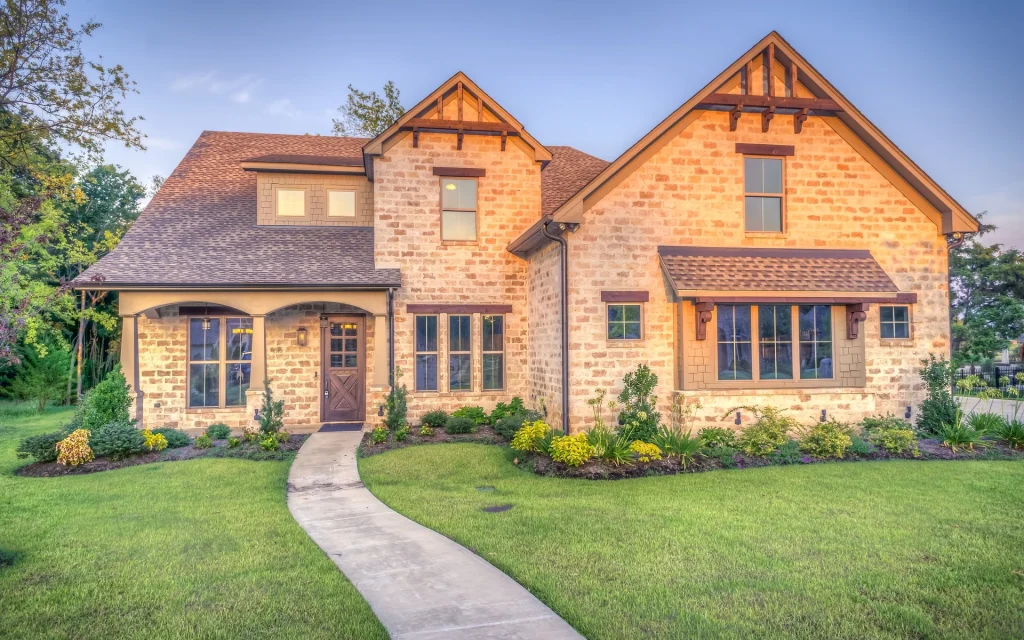
For many homeowners, inspiration for their renovations comes from architectural icons like Frank Lloyd Wright, whose philosophy of harmony between nature and design remains influential.
By incorporating natural materials, open spaces, and clean lines, homeowners can create modern spaces that still honor the past.
Similarly, styles like art deco and mid-century modern offer a wealth of inspiration for those looking to blend history with contemporary design.
Whether it’s through the use of bold geometric shapes, luxurious materials, or intricate detailing, these styles can be woven into the fabric of a historic home in a way that feels both fresh and timeless.
Final Comments on A Harmonious Blend of Old and New
Renovating an old house requires patience, creativity, and a respect for history – after all, it’s all about making everything vintage yet modern.
It’s about understanding what makes a home right and unique, and finding ways to enhance those qualities while updating the space for modern use. By combining the best of old and new, homeowners can create timeless spaces that honor the past in their mid-century home while embracing the future at the same time.
So, whether you’re restoring an art deco mansion or a craftsman bungalow, the key is in the details—preserving what’s special about the home while making it work for today.The result is a home that feels both lived-in and new, a true delicate balance of history and innovation. And what better way to kick of your new indoor-outdoor project than contacting Design on a Dime? Reach out now!