
Bathtub to Shower Conversion: Key Steps, Costs & Expert Tips
Ever thought about a bathtub to shower conversion?
Maybe that old tub of yours is just taking up space, or stepping over the edge feels more like a chore these days. In any case, swapping it out for a sleek, modern shower could open up your bathroom and make it feel fresh, roomy, and way more convenient.
But before you grab a sledgehammer, let’s talk about what goes into this kind of transformation. What’s the process like? How much will it cost? And is it really worth it?
Stick around, sugar, and we’ll walk you through what you need to know, so you can decide if a shower upgrade is the right move for your home.
Benefits of a Bathtub-to-Shower Conversion
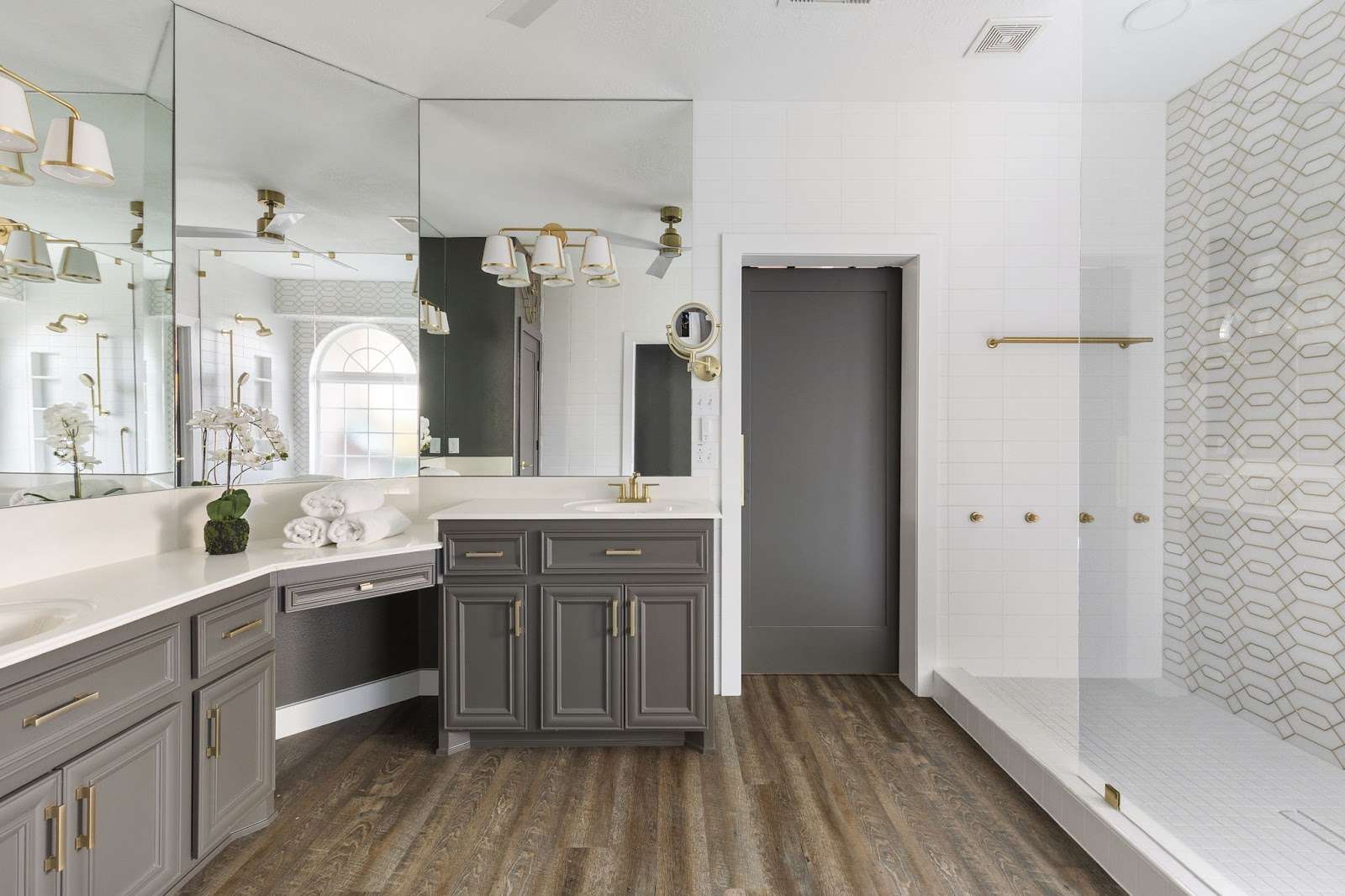
Okay, darling, let’s talk showers—and, more specifically, why you should even consider getting a bathtub-to-shower conversion.
Here’s the thing:
Swapping out that old tub for a modern shower isn’t just about looks—it’s about making your life easier, cleaner, and just plain better.
First off, accessibility. No more stepping over a high tub wall—just glide right in, whether you’re chasing a wiggly toddler, helping Grandma, or simply giving your knees a little break.
A shower—especially a curbless one—keeps things smooth and safer for everyone. It is a small change that makes a huge difference in everyday convenience.
Then there’s the cleaning factor—fewer nooks, less grime, and way less scrubbing every week. A quick rinse-down is all it takes to keep things fresh, giving you more time for things you actually enjoy. And let’s be real, who wouldn’t love that?
Let’s not forget the style upgrade. A shower instantly makes your bathroom feel bigger, brighter, and more like one of those fancy spa retreats.
Clean lines, open space, and pure relaxation? Yes, please!
Oh, and cost-wise? You might be surprised—converting your bathtub to a shower could save you money in the long run. Sometimes less is, indeed, more!
Plus, a well-done shower conversion might even add value to your home if you’re thinking about resale down the road. In fact, 58% of homeowners prefer walk-in showers over tubs!
Tub-to-Shower Transformation: What Does the Process Look Like?

Before you dive headfirst into transforming that old tub into a sleek new shower, it helps to know what you’re getting into. Think of this as your treasure map to bathroom bliss!
First up, you’ll have to check the existing plumbing, because if the pipes aren’t right, neither is the shower. Then, you should set a budget (trust me, surprise costs are about as welcome as a Monday morning).
Once that’s settled, you can go ahead and pick a shower design—don’t worry, hun, we’ll help with that, too—and make sure everything’s up to code.
Demo day? That’s when the real fun starts—out with the old, as they say.
Don’t forget to shut off the water first, though!
Then come plumbing adjustments and waterproofing—because who wants leaks in a freshly renovated bathroom? Finally, install those gorgeous tiles and fixtures.
And just like that, your new shower is ready for its debut!
Want to make it even better? Grab bars and bench seating add safety and value.
Here’s a quick rundown:
| Step | Details |
| Evaluate Plumbing | Check drain size, water supply lines |
| Set Budget | Plan for $1,500–$8,000 |
| Choose Design | Curbed or curbless? Decisions, decisions! |
| Structural Work | Demolition, waterproof, and rebuild |
| Finish & Inspect | Install tiles, fixtures, final checks |
Remember—proper planning is key for a successful conversion, preventing future issues.
Price Tag Preview: What You Can Expect to Pay for Your Shower Conversion
Alright, now that you’ve got the steps down like a pro, let’s chat about what’s going to make your wallet sing (or cry) during your tub-to-shower adventure—the costs.
If you’re looking for a budget-friendly option, a prefabricated shower will run you from $1,000 to $3,000—simple, stylish, and easy on the pockets.
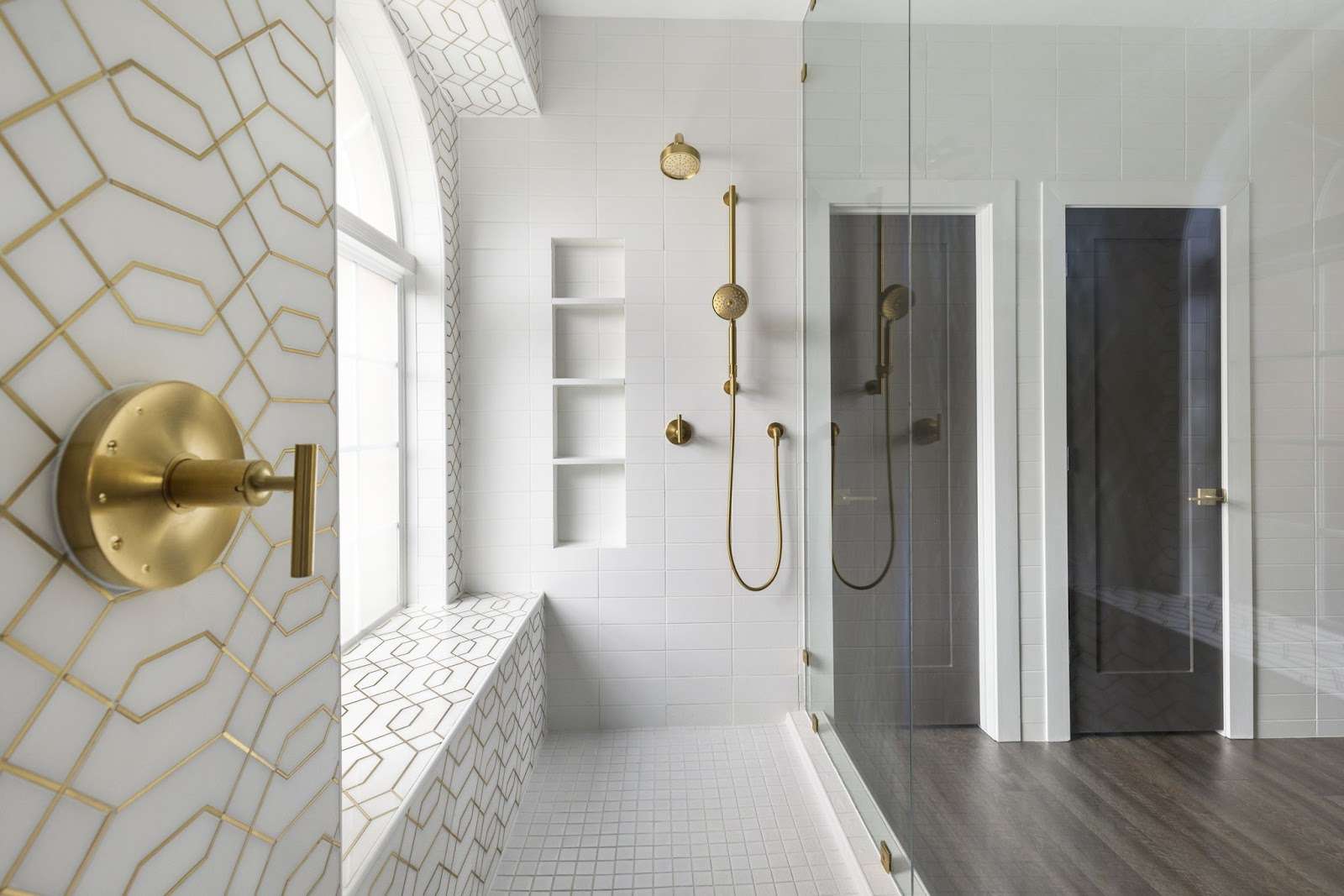
Want something a little fancier? A corner shower can set you back $1,500–$4,000. But if you’re dreaming of luxury, a walk-in shower starts around $2,000, with those high-end beauties going up to $15,000—ooh la la!
And honey, materials matter, too. Ceramic tiles? They could be a steal at $0.50—or a splurge at $17 per square foot. Want cultured marble? Well, in that case, you’re looking at $10 to $35 per square foot.
Every choice you make—style, size, materials—affects your final cost.
The choice of shower type affects the overall costs, influencing both the design and functionality of your new bathroom space. On average, a bathtub-to-shower conversion lands around $3,100 nationwide—just a reference point for homeowners.
Prefabricated showers are budget-friendly at $1,000–$3,000, while walk-in versions can reach a hefty $15,000!
Keep in mind that labor often eats up 40–60% of your budget. And let’s not forget those sneaky unexpected repairs, which can run anywhere from $300 to $2,400.
So, keep a little “cushion” in that budget—you never know what’s hiding behind those bathroom walls!
Ready to get started? We’ll help you bring your vision to life with a custom bathroom remodel designed to fit your needs and budget.
Plan Like a Pro: Tips for Designing Your Perfect Shower
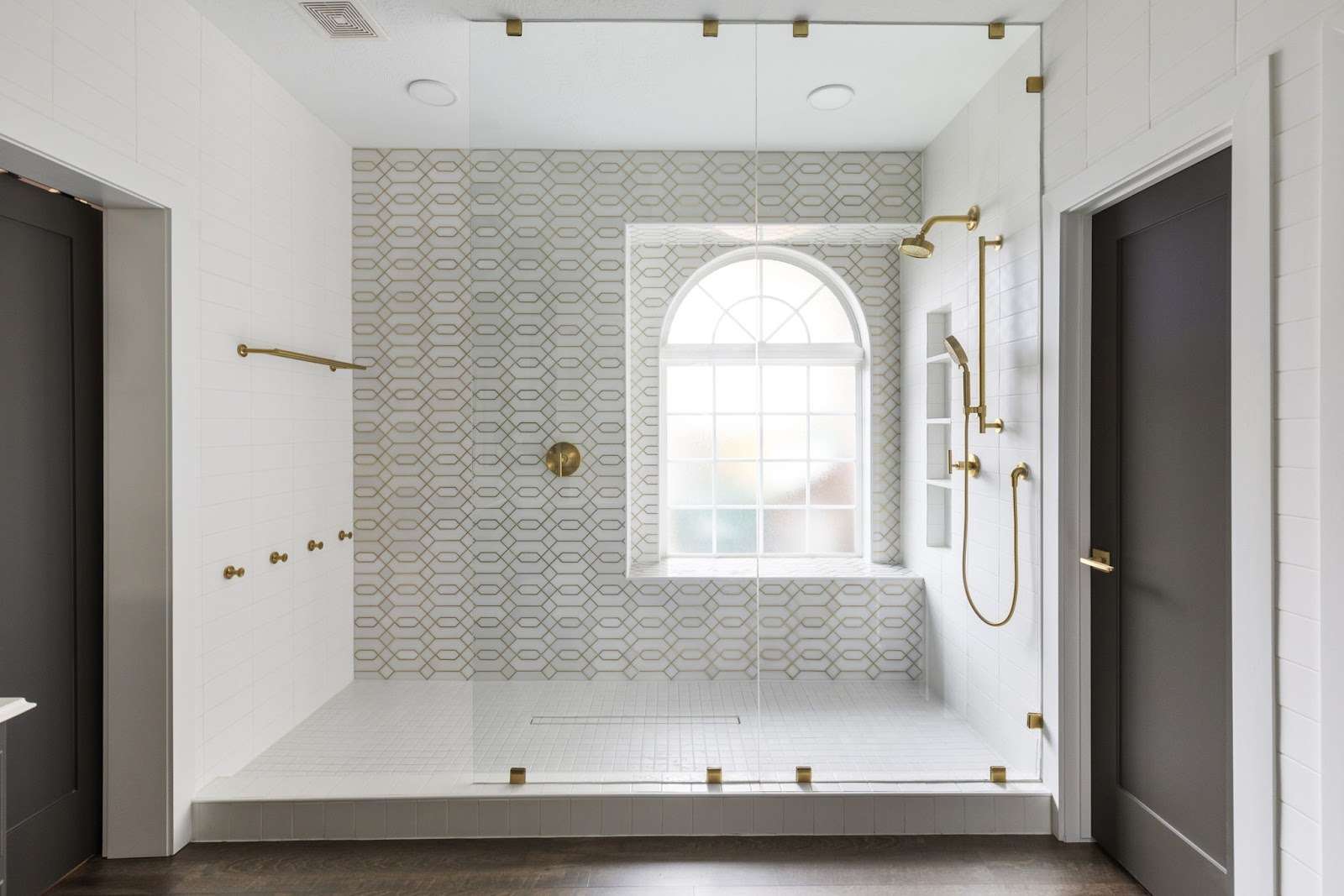
When you’re swapping that old tub for a sleek new shower, it’s a bit like planning a mini home adventure—and you want it to be smooth, stylish, and stress-free, right?
First things first, think about what you need from your new shower:
Are you going for a spa-like retreat? A no-fuss, easy-to-clean setup? Something accessible and safe for the whole family?
Your design should fit you—not the other way around.
Here’s a quick checklist to get you started—and keep you on track:
- Measure Everything: Know the space you’re working with, from wall to wall and floor to ceiling. Remember, the standard tub width is typically 60 inches; ensure the new shower design accommodates this dimension. Also, be sure to consider any windows above the tub area that could impact your design choices.
- Set a Budget: Decide how much you’re willing to spend and stick to it—even if you fall in love with that fancy tile.
- Material Choices: Durable, slip-resistant surfaces are a must for safety. Plus, investing in high-quality materials can extend the life of your shower—they’re designed to handle wear and tear better than cheaper options.
- Professional Help: A licensed contractor will keep things up to code and save you from costly mistakes.
Remember, a shower conversion isn’t just about looks—it’s about making your bathroom work better for you.
Planning your space is key! Check out the Lake Conroe Home Reimagined for inspiration on how we maximized space and incorporated functional features to transform this home into a dream retreat.
Schedule a consultation with Design on a Dime to ensure your bathroom gets the makeover it deserves.
Improving Accessibility and Comfort in Your New Shower
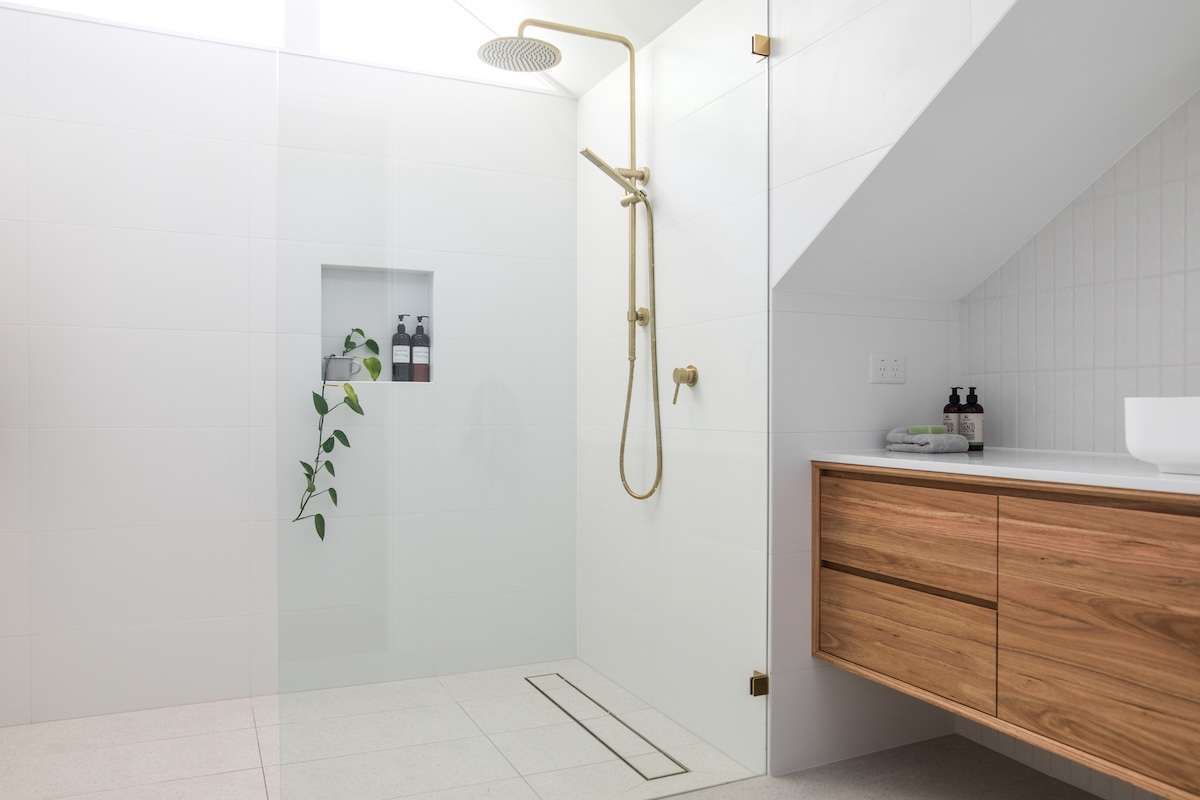
Now, let’s talk about making your shower not just beautiful, but easy to use for everyone in the household. Accessibility and comfort go hand in hand when you’re designing a bathroom that fits your lifestyle—whether you’re planning for the future, have folks with mobility challenges at home, or just need a lil’ extra convenience.
Curbless Entry
You know that awkward step-over into a traditional tub? Gone. With a curbless entry, you’ll glide right in—no tripping, no fuss. It’s a small change that makes a big impact—especially for people with mobility challenges, seniors, or anyone who wants a smoother transition into their shower.
Curbless showers offer multigenerational usability, ensuring that people of all ages and abilities can access the shower with ease.
It’s not just practical; it’s stylish, too, adding a sleek, modern vibe to your space, all while making it feel open and airy.
Plus, cleaning becomes a breeze:
No tricky ledges to trap grime—just a smooth, easy-to-maintain surface.
Ergonomic Fixtures
Let’s talk comfort, honey! Imagine showering in a space where everything’s designed with ease of use in mind— the ultimate chill zone where accessibility meets style in the most fabulous way.
With ergonomic fixtures, you can have it all—comfort, safety, functionality, and even a dash of flair.
Check out these must-haves:
- Grab Bars: Strategically place them on several walls for support and style. Go for stylish stainless steel or zinc alloy finishes. Remember—grab bars have to be installed in easily reachable locations to ensure maximum safety.
- Shower Seats: Think about adding a fold-up seat that saves space but still offers steady comfort when you need it. The folding seat should ideally be positioned at a height of 19 inches from the floor, as this makes it more accessible for users with mobility issues.
- Handheld Showerheads: Opt for ones with ergonomic grips and long hoses, perfect for seated use.
- Motion Sensor Faucets: Single-lever faucets are great, but with these, you get to enjoy the magic of touchless operation, while keeping things clean and sleek.
Space Optimization
So, you’re ready to transform that cramped bathroom into a spacious oasis? The good news is, you don’t need a mansion to create a spacious feeling—and we’re here to make sure it’s just as fabulous as it is functional.
Use these tips to maximize every inch of your bathroom:
- Walk-In Showers: Eliminate the bulky tub walls and opt for an open, free-flowing design. Got a tight space? Skip the doors or go for glass blocks—they’ll keep things airy. Walk-in showers also eliminate barriers, enhancing the open aesthetic of the space.
- Built-In Storage: Say goodbye to clutter with built-in niches or corner shelves that keep your shampoo, soaps, and sponges right where you need ‘em. Consider adding vertical space solutions—such as over-the-door organizers—to maximize every inch.
- Non-Slip Flooring: Safety first! Non-slip tiles and slip-resistant coatings ensure you are always on solid ground, keeping things safe and stylish.
By incorporating these accessible and thoughtful features, you’ll have a shower that’s not only a pleasure to use, but also a space that’s safer and more comfortable for everyone.
Accessibility should always be a priority in your remodel. Learn how Design on a Dime can help you design a bathroom that’s safe and stylish with our expert bathroom remodeling services.
Essential Tips to Maintain Your New Shower for Years
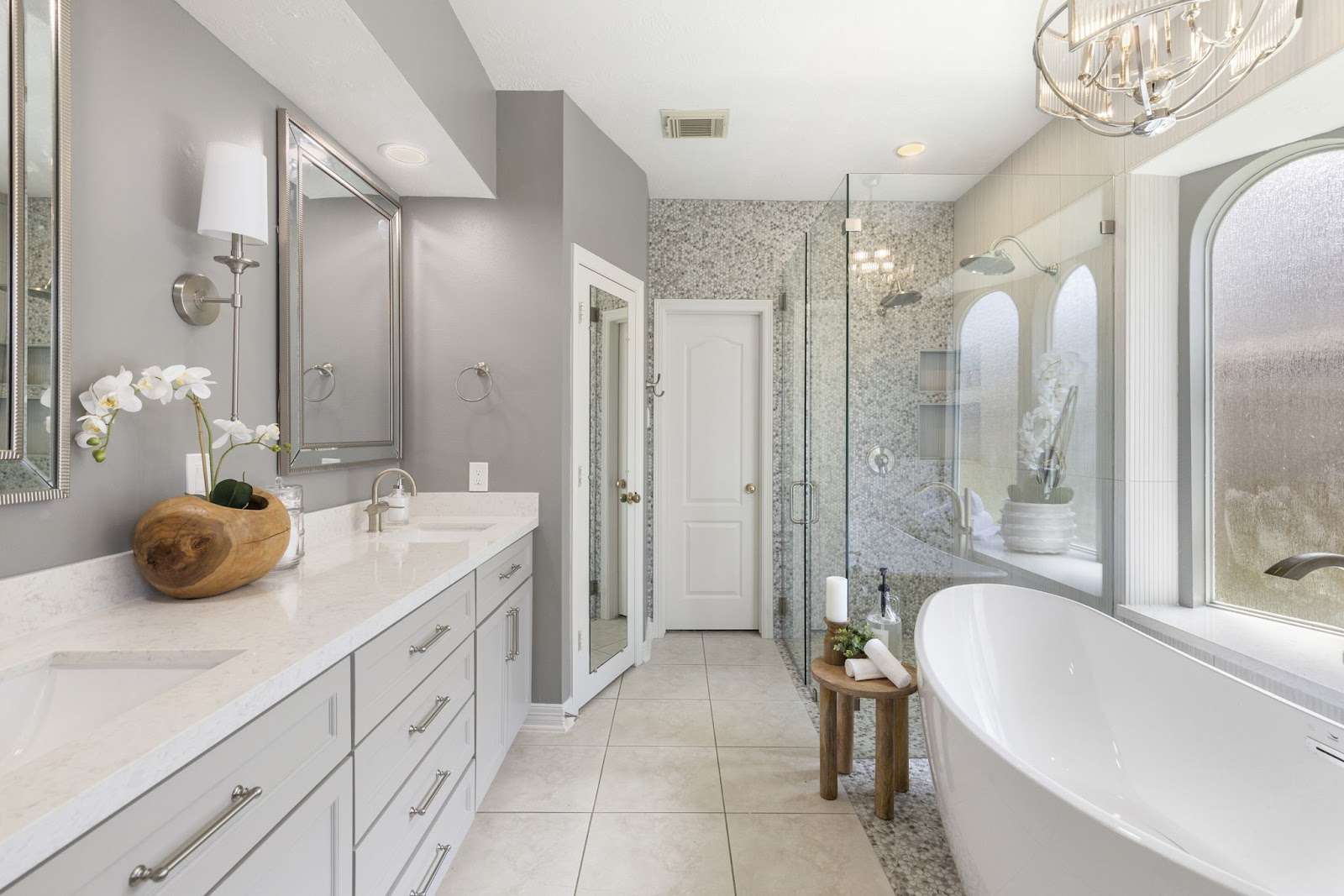
Alright, hun, now that you’ve got that gorgeous new shower, let’s make sure it stays looking fab and working like a dream! A little love and care go a long way when it comes to keeping things fresh, clean, and problem-free.
Remember:
Regular cleaning prevents mold and mildew, contributing to a longer lifespan for your shower.
Waterproofing Inspections: Your Shower’s Best Friend
You’ll want to make waterproofing inspections a regular habit. It’ll help you catch any leaks or cracks before they become a soggy nightmare.
Think of waterproofing inspections like a spa day for your shower, keeping everything sealed up tighter than a pickle jar!
- Check for mold or mildew – Sneaky little things love hiding behind tiles and in corners. Don’t let ‘em!
- Inspect sealants – Give the sealants a once-over. If they’re peeling or cracking, it’s time for a refresh.
- Check the grout for signs of wear – Don’t forget to give some love to your grout while you’re at it. Worn-out grout can let water seep where it shouldn’t.
- Monitor your drain – Slow drainage? That’s your cue to investigate before things get messy. A little care keeps the gunk away—and guarantees everything flows smoothly.
And don’t forget—proper installation is key. Cutting corners during the conversion process can lead to leaks, code violations, and even home insurance issues.
So, stay ahead of the game with regular inspections!
A Quick Word on Grout and Drain Care
Ever noticed how grout in your shower is a bit like that one friend who needs constant attention? Sure, it’s always begging for a lil’ TLC—but treat it right, and it’ll keep your shower looking fresh!
Use sanded grout to prevent cracks, scrub those lines down with a pH-balanced cleaner, and seal it every so often to ward off stains and mold.
Now, let’s talk drains.
If your bathtub to shower conversion involved an upgrade from 1-1/2-inch pipes to 2-inch pipes, as it often does, that’s great for drainage—but only if you keep it clear!
Think of it like the bouncer at a club—keeping the bad stuff out, so everything flows smoothly.
- Use a drain screen – Stops hair and soap scum from causing trouble.
- Apply a touch of silicone sealant – Keeps leaks and odors at bay.
- Flush it regularly – A little hot water rinse now and then keeps things flowing.
With just a bit of routine care, your shower will stay in top shape for years to come—no stress, no mess, just pure relaxation every time you step in.
Frequently Asked Questions
How long does a bathtub-to-shower conversion take?
Typically, the conversion can take anywhere from 3 to 7 days, depending on the complexity of the project and whether you’re adding custom features or updating plumbing.
How can I make my new shower more eco-friendly?
Opt for water-saving fixtures like low-flow showerheads and faucets, and consider installing a tankless water heater to reduce energy consumption.
Are there any permits required for a bathtub-to-shower conversion?
It depends on local regulations. Generally, plumbing and electrical work will require permits in Texas. It’s always a good idea to check with a licensed contractor to ensure everything’s up to code.
Can I install a shower myself, or should I hire a professional?
While DIY shower conversions are possible for some homeowners, a professional contractor is recommended for plumbing, waterproofing, and ensuring everything meets building codes. That helps avoid costly issues down the line.
What’s the difference between a prefabricated shower and a custom one?
Prefabricated showers are pre-made and easier to install—typically at a lower cost. Custom showers, however, offer more flexibility in design, materials, and size but tend to cost more and require a longer installation process.
Ready to Make the Switch?
Converting your bathtub into a sleek, curbless shower can truly transform your bathroom into a space that’s not only visually stunning but also safer and more functional for everyday use.
Whether you’re aiming for a more modern look, improving accessibility, or simply upgrading your bathroom to suit your needs, a shower conversion is an investment that pays off. This isn’t just a cosmetic change; it’s about maximizing your bathroom’s potential and making sure it meets your style and needs.
Design on a Dime is here to help you turn that dream shower into a reality. With our expertise and passion for creating beautiful spaces, we’ll guide you through every step—from design to installation.
If you’re ready to explore your options, let’s talk! Schedule a consultation with us today and start your journey to a more functional and fabulous bathroom.