
Laminate vs. Vinyl Flooring: Which Flooring Option Fits Your Lifestyle
In modern home design, laminate and vinyl flooring have emerged as two of the most popular choices for homeowners looking to combine style with affordability.
Both options offer a wide range of designs that can mimic the look of natural materials like hardwood and stone — making them attractive alternatives to traditional flooring.
With their durability and ease of maintenance, laminate and vinyl flooring are both stylish solutions for any space.
What Is Laminate Flooring?
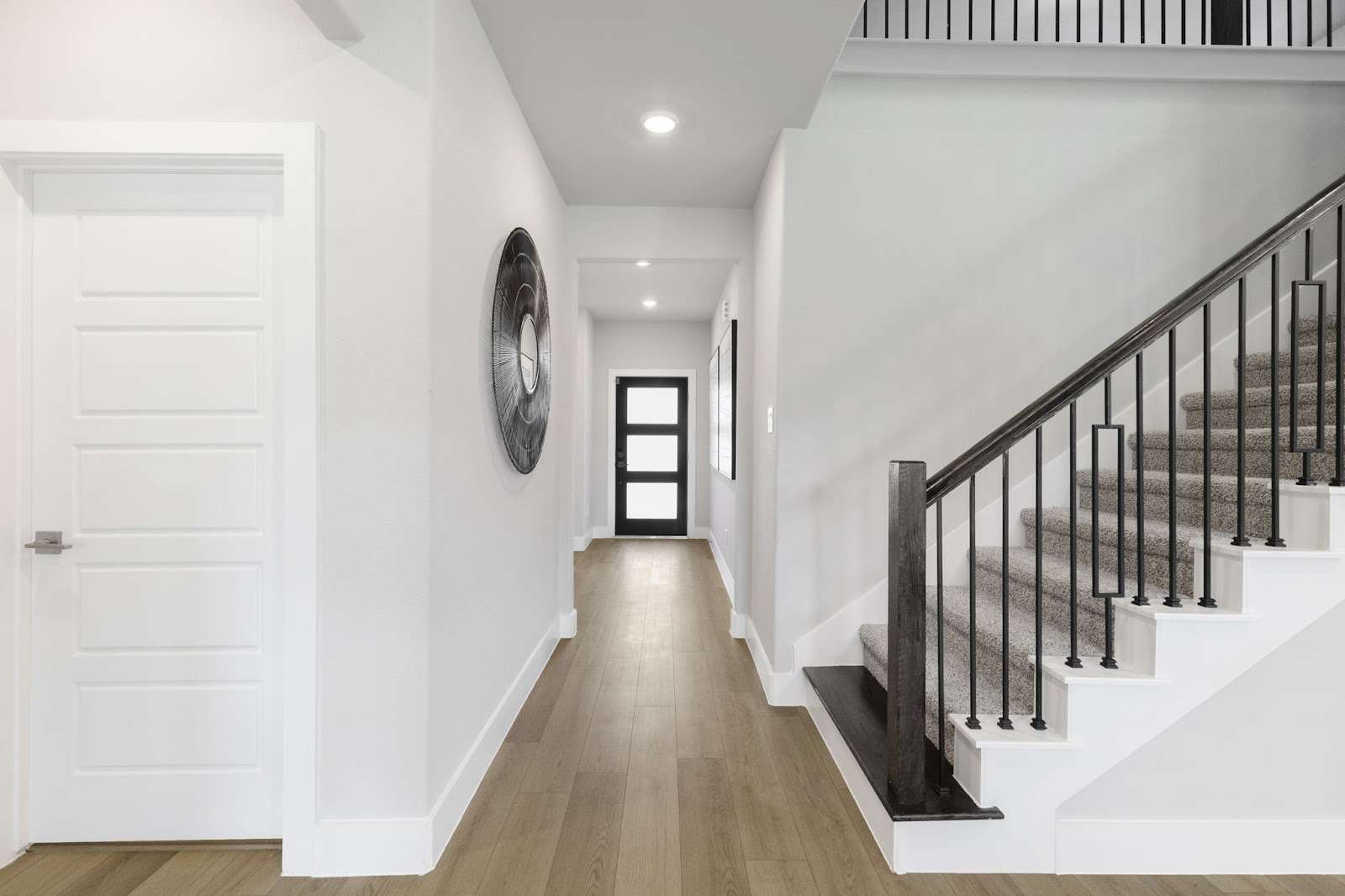
Laminate flooring is a multi-layered product designed to replicate the appearance of natural wood or stone.
It typically consists of a high-density fiberboard (HDF) core — a photographic layer mimicking the desired look, and a protective wear layer.
This construction allows laminate to be both durable and visually appealing, making it a popular choice for various applications, from residential living rooms to commercial spaces.
One of the standout features of laminate flooring is its design versatility; it comes in an array of colors and textures, which allows homeowners to achieve the aesthetic they desire.
What Is Vinyl Flooring?
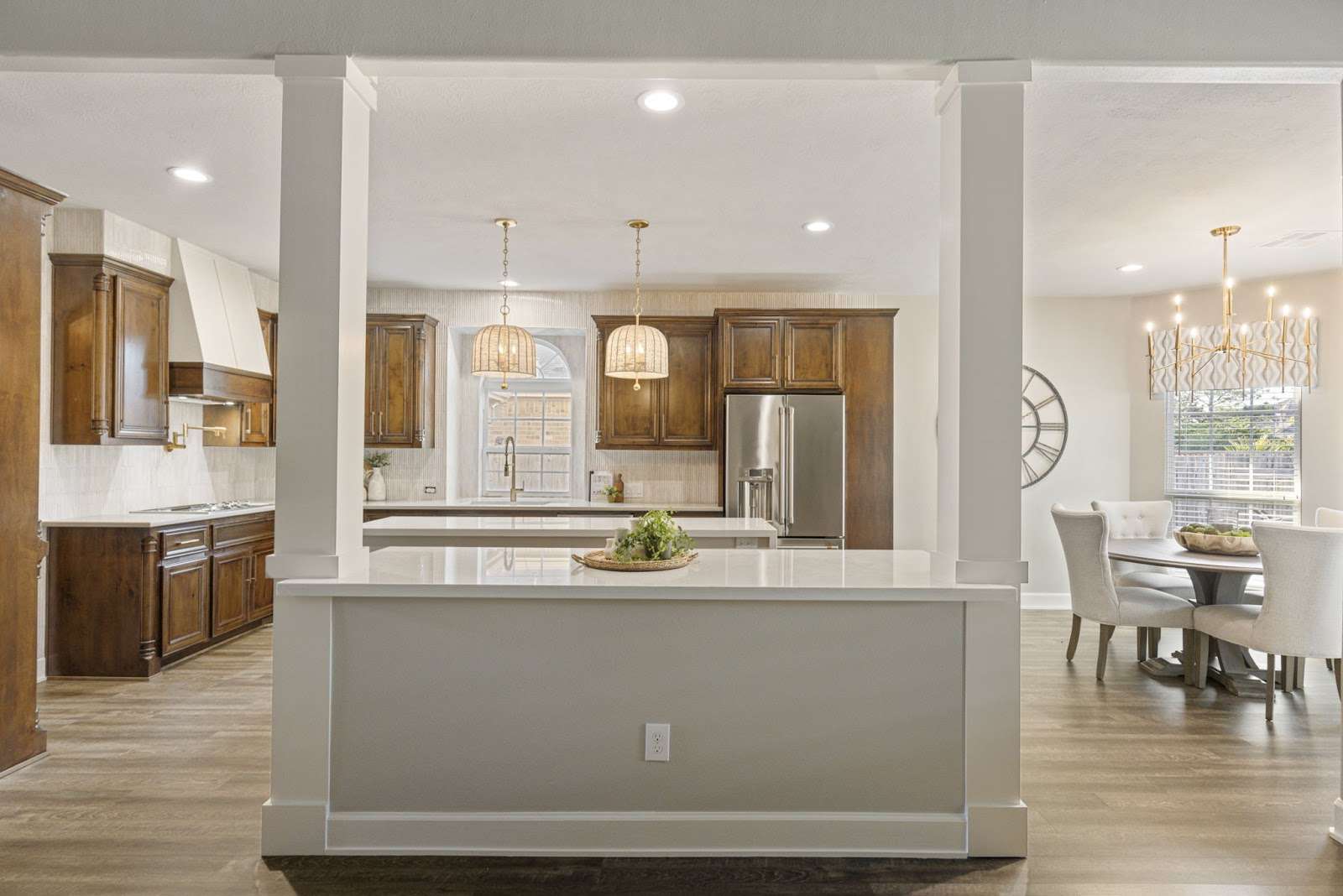
Vinyl flooring is a synthetic product made primarily from polyvinyl chloride (PVC) and other additives.
It comes in several forms: sheet vinyl, vinyl tiles, and luxury vinyl planks (LVP).
Each type offers unique benefits, including exceptional water resistance and durability. Vinyl flooring is particularly known for its ability to withstand heavy foot traffic while maintaining its appearance over time.
The variety of styles available means that homeowners can find options that closely resemble natural materials, providing both functionality and aesthetic appeal.
Cost Comparison: Which Offers Better Value?
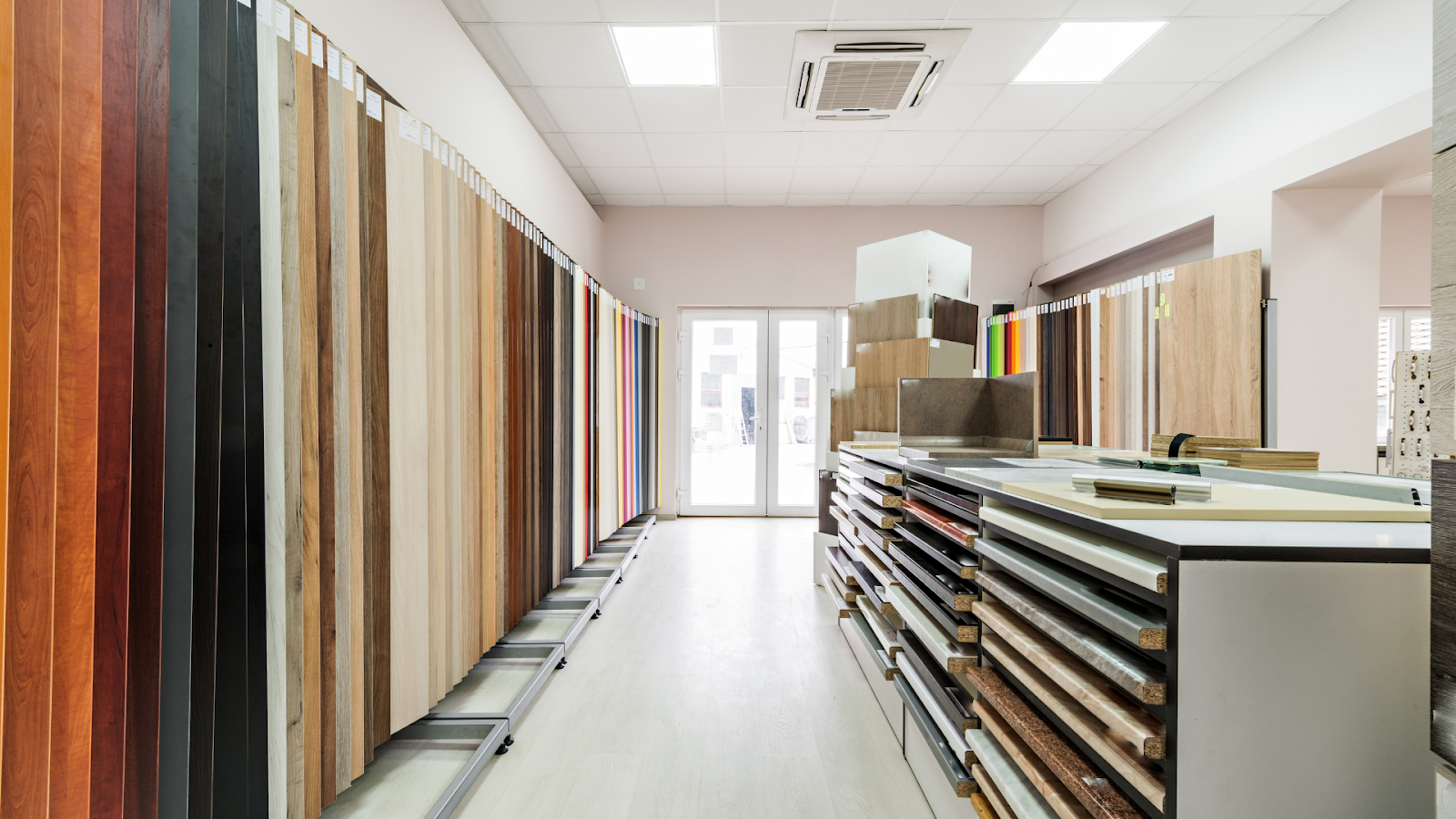
When considering laminate vs. vinyl flooring, cost is often a significant factor.
On average, laminate flooring ranges from $1 to $6 per square foot, with installation costs between $3 and $13 per square foot.
Vinyl flooring typically costs between $1 to $10 per square foot — with installation running an additional $3 to $10 per square foot.
Here’s the information presented in a handy table:
| Material | Laminate | Vinyl |
| Cost (square foot) | $1 – $6 | $1 – $10 |
| Installation (square foot) | $3 – $13 | $3 – $10 |
While both options are more affordable than traditional hardwood or stone floors, vinyl tends to be slightly more expensive upfront due to its superior water resistance and durability.
In Texas, the cost of vinyl flooring installation typically ranges from $2.50 to $13 per square foot, which aligns closely with the national average that ranges from $1 to $14 per square foot for various vinyl options.
The average cost for homeowners in Texas is about $2,568 for a complete installation, similar to the national average of $2,567.
This suggests that while prices may vary slightly based on local labor rates and material choices, Texas residents can expect costs comparable to those found across the country.
For budget-conscious homeowners looking for stylish solutions, vinyl may offer better long-term value due to its longevity in moisture-prone areas.
However, if you’re looking for an economical option for low-traffic areas or spaces with minimal moisture exposure, laminate can be a great choice.
Here at Design On A Dime Interiors, we’ve worked on some exceptional flooring makeovers, and installed some beautiful vinyl, laminate, and hardwood floors in Conroe, Katy, and Willis. If you want your floors done perfectly, don’t hesitate – reach out now!
Durability and Longevity: Which Lasts Longer?
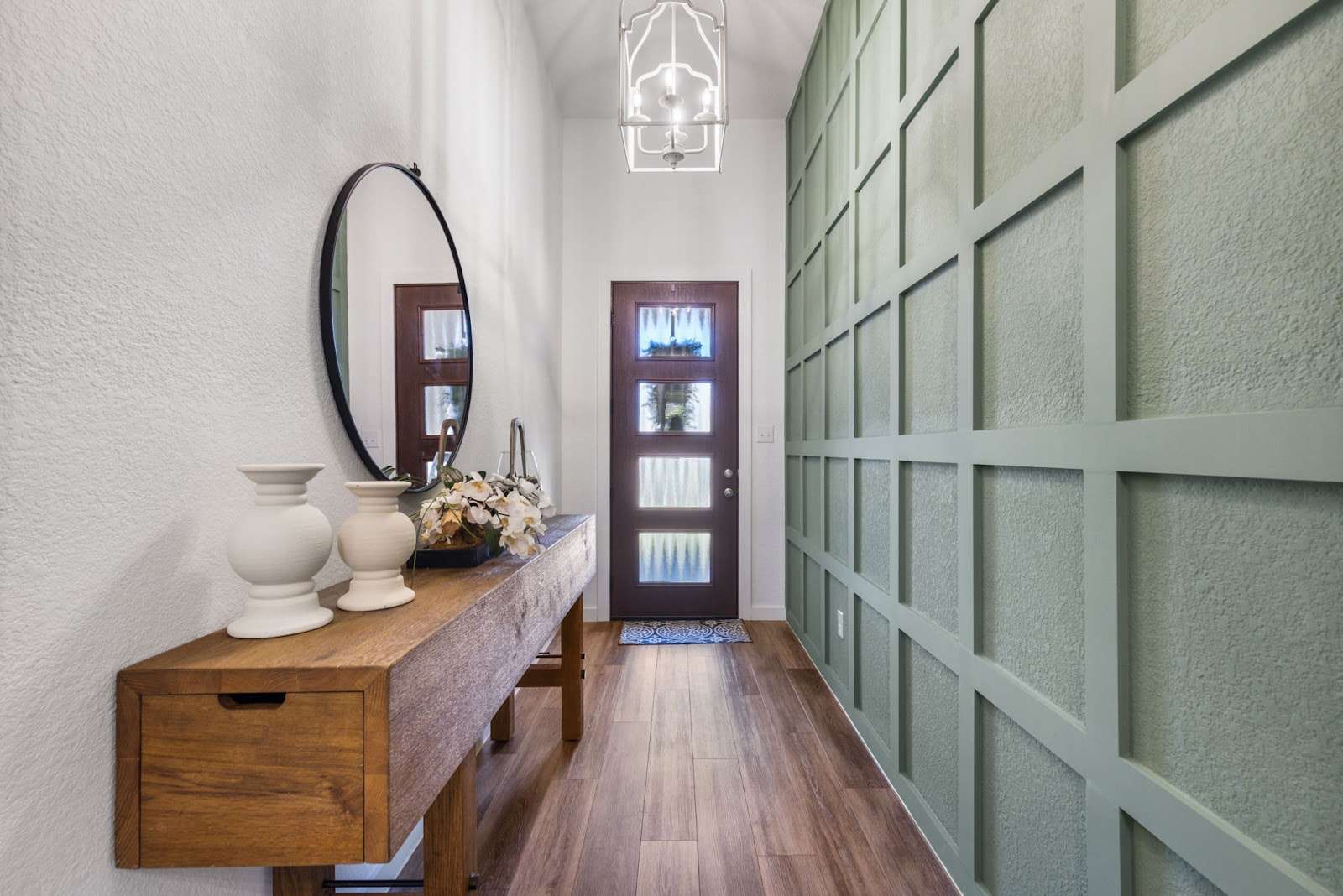
Durability is a crucial aspect when choosing between laminate and vinyl flooring.
Generally speaking, both types can withstand considerable wear and tear; however, they excel in different areas.
Laminate flooring has a lifespan of approximately 15 to 25 years when properly maintained.
It is resistant to scratches but can be susceptible to water damage if exposed to moisture over time.
On the other hand, vinyl flooring is known for its impressive longevity in wet environments. High-quality vinyl can last up to 20 years or more.
Its inherent water resistance makes it ideal for kitchens and bathrooms where spills are common. Therefore, while both options are durable, vinyl flooring often outperforms laminate in moisture-prone areas.
Ready to take your home from drab to fab?
No ifs, ands, or floor-buts!
Water Resistance and Moisture Handling
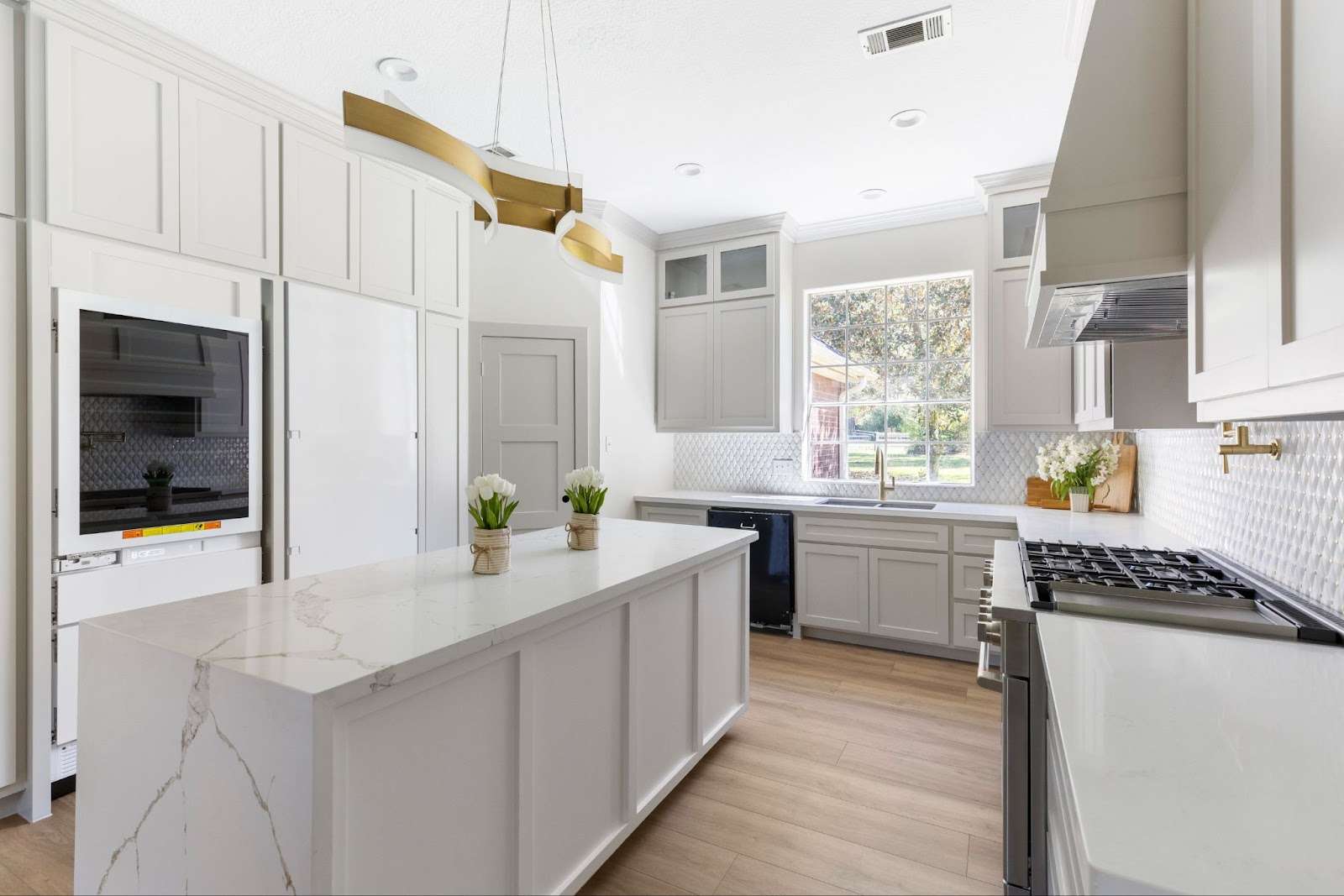
Water resistance is one of the most significant differences between laminate and vinyl flooring.
Vinyl is inherently waterproof due to its synthetic composition — making it suitable for high-moisture areas like bathrooms, kitchens, and basements.
Its seamless installation options further enhance its ability to prevent water seepage.
In contrast, laminate flooring is not waterproof; it can warp or swell when exposed to excessive moisture.
While some brands offer water-resistant laminate options, they still fall short compared to vinyl’s capabilities. For homeowners in humid climates or those prone to spills, vinyl flooring emerges as the clear winner.
Transform your floors with style!
Reach out today for a free flooring consultation and let us help you step into elegance!
Ease of Installation
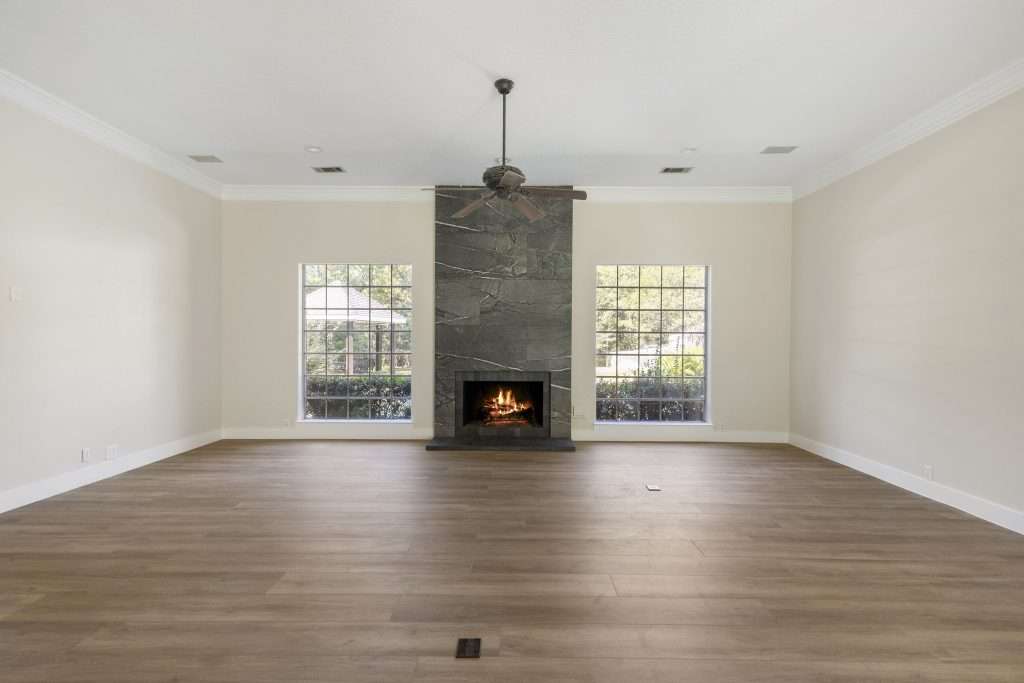
Both laminate and vinyl flooring are designed with DIY enthusiasts in mind.
Laminate typically features a click-lock installation system that allows planks to snap together without glue or nails. However, proper subfloor preparation is essential for a successful installation.
Vinyl offers even more flexibility with various installation methods such as peel-and-stick, click-lock, or loose-lay options.
This versatility allows homeowners to install vinyl over existing floors without extensive preparation.
For those looking for a straightforward DIY project or professional installation options that keep costs down, both types provide user-friendly solutions.
Comfort and Soundproofing
When it comes to comfort underfoot and soundproofing capabilities, laminate flooring generally has an advantage due to its thicker construction.
According to a source from Texas Floor & Home, thicker laminate planks can absorb sound more effectively — providing a more comfortable experience compared to thinner options.
Additionally, advancements in acoustic underlayments have further enhanced the sound-dampening properties of laminate flooring — making it a suitable choice for various residential applications
This thickness provides a warmer feel compared to vinyl’s harder surface. Additionally, laminate can help reduce noise levels within the home.
Vinyl flooring tends to be less cushioned but offers sound-dampening qualities depending on its thickness. While it may not provide the same warmth as laminate, many luxury vinyl products come with padded underlayment options that enhance comfort underfoot.
Ultimately, your choice may depend on personal preference regarding comfort levels.
Step up your style game with Design on a Dime Interiors!
Give us a call and watch your flooring ideas come to life—it’s time to floor your friends with your fabulous space!
Design and Aesthetic Appeal

Both laminate and vinyl flooring boast impressive design capabilities that allow them to mimic natural materials effectively.
Laminate often features deep textures that closely resemble hardwood grain patterns.
With a variety of styles available—from rustic oak to sleek modern finishes—laminate provides ample choices for any interior design scheme.
Vinyl also excels in design versatility; luxury vinyl planks can replicate wood or stone looks with remarkable realism.
Homeowners can choose from an extensive palette of colors and patterns tailored to their specific tastes. Whether you’re aiming for a classic or contemporary aesthetic, both options deliver style without compromise.
Ready to reimagine your home? At Design on a Dime Interiors, our interior design services turn your ideas into stunning realities!
Contact us today and let’s design a space you’ll fall in love with!
Eco-Friendliness: Which Is More Sustainable?
When considering eco-friendliness in laminate vs. vinyl flooring, it’s essential to examine material sourcing and recyclability.
Laminate is often made from recycled wood products combined with adhesives that may contain formaldehyde.
Some manufacturers are now producing low-VOC (volatile organic compounds) laminates that are more environmentally friendly.
Vinyl flooring has faced criticism due to its PVC content; however, advancements in manufacturing have led some brands to produce phthalate-free options.
While neither option is entirely biodegradable or recyclable at this time, many companies are working towards more sustainable practices in production.
Ultimately, if sustainability is a top priority for you as a homeowner looking at these two choices—consider researching specific brands committed to eco-friendly practices.
Maintenance and Cleaning: Which Is Easier to Maintain?

Both laminate and vinyl flooring require minimal maintenance compared to traditional hardwood floors. Regular sweeping or vacuuming followed by damp mopping will keep either type looking fresh.
However, there are some differences worth noting:
- Laminate: It’s essential not to use excessive water during cleaning since moisture can damage the core material over time.
- Vinyl: Being waterproof allows for easier cleaning without concerns about warping or swelling.
For busy households with children or pets who might track in dirt from outside—vinyl’s easy-care nature may tip the scales in its favor!
Best Applications for Laminate Flooring
Laminate flooring shines in low-moisture areas such as:
- Living Rooms: Its aesthetic appeal adds warmth without compromising durability.
- Bedrooms: The comfort underfoot makes it an excellent choice for personal spaces.
- Hallways: Resistant against scratches from foot traffic while providing style.
With so many designs available—from classic wood looks to trendy tiles—laminate suits various interior styles beautifully!
Best Applications for Vinyl Flooring
Vinyl flooring excels in moisture-prone environments such as:
- Kitchens: Its water resistance makes cleanup after spills quick and easy.
- Bathrooms: Seamless installations help prevent water damage.
- Basements: Durable enough for high traffic yet resistant against humidity issues common below ground level.
The versatility of design also means you can achieve any look you desire while ensuring functionality remains intact!
Laminate vs. Vinyl Flooring: Making the Right Choice
Overall, choosing between laminate and vinyl flooring ultimately depends on your specific needs regarding style preferences, budget constraints & environmental considerations!
If you prioritize water resistance & easy cleaning—vinyl might be your best bet!
On the other hand—if you’re after an authentic wood-like appearance at an affordable price—laminate could suit you perfectly!
Whichever option you choose—remember that Design on a Dime Interiors can help turn your vision into reality!
Ring us up now to find out how we can help you create beautiful spaces!