
A Guide to Art Nouveau Interior Design: Curves, Craft, and Character
Art Nouveau interior design is more than a style—it’s a feeling. It wraps your space in soft curves, rich textures, and a little bit of magic that whispers elegance without ever raising its voice.
Rooted in nature and full of soulful details, it brings a sense of calm and artistry that’s often hard to find in today’s boxy, fast-paced world.
Now, I know what you’re thinking—can something so timeless still feel fresh?
Oh, honey, it absolutely can.
Whether you’ve got a blank canvas or a room that’s missing that little spark, this interior style invites you to slow down, look closer, and fall in love with the beauty in every line. Come on in, and let’s go through what makes it so special.
Stepping Into the World of Art Nouveau Interior Design

Source: Pernille Loof
Art Nouveau interior design is more than a style—it is a full-body sigh of elegance, movement, and natural beauty. Born in the late 1800s and blossoming into the early 1910s, this design movement swept across Europe like a fresh breeze, ushering in a whole new way of living with art.
At its core, Art Nouveau was a rebellion against the rigid, mass-produced decor of the industrial age. Instead, it leaned into the organic: curving lines, botanical forms, and craftsmanship that felt personal and poetic.
Designers drew inspiration straight from nature’s playbook; think twisting vines, blooming irises, fluttering dragonflies. Japanese woodblock prints also left their mark here, encouraging asymmetry, open spaces, and delicate details that danced rather than shouted.
What makes Art Nouveau so special is how it blurred the lines between art and function. It was not merely about pretty things on walls—it transformed architecture, furniture, lighting, and even stair railings into part of the artistic experience.
Everything worked together in harmony, right down to the window latches and drawer pulls.
And honey, if you were wondering how it stacks up against Art Deco (its younger, shinier cousin), here’s the difference in a nutshell:
Where Art Deco is sharp, geometric, and built for speed, Art Nouveau is softer, fluid, and made to linger in. One is machine-made glamour; the other is hand-drawn poetry.
If you’re dreaming of a home that feels both artistic and lived-in, let Design on a Dime’s Dream Team craft a look that’s uniquely yours—Art Nouveau charm and all.
Signature Elements of Art Nouveau Interior Design
At its core, Art Nouveau is about movement. Straight lines? Not invited.
These interiors dance with sinuous curves and elegant asymmetry that make traditional symmetry feel downright uptight. The flowing shapes appear in everything from wall moldings to window frames, giving your space a rhythm all its own. It’s beauty and nature, intertwined and made functional.
You’ll spot all sorts of botanical elements—swirling vines, bold lilies, and even sassy dragonflies fluttering across glass, wood, and wallpaper. Every curve and twist feels alive—like the furniture might stretch out a leafy arm and hand you a cup of tea.
Let’s take a closer look at what makes this style so unforgettable:
Curved Organic Frameworks

In Art Nouveau, curves don’t just decorate—they define. Picture chairs that swoop like river bends, stair railings that spiral like tendrils, and built-ins that melt into their surroundings like they grew there over time.
This isn’t about random whimsy. These fluid shapes are rooted in nature’s blueprint—free-form lines, soft arches, and graceful silhouettes.
You’ll see hardwoods like oak and walnut bending into wave-like shapes, often paired with wrought iron in designs that flow like music. Glass panels nestle into wooden curves. Brass and bronze follow those same winding paths.
The magic? Everything feels like it’s in motion—even when it’s standing still.
Nature-Inspired Motifs

Botanical flourishes are more than accents in Art Nouveau; they’re the heartbeat.
For instance, you will find iris petals unfurling in stained glass, vines curling up the legs of side tables, and dragonflies flitting across metalwork. Furniture doesn’t shy away from detail, baby; it embraces it.
These motifs show up in carved wood, embroidered textiles, etched mirrors, and tiled fireplaces.
Designers of the era didn’t just mimic nature—they elevated it. Their goal was to make your home feel like a living, breathing extension of the natural world.
Distinctive Materials and Techniques
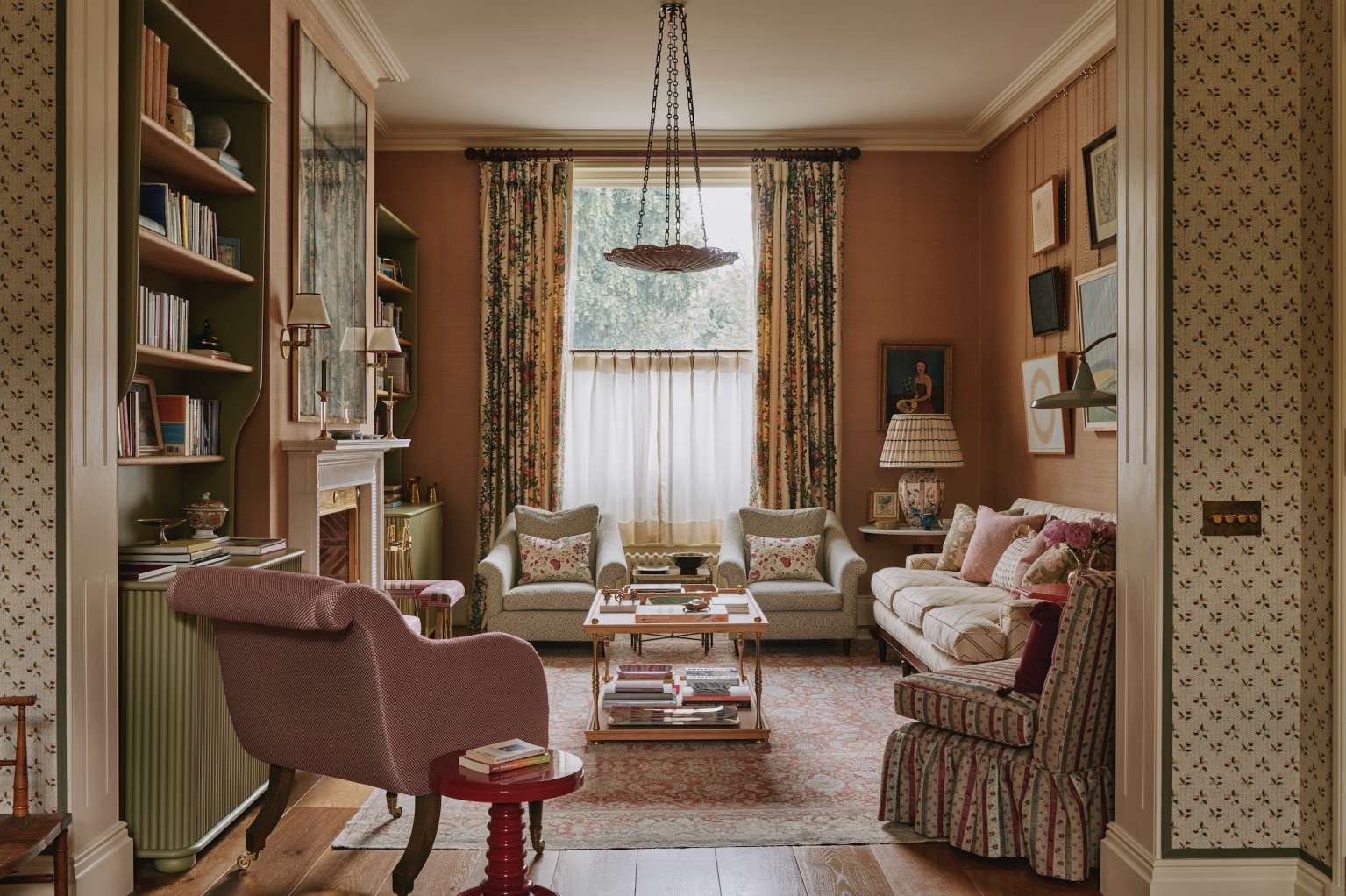
There is something almost jewel-like about an Art Nouveau space. Rich, tactile materials bring a level of drama that feels handcrafted and luxurious.
You’ll often find:
- Stained glass windows and lamps that glow with color and pattern
- Inlaid wood with pearl, ivory, or ceramic flourishes
- Wrought iron twisting into floral silhouettes
- Polished hardwoods like cherry and mahogany shaped into sculptural furniture
It’s the kind of material palette that asks to be touched—and admired.
Furniture Design Innovations
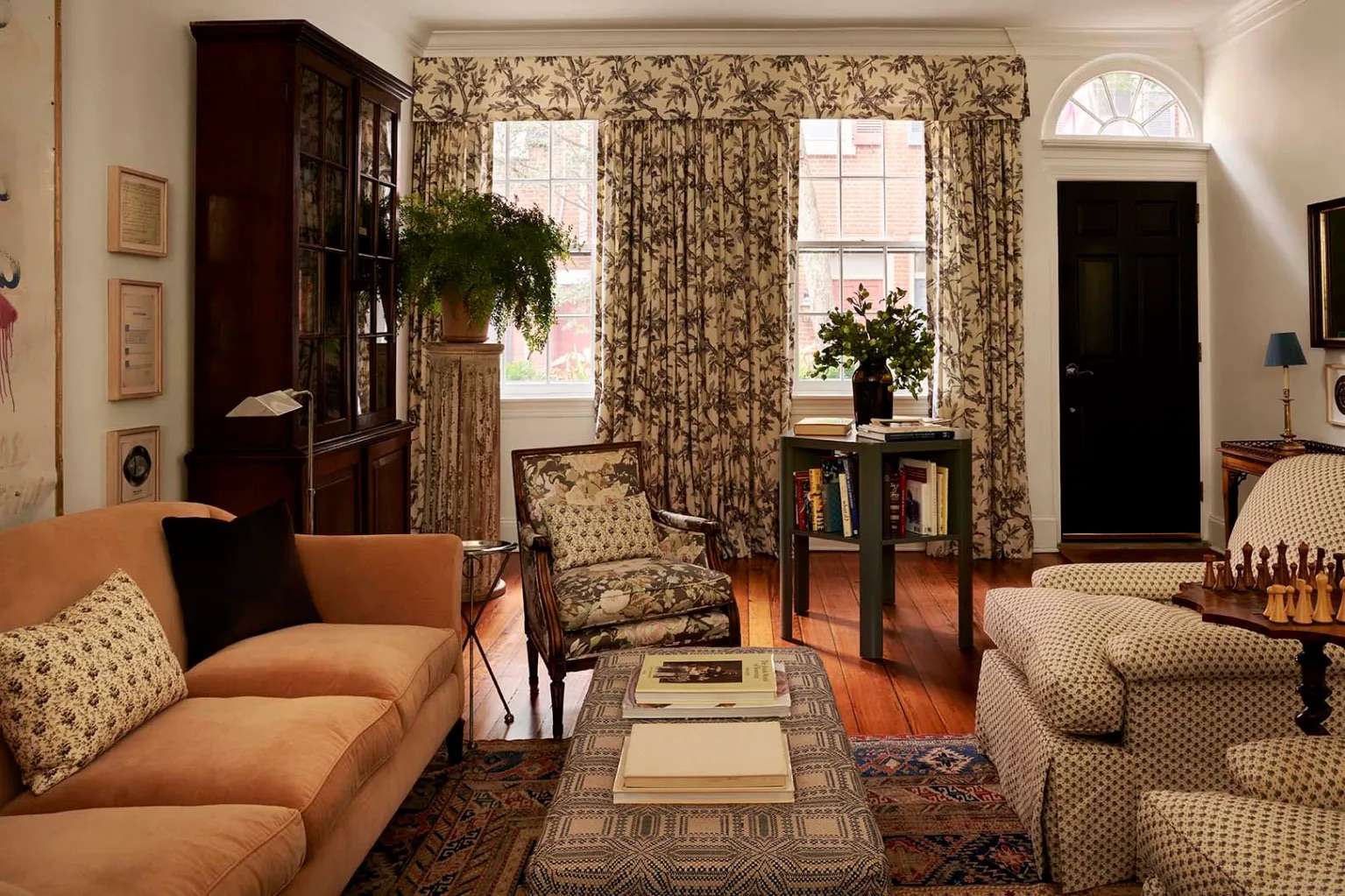
Art Nouveau reimagined furniture as sculpture with purpose.
Gone were the boxy silhouettes and industrial repetition. In came the flowing, nature-inspired forms, often with carved florals and unexpected curves. But don’t let all that beauty fool you, sugar—these pieces were designed to work just as hard as they looked good.
Integrated storage, built-in seating, and multi-functional shelving were cleverly woven into the design. And as a result, form and function didn’t compete—they danced together.
Architectural Harmony and Integration
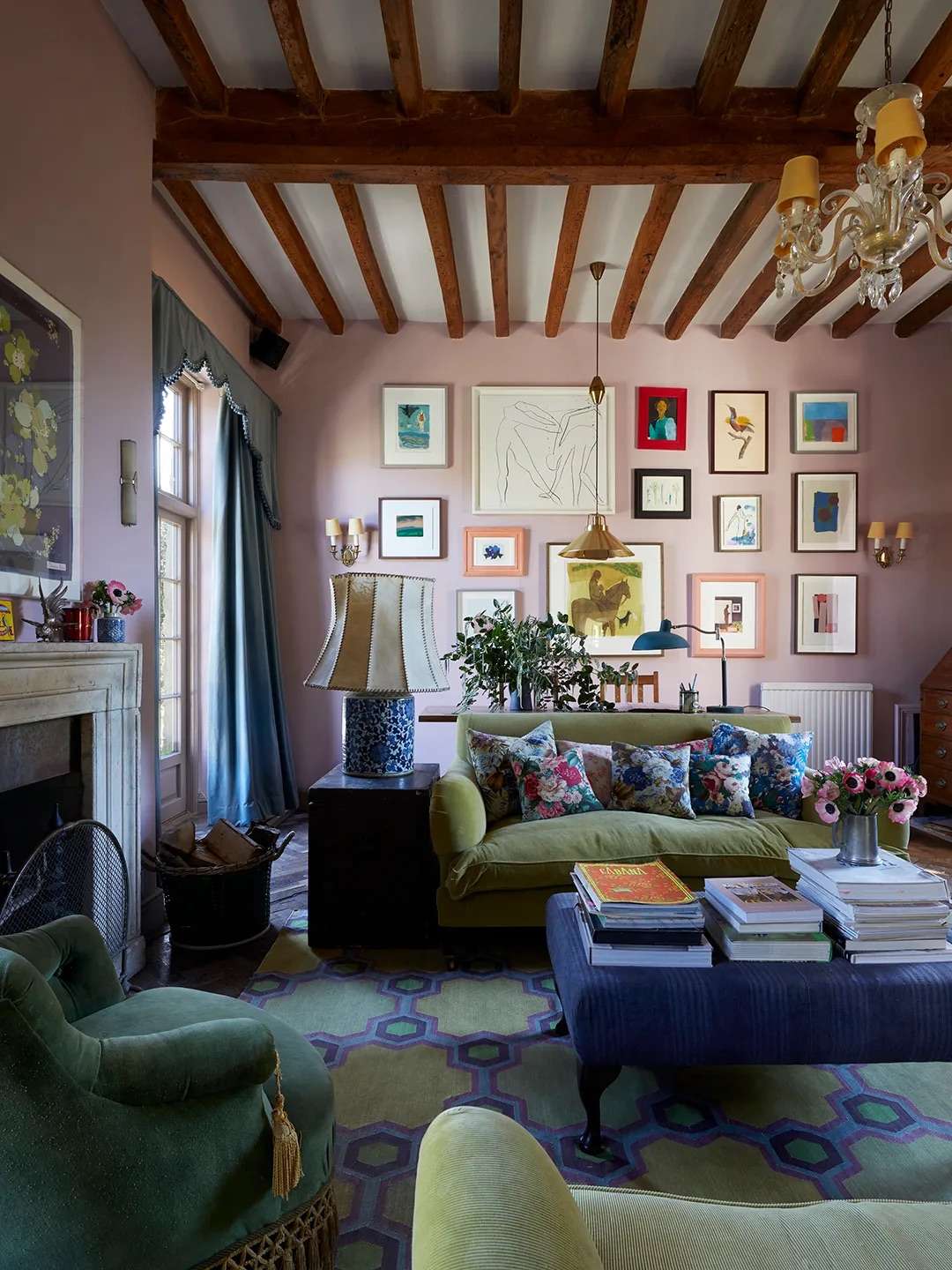
Where other styles might focus on standout pieces, Art Nouveau is all about total harmony.
In homes that are built or designed in this style, everything connects.
Stair railings echo the lines of the ceiling moldings. Window frames flow into the lines of the door. Even the fireplaces and crown moldings are part of the conversation.
The goal? A space where nothing feels added-on or out of place. Every detail is part of a larger, thoughtful whole.
From the front door to the faucet handles, it’s all orchestrated with intention.
Craftsmanship and Artistic Collaboration
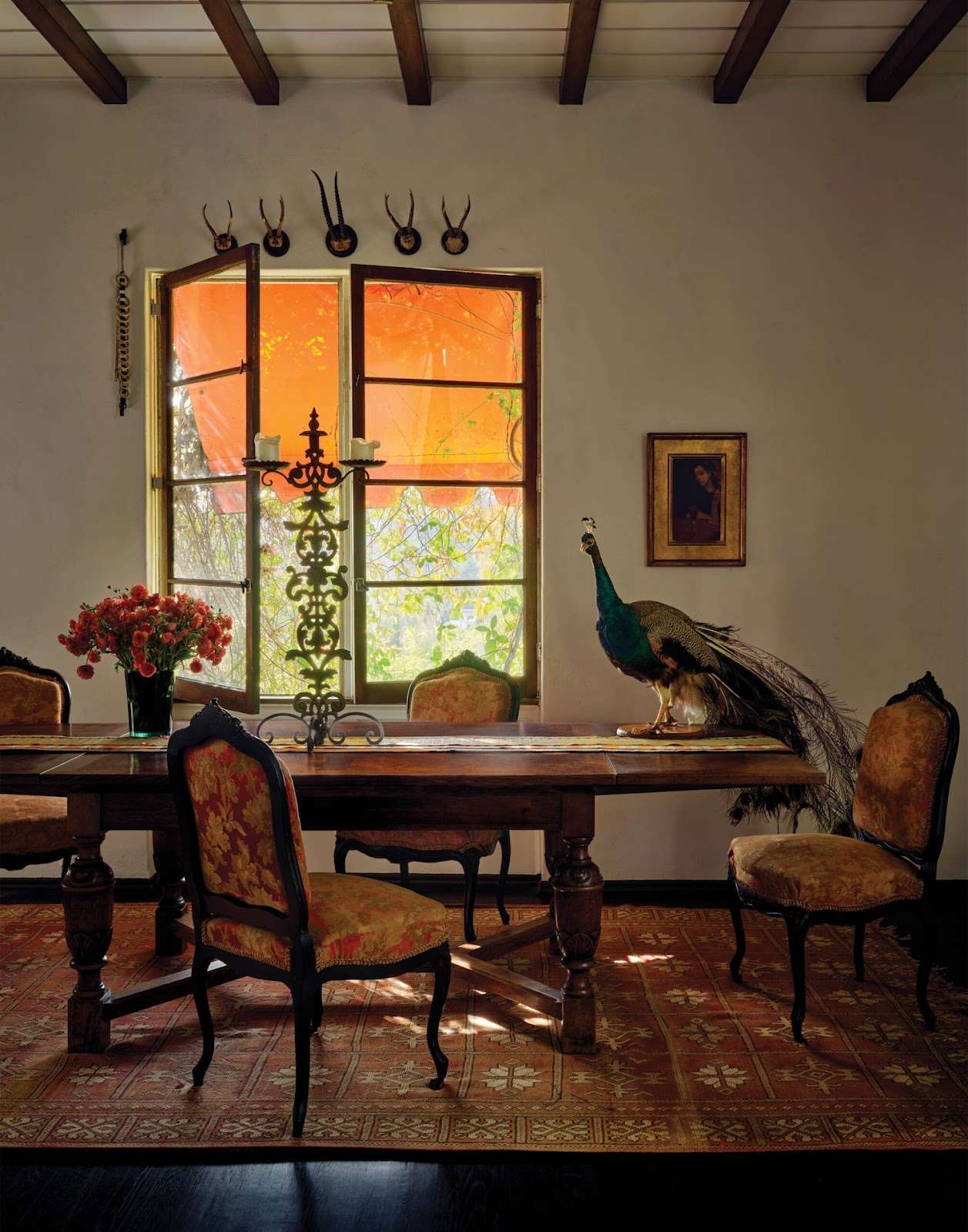
This style was never about mass production—it was about mastery.
Walk into an Art Nouveau interior and you’ll feel it immediately—the artistry, the hand-touched details, the soulful craftsmanship.
Designers, artisans, architects, glassmakers, and metalworkers often collaborated to bring these spaces to life. Each piece, each panel, each fixture felt like a small part of a larger, living artwork.
That chair leg? Someone carved it with care. That stained glass window? A team chose every single hue with the light in mind. This level of collaboration was the heartbeat of the style.
Because in Art Nouveau, home wasn’t just where the heart is—it was where the art is.
Easy, Elegant Ways to Bring Art Nouveau Into Your Home
Now, honey, you don’t need a century-old townhouse or museum-grade furniture to enjoy the grace of Art Nouveau. With a few thoughtful touches, you can still weave its organic beauty into your everyday spaces, whether you’re refreshing a powder room or reimagining your entire home.
So, here’s how you can introduce those flowing lines, floral flourishes, and hand-touched details into your home with intention—and, of course, style.
1. Add Organic Motifs Where Folks Least Expect Them
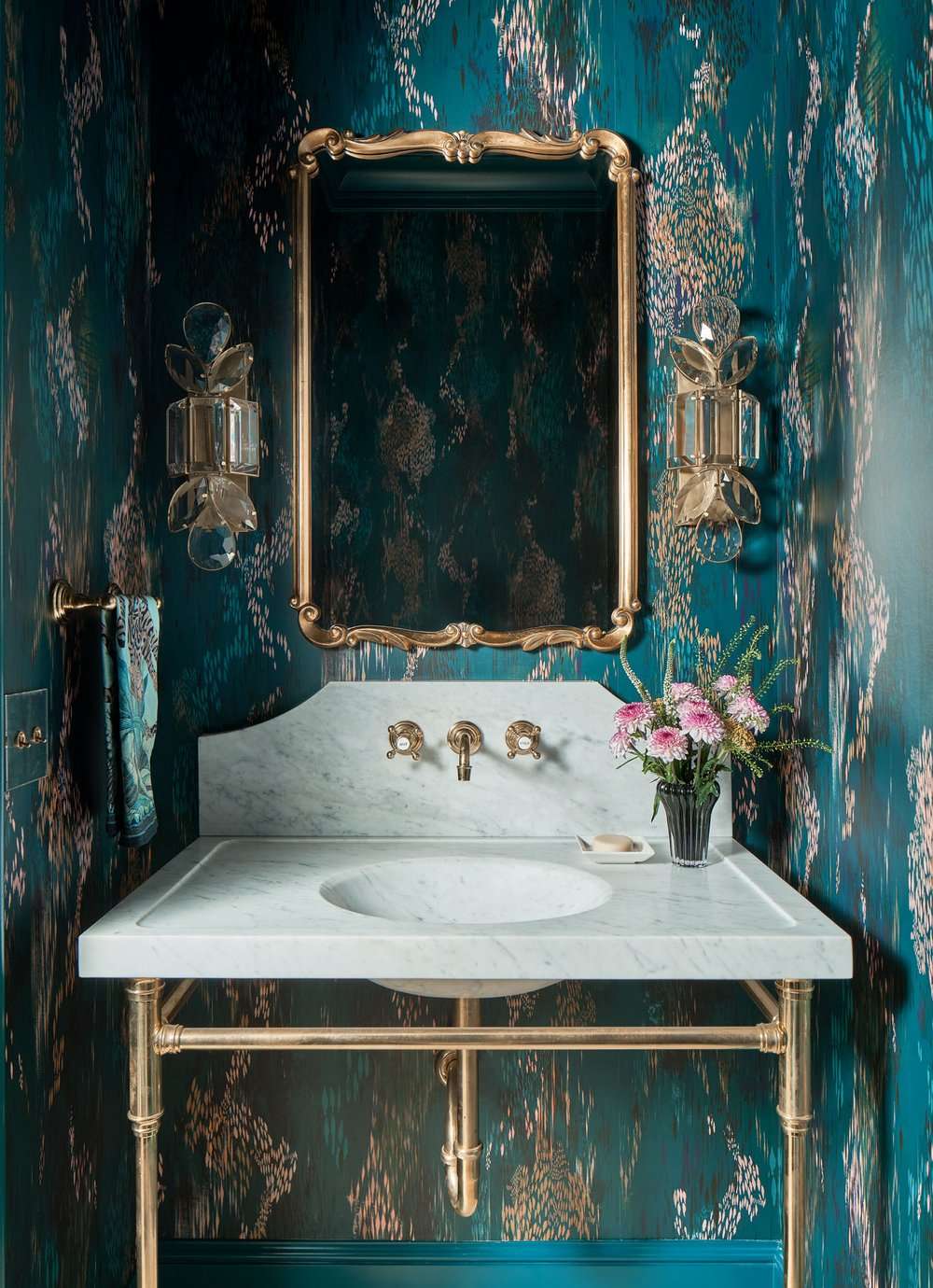
Art Nouveau loves to surprise you—and the best way to honor that spirit is to sprinkle natural patterns in places you wouldn’t normally look.
Start with wallpaper or tile that features sweeping vines, blooming irises, or those iconic whiplash curves. It doesn’t have to be loud—just graceful and intentional. A powder room with a botanical print ceiling? Yes, please. A hallway with carved floral trim or stained-glass sidelights? Absolutely.
Even your cabinet hardware or light switch plates can be little nods to nature. When in doubt, hun, choose forms that look like they grew there.
2. Choose Curved Furniture With Soul and Purpose
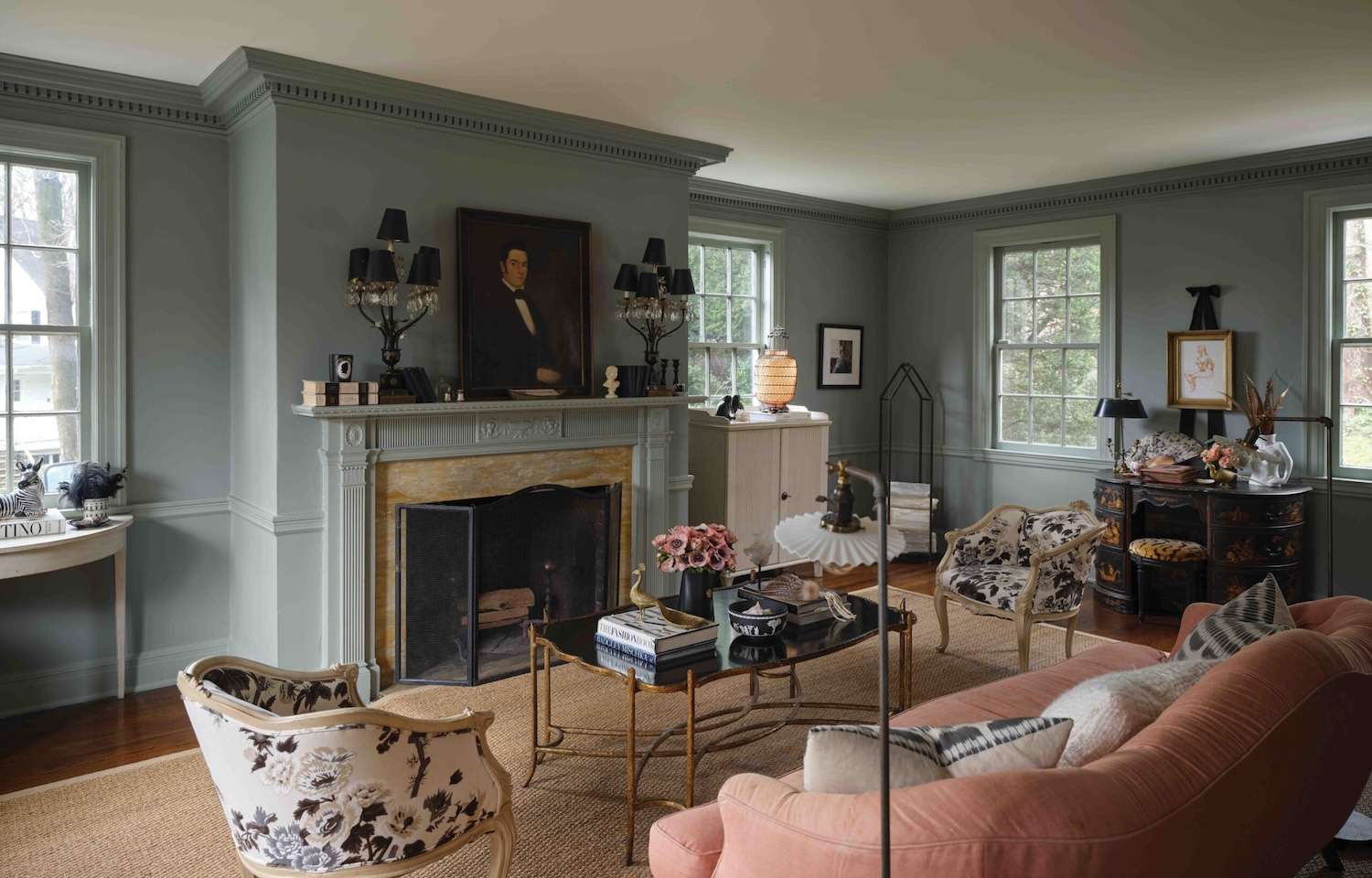
This isn’t about chasing trends. It’s about finding pieces that feel alive.
Think headboards that arc like flower petals, coffee tables with soft, sculptural edges, or even built-ins that curve right into the wall like they were poured into place. Avoid boxy and hard-edged when you can—Art Nouveau furniture doesn’t just sit there; it flows.
If you’re shopping for vintage pieces, look for carved botanical details or cabriole legs. And in case you’re buying new, lean toward handmade or artisan-crafted shapes with a natural rhythm.
Trust me, one thoughtfully curved piece can transform the energy of a whole room.
3. Layer Materials Like an Artist, Not a Contractor
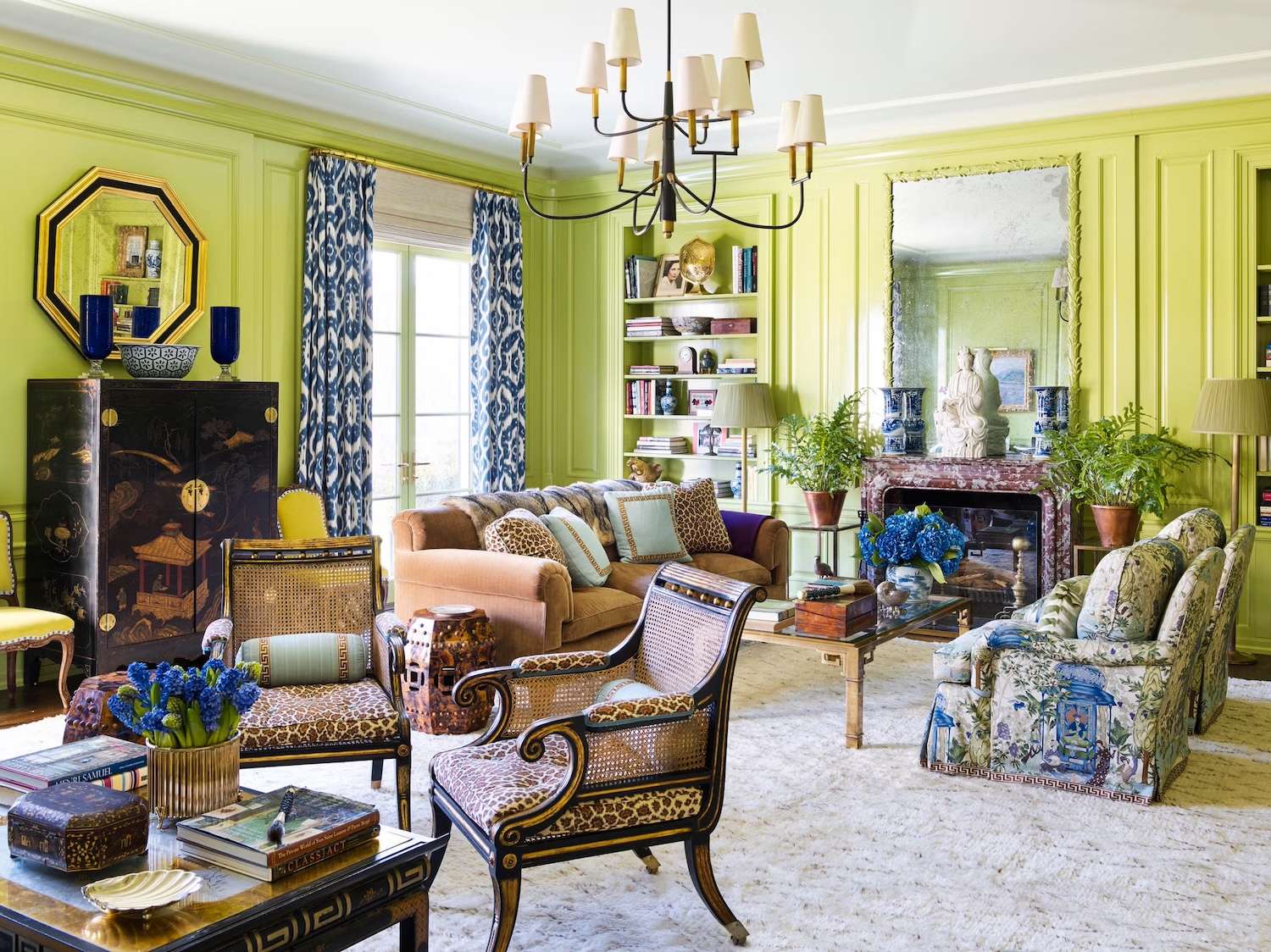
Art Nouveau design is all about richness—visually, emotionally, and texturally.
Mix materials with confidence: warm woods, hammered metals, stained glass, velvet, and inlaid tile. Let each piece bring something different to the table.
A cherrywood sideboard with bronze hardware. A stained-glass pendant over a marble-top vanity. A velvet chair by a carved oak writing desk. You get the idea, sugar.
The trick is in how it’s layered. Aim for contrast, but always keep the overall look soft and integrated, like nature itself.
4. Let Lighting Be the Jewelry of the Room
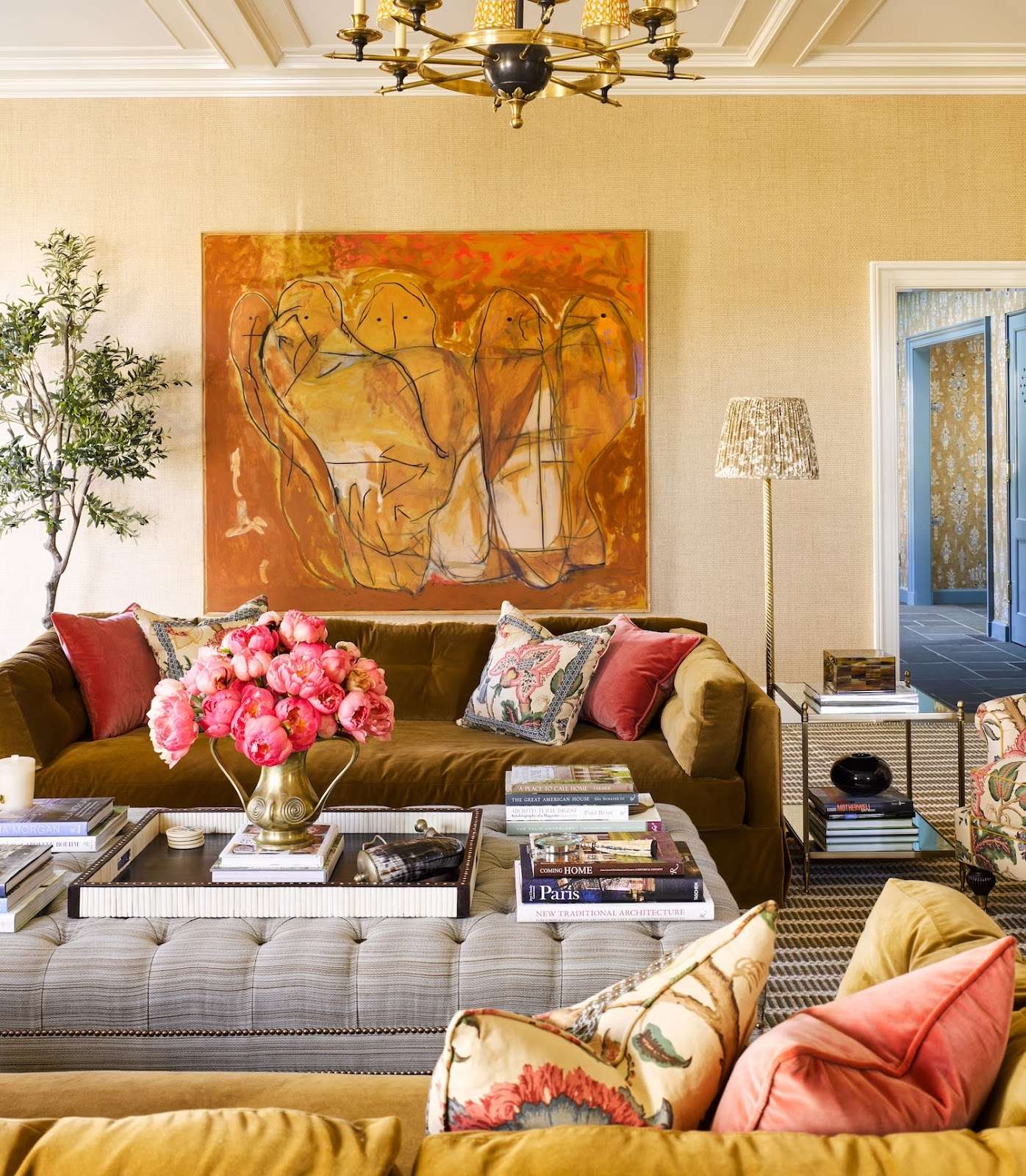
Art Nouveau lighting is where the drama lives, honey.
Tiffany-style lamps with those dreamy glass petals? Iconic. Sculptural chandeliers that look like blooming branches? Yes ma’am. Those wall sconces shaped like lilies or reeds can also make a quiet room feel like a secret garden.
And don’t be afraid to go bold. Statement lighting isn’t just functional; it’s storytelling. Choose pieces with movement, color, and craft.
When that afternoon light hits your stained-glass shade just right, you’ll be glad you did.
5. Paint With the Palette of the Natural World
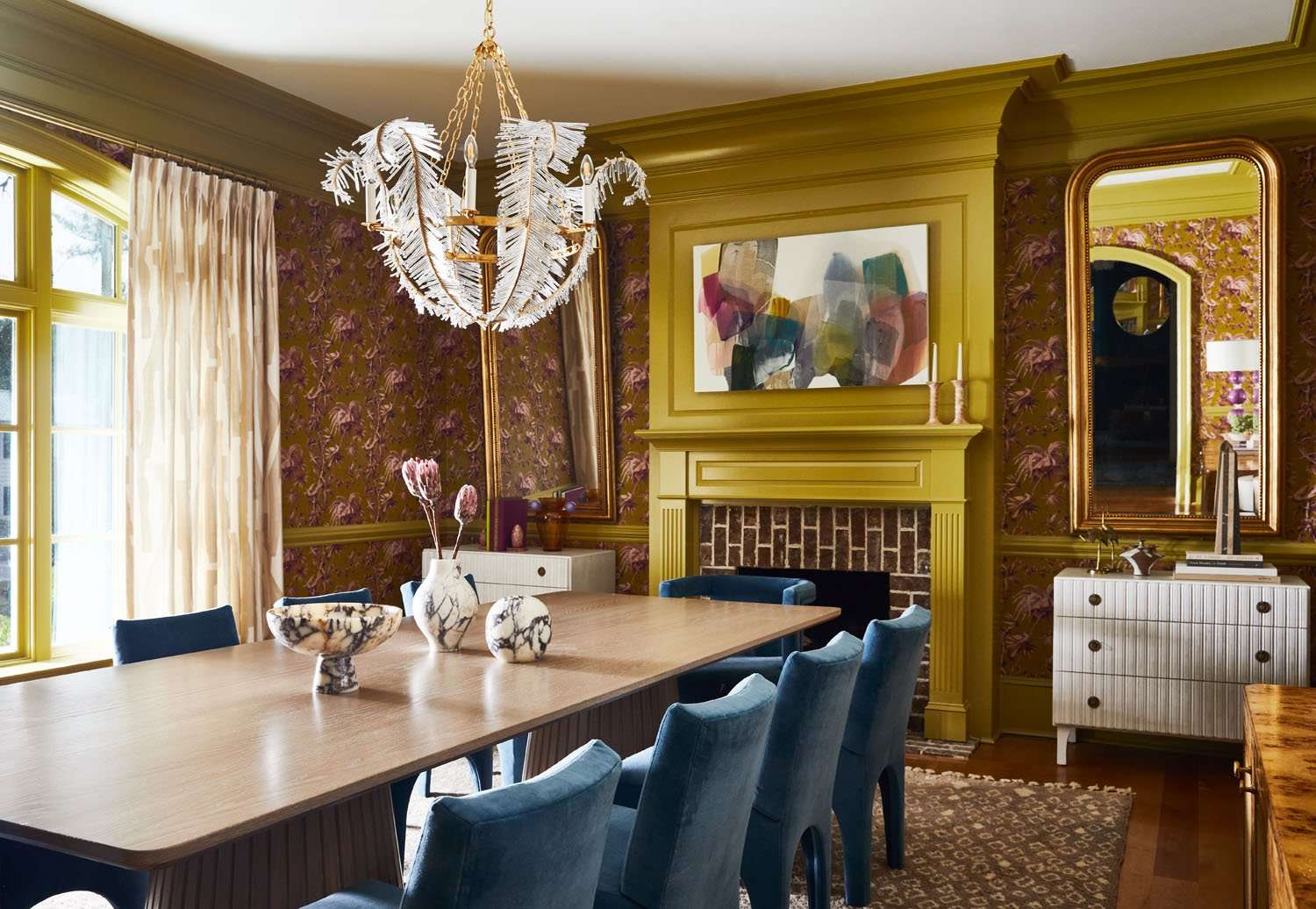
Color is one of the simplest ways to channel the spirit of Art Nouveau—and one of the most fun.
So, honey, lean into earthy greens, soft plum purples, pale pinks, warm ambers, and those gorgeous jewel tones; I’m talkin’ sapphire, emerald, garnet. These hues don’t scream for attention—but they’ll draw you in like a sunset.
For a lighter touch, you can try gold-leaf accents, hand-painted floral borders, or a dusty blue ceiling that mimics the sky.
Let your palette bloom, and let it whisper nature—not shout trend.
6. Blend Curves With Simplicity for a Modern Twist
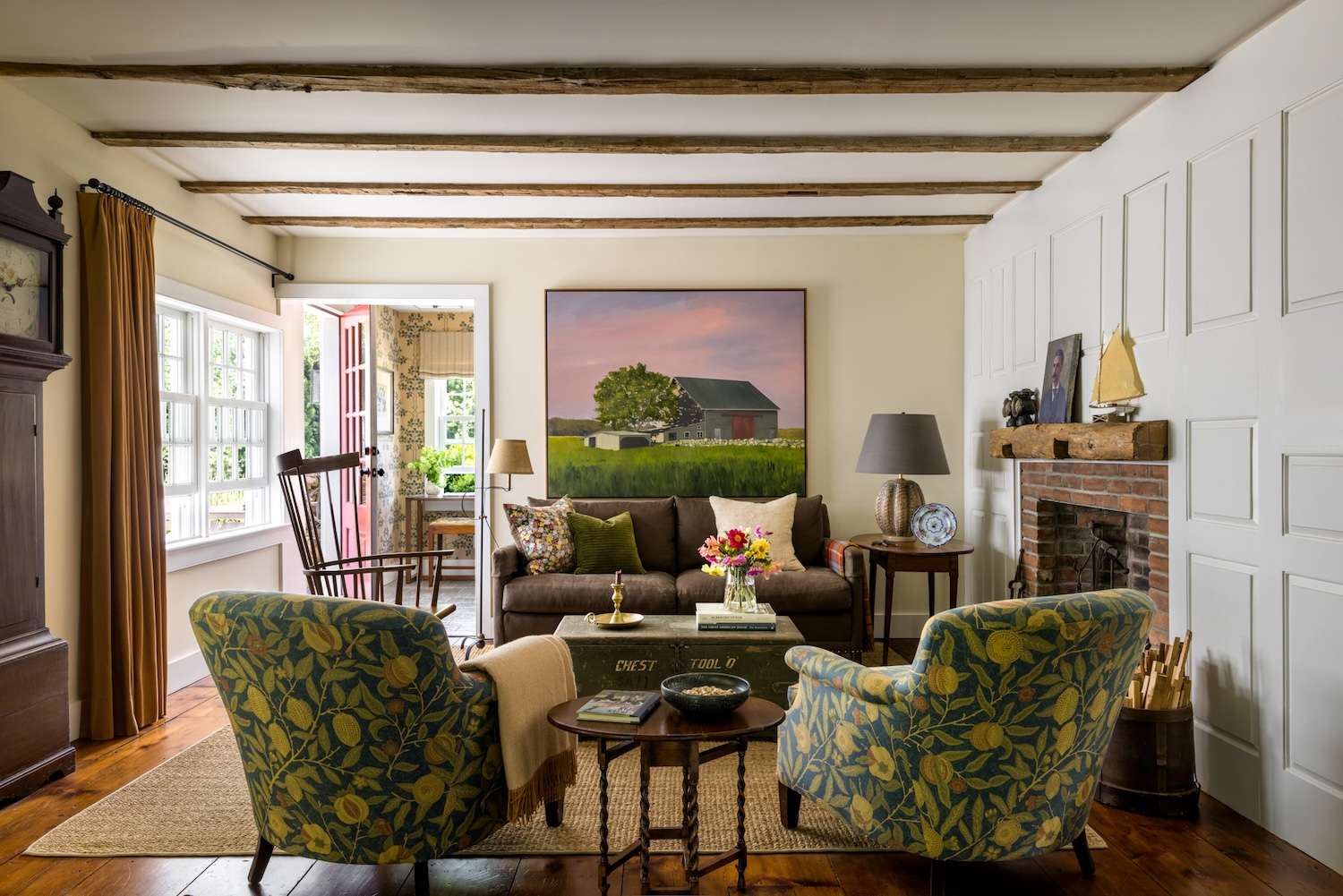
Now, if you are more into clean lines and less into drama, don’t worry—you can still bring in Art Nouveau without overwhelming your space.
Look for modern pieces that borrow the style’s essence—soft curves, nature-forward forms, and material beauty—without all the ornamentation.
Think a sculptural wood chair with a flowing silhouette. A minimalist metal light fixture shaped like a reed. Even terrazzo or brushed brass can nod to the era with subtle flair.
It’s all about balance. Art Nouveau doesn’t need to take over—it just needs to be felt.
Curves, craft, and comfort—yes, sugar, you can have it all. If you want help bringing these details into your home, reach out to Design on a Dime and let’s design a space that flows as beautifully as it functions.
How Art Nouveau Still Shapes the Way We Design Today
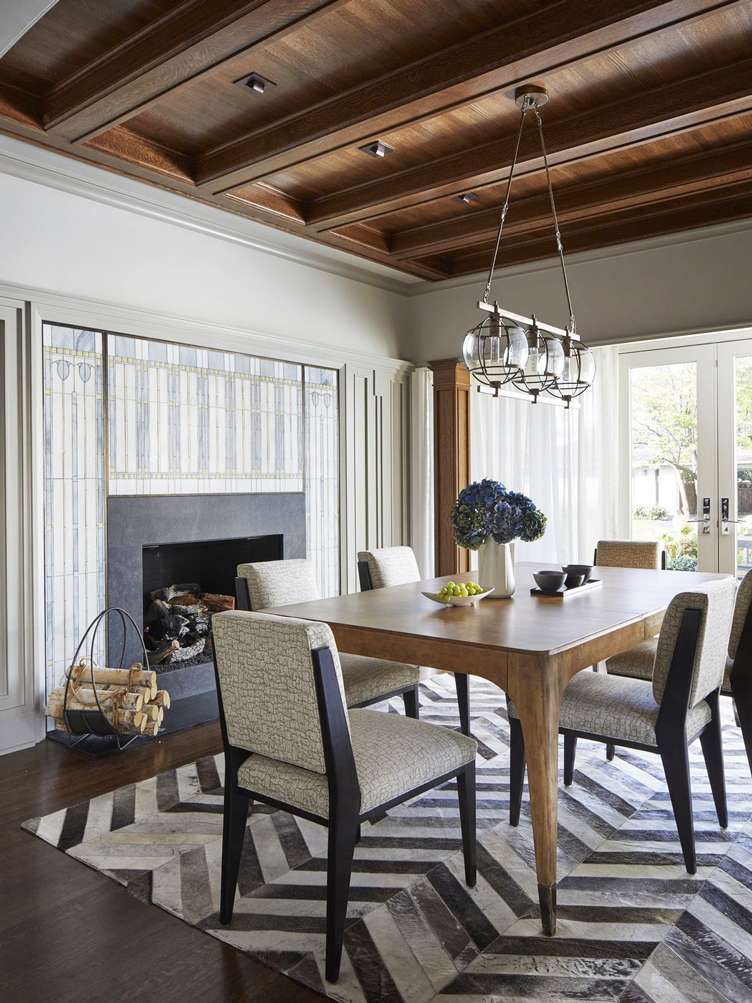
Art Nouveau may have started in the 1890s, but hun, it never really left the party. Its spirit has been quietly (and sometimes boldly) shaping modern interiors in ways that feel fresh, elegant, and just a little bit wild.
You might not have a peacock-framed mirror and a carved lily bedpost, but if you’ve ever swooned over a sculptural chair or admired a leafy wallpaper print that felt more alive than your houseplants—well, you’re already under its spell.
Let’s take a closer look at how those flowing lines and nature-first ideas are still blooming in today’s most beautiful spaces.
From Whiplash Curves to Soft Minimalism
Minimalist design has long been known for its clean, boxy lines—but lately? It’s loosening up.
You might find curved sofas with cloud-like cushions, arched doorways that feel almost ceremonial, and sculptural lighting that floats like petals in the air. These aren’t just modern trends—they’re Art Nouveau in disguise.
Those gentle curves, drawn straight from nature’s playbook, break up the monotony of hard, sharp edges and make minimalist spaces feel more human, more soulful. You are seeing structure softened by rhythm. Simplicity, but with a wink.
Biophilic Design With a Historic Backbone
Everyone’s talking about biophilic design these days—but it’s important to give credit where it’s due. Art Nouveau walked so biophilic interiors could run.
The style’s deep love for organic forms and natural materials laid the groundwork for today’s obsession with earthy textures, indoor gardens, and sun-drenched spaces. Modern biophilia echoes the same design values—connect people to nature, honor the handmade, and let materials breathe.
Art Nouveau is known for its intricate botanical motifs, but nature’s influence doesn’t always have to shout; it can whisper. In our Flores Project, you’ll see how a soft, botanical palette and organic textures create a calming, grounded interior that still nods to nature’s beauty.
Sometimes, all it takes is the right shade of green and a thoughtful connection to the outdoors.
Scandinavian and Mediterranean Vibes Owe Art Nouveau a Hug
You wouldn’t think Nordic design and Art Nouveau had much in common—but look again.
That effortless blend of form with function? That devotion to craftsmanship? The clean spaces punctuated by organic textures? It’s all part of the same story.
Modern Scandinavian interiors often borrow Art Nouveau’s quiet curves and warm woods, just wrapped in a softer, subtler package.
The same goes for Mediterranean spaces, where carved stone, hand-painted tile, and arched architecture bring the natural world indoors in ways that feel rooted, lived-in, and timeless.
Art Nouveau doesn’t compete with these styles—it complements and enriches them.
Frequently Asked Questions
What’s the difference between Art Nouveau and Jugendstil?
There’s practically no difference between the two; Jugendstil is the German interpretation of Art Nouveau. Both share organic, nature-inspired forms—although you could argue that Jugendstil typically leans more geometric and restrained.
Is Art Nouveau interior design practical for small spaces?
Yes! Its flowing lines and integrated design philosophy can help smaller rooms feel more cohesive and inviting.
Where can I find Art Nouveau décor or furniture today?
You can find Art Nouveau furniture and decor at vintage shops, estate sales, and online marketplaces like Chairish and 1stDibs. Even Etsy might have some reproduction furniture pieces.
What kind of flooring works best with Art Nouveau interiors?
Wood floors with a warm finish, encaustic tiles, or even terrazzo with organic shapes complement the style beautifully.
How do I make Art Nouveau feel current instead of old-fashioned?
To avoid the old-fashioned vibes, pair ornate details with modern furniture silhouettes or use classic motifs in fresh, oversized prints. It’s all about achieving that balance.
Let Your Home Speak in Curves and Craft
If your heart’s pulling toward something a little more soulful—something with history, rhythm, and the quiet kind of drama—Art Nouveau might be your style soulmate.
It invites you to slow down, look closer, and surround yourself with beauty that’s meant to last.
And if you’re not sure where to start? That’s what we’re here for. Get in touch with Design on a Dime today and let’s dream up a space that flows, flourishes, and feels like you.
Because darling, your home deserves more than just decor—it deserves design with heart.