
How Long Does Paint Last? What You Need to Know Before You Repaint
Wondering how long does paint last before it needs a refresh? Well, the answer depends on a few key factors.
If you’ve ever stood in front of a chipped wall or faded siding wondering whether it’s time to freshen things up, you’re not alone. Paint is not just about color—it’s about protection, style, and making your house feel like you.
But just like anything else, it doesn’t last forever.
Whether you’re touching up a room or planning a weekend project, knowing when paint has run its course can save you time, stress, and a whole lot of guesswork.
So before you grab that roller or head to the hardware store, let’s talk about what really determines a paint job’s staying power.
Exterior Paint Longevity: What Really Wears It Down

Let’s talk about exterior paint—it’s your home’s first line of defense, and hun, it takes a beating. And how long it lasts? Well, that depends on where you live and what your house is up against.
The paint’s lifespan is a wild ride, heavily swayed by Mother Nature.
Harsh weather doesn’t just pass through—it wears down paint like sandpaper. Rain, snow, and humidity creep into every crevice, slowly chipping away at your color and protection. The sunlight’s no angel, either, making those vibrant hues look like washed-out jeans in no time.
Temperature swings are another hidden troublemaker.
When it’s hot during the day and cold at night, the constant expansion and contraction can cause cracking, peeling, and a loss of adhesion. It’s like the exterior paint’s being pulled in too many directions at the same time—and eventually, it gives.
And don’t forget about UV exposure. Those golden rays may feel good on your skin, but they’re tough on paint. Over time, they break down pigments and resins, leaving you with a dull and chalky finish that just doesn’t pop anymore.
Humidity and precipitation add to the drama—especially in coastal and tropical regions.
You see, excess moisture doesn’t just mess with drying; it can cause mildew, bubbling, and peeling before the paint even has a chance to settle in.
Where you live matters, as well. A desert home, a beach house, and a place in the mountains all demand different things from your paint. From salt air to dry heat to heavy snow, regional climate conditions can affect how long your exterior paint holds up.
That’s why choosing the right paint for your region—and staying on top of maintenance—makes all the difference.
A good rule of thumb?
Expect to repaint every 5 to 10 years, depending on your local climate, your paint’s quality, and how well you prep and maintain your surfaces.
Not sure if your exterior’s due for a refresh? Let us help you protect your home and boost curb appeal with a pro paint job that holds up beautifully.
Interior Paint Durability: Some Rooms Need More Love (and Paint) Than Others
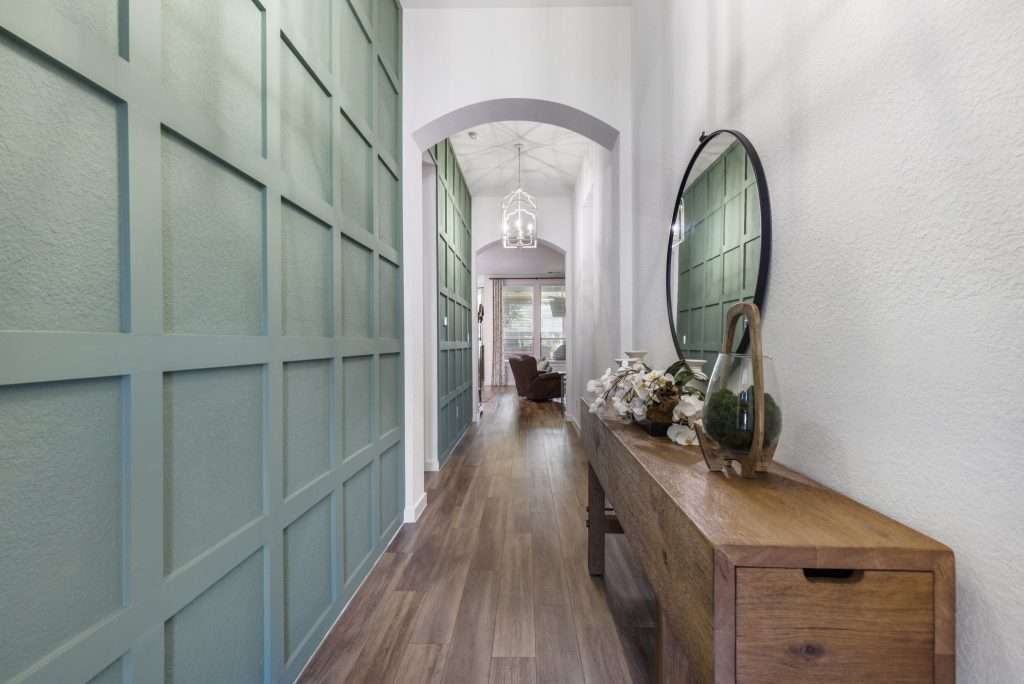
Picture this:
You’re walking through your vibrant, sunny hallway, feeling good, and then—uh oh—you spot faded walls that used to pop with color. What gives?
High-traffic spots demand a paint refresh every 3–5 years to keep their charm alive.
Interior paint might not battle the elements like exterior paint—but it still has its challenges. In high-traffic areas like hallways, kitchens, or kids’ rooms, paint tends to lose its luster quicker and typically requires a refresh every 3 to 5 years to stay looking sharp.
So, what wears it down?
- Humidity is the usual suspect in bathrooms, leading to peeling and bubbling if you’re not using moisture-resistant paint.
- Direct sunlight can fade bold colors over time, especially near windows.
- Temperature fluctuations, even indoors, can cause cracking or premature aging—especially in homes without consistent climate control.
- Paint quality matters more than you think. Higher-end paints with advanced binders and pigments are built to last and withstand everyday wear.
Treat your walls well, and they’ll return the favor—keeping your space bright, fresh, and full of life.
Different rooms take different hits—sure, your bedroom may just need a gentle refresh, but that hallway or kitchen? They’re workhorses.
Want to see what a little love—and expert paint—can do? Check out our Brenda Project to see how fresh, durable paint gave this family home a whole new lease on life.
Got high-traffic areas that need a little love? Design on a Dime’s interior painting experts can refresh your most lived-in spaces with durable, stylish finishes.
Paint Type and Shelf Life: How Long Does Paint Really Last?

Let’s talk about something that’s likely sitting in your garage or tucked in a closet—those half-used cans of paint you swore you’d need again. Turns out, paint has a shelf life—and not all types are created equal when it comes to longevity.
Latex paint is the most common choice for interiors, and it’s pretty durable—lasting roughly 2 to 10 years unopened, depending on the brand and storage. Once opened, though, you’ve got around 1 to 5 years to use it, as long as you seal that lid tight like it’s guarding gold.
Acrylic paint, often used for both interiors and creative projects, has a similar unopened shelf life—2 to 10 years, but it’s a little fussier once exposed. After opening, it’s best used within a year, especially since it dries out quicker than its latex cousin.
Oil-based paint—now here’s the old-school powerhouse. It might take longer to dry on your walls, but it sticks around in the can. Unopened, it can last up to 15 years—and even once it’s been opened, you’ve got 2 to 5 good years, making it a go-to for durability and tough surfaces.
Now, no matter the type, storage is everything.
Keep your paint between 60 and 80 degrees Fahrenheit, away from freezing temps or blazing heat. Make sure the lid is sealed completely (a plastic wrap under the lid helps, too), and store cans right-side up in a dry, indoor space—not in the garage if temps swing wildly.
Here’s a quick glance at how each type stacks up:
| Paint Type | Unopened Shelf Life | Opened Shelf Life |
| Latex | 2-10 years | 1-5 years |
| Acrylic | 2-10 years | Up to 1 year |
| Oil-Based | Up to 15 years | 2-5 years |
If your paint smells off, looks chunky, or won’t mix back to a smooth consistency—just go ahead and let it go. Your walls deserve better.
Surface Material Considerations: What You’re Painting Matters, Honey
When it comes to how long paint lasts, the surface you’re working with can make all the difference. Some materials hold on tight to their paint, while others need a little extra TLC to keep looking their best.
Wood, for example, tends to be a bit high-maintenance—it needs proper prep and regular touch-ups. And metal? Well, if you don’t treat it with care, rust and corrosion are gonna come knocking.
You get the idea—but let’s break it down further.
Wood: Beautiful, But Needy
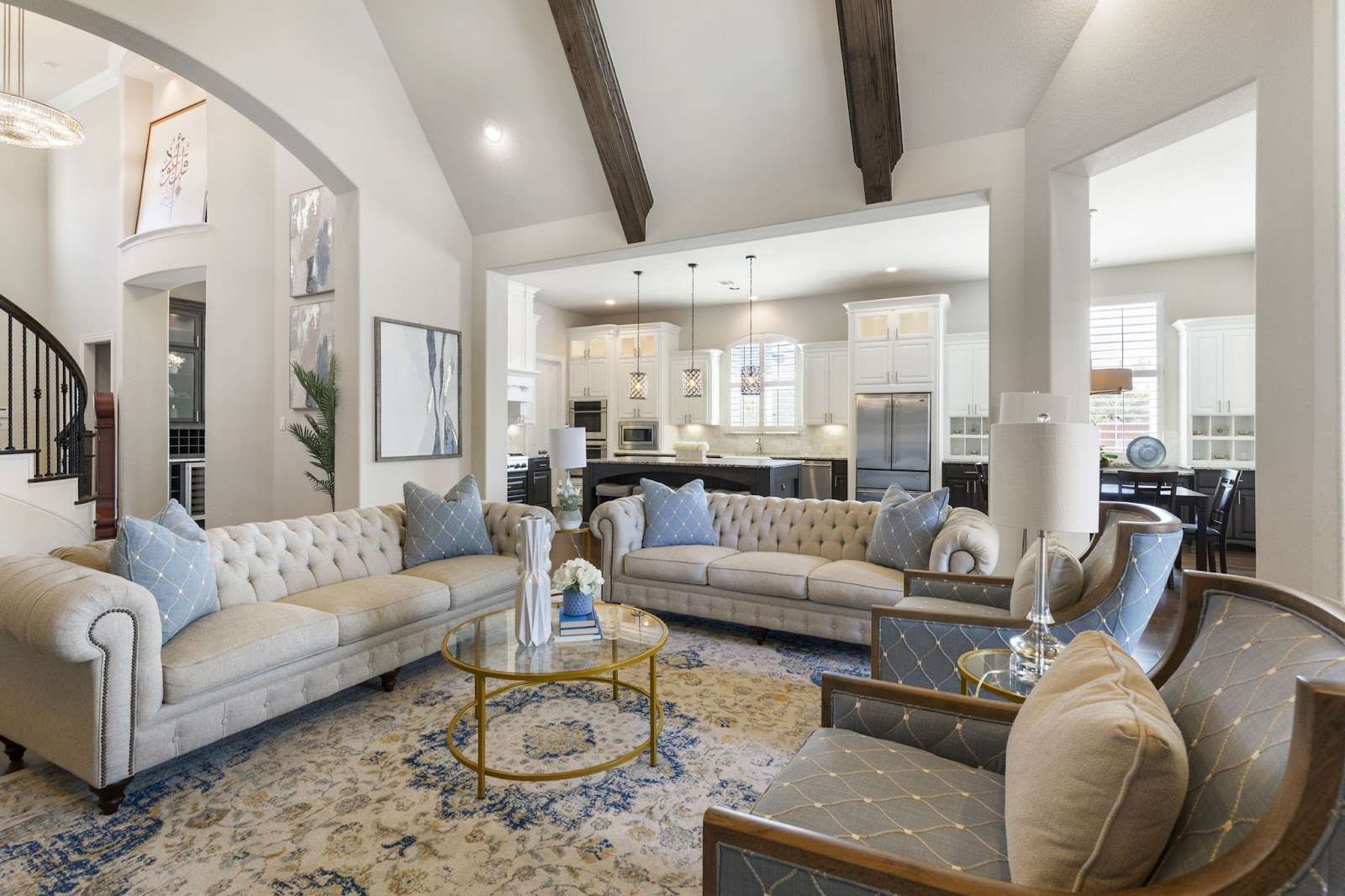
Wood might be charming, but it’s not low-effort. Exterior wood paint usually lasts 5 to 10 years, depending on the conditions. But be warned—weather is a sneaky villain:
Intense sun, rain, or salty breezes will have you repainting sooner.
A good primer and sanding job can make all the difference, so don’t skip those steps if you want lasting results.
Inside the house, wood surfaces enjoy a much easier life. With less exposure to weather tantrums, interior wood paint can last 10 to 15 years when done right.
Want to keep it looking sharp?
Wipe it down now and then, catch peeling early, and stick with premium-quality paint.
Aluminum: Low-Key but Long-Lasting
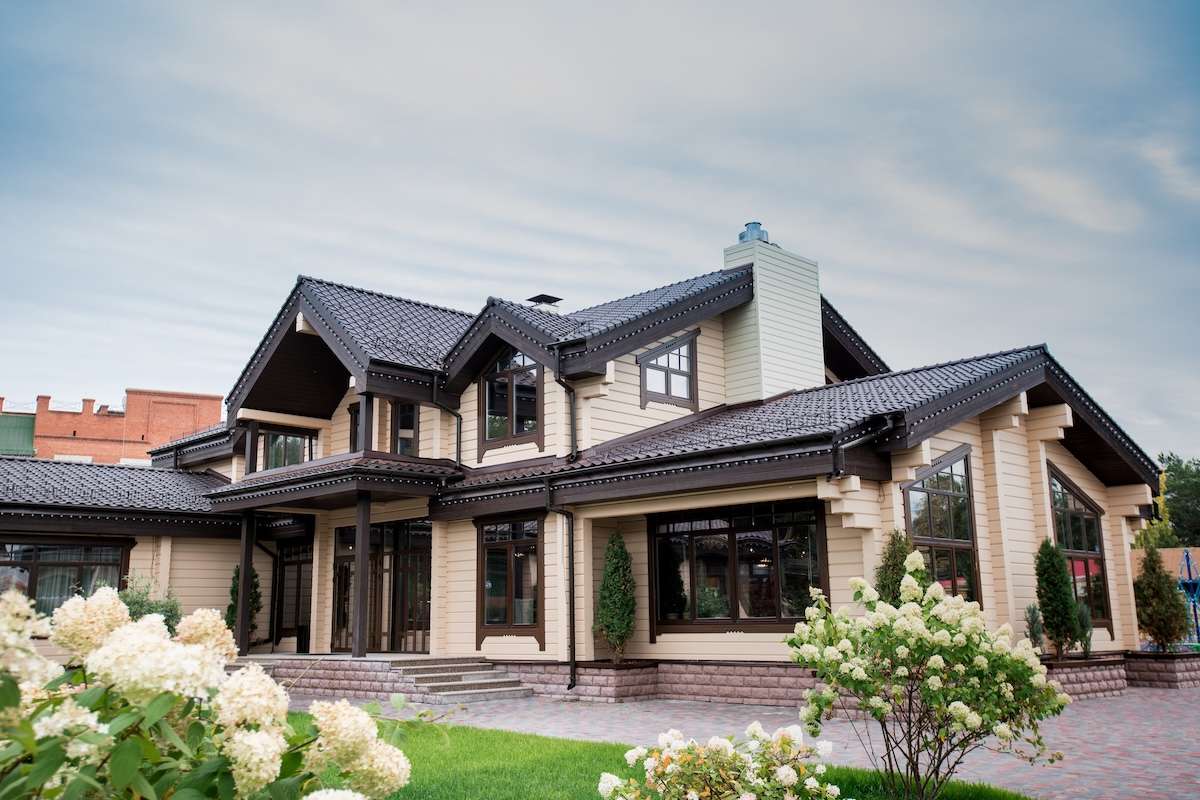
If you’re painting aluminum siding, gutters, or trim and wondering how long that paint job will last, you’re in luck:
Aluminum can hold onto paint for at least 5 years—and even stretch to 10 with some TLC.
Start with a clean surface, repair dents, and use a top-notch primer. Skip this step, and you’ll be repainting before you know it.
And humidity? It’s a party crasher, leading to mildew and peeling.
Try using 100% acrylic latex paint and look for UV-blocking features if your home gets lots of sun. Keep it clean with an occasional rinse to stop mildew, dirt, and other contaminants from chipping away at the paint over time.
Stucco and Brick: Old Souls with Special Needs
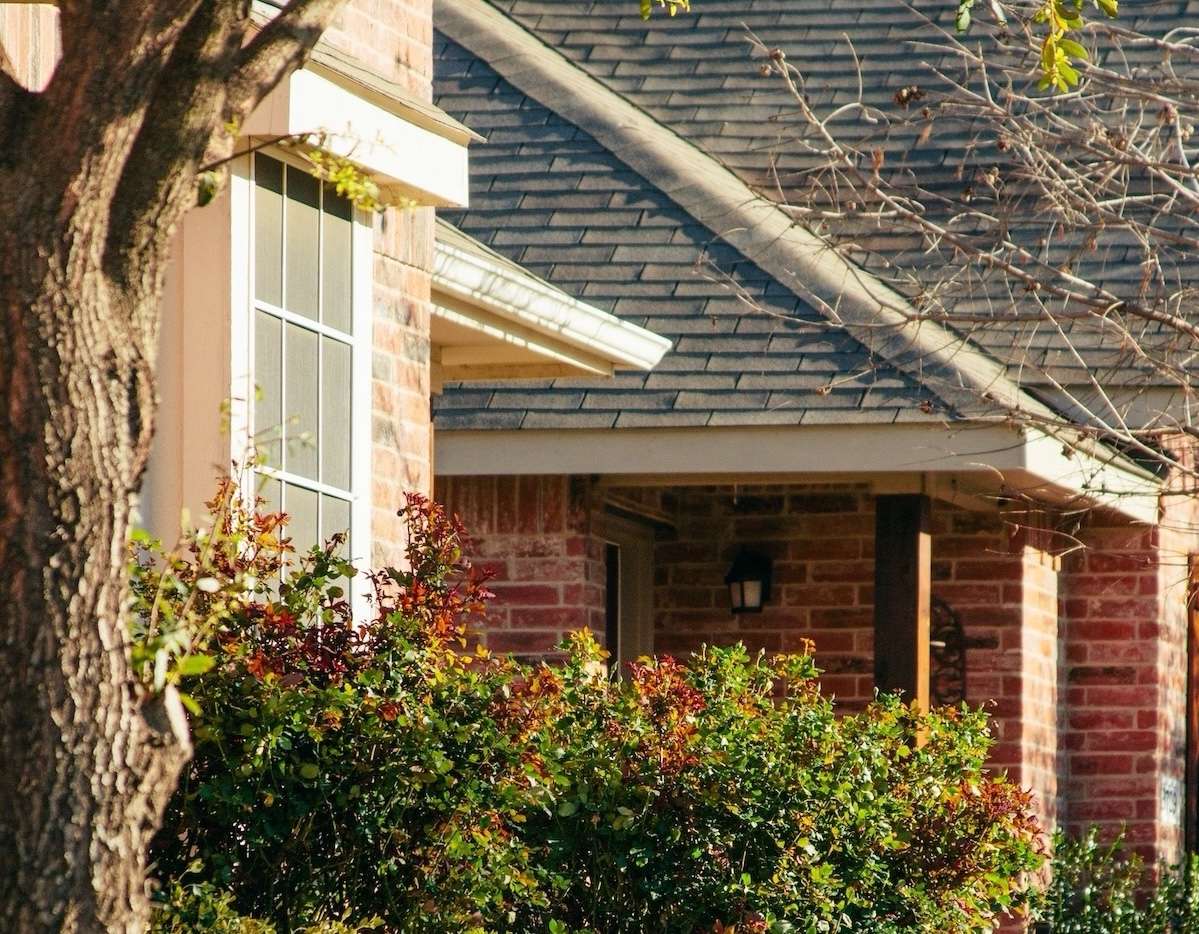
When it comes to stucco and brick, those old souls require specialty paints that can flex with the weather like they’ve been doing yoga since the ’70s.
Stucco has a strong backbone—but it’s still vulnerable to cracks and the climate. Expect paint to last 5 to 10 years with standard paint, and up to 15 if you get the high-quality stuff. That said, harsh climates could knock that down to just 5 years, so keep an eagle eye on maintenance.
Once again, prep is crucial—clean it thoroughly and patch any cracks before that first coat goes on.
Brick’s a little more mysterious, but with the same love and care—good prep, crack repair, and breathable masonry paint—you can get long-lasting results.
Just know that moisture is the enemy, so check for peeling or flaking now and then.
From brick to stucco, each surface needs its own TLC. Skip the guesswork and let the Design on a Dime team prep and paint it right the first time.
Don’t Skimp Here: Quality and Application Make All the Difference
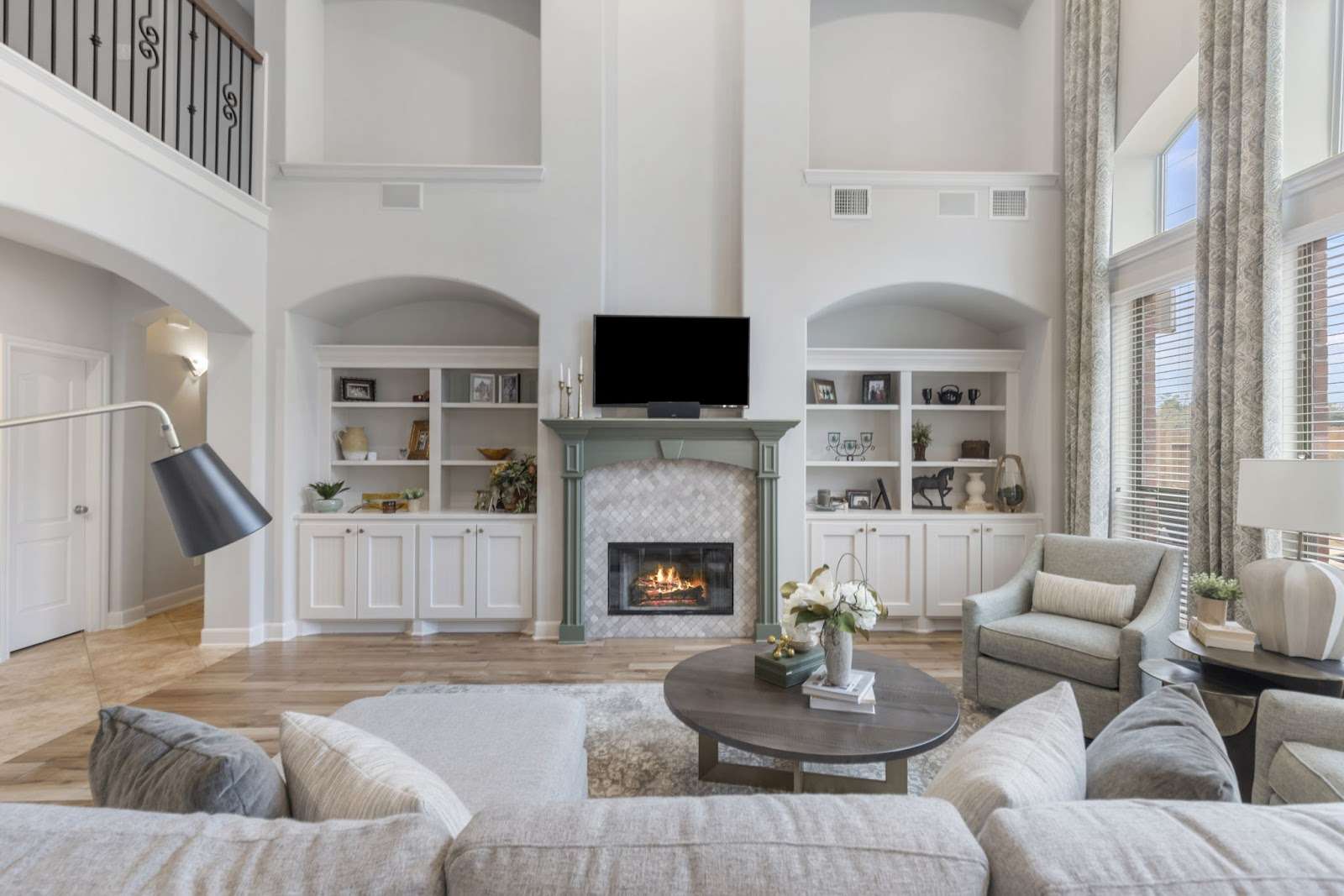
Not all paint is created equal, sugar—and if you’ve ever tried to touch up a wall, only to see it peel a year later, you already know that. Choosing high-quality paint isn’t just about the color on the label; it’s about how long that color stays beautiful.
Premium formulations are built to resist fading, peeling, and moisture, especially in places like bathrooms and kitchens that deal with a lot of heat and steam.
And with the right prep work? That paint job can last for years before you even think about picking up the brush again.
Why Premium Paint Is Worth the Splurge
You know, there’s something special about premium paint formulations—they go on smoother, hold up longer, and just plain look better.
Here’s what makes it a smart investment:
- No flaking or peeling: Even in high-traffic areas, premium paint stays put.
- Weather protection: Rain, shine, or humidity—your walls stay protected.
- Easy to clean: Scrub away fingerprints without taking the color with you.
- Vibrant color, year after year: Your chosen hue keeps its personality.
Behind the scenes, these top-shelf paints often include advanced resins and pigments that give them that extra staying power, and it shows.
Prep Like a Pro Before You Paint
Now, don’t go cracking open that can of paint just yet—your surface needs some love first.
Good prep is what separates a quick fix from a lasting finish.
Start by cleaning up the space—dust, dirt, grease, and mildew are sneaky troublemakers. If they are left behind, your paint may not stick the way it should.
Next, smooth out any rough patches by sanding. This helps the paint grip better and gives you a more even finish.
Don’t forget to wipe down the dust when you’re done; a clean slate is essential.
And finally, prime time! A good primer seals the surface, making your color pop while helping it stay put for the long haul.
Premium paint and proper technique are key to a lasting finish. We bring both—plus a keen eye for color and detail. Let’s get your project started.
Simple Maintenance Tips to Keep Your Paint Looking Fresh
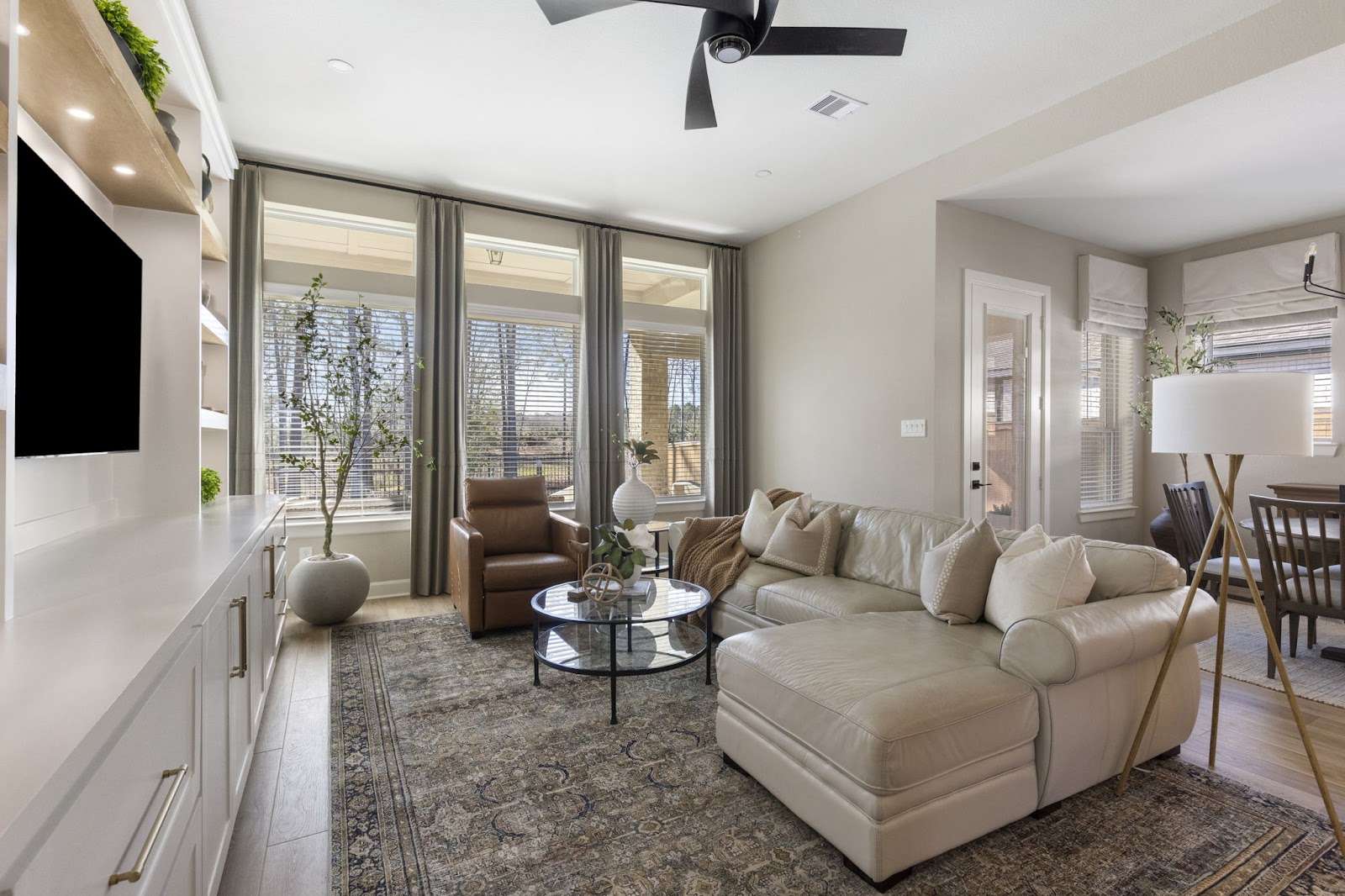
Honey, a fresh coat of paint is like a brand-new dress—it can turn heads, but only if you care for it right. Whether it’s your bathroom walls or your living room statement color, a little upkeep goes a long way in keeping that paint looking sharp.
Here’s how to keep those walls show-ready:
- Dust regularly using a microfiber cloth or soft duster. It keeps grime from dulling your paint’s sparkle.
- Wash gently with a damp sponge and mild soap. Skip the harsh scrubs—no need to rough up your finish.
- Tackle any stains quickly. The longer they sit, the harder they are to remove without damaging the paint.
- Dry surfaces thoroughly to avoid water spots, especially in humid rooms, such as kitchens and bathrooms.
- Mind your finish. High-gloss and semi-gloss are easier to clean, while flat or matte paints tend to scuff more easily, so tailor your routine to your wall’s personality.
Now, let’s chat about touch-ups.
Whether it’s a scuff from furniture or a rogue crayon masterpiece, these quick fixes can keep your walls looking flawless—if you know how to do them right.
Here are a few insider tips that can make all the difference:
- Clean before you paint. A dirty surface is a slippery one, and paint won’t stick where there’s dust or grease.
- Patch any damage. Use a quality patching compound and sand it smooth for an even finish.
- Color match carefully. Use leftover paint if you can—and stir well. Paint can settle and shift in tone over time.
- Apply thin coats. Don’t glob it on! Build up color slowly and let each layer dry completely before adding the next.
With a little TLC, your paint job can look polished and pulled together for years. And isn’t that worth a few extra minutes now and then?
When touch-ups and maintenance aren’t enough, we’re here to bring your walls back to life. Contact us for a refresh that’s done right.
Frequently Asked Questions
Can old paint still be used if it looks okay?
If it’s been stored well and still smells normal (not sour or rancid), give it a good stir and test it on a small patch. If it spreads smoothly and dries evenly, you’re probably good to go.
How often should I inspect painted surfaces for maintenance?
Once or twice a year is enough. Look for fading, peeling, and cracks—especially after seasonal weather changes or storms.
Can paint color affect its overall lifespan?
Yes, your paint color choice impacts its lifespan. Darker shades fade faster under UV light, while lighter ones reflect sunlight and tend to last longer. Choose wisely, especially if you’re in a high-sun region, to maximize durability.
How does paint thickness influence durability?
You’d think thicker paint layers mean better durability, right? Ironically, too thick or too thin causes peeling and cracking. Aim for that Goldilocks zone; the right thickness ensures that your paint job will last without premature wear and tear.
Do different sheens impact paint longevity?
Yes, they do affect paint longevity. Higher sheens like gloss last longer due to their durability, while lower sheens like flat are less durable, prone to dirt, and require careful maintenance.
What role does paint brand play in durability?
You might think that the paint brand doesn’t matter—but it does. Top-rated brands, like Sherwin-Williams and Benjamin Moore, guarantee durability with advanced formulations. Investing in quality brands means you’ll enjoy long-lasting finishes and fewer repaints.
Is there a best season for painting exterior surfaces?
You should paint exterior surfaces in spring or early summer. Moderate temperatures, lower humidity, and reduced rainfall guarantee smoother application and curing. Avoid late summer and winter due to extreme conditions that affect paint performance.
Ready to Give Your Home a Paint Job That Lasts?
If you’re standing in the paint aisle wondering which finish, formula, or timing is best for your space, you’re not alone. The truth is, choosing the right paint—and knowing when it’s time to refresh it—can make all the difference between a job that wows and one that wears out too soon.
Properly stored paint can stay usable for years, but don’t risk disappointing results—when in doubt, throw it out and invest in fresh paint for a flawless finish.
Not sure where to begin? Design on a Dime helps homeowners make smart, stylish choices that stand the test of time. Whether you’re tackling a full-blown repaint or need help picking the perfect palette, we’ve got you covered.
Book a consultation and let’s make your next paint project a breeze.