
Living Room Remodel Costs: What to Expect and How to Plan Your Budget in 2025
Living room remodel costs can vary widely, but one thing’s for sure—you don’t want any surprises when it comes to your budget.
Whether you’re dreaming of a full transformation or just freshening things up, knowing what to expect can save you time, money, and stress. Some folks get by with a $2,500 refresh—while others invest $8,000 or more for a full-on upgrade. But those numbers only tell part of the story. Materials, labor, and even the size of your space all play a role in what you’ll end up spending.
So before you start picking out paint swatches and scrolling through furniture catalogs, let’s explore what’s involved in transforming your living room into the stylish haven you’ve always wanted and break down the real costs of bringing your vision to life.
National Averages and Typical Cost Ranges
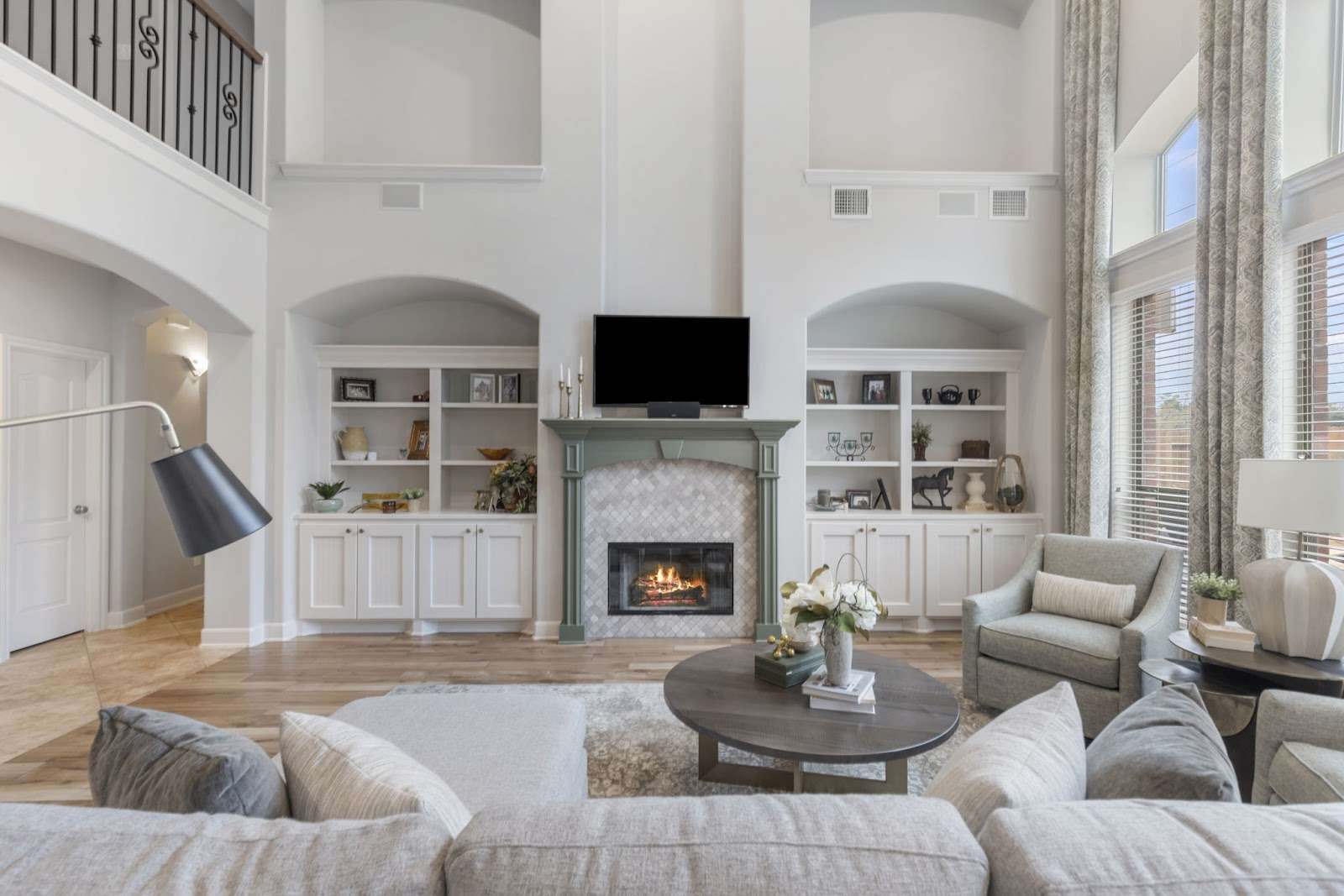
Okay, darling, let’s talk about the not-so-glamorous but oh-so-important part of sprucing up that living room of yours—the cost.
On average, you’re looking at spending anywhere from $2,500 to $15,000 to give your space a fresh new face. But don’t fret! This range includes standard updates like painting and basic flooring.
Sprucing up your living room costs $2,500 to $15,000 for standard updates like painting and flooring.
If you’re keeping it simple, you might even get away with around $2,500. But if you’re feeling fancy? Well, luxury projects could skyrocket to $40,000 or more—especially if you’re in a bustling city where everything costs a tad more.
Labor costs can account for 40% to 50% of the total project cost, but hiring the right professionals is key to ensure quality and compliance with building codes—it’s not something to skimp on. Oh, and remember to budget at least another 10% to cover any unforeseen expenses during your renovation.
And here’s a fun tidbit:
Tackle some minor DIY tasks like painting yourself, and you might only shell out $200–$500!
Calculating Costs Based on Living Room Size
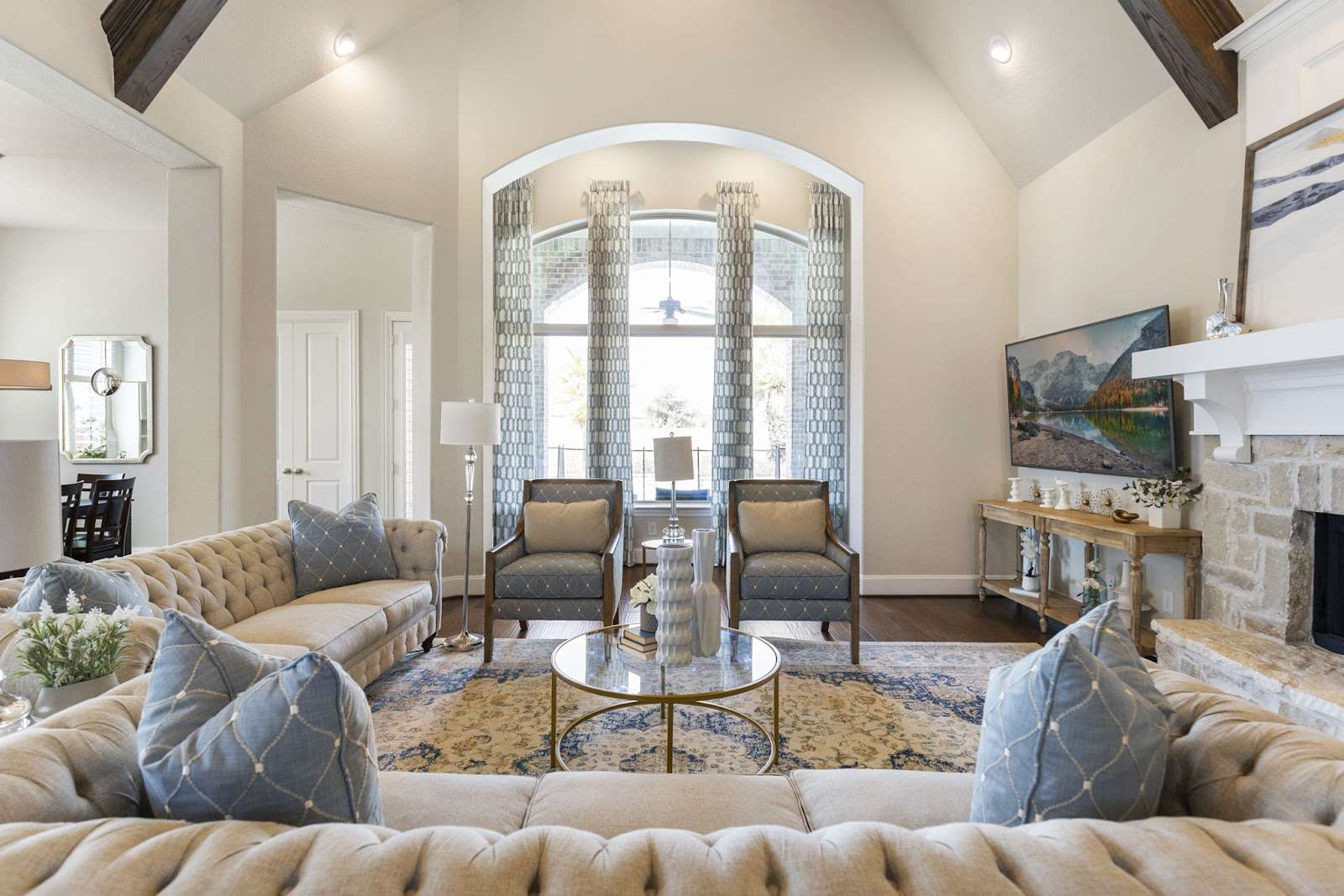
Alright, let’s talk numbers. When it comes to remodeling costs, size matters—because more space means more materials, more labor, and, yep, more money. Bigger rooms, bigger bucks, honey!
It should go without saying, but:
A cozy 200-square-foot living room will cost a whole lot less to update than a sprawling 400-square-foot space—and those numbers add up fast.
On average, you’re looking at $10 to $60 per square foot, depending on the finishes you choose and how much work needs to be done. High-quality materials will definitely push your budget higher, but they’ll also add value to your home in the long run.
So, whether you’re planning a light refresh or a total transformation, here’s a breakdown of what you might be spending:
| Room Size (sq. ft.) | Cost Range | Average Cost |
| 200 | $2,000 to $12,000 | $7,000 |
| 250 | $2,500 to $15,000 | $8,000 |
| 300 | $3,000 to $18,000 | $10,500 |
| 350 | $3,500 to $21,000 | $12,250 |
| 400 | $4,000 to $24,000 | $14,000 |
Think about how much change you really want. Are you swapping out furniture and paint, or are we talking new floors, lighting, and maybe even knocking down a wall? The size of your space is just the start—what you do with it is what counts.
Not sure where to start? At Design on a Dime, we specialize in turning budgets of all sizes into stunning, functional spaces. Contact us today—and let’s make your dream living room a reality!
Material and Labor Expenses: What to Expect

Before you whip out your wallet and go all-in on that dream living room makeover, it’s time to chat about what truly pulls the strings of your budget—materials and labor.
Flooring, for instance, can range from wallet-friendly, with vinyl costing only $2 per square foot, to more luxurious options like hardwood at $25. Investing in quality wood floors instead of LVT can be viewed as a long-term investment, ensuring durability and enhancing the aesthetics of your living space.
Walls are another story:
A simple paint job might cost as little as $1 per square foot—but fancy custom wood paneling could set you back $20.
And let’s not forget lighting—basic fixtures might only cost $50, but that custom chandelier you’ve been eyeing? That’s another $1,000 or more.
Again, the size of your room plays a crucial role in determining total expenses, as larger spaces naturally require more materials and labor, potentially increasing costs. And of course, don’t overlook labor costs. Electricians and carpenters don’t come cheap, charging $40 to $120 an hour.
High-End Installations and Luxury Finishes
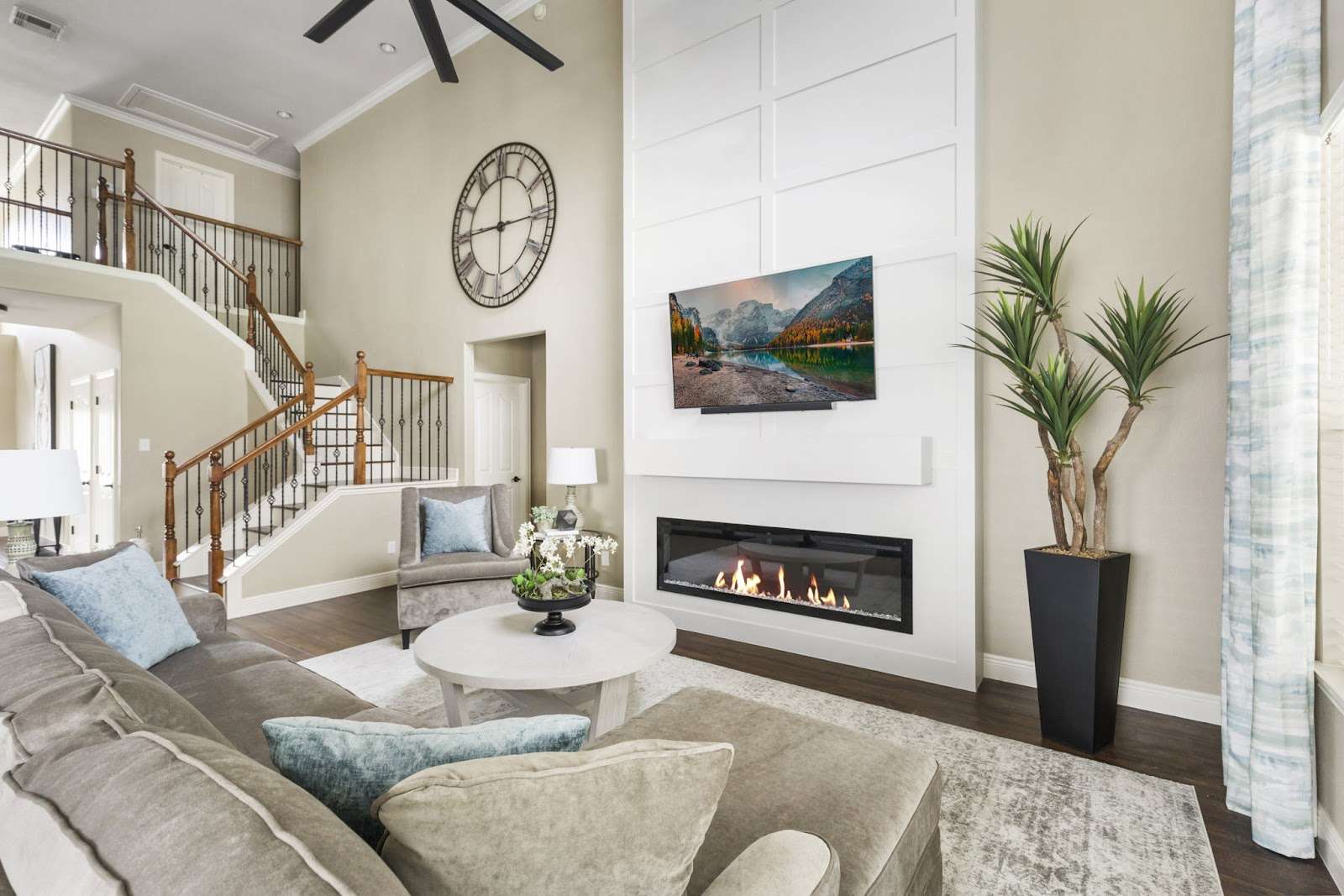
If you’re dreaming of a living room that looks straight out of a designer catalog, high-end installations and luxury finishes are where the magic happens. These upgrades don’t just elevate your space—they turn it into a statement.
But they also come with a price tag to match.
Imagine walking on herringbone hardwood floors that set the stage for timeless elegance—that’ll be at least $2,000. Natural stone countertops? They scream sophistication but can run anywhere from $3,000 to $5,000, depending on the material. And if you want custom cabinetry or built-in shelving, you should be prepared to invest over $10,000—but oh, the elegance they bring!
Thinking about smart upgrades? You can add a touch of futuristic flair for around $500 to $3,000 per room with motorized window treatments.
Designer fixtures can light up your space for $1,000 to $5,000. And for that ultimate in comfort, a plush sectional sofa with dreamy designer fabrics can set you back $5,000 to $10,000—but trust me, it’s worth every penny.
It’s an investment, darling—but one that transforms your living room into pure luxury. Plus, remodeling can boost home selling appeal, with energy-efficient window and door replacements yielding the highest return on investment (ROI) when it’s time to sell.
Keep in mind, though—hiring specialized contractors is a must for large-scale renovations.
If you’re thinking about going all-in on luxury, Design on a Dime can help you create a space that’s elegant and functional—and tailored to your budget. Be sure to check out how we brought the Lake Conroe Home Reimagined project to life with custom finishes and upscale elements that added a modern, sophisticated touch.
Professional Fees and Contractor Charges
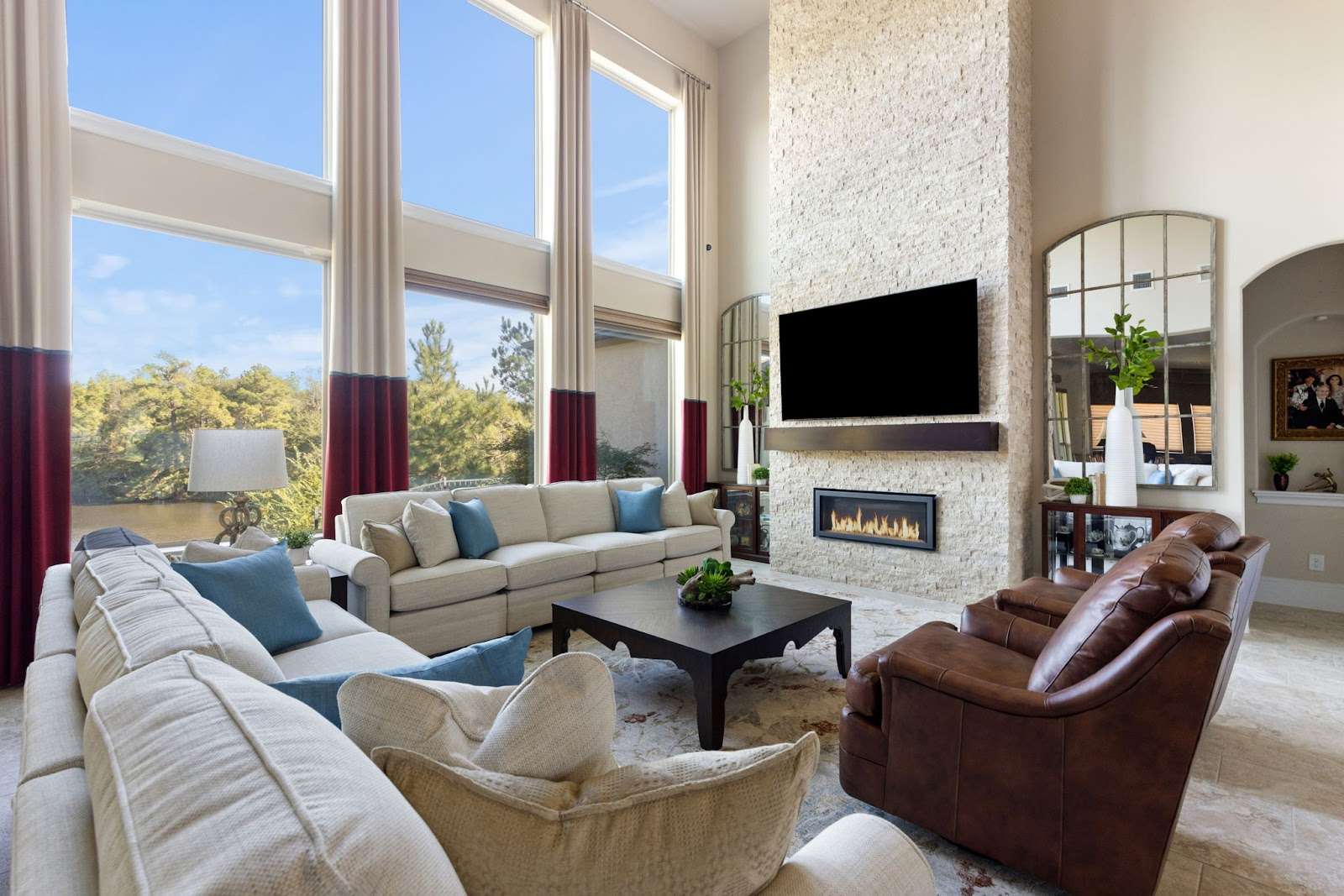
Alright, grab your favorite comfy chair—we’re about to break down the costs that might make your wallet a little nervous, but will definitely turn your remodel into a masterpiece.
Buckle up for the cost ride that makes wallets tremble but transforms spaces into a masterpiece.
In terms of hiring pros, that’s where a big chunk of your budget goes, with local regulations and permit or license costs introducing additional expenses.
General contractors will typically take 40–50% of the total project cost, overseeing everything from labor to permits. They keep the whole operation running smoothly—and that added peace of mind? Worth every penny.
Specialized labor doesn’t come cheap either! Need an electrician? Expect to pay $40–$120 per hour. A skilled carpenter? $75–$125 an hour. And again, you’ve got those pesky permits—costs vary by location, though, so check your local regulations to avoid surprise fees.
Speaking of surprises, set aside 10–20% of your budget for unexpected expenses. Trust me, hidden damage loves to crash the party—and the last thing you want is to be caught off guard mid-renovation.
Need help managing costs without sacrificing style? Whether you need a full-scale renovation or a curated refresh, Design on a Dime creates stunning spaces tailored to your vision and budget.
Frequently Asked Questions
How long does a typical living room remodel take?
Timelines of a typical living room remodel can vary based on the scope. A simple refresh, including paint and furniture updates, can take 2 to 3 weeks, while structural changes or custom installations may stretch to 6 to 8 weeks.
Are there any permits needed for a living room remodel?
Yes, you’ll likely need permits for structural changes, electrical work, or plumbing modifications in your living room remodel. Always check local regulations to avoid penalties and guarantee everything’s up to code before starting your project.
Can I live in my house during the remodeling process?
It’s possible to stay in your house during the remodeling process, but keep in mind noise, dust, and safety. Temporary relocation might be wise if major structural changes or hazardous work are involved, especially if you have kids, pets, or allergies.
What are some budget-friendly design tips for a remodel?
It’s best to focus on high-impact, budget-friendly upgrades. Start with decluttering to create more space and rearrange existing furniture for a fresh look. You can mix in secondhand finds and repurpose decor, too, and play with lighting and textiles to add warmth. Small changes can make a big impact here.
How can I make my living room more eco-friendly?
One way to make your living room more eco-friendly is to choose secondhand furniture, bamboo flooring, and energy-efficient, LED lighting. You can integrate natural textiles and recycled décor to create a cozy, eco-friendly space that blends vintage charm with modern sustainability.
Bringing Your Dream Living Room to Life
A living room remodel isn’t just about adding new furniture or fresh paint—it’s about creating a space that feels like home. With the right plan, smart budgeting, and a little creativity, you can transform your space without unnecessary stress or overspending.
Whether you’re refreshing the look or going for a full remodel, every choice you make should reflect your style and comfort.
Ready to transform your living room without breaking the bank? Design on a Dime is here to help! Get in touch with our team—and let’s create a space that’s perfectly you.