
The “Texas Resilience” Home: Creating Spaces Ready for Storms, Heatwaves, and Rolling Blackouts
Creating spaces ready for storms, heatwaves, and rolling blackouts is not just smart. It’s how Texans look out for their own.
We know the weather here doesn’t play around. One minute it’s the blazing sun, the next it’s sideways rain and power lines down.
This guide is packed with down-to-earth ways to make your home more resilient, without losing the charm, comfort, and style that make it yours. Whether you are building new or updating what you’ve got, there’s a whole lot you can do to stay one step ahead—no matter what rolls through.
Ready to make your home as strong and steady as a live oak? Let’s get into it.
Designing for Flood Zones: Elevation, Drainage, and Floodplain Planning
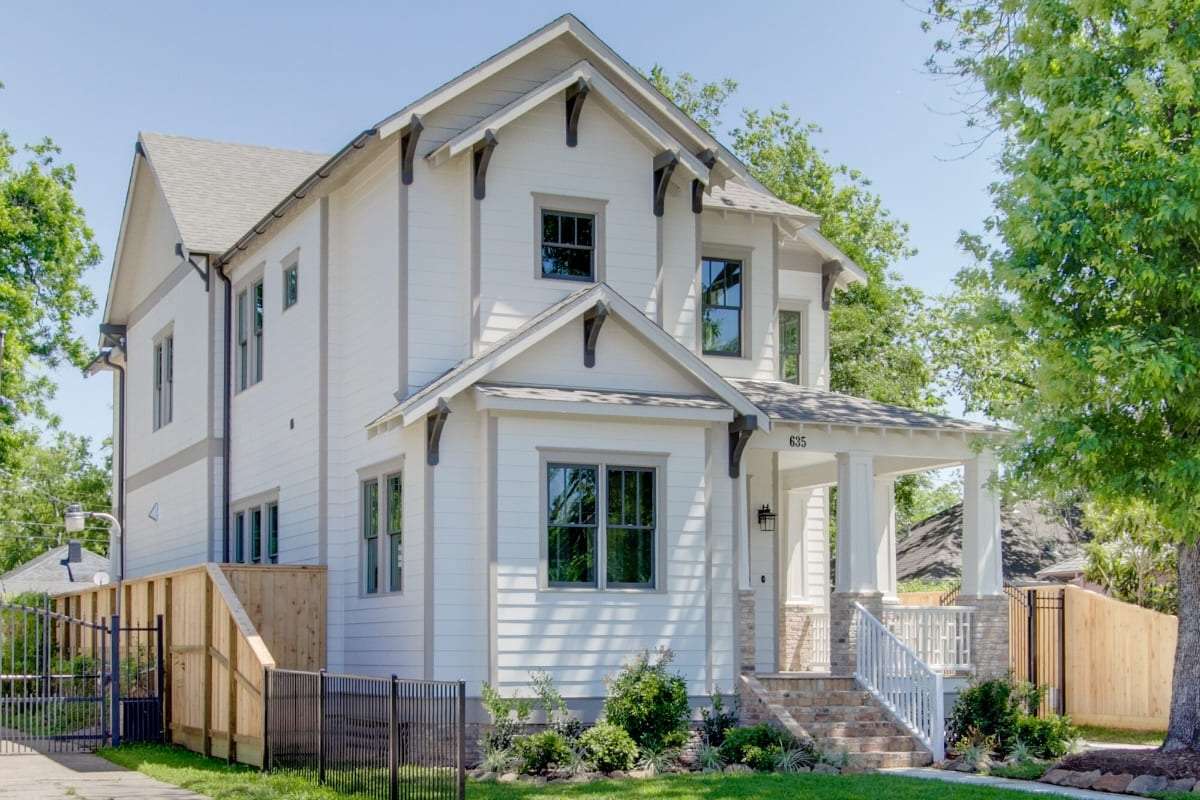
Floods—no one’s favorite surprise guest, sugar. But here in Texas, it’s wise to plan like they’re showing up uninvited at least once or twice. Resilient design doesn’t just keep your home dry—it helps you sleep easy when the forecast turns mean.
Start with elevation. Building your home at least two feet above FEMA’s Base Flood Elevation (BFE) is the gold standard. No BFE mapped yet? Then you go higher—three feet minimum, sugar.
That height isn’t just peace of mind—it’s leverage for lower flood insurance premiums.
Add a little “freeboard”—that’s practically bonus elevation, one to four feet—and you might even sweet-talk the insurance folks into a discount.
Your foundation options will depend on the site, but for flood-prone areas, think pier-and-beam systems, concrete pilings, or engineered fill foundations.
Each one gives you elevation and stability—without compromising the curb appeal. Don’t stop at the slab, though.
[image]
A truly resilient home takes into account how water moves across the entire lot:
- Sloped landscaping helps channel runoff away from the house
- Permeable pavers in driveways and walkways allow water to soak into the ground instead of pooling
- Sump pumps in crawlspaces or basements can handle excess water before it becomes a problem
Put it all together and you’re not just elevating a home—you’re building a buffer. One that keeps the water out, keeps your investment safe, and keeps you from wringing your hands every time it pours.
In Texas, we don’t wait for the storm to teach us the lesson—we build like we’ve already learned it. Let our team help you remodel with purpose, style, and strength, so your home can stand tall through anything the forecast throws your way.
Safe Rooms and Structural Reinforcement
You’ve raised the slab, picked your siding, and maybe even added a metal roof tougher than a West Texas ranch hand. Now, let’s talk about building yourself a safe room that earns its name.
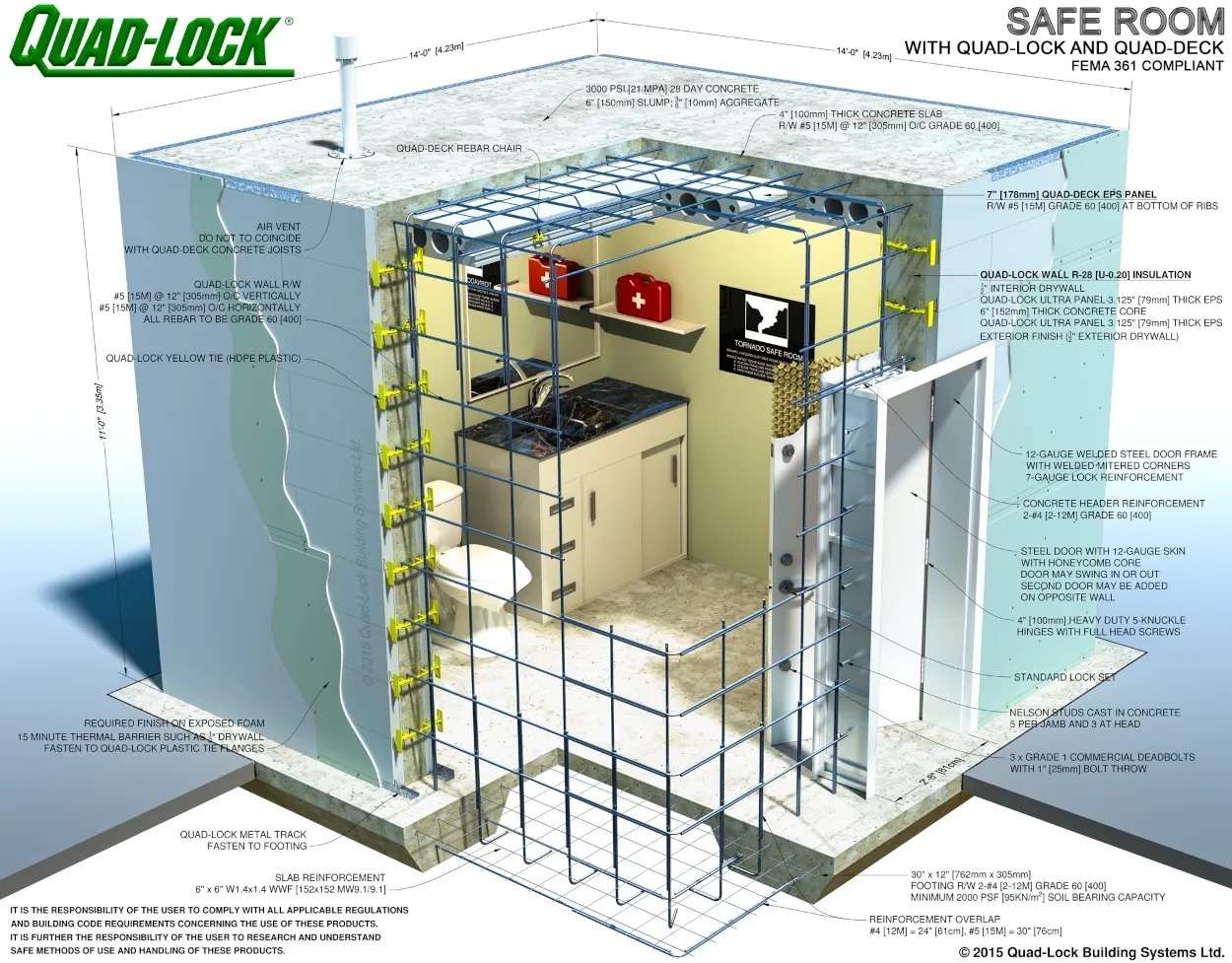
Start with 4-inch reinforced concrete walls—the kind that won’t flinch when tornado sirens start howling. Stick to real brick or masonry—no faux, no fluff. Then, reinforce the entire structure with steel doors, triple deadbolts, and a secure foundation anchored right to your slab.
It’s not just about materials, though.
A safe room needs to function when the rest of the house can’t:
- Emergency lighting (because flashlights fail)
- Ventilation systems (so you’re not sweating it out)
- Hard copies of your emergency plans and local resources (because websites don’t work when the grid’s down)
Every element should meet or exceed FEMA safe room guidelines, and yes, sugar, that includes permits and clearly labeled blueprints. Think of it like canning season:
Label everything right and you’ll thank yourself later.
See, resilience isn’t just smart—it’s a little bit fabulous, too.
Beauty Meets Brawn: Durable Materials for Every Forecast
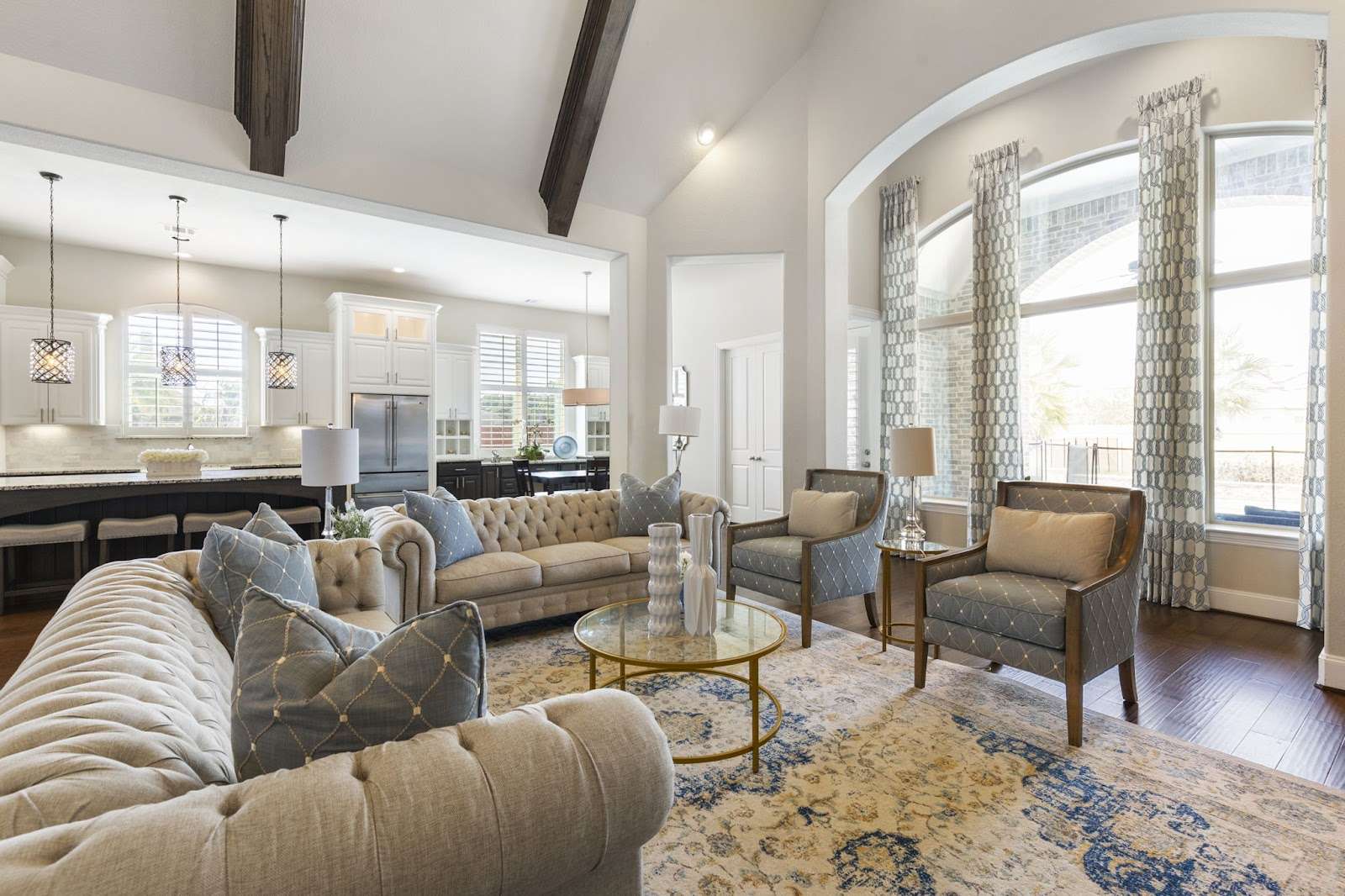
Let’s be real, honey, when the Texas sky decides to put on a show—scorching heat at noon, thunder and hail by dinnertime—you need more than a pretty paint job holding your house together.
You need materials that take a hit and keep shining.
Forget delicate finishes that’ll curl up after a week of rain or buckle in triple-digit heat. We’re talking about limestone cladding that shrugs off storms, impact-resistant roofing tough enough to handle hail season, and windows smart enough to block heat without making your home feel like a cave.
And no, durability doesn’t necessarily mean sacrificing style—as our Jodi Project clearly shoves. It means investing in long-term comfort, lower maintenance, and fewer repairs when the weather turns wild.
Bonus points for materials that are eco-friendly and low-tox. Think ENERGY STAR–rated windows, Class 4 shingles, siding with built-in rain screens, and durable flooring materials.
These choices don’t just hold up—they clean up easily, require less repainting, and keep all that mold, rot, and rust at bay. Plus, affordable flooring options like bamboo and cork offer resilience and eco-friendliness without breaking the bank.
Need a cheat sheet? Start with this:
| Exterior Walls | Kitchens & Baths | Living Spaces |
| Fiber Cement Siding | Granite Countertops | Bamboo Flooring |
| Stucco Finish | Porcelain Tile | Low-VOC Paint |
| Limestone Cladding | Recycled Glass Tile | Reclaimed Wood Accents |
| Rain-Screen System | Flood-Proof Porcelain | Automated Smart Glass |
Choose with care, and your home won’t just survive Texas weather—it’ll thrive in it, beautifully.
Ready to upgrade that builder-basic vibe into storm-worthy beauty? We specialize in remodeling that looks good, lives well, and lasts—because your home deserves more than a quick fix.
Smarter Layouts for Extreme Climate Events

Designing for resilience in Texas doesn’t stop at what your house is made of, hun—it’s also about how it’s laid out. A smart floor plan can make the difference between riding out a storm in comfort or scrambling to adapt when the grid goes down.
From heatwaves to flash floods, your layout should flex with whatever Mother Nature throws your way.
That starts with flexible spaces—like a guest room that can double as a safe room, or a playroom that can turn into a cool sleeping zone during a heatwave.
Multi-use furniture with hidden storage can make this switch seamless, while sliding partitions or accordion walls help you adapt room size and function depending on weather, guests, and emergency needs.
Thermal zoning is another game-changer. By grouping rooms based on how they’re used and when—like keeping bedrooms on the cooler, shaded side of your house—you make it easier to regulate temperature and reduce energy strain during extreme heat.
And don’t underestimate the power of natural airflow.
Homes designed with cross-ventilation in mind—windows placed across from each other, transoms above doors, and ceiling fans positioned strategically—can stay breathable and livable even when your AC is out of commission.
Your Texas house should work as hard as you do—so, let’s build one that knows how to adapt, especially when the weather’s acting up.
Solar + Battery Storage: Off-Grid When It Counts
We all know the power grid doesn’t always come through when it counts. And between the heatwaves that melt your mascara right off and storms that knock out entire neighborhoods, it pays—and I mean that quite literally, honey—to build a home that’s ready to hold its own.
While Texas sunbathing usually involves pool floaties and sweet tea, lately it’s our rooftops that are getting all the Vitamin D—and, honey, they’re soaking it up.
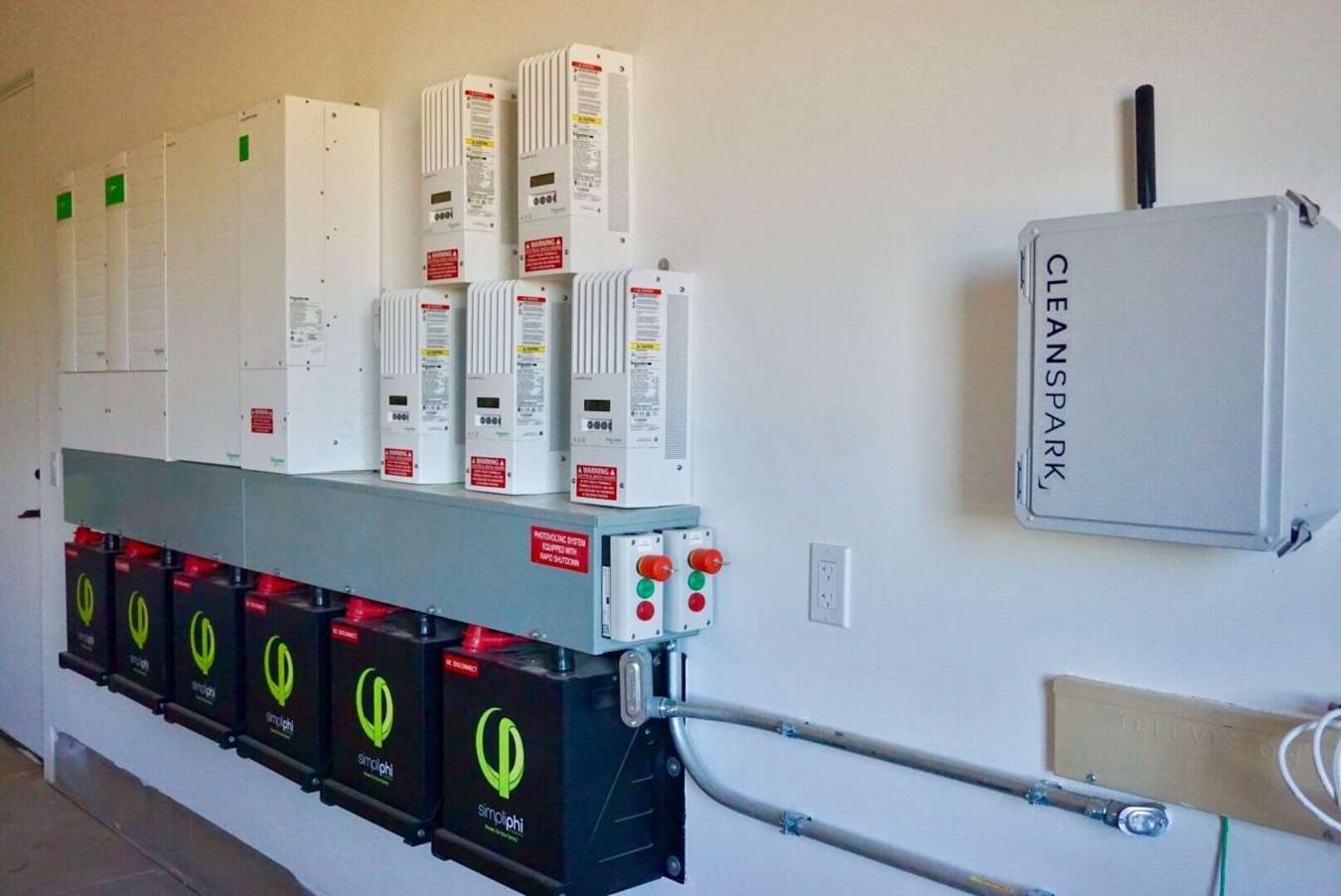
And that sun, as brutal as it might be, can also be your best backup plan. Solar panels paired with battery banks let you store daytime energy and power your essentials when the grid taps out.
In other words, no more fumbling with flashlights when a thunderstorm rolls through.
Here are a few smart pairings worth considering:
- Solar panels and battery backup, such as Tesla Powerwall, Enphase IQ, or Generac PWRcell, for continuous coverage during outages
- Critical load circuits that power only your essentials—refrigerator, AC, Wi-Fi, lighting—without overloading the system
- Energy management systems that let you decide which appliances take priority when running on backup
And this is not just smart for your family—it’s good for Texas as a whole. Our state now leads the nation in new solar installations, with 2.7 GWdc added last year alone.
By going solar, you’re adding strength to your home and stability to the grid. Now, isn’t that a win-win?
Energy Savings That Guard Against Outages
Going off-grid entirely might not be realistic for every home—but you can build in serious resilience with a mix of upgrades that work together.
You can start here:
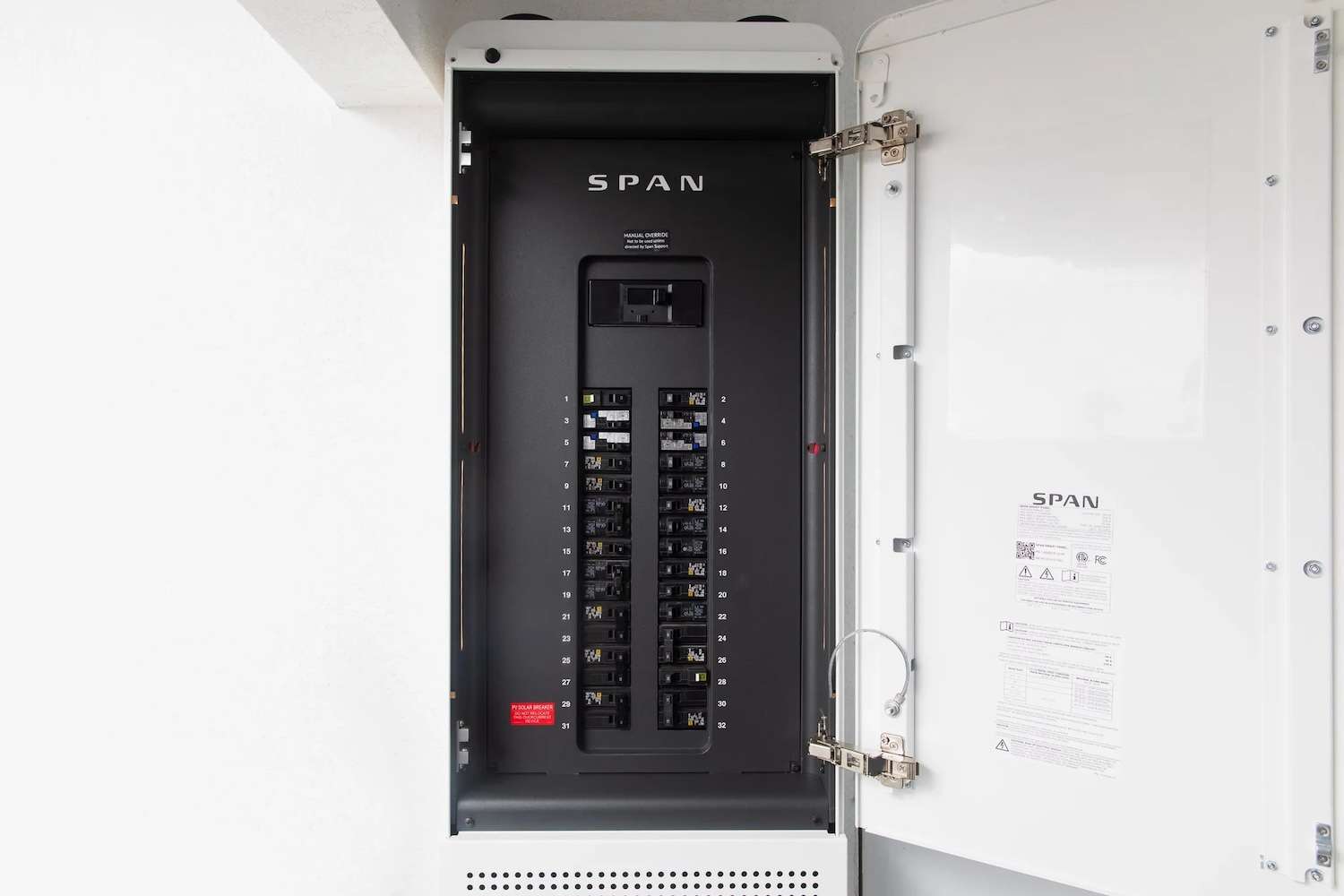
- Smart electrical panels (like SPAN or Leviton) help you track and manage your power use in real time—perfect during rolling blackouts
- Whole-home or portable generators as a reliable fallback, especially in areas prone to outages
- Demand response AC systems and smart thermostats that can reduce peak load and keep your home cooler longer
Even modest improvements, like adding attic insulation or sealing leaky ducts, can keep your home cooler when it matters most and take pressure off the entire state’s energy supply.
In case you’re having any doubts, just look at the numbers:
| Upgrade | Impact on Texas Grid |
| Attic Insulation and Duct Sealing | 1,725 MW peak reduction |
| Smart Thermostat | 995 MW peak reduction |
| Demand Response AC | 3,010 MW peak reduction |
| Heat Pump Water Heater | 37 MW peak reduction |
Smart energy choices don’t just protect you when the lights go out. They also save you money year-round, reduce strain on the grid, and help your home stay livable through just about anything.
Now, that’s energy resilience, Texas-style.
Tough climates need smart design. From durable finishes to energy-resilient layouts, we help homeowners remodel with intention. Let’s turn your space into a home that’s built to thrive.
Roofing and Window Solutions for Fire, Hail, and Heat
If you’ve ever watched golf ball–sized hail bounce off your porch and seen storm clouds roll in like a freight train, you already know—Texas weather doesn’t play nice.
And your roof and windows need to be prepared for it.
A resilient exterior is all about keeping your family safe, your home comfortable, and your energy bills in check when the weather goes wild.
Let’s start at the top—literally. Your roof is your first line of defense, and a vulnerable one at that. In Texas, nearly 40% of roof failures come down to poor installation, so your first move is hiring a seasoned pro who knows what this climate demands.
Here are a few smart roofing choices:
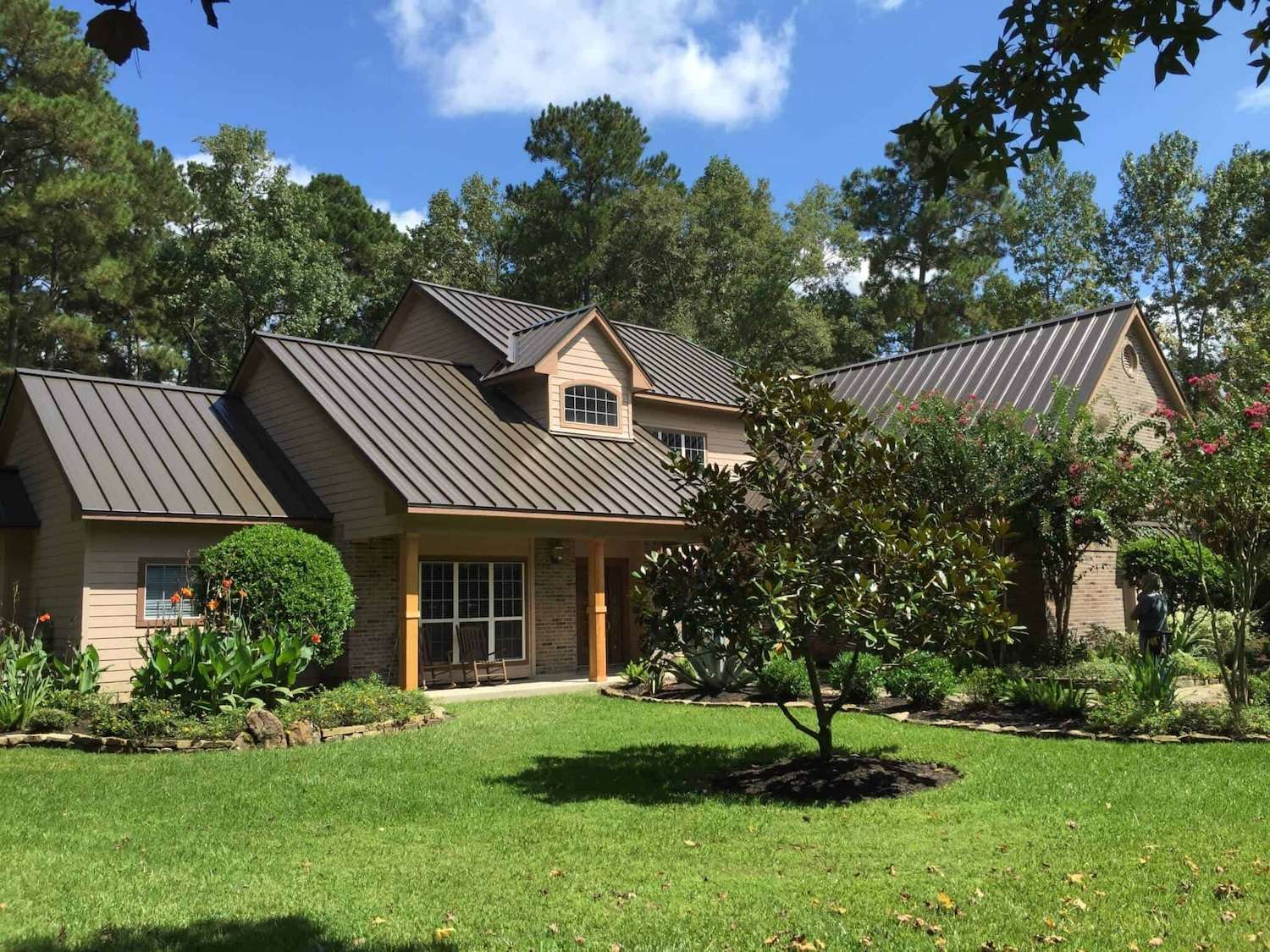
- Metal roofing: Lightweight, long-lasting, fire-resistant, and a champ against hail. Bonus? It reflects sunlight, helping reduce attic heat buildup.
- Clay or concrete tiles: Heavy-duty and durable, with high fire ratings and natural insulation. Keep in mind that your roof structure must be strong enough to carry the weight, though.
- Class 4 impact-rated shingles: A solid option for traditional aesthetics with protection against hail and wind.
Want extra insurance against the heat? Add radiant barriers beneath your roof decking to keep attic temps from soaring.
If you live near wildfire-prone areas (yes, even parts of Texas qualify), wildfire-rated roofing materials, like Class A asphalt shingles, can offer critical protection.
For extreme weather, impact-resistant windows or storm shutters are a must. Not only do they protect against flying debris during storms, but they prevent pressure imbalances that can cause roof blow-off, as well.
Keeping the Essentials Running: Water and Plumbing Systems
When Texas weather flips the script—and you know it will—you don’t want your plumbing system waving the white flag. Your water supply, pipes, and cooling systems need to keep humming, even when the grid’s down and your neighbors are Googling “how to shower with bottled water.”
And with the state’s aging infrastructure causing frequent water main breaks and leak-related losses, it’s important to think about water resilience, too.
Simple upgrades can make all the difference, honey:
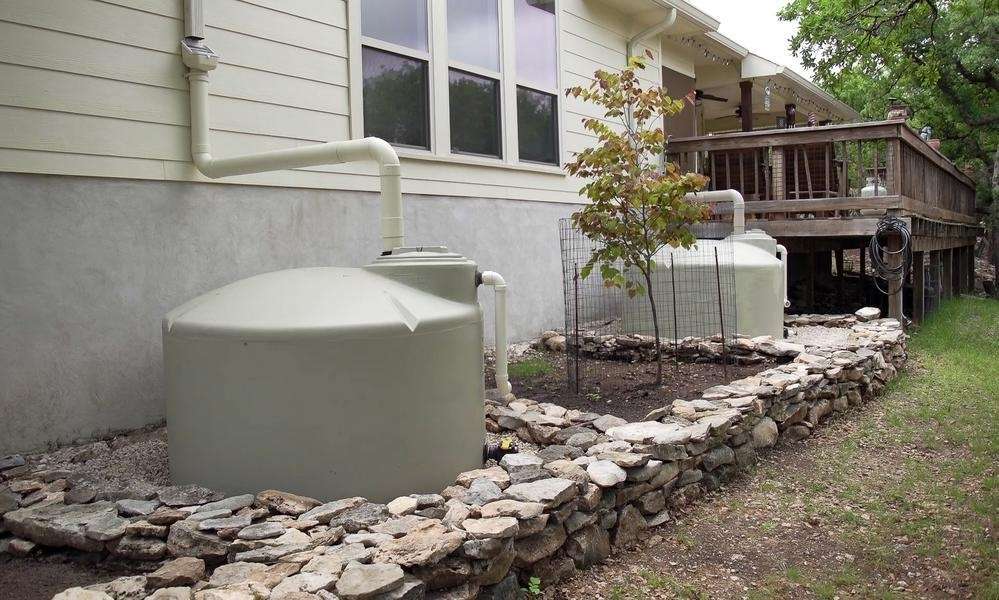
- Rainwater catchment systems to collect and reuse what falls naturally (great for irrigation, flushing toilets, and backup use)
- Greywater systems to reuse laundry or sink water safely
- Leak detectors and flood sensors that alert you before the soggy carpet situation
- Pressure-regulating valves to prevent sudden surges from damaging appliances or fixtures
With backup water tanks and point-of-use filtration, you’re adding a layer of protection that’s especially valuable during those “boil water” emergencies.
Texas utilities are required to report water quality results and run emergency response drills—so, your city is working behind the scenes. Your job? Make sure your home is just as prepared.
Texas learned the hard way that frozen pipes are not just a northern problem—but a little prep goes a long way toward keeping things flowing.
Here are four fabulous, fuss-free strategies for resilient pipes:
- Insulate exposed pipes—especially in garages, attics, and under sinks. Foam sleeves and heat tape are budget-friendly and highly effective.
- Seal drafts near pipes with caulk or spray foam to prevent cold air from creeping in.
- Install frost-proof hose bibs outdoors or use foam faucet covers during cold snaps.
- Let faucets drip during freezes—it’s a tiny trickle that saves a big repair bill.
Think of it like dressing your pipes for the weather, honey. A few low-cost steps now save you thousands down the line.
Modular and Flexible Building Systems for Fast Recovery
When a storm tears through your life, waiting months for a rebuild feels like salt in your wound. You need comfort back fast, without cutting corners and draining your savings. That’s where modular and flexible building systems shine:
They’re fast, adaptable, and built to last.
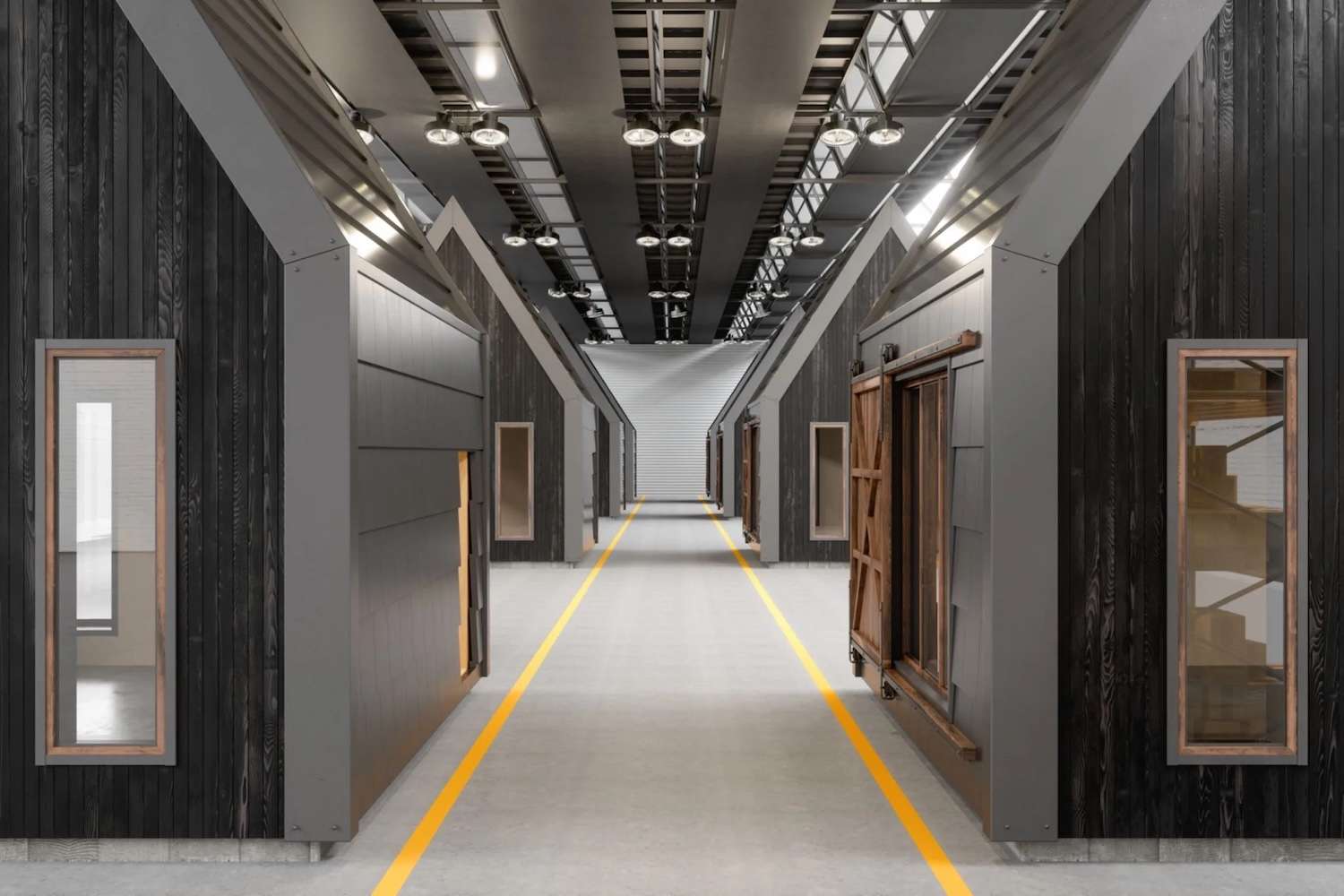
Modular construction cuts build time by as much as 40% and saves up to 20% on costs, without sacrificing style, safety, or quality. Unlike traditional homes, prefab units are built in controlled environments, then shipped and assembled on-site like puzzle pieces.
Of course, speed matters—but so does making the space your own.
With modular and prefab builds, you’re not stuck with a one-size-fits-all layout. These homes are designed to evolve with your life.
From reconfigurable floor plans to interchangeable wall panels and future-ready connectors, you can personalize now and plan for the future—whether that’s an extra bedroom for Grandma or a quiet nook for your work-from-home hustle.
Plus, modular systems slash material waste, shrink labor needs, and dodge weather delays, keeping your wallet and your sanity intact.
And no, these aren’t just band-aid solutions. Modular homes can be permanent residences with upgraded finishes, smart energy systems, and even fire- or flood-resistant materials built right in.
Because in Texas, we don’t just rebuild—we come back better.
Neighborhood Resilience: Building Strength Together
When disaster strikes, it’s not just about your home. It’s about your whole street, the whole town. Because let’s be honest:
Even the sturdiest house won’t feel safe if your neighbors are struggling.
Resilient neighborhoods don’t happen by accident. They come from a blend of community action, policy support, and shared resources—and a whole lotta heart.
Think cooling centers during heatwaves, local leaders updating outdated codes, and solar microgrids that keep the lights on when the power grid can’t.
Texas’ Statewide Resiliency Plan (SRP) is like a group project where every agency actually shows up.
Transportation, emergency management, economic development—you name it, they are all in the room, comparing notes and planning for long-term safety.
And it’s not just talk, either. House Bill 2618 now requires local communities to develop disaster recovery plans, and some of those plans come with real funding opportunities (hello, PROTECT grants).
You don’t need a fancy title to build resilience. Sometimes it’s as simple as knocking on your neighbor’s door, starting a Facebook group, or pushing for that new cooling center down the block.
Community-led efforts are often the first to respond and the last to give up.
Because when one house is safe, that’s good—but when the whole block stands strong together? That’s Texas-level tough, honey.
Frequently Asked Questions
What’s the best way to find out if my property is in a flood zone?
You should go to FEMA’s Flood Map Service Center, an online resource with flood maps and other official information. Other than that, you can contact your local government and request information from them or look up your property’s history of flooding.
Can I make my existing home more resilient, or do I have to start from scratch?
Yes, many upgrades—like impact-resistant windows, better insulation, and adding backup power—can be retrofitted into existing homes. So, no, you definitely don’t have to start from scratch!
How do I know if my home’s current electrical system can handle backup batteries or solar panels?
It’s best to have a licensed electrician do a load assessment and help you plan for any needed upgrades. While it’s not always necessary, upgrading your electrical panel guarantees safe and reliable operation.
Will designing for resilience make my home harder to sell?
Quite the opposite—these days, buyers actually value homes that are prepared for climate challenges and can be energy-efficient from day one.
Let’s Build Something That Lasts—Together
Honey, think of your Texas home as more than just shelter—and remember that a truly resilient home isn’t built in a day.
The good news? You don’t have to figure it all out alone.
Whether you are dreaming up a fresh build or rethinking your current space, it helps to have a partner who knows how to balance beauty with backbone. At Design on a Dime Interiors, we specialize in turning “what if” into “we’ve got this,” with thoughtful designs made for Texas living—no matter the forecast.
If you’re ready to take the next step, book your consultation and let’s create a home that’s as prepared and powerful as you are.
Because resilience doesn’t mean going without—it means building with heart.