
How to Create a Bedroom That Truly Helps You Rest: 6 Things You Can Try Today
Wondering how to create a bedroom that truly helps you rest?
You’re not alone.
Honey, that’s not just a fancy idea. It’s something your mind, body, and spirit can feel the moment you step through that doorway.
Your bedroom should greet you the way a good friend does:
Soft, warm, and ready to help you let the whole day go.
And no, I’m not talkin’ about buying out the whole décor aisle or turning your room into a Pinterest science project. I’m talkin’ about designing a space that supports the real you, so your shoulders drop, your breath eases, and your thoughts finally quiet down.
If you’re ready to turn your bedroom into a true little haven, let’s walk through it together.
Lighting That Works With Your Body’s Natural Rhythm
Here’s the thing, sugar:
If your bedroom lighting fights your body’s natural clock, your sleep never really stands a chance.
Your day starts with sunlight, so let it in. Open those shades in the morning and give your brain that gentle signal that it’s time to wake up and feel alert.
It’s a well-known fact that daytime light exposure boosts alertness and suppresses melatonin, helping you keep that internal clock in sync with the natural day-night cycle.
Sheer curtains are the way to go. They let natural light filter softly and keep things bright while maintaining privacy.
Once the evening rolls in, flip the script.
The goal is the complete opposite. You want that soft, cozy glow your body associates with winding down, so switch to warm bulbs under 3000K and use dimmers to slowly dial things down as bedtime gets closer.
The darker your room gets, the easier it is for your body to ease into deep, natural rest.
Now, if you’re sensitive to outside light, blackout curtains and layered window treatments can be a real gift. They block streetlights, early sun, and any little glow that might break your focus on sleep.
A well-planned mix of natural sunlight and cozy evening glow makes your space feel effortless, and that is exactly the kind of vibe Design on a Dime loves bringing to life.
Color, Décor, and Layout That Create a Calming Sanctuary

Ever notice how some rooms feel like a deep breath, while some feel like your brain has twelve tabs open at once?
The colors you choose and the way you arrange your space have a whole lot to do with that.
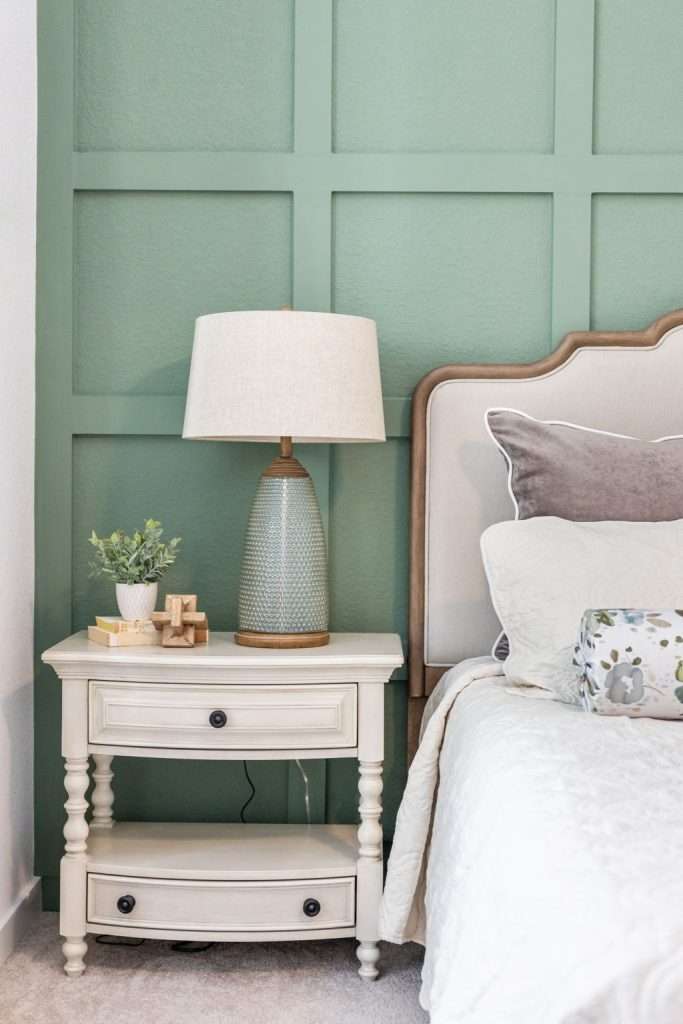
First, let’s tackle colors. Soft blues, gentle greens, muted blush tones, and warm neutrals are all naturally soothing. They’ll quiet the visual noise in the room and help your body shift toward rest. That’s why we used a palette of greens and creams for the Flores Project, turning the bedroom into a retreat.
Bold reds and neons do the opposite, suppressing melatonin and shouting “Stay awake,” and that’s what we’re trying to avoid by keeping everything low-saturation.
Choose one main color family, then play with lighter and darker shades of it, so the room feels connected and peaceful.
Now, honey, your layout matters just as much as your palette. A minimalist approach makes the space feel clear and grounded. So, I suggest keeping the décor simple, avoiding visual clutter, and giving each item a purpose.
Place the bed where you can see the door without being right in line with it, and keep the pathways open so nothing blocks your movement.
When your colors, furniture, and layout all work together, your bedroom just… breathes. Creating that kind of harmony is what great design is all about, and a little guidance from Design on a Dime’s team can make it feel effortless.
Mattress, Bedding, and Textiles That Keep You Comfortable All Night

Sure, you’ve calmed the colors and cleared all the clutter, but a peaceful space can only do so much if the mattress and pillows leave you tossing and turning.
That means it’s time for comfort to become the star of the show.
When it comes to your mattress, think about how you sleep and what your body needs.
Side sleepers often feel better with a little more cushioning to keep hips and shoulders happy, while back and stomach sleepers might need something closer to medium-firm for steady support.
Of course, materials matter, too.
Hybrids and latex tend to balance pressure relief with airflow, which keeps the mattress from trapping heat and helps your body stay at a steady temperature through the night.
Pillows and bedding work the same way. Match your pillow to your sleeping position, then pick breathable materials, such as cotton, linen, and silk. The best part? They can all be layered to match the seasons, so you’ll stay cozy in winter and cool in summer.
One more thing to consider is what sits under your bed. I often suggest under-bed storage for maximizing small rooms, but if your priority is airflow, it might not be the best option. Leaving that area open helps the mattress breathe, which could keep your sleep surface a bit cooler.
Trust me, when you combine supportive essentials with breathable, high-quality textiles, your whole sleep environment becomes softer, fresher, and far more restful.
Air, Temperature, and Sound That Build a Restful Environment

You know this better than anyone, but there are three big thieves that keep sneaking into your bedroom at night:
Bad temperature, cranky air, and noisy neighbors.
Even the prettiest bedrooms will still feel restless when the air is all stuffy, the temperature is off, and every little noise keeps poking at your peace. That’s why creating a truly restful environment begins with getting those basics right.
You want to settle in without distractions, right?
Well, for starters, you can keep your room cool. Most people sleep best in a space that feels comfortably cool, not cold. A fan, a cracked window, or a gentle cross breeze can help freshen the air and keep carbon dioxide from building up overnight.
Humidity matters, too, especially here in Texas. Trust me, your throat and sinuses will thank you.
Oh, and let’s not forget sounds. Soft, steady noise is easier on the nervous system than sudden ups and downs. Thick curtains, rugs, and upholstered furniture help absorb sound, making your bedroom feel more cushioned and quiet.
If you live somewhere with a bit of nighttime bustle, I suggest getting a white noise machine or a gentle fan to smooth out those unpredictable sounds and give your mind something calm to settle into.
When the air feels clean, the temperature feels right, and your bedroom stays quiet, your body finally gets the message that it’s safe to rest.
Scent, Texture, and Natural Materials That Bring a Calming Vibe
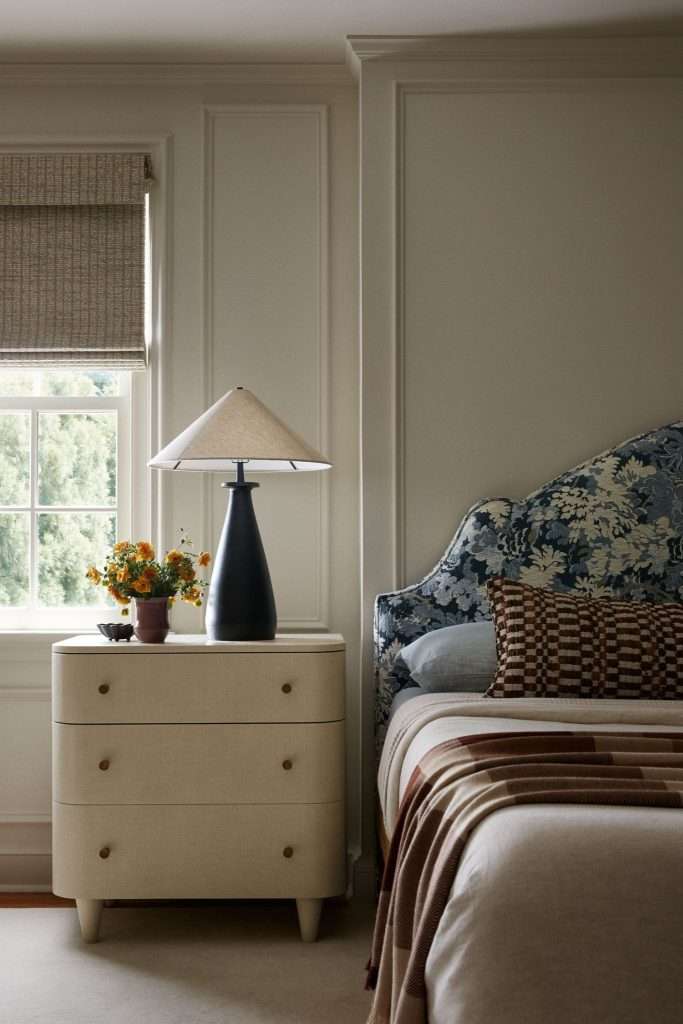
A cozy space doesn’t happen by accident, darlin’. It starts with those small, sensory touches that instantly put people at ease. And that brings me to soft scents, warm textures, and natural elements. They all work together to create a calm, grounded atmosphere that feels good the moment you step inside.
I recommend soothing fragrances, such as lavender, eucalyptus, or chamomile, that help quiet the mind. A gentle diffuser or a light linen spray can freshen the room without overwhelming it. The goal is a soft hint of scent that says “You’re safe here,” not something you can smell from the front door.
Then, you’ve got natural textures that bring the warmth home. Think wooden furniture with a mellow finish, woven baskets, cotton throws, and soft rugs your feet naturally sink into. These materials make your room feel lived in and loved.
If you enjoy a little greenery, a few plants can brighten the space and add a touch of life. Even one healthy plant is enough to make a difference, hun.
And remember:
The calm vibe also comes from cleanliness and good air flow. Everything else aside, a tidy room with fresh air can lift the mood of a space.
It’s the small sensory touches, like soft throws, natural fibers, and gentle scents, that wrap your bedroom in comfort and make it feel like home. When all these details come together, it’s amazing how peaceful a space can feel. That’s the kind of care Design on a Dime brings to every design.
Technology and Sleep Hygiene That Support Real Rest
Sure, electronics can be helpful, hun. But they can also pull your mind out of sleep mode before you even realize it.
On that note, a restful bedroom starts with setting a few simple boundaries around when and how you use your devices. First job?
Kick the bad tech habits out of bed.
You see, hun, screens stay bright, loud, and stimulating long after your body is asking for quiet. That’s why it’s so important to limit phone time before bed and give your brain some room to slow down.
Some people might prefer a completely tech-free bedroom, while others do well with a simple “no screens after this hour” rule. It’s entirely up to you, as long as you give your body a clear signal that it’s time to rest and unwind.
If you keep devices nearby, make them behave. Night mode, lowered brightness, and minimal notifications help prevent those little interruptions that pull you out of a calm state. I suggest keeping the phone face down, too. That way, you’re not tempted to check it every few minutes.
That said, smart tech can support your routine when used intentionally. A sleep tracker, a gentle alarm, or an app-controlled timer for your diffuser could all help you understand your patterns, leading to a smoother wind-down.
The key is using tech that helps you rest, not tech that steals your attention.
Frequently Asked Questions
How often should I update pillows and bedding for the best sleep?
Generally speaking, most pillows last 1 to 2 years, while mattresses about 7 to 10 years. Replace bedding when it loses structure or feels less supportive, especially if you notice you’ve been waking up stiff or achy lately.
Do blackout curtains really improve sleep quality?
Yes, they improve sleep quality, at least in the sense that they stop early morning light from signaling your brain to wake up. They’re particularly helpful for shift workers or light-sensitive sleepers.
What should I avoid storing in my bedroom to keep it restful?
You should skip anything tied to work or chores. Storing paperwork, unfolded laundry, and gym equipment in your bedroom can create visual stress and make it harder to mentally unwind at the end of the day.
Is sleeping with pets always disruptive?
No, it’s not always disruptive. Smaller pets, for example, may not disturb you at all. That said, if movement or allergies are an issue, you can always set up a pet bed near yours so you both can rest comfortably.
How do I design a restful bedroom in a small space?
You can use vertical storage, lighter hues, and minimal décor. Even small rooms feel soothing when clutter is under control and surfaces are kept clean.
Make Your Bedroom Work for You
Here’s the deal, sleeper-in-training:
We spend about one-third of our lives in bed. So, the bedroom better be doing more than just looking cute.
When you finally slow down at the end of a very long day, your room should rise up to meet you with calm, comfort, and even a little bit of joy. A space that supports real rest makes everything feel lighter, from your morning mood to your focus at work.
Want a bedroom that feels intentionally designed instead of pieced together?
We can help you get there.
Book a design consultation with Design on a Dime, and we’ll help you build a space that feels peaceful the moment you walk in and restorative the moment you lie down.