
How Your Home’s Design Affects the Way You Feel Every Day
Have you ever thought about how your home’s design affects the way you feel every day?
It isn’t just about pretty colors or fancy furniture. It’s about how your space treats you back.
The lighting that greets you in the morning, the flow between the rooms, even the way your sofa faces the window can all lift or lower your mood without you realizing it. When your home supports your rhythm, you feel calmer, clearer, and more like yourself.
Ready to see what your walls and windows have been saying about you all along?
The Psychology of Home: Why Design Shapes How You Feel Every Day
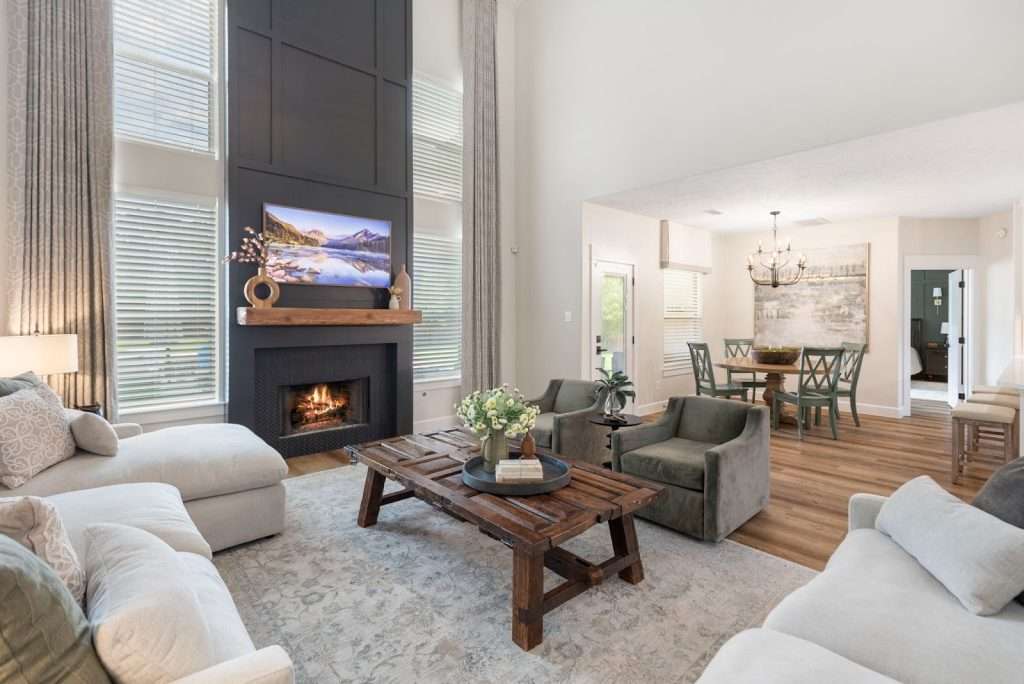
Walk into one home and your shoulders drop. Step into another, and something in you tenses up.
Honey, that is not random. The way your home looks, sounds, and flows is quietly steering your emotions every single day.
Design psychology is about creating spaces that keep your body and mind in sync. You move better in a floor plan that flows easily, with clear paths and comfortable zones for cooking, chatting, and resting.
And you know what happens when your environment feels organized and intuitive?
Your stress level drops, and your energy lasts longer.
So, give yourself places that let you reset; bedrooms that truly let you rest, a cozy reading chair tucked by the window, a breakfast nook that catches that soft morning light. All these small “retreat spots” give your nervous system permission to slow down.
Furniture placement plays a big role, too. But what matters most, sugar, is coherence:
How the shapes, spacing, and surfaces work together without visual chaos.
Oh, and be sure to keep your home kind to your senses. Comfortable temperatures, fresh air, and gentle humidity can all support mental clarity and calm. Natural light and color temperature also cue your brain throughout the day:
Bright, balanced light keeps you alert and motivated, while warmer evening tones invite you to unwind.
When your home supports how you live, it quietly rewires how you feel.
How Light and Color Set the Tone for Every Hour
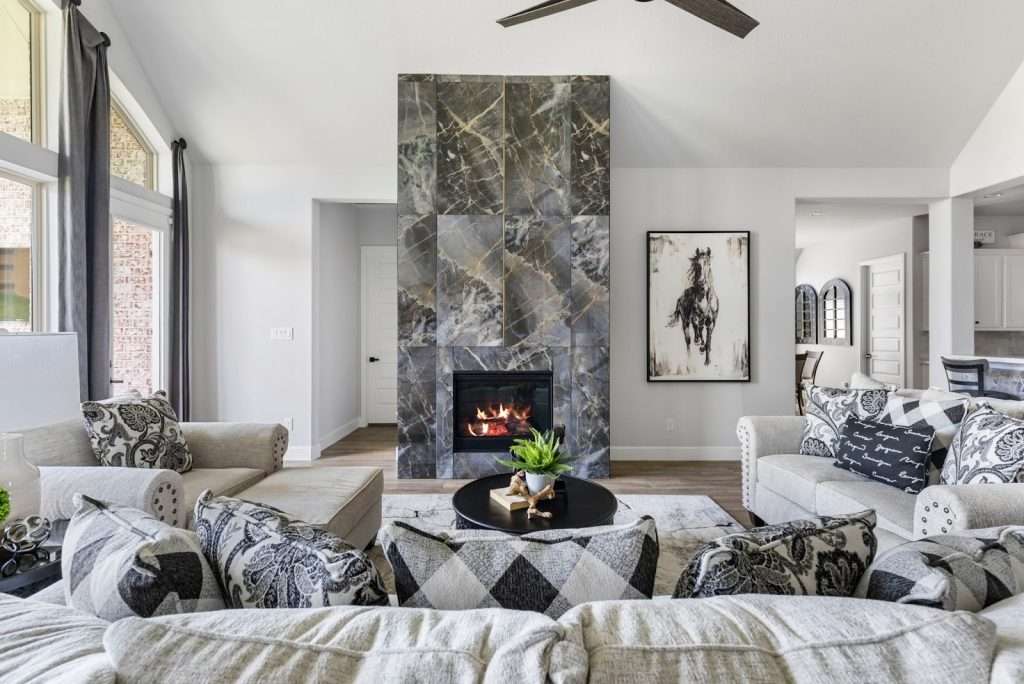
Sunlight is nature’s rhythm keeper, and your home’s lighting should follow that same beat, because here’s the thing, sugar:
The right balance of natural light and color will help your body stay in sync, lifting your mood by day and easing you toward rest at night.
Think bright and cool for AM alertness, soft and warm for PM calm; simple as that.
Morning Light That Wakes You Up Right
Nothing gets you going like sunshine on your face. I like to call it my natural espresso shot!
Within an hour of waking, open those curtains and let cool, bright daylight flood in. Your brain registers that crisp light and flips your alert switch, lowering melatonin and boosting cortisol so you feel truly awake.
Case in point:
Research shows that people who get early light exposure not only focus better but also fall asleep faster at night.
Design can play a big role in this, so here are a few tips:
- Keep your work area within ten feet of a window if you can.
- Paint walls in light, reflective tones.
- Use sheer curtains instead of heavy drapes to let sunshine bounce around.
- A strategically placed mirror can double the amount of daylight in a room.
If mornings are your slowest time, this simple shift can sharpen focus and lift your mood within days.
Evening Light That Winds You Down
When the sun dips, your lighting should, too. That’s why it’s best to swap bright white bulbs for warm, soft light; think gentle amber or golden tones under 3000K.
Dim those lamps after dinner and help your body release melatonin naturally. That subtle change tells your brain it’s time to settle down, easing you toward deeper rest.
By the way, honey, if your nights feel restless, the culprit might be blue light from LEDs and screens. Even a relatively modest lamp can cut melatonin production in half. Use amber bulbs, dimmers, or even soft red nightlights in bedrooms.
The goal is a glow that calms, not commands.
If your spaces never seem to feel right, no matter how you rearrange, a little expert guidance could work wonders. Design on a Dime helps you find that perfect mix; soft, balanced, and beautifully you.
Color That Shapes Emotion
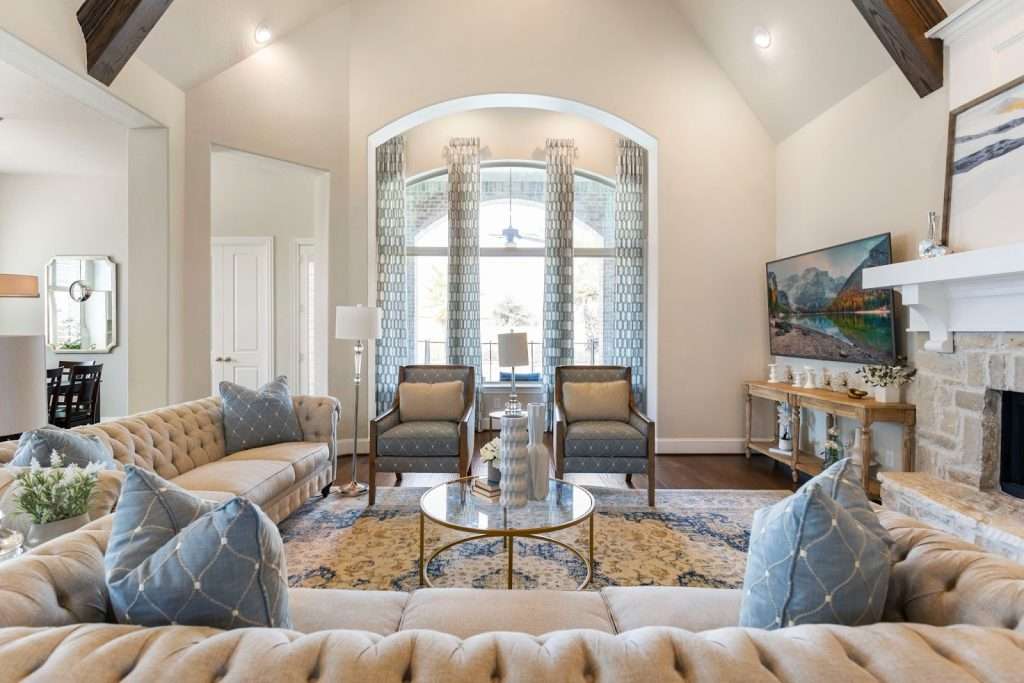
Light sets the tempo, sugar, but color shapes the mood.
Pale blues and greens tend to be calming, while warm yellows and corals tend to energize you. Neutrals can feel clean and timeless, sure, but too many gray or beige hues could actually dull your space and your spirit.
Even subtle shifts in color can reshape how a room feels from dawn to dusk. It’s not about chasing trends, though. It’s about finding the tones that fit you. The work we did for the Flores family in Montgomery is the perfect example of that.
You can also try adding color through accents, like a painted niche, bold pillows, or even a framed print. That way, you can refresh the vibe without overwhelming the room.
Remember:
Balance is what keeps your eyes and your mind at ease.
When your home’s palette flows from one room to the next, your brain doesn’t have to work to adjust, and that quiet harmony feels like peace.
Form, Flow, and the Calm of Good Design
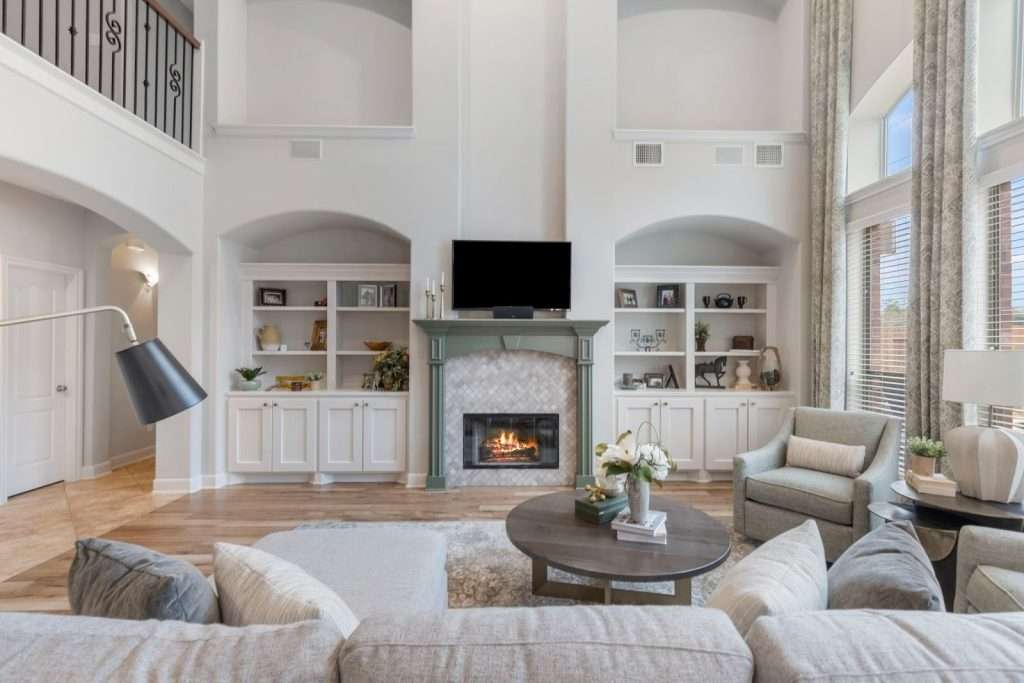
Your mind loves a space that makes sense. When a room feels balanced and easy to move through, your stress drops before you even notice. That’s because the brain is always scanning for order. When it finds it, your body relaxes.
A thoughtful layout creates that quiet ease. Paths that flow naturally between rooms, furniture that frames conversation instead of blocking it, and sightlines that lead toward light or a focal point all tell your nervous system, “You’re safe here.”
A few simple patterns help anchor that balance:
Twin nightstands flanking your bed, a sofa aligned with the fireplace, or matching lamps that pull the room together.
Repetition gives your brain an easy pattern to follow, lowering mental effort and helping you unwind faster.
Now, honey, let’s talk shapes.
Rounded corners and curved furniture pieces invite movement and creativity, while sharp angles and tight corridors can make a space feel tense. Studies show that curved forms often evoke warmth and curiosity, while overly rigid layouts heighten alertness and fatigue.
Granted, that doesn’t mean everything has to be soft and swoopy; what matters here is harmony. A mix of shapes, some curved, some structured, keeps your space visually interesting without feeling chaotic.
Proportion also plays its part. Spaces that are too cramped can stir restlessness, while generous ceilings and clear sightlines spark openness and imagination. Even in smaller homes, thoughtful scaling, including lower-profile furniture and mirrors that extend a line of sight, can create breathing room for the mind.
When form and flow align, your home stops feeling like a maze and starts feeling like a rhythm. Everything moves with you, not against you, and that’s when design truly feels like peace.
Good flow doesn’t happen by accident. It is the result of choices that honor both beauty and function. The Design on a Dime team knows how to turn everyday layouts into spaces that move and feel effortless.
Touch, Sound, and Comfort of the Senses
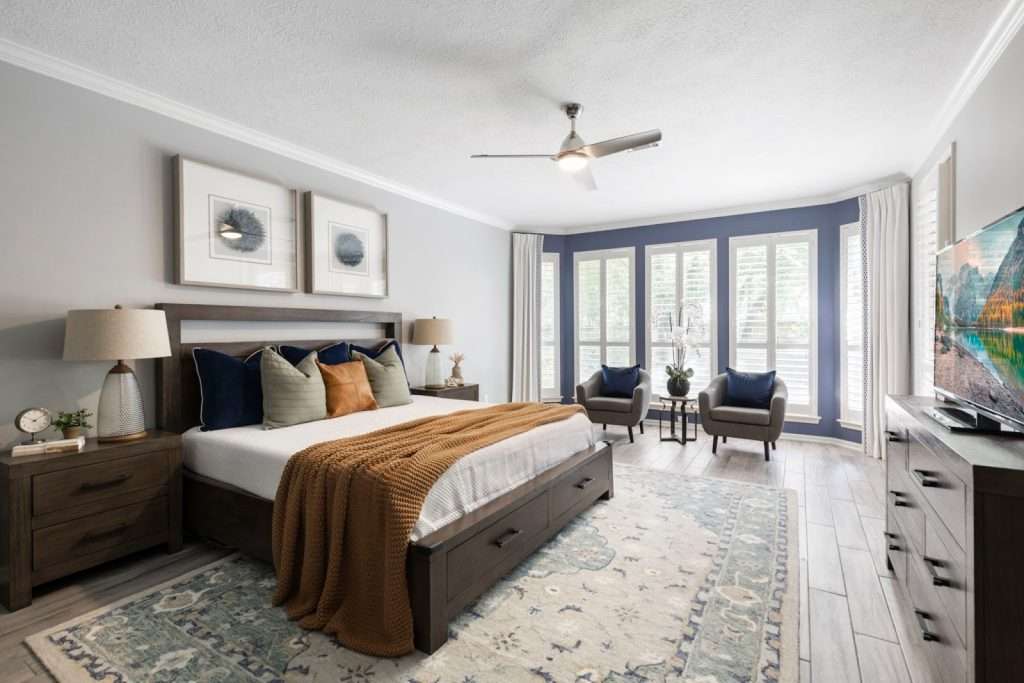
Your home speaks through texture before it ever says a word. The way a surface feels under your hand or the softness of the fabric behind your back can shift your whole mood in a second.
I like to think of textures as your nervous system’s love language, and the right mix can turn a house into a sanctuary.
Touch That Feels Like Home
Softness is comfort. But balance, honey, is what keeps things interesting.
Think plush throw with a cool marble tabletop or smooth leather beside woven jute. Those contrasts keep your senses awake while still grounded.
Did you know that touching soft or natural materials can actually lower cortisol levels and boost relaxation almost instantly? Yes, you read that right. Velvet, wool, and cotton bring warmth and security, while stone, glass, and bamboo add freshness that keeps the air (and your mood) light.
Seasonal swaps can make a big difference, too. In summer, lean into linen, rattan, and airy cotton to stay cool. When the chill sets in, reach for wool, sheepskin, or even cork, which holds warmth longer. The goal is a layered feel that keeps comfort within reach all year long.
Sound That Lets You Breathe
You can’t always see sound, but you sure can feel it.
Hard surfaces bounce noise around; soft ones soak it up. But a mix of both? It keeps rooms alive without turning them into echo chambers.
Big, hollow spaces can make your brain work harder to tune out distractions. So, if your living area sounds sharp or loud, consider adding a thick rug, curtains with some weight, or upholstered furniture to balance it out.
Even wall hangings and bookshelves can help scatter sound and make conversations feel more natural.
Of course, bedrooms and offices might need special care. Keep them quiet, steady, and private, so your mind can reset.
The good news is that a few small fixes go a long way:
- Hang curtains that overlap your window frame to block outside noise.
- Add soft wall art or panels on shared walls.
- Layer rugs in rooms with tile or hardwood to tone down the echo.
- Close gaps in doors and windows to keep sound from sneaking through.
When the soundscape feels calm, your breathing slows and your thoughts settle.
Textures, sounds, and small sensory details often hold the secret to true comfort. At Design on a Dime, we craft layered interiors that soothe your senses and keep your home feeling grounded and welcoming.
Purpose Zones and Everyday Wellness
Home is where your energy resets. The way each corner functions, from how you work and unwind to how you transition between the two, either feeds your peace or chips away at it.
That’s where “purpose zones” come in:
Building them helps your brain stay balanced and your body feel good from dawn till bedtime.
Work-From-Home Wellness
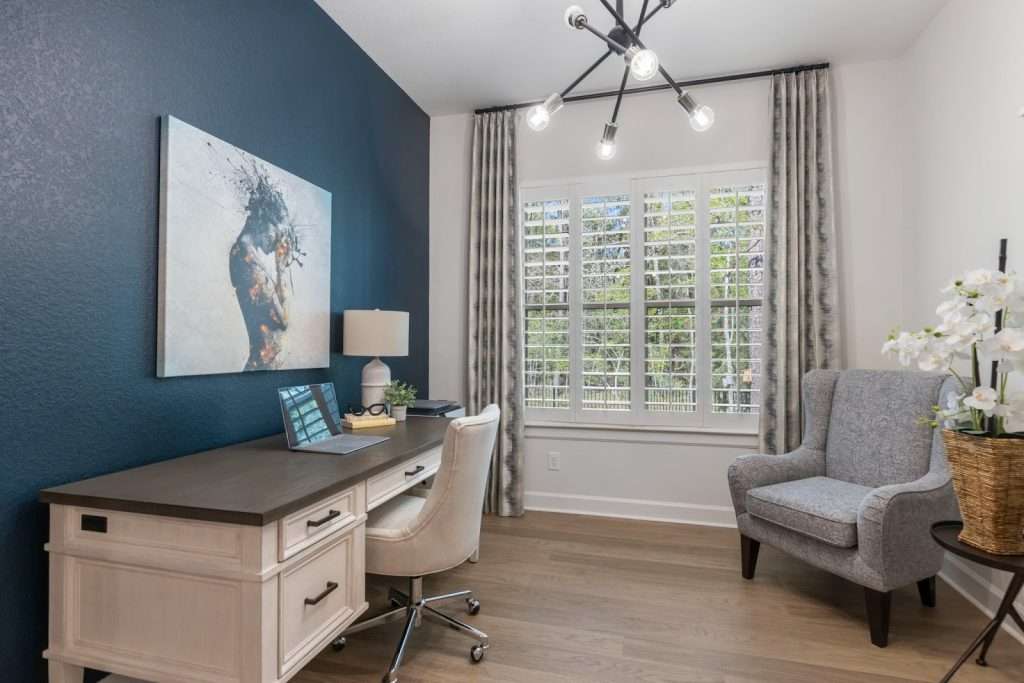
Ever notice how your home office can lift your mood one day and drain it the next?
That’s lighting, posture, and what your eyes land on. The trifecta of focus.
When you manage light well, your body thanks you. Soft daylight boosts alertness while lowering strain, and flexible lamps let you fine-tune the glow. Case in point:
87% of employees agree that lighting can impact their performance. Honey, that’s a lot!
Then comes ergonomics:
Your chair, your posture, your screen height. The right setup can bump productivity and protect your joints in the long run.
If you’re working from home, your office setup matters more than you think. It helps your brain quiet down and tells your body, “We’ve got this.”
Organization That Boosts Motivation
When your home feels chaotic, it’s not just your space that suffers, darling. Your brain does, too.
Clutter pushes cortisol levels up and focus down, but order tells your system it is safe to relax and engage. In fact, research shows that 80% of people feel calmer and more relaxed in tidy spaces, which explains why motivation returns the moment you clear a counter.
Here are a few tips:
- Start with a 20-minute reset at the same time each day. Put on your favorite playlist, tackle one area, and watch dopamine do its work. Trust me, these tiny wins build real momentum.
- Remove, don’t reshuffle. Donate or toss what you don’t use, and keep what’s left in zones; think keys by the door, mugs near the coffee, and office supplies where you actually work.
- Protect your prep zones. Clear kitchen counters and bathroom vanities. These “ready” surfaces invite calm habits, like cooking, journaling, and skincare, that center you.
Transition and Micro-Ritual Zones
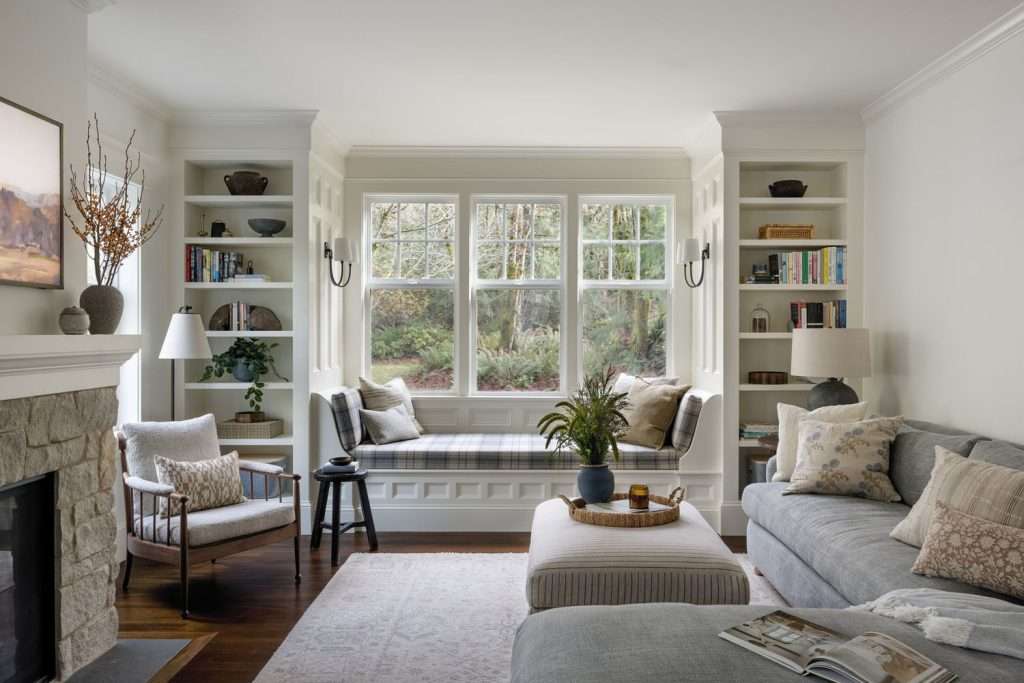
Between work and rest, there’s something powerful about a pause. Transition spaces, like the entryway, a morning nook, or even the chair where you take off your shoes, help your mind switch gears.
You can design these “micro-ritual” zones with intent:
- A small entry console where you set your keys and exhale the day. You can also add a plant or candle for grounding.
- A morning nook by the window for coffee and quiet reading. The light here should be gentle and natural, setting a calm tone for your day.
- A wind-down corner with low lights, a blanket, and maybe a diffuser. That sensory cue tells your brain it’s time to rest.
These rituals might be simple, but honey, they become the invisible glue that holds your routine together. They teach your body when to activate, when to release, and when to just be.
Your home should support every bit of your day, from work mode to wind-down. Design on a Dime creates spaces that don’t just look good. They help you live and feel better every single day.
Greenery, Water, and Materials That Heal
Nothing resets your spirit quite like nature. When you weave plants, natural textures, and even the sound of flowing water into your space, your body knows it’s safe.
This is the heart of biophilic design, honey:
Helping your home breathe right along with you.
Stress-Reducing Indoor Greenery
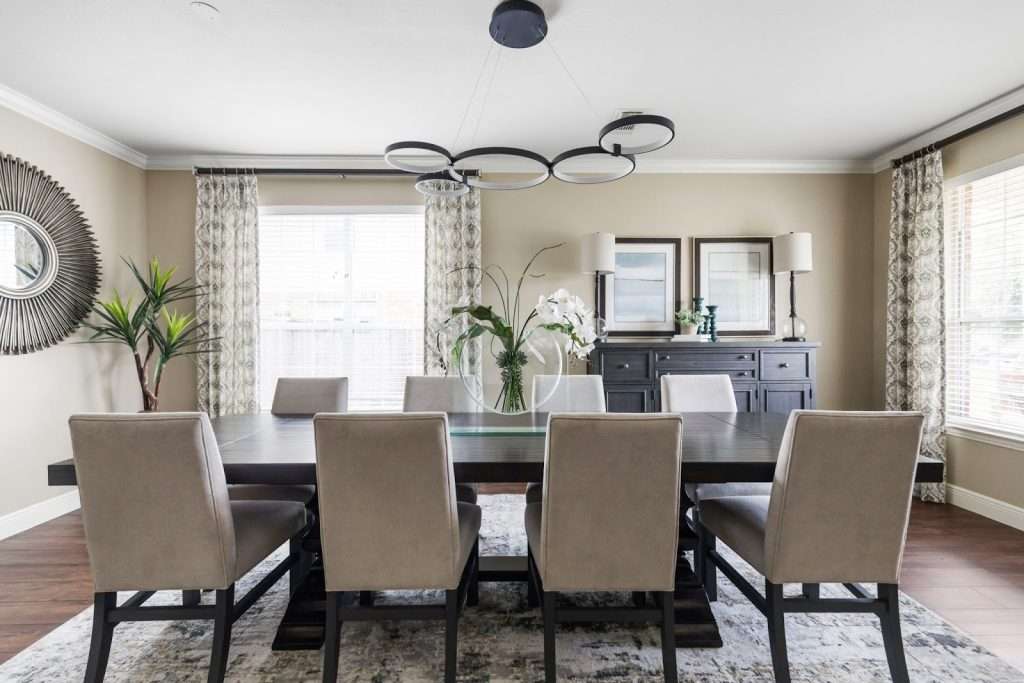
The moment greenery enters a room, something in you lets go.
Within only a few minutes of being near plants, heart rate and blood pressure drop, palms stop sweating, and your nervous system eases into calm. That’s biology doing what it was built to do:
Responding to life around it.
Plants aren’t just décor; they’re tiny air-quality boosters and mood stabilizers. Snake plants and rubber trees release oxygen at night, while pothos and peace lilies filter indoor air and quietly humidify it, keeping comfort steady.
The bonus?
They also nudge creativity and focus higher, which makes them perfect for both busy kitchens and home offices.
Try this simple formula for balanced greenery:
- Cluster for calm. Group three plants in varying heights (for example, a tall one, a mid-height, and a trailing vine), to build a visual rhythm that keeps the eye moving easily.
- Mix textures. Think woven baskets, cork coasters, or a little wood side table; they will reinforce the natural look and give your fingers something grounding to touch.
- Style for sightlines. Set plants where your eyes naturally land, like your nightstand, desk edge, or entryway, so you get that instant sense of calm every time you walk by.
Calming Water Features
If plants bring life, water brings peace. The sound of gentle movement, whether from a fountain or a small bubbling bowl, acts like nature’s white noise. It masks the hum of traffic and household clatter while cueing your body to breathe slower and release tension.
In fact, studies show that soft water sounds can cut cortisol levels and trigger the parasympathetic “rest and digest” response.
- Add a tabletop fountain near your desk for focus; its steady trickle helps hush distractions.
- A patio or entry fountain doubles as a privacy buffer while inviting birds and butterflies closer; an instant mood lift.
- Keep the water fresh and gently circulating to avoid stagnation and add just a hint of humidity indoors.
At night, low lighting on the ripples can turn a simple feature into a calm, glowing moment. Go for a steady flow, not a splashy one; let it whisper, not shout.
Healing Natural Materials
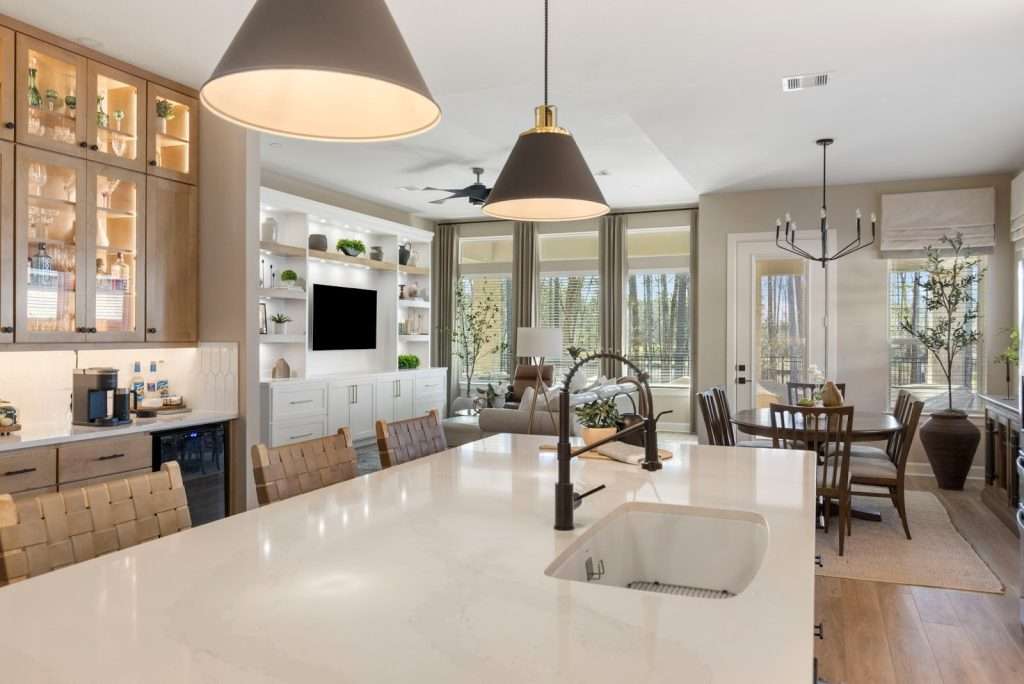
Honey, there’s a reason wood cabins and stone cottages feel so peaceful:
Real materials connect your senses to the earth, and your body responds with a slower heart rate, steadier breathing, and better focus. In fact, bringing in bamboo, reclaimed wood, cork, clay, or stone could lower stress hormones by measurable amounts.
To make the most of those natural touches:
- Go for 20% of natural surface coverage. Think wood floors, cork walls, or chunky stone accents; they already put you in the sweet spot for visible benefits.
- Layer textures. Pair woven fibers with raw wood grain, or add a small living wall.
- Welcome daylight. Use pale, matte finishes that bounce light softly across the room. Natural light improves mood and helps your body’s rhythm stay steady.
Using renewable materials like bamboo, cork, or reclaimed wood also supports the planet you are drawing peace from; it’s a full circle of care, for both you and your home.
When plants, gentle water, and natural materials come together, your space begins to hum with balance. And that’s not just design, honey. That’s restoration in every sense.
Frequently Asked Questions
How can I tell if my home’s layout is affecting my mood?
If you often feel restless, unfocused, or drained in certain rooms, your layout might be the reason. Pay attention to how easily you move and breathe in the space; tight paths and blocked views are red flags.
Can a single room really influence the rest of the house’s energy?
Yes, it absolutely can. A cluttered kitchen or gloomy entryway can throw off your rhythm because those spaces act like “energy gates.” Fixing them first often makes the energy of your whole home feel better.
How can renters personalize spaces without permanent changes?
Work with texture and lighting instead of paint. Add rugs, drapery, plants, and layered lamps; these are all temporary touches that can still change the room’s mood completely.
How can I keep my home peaceful if I live with kids or roommates?
If you have kids or live with roommates, try to create soft “quiet anchors”, like a reading chair, a candle nook, or even a diffuser shelf. That might give you a sense of calm and help your brain reset, even in a busy household.
Are minimal spaces always more relaxing?
No, not necessarily. Overly bare rooms can read cold and sterile, especially if there’s no texture or natural material. Bringing in a little warmth and personality can actually help you feel grounded.
Where Comfort and Clarity Meet
Your home is more than a place to live, honey. It’s a powerful influence on your mood and well-being. And the way it looks should lift your spirit just as much as it serves your daily rhythm.
When design choices line up with how you live, not just how you decorate, your rooms start giving energy back instead of draining it. And that’s where the magic happens.
Design on a Dime Interiors helps homeowners find that sweet spot between beauty and balance, creating spaces that feel good from the inside out.
Ready to take control of your environment and make sure your home actually supports the way you want to feel every day?
Get in touch with our team today. We’d love to help you make it happen!