
Unseen Hazards: How to Design Around Allergies, Mold, and Indoor Air Quality in Texas Homes
Knowing how to design around allergies, mold, and indoor air quality in Texas homes isn’t just about comfort, sugar. It’s about keeping your family healthy and your space feeling fresh year-round.
Around here, the humidity loves to invite mold to the party, pollen blows in like it owns the place, and dust settles faster than sweet tea disappears on a hot day. But with the right design mindset, you can create a home that feels like a safe, cozy retreat instead of a sneeze trap.
Think of it as building beauty and wellness right into the walls, floors, and furnishings, so that every breath feels a little lighter, and every room feels like a sigh of relief.
The Texas Allergy & Air Quality Challenge: Real Stories From Sensitive Homeowners

Ever wonder why you can’t walk outside in Texas without sneezing your head off—or why every surface in your house looks like it got a dusting from a giant yellow salt shaker? You’re not alone, sugar.
From Austin to Amarillo, folks swap war stories about cedar pollen raining down in winter, oak fluff flying in the spring, and ragweed raising all kinds of ruckus in the fall. We even gave one of our worst “offenders” a nickname—“cedar fever”—as if it were some kind of local legend.
(Spoiler: there’s nothing legendary about waking up with your eyes swollen shut and a throat that feels like sandpaper.)
And here’s the kicker:
Even if you live in a concrete-heavy neighborhood in Houston or Dallas, you’re not safe.
Our Texas-sized humidity turns pollen into a clingy houseguest that sticks to every surface. That same moisture creates prime real estate for mold spores—yet another invisible troublemaker that can trigger the same sniffles, coughing, and itchy eyes as seasonal allergies.
In fact, most people might not even realize their “year-round allergies” are part pollen, part mold living right under their noses.
It’s not just bad luck—it’s science and geography conspiring against us.
Our longer growing season means plants have more time to release pollen, and warmer winters (thanks to climate shifts) stretch allergy seasons like a piece of taffy. Combine that with older homes that weren’t built with moisture control in mind, and you’ve got the perfect recipe for allergy flare-ups and indoor air quality headaches.
Down here, the fight for fresh, breathable air is not just about cracking open a window. It’s about designing and maintaining your home in a way that keeps the outdoors where it belongs and the air inside as healthy as a bluebonnet field in April.
Building an Allergen-Resistant Home That Still Feels Like Home
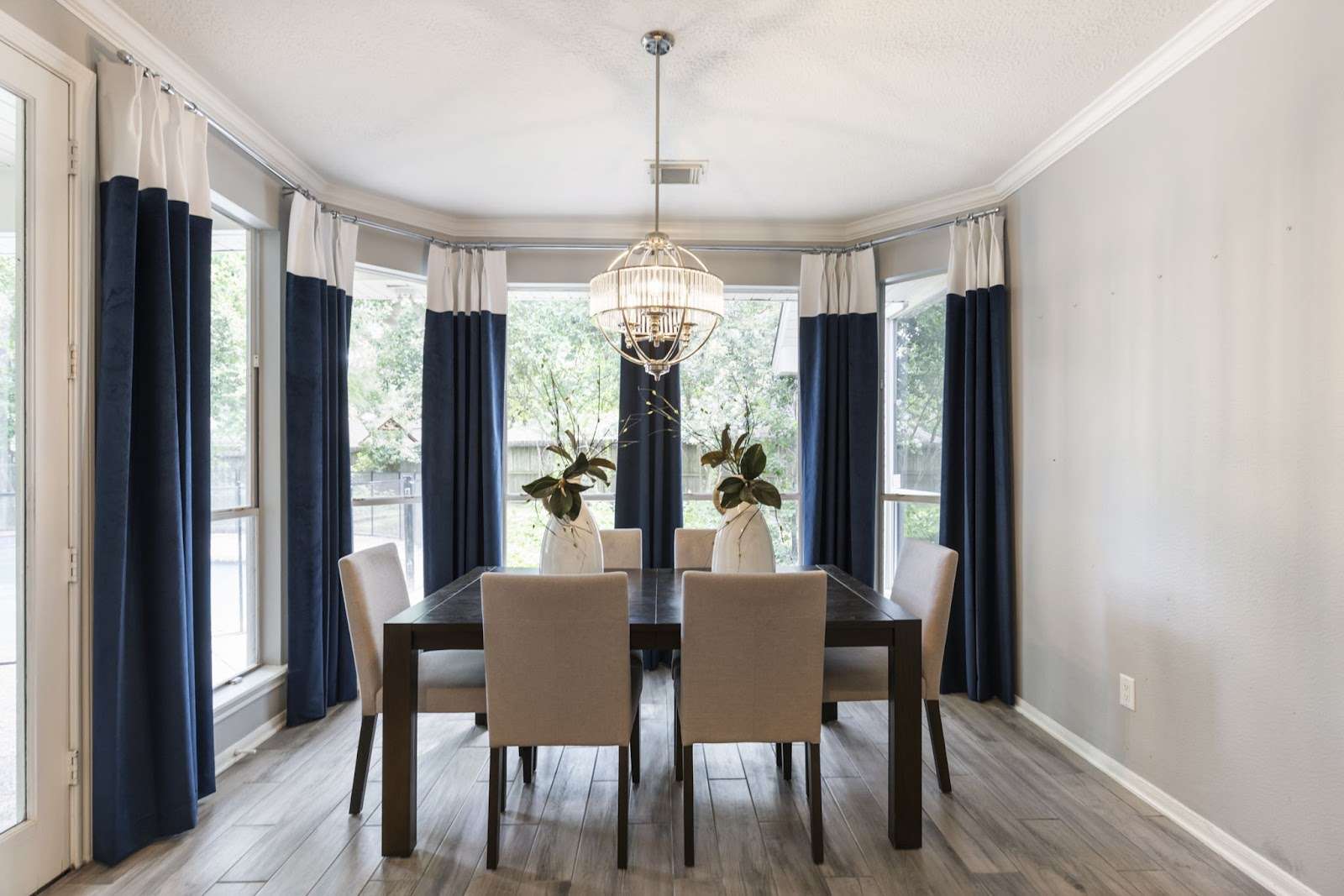
Floors, cushions, and curtains—the holy trinity of dust and dander traps, am I right? If your nose starts twitching every time you plop on the sofa or pull back the drapes, hun, it’s time for a home makeover your sinuses will thank you for.
- Switch from carpet to sealed hard floors. In Texas humidity, carpets are magnets for dust mites, pet dander, and pollen that hitchhiked in on your shoes. Instead, go for vinyl plank, ceramic tile, or solid hardwood. For example, vinyl is waterproof, easy to mop, and leaves allergens nowhere to hide. And if you’re a hardwood lover, seal it with a low-VOC finish so you’re not swapping dust for chemical fumes.
- Choose smooth, easy-clean furniture. Leather, faux leather, and vinyl-wrapped pieces all wipe down in seconds, unlike deep, cushy upholstery that traps every sneeze-worthy particle.
- Go for washable, natural-fiber fabrics. Cotton and linen are your best friends—just make sure you can toss them in the wash weekly. Skip heavy drapes in favor of light panels that don’t hoard dust and pollen.
- Say no to down. Whether in pillows, comforters, or cushions, down can harbor dust mites and will spark allergy drama. Hypoallergenic fills and washable covers keep bedtime blissfully sneeze-free.
- Make dusting and mopping a weekly ritual. A steady cleaning routine keeps the allergens from building up and turning your home into a sneeze trap.
Designing an allergen-resistant home is not solely about what you remove; it’s about creating a space that feels clean, fresh, and just as welcoming as a spring breeze (minus the pollen).
Let’s swap out trouble spots for worry-free style. From moisture-resistant flooring to low-VOC finishes, we help your Texas home stay beautiful—and healthier—year-round.
Designing for Dust Mite & Humidity Defense

If you’re wrangling allergies during Texas summers, dust mites and humidity are probably your tag-team opponents. And let me tell you, sugar—they’ve been training for this fight.
These microscopic critters adore warm, muggy spaces—and our climate is just their kind of paradise. The trick is to turn your home into a place they can’t stand to live in, starting with where you sleep and how you manage your air.
Let’s start with the bed. Your sheets and pillows might look sweet and innocent, but to a dust mite, they’re party central. Choose fabrics that make them pack up and move on.
- Silk is a star player here—its tightly woven fibers block mites from burrowing in, plus it wicks away sweat on those sticky summer nights.
- Bamboo breathes beautifully and shrugs off mold.
- Microfiber is a budget-friendly option that still puts up a decent fight (just don’t expect luxury hotel breathability).
- Organic cotton can work, too, but only if you wash it often enough to keep the mites guessing.
And for a final line of defense, slip on zippered, certified allergy-proof covers—your nose will send you a thank-you note.
Now, about that Texas humidity—it’s your greatest frenemy.
At 40–50% indoor humidity, you’re comfortable—and those mites stay miserable. Any higher, and they’ll throw a full-blown shindig. A good dehumidifier or an HVAC system with built-in moisture control can make a world of difference.
Remember, Houston’s subtropical climate supports year-round dust mite and mold activity; controlling humidity indoors becomes especially critical for allergy prevention.
Down here, comfort and cleanliness can live side by side—you just have to outsmart the critters and keep your cool.
Mold-Proofing & Healthy Materials for Texas Homes

Mold is sneaky, relentless, and loves Texas humidity almost as much as we love bluebonnets.
High humidity, a leaky roof after a spring storm, condensation from your AC lines, and even a badly sealed window can be an open invitation. And in places like Houston, where the air tends to feel like soup half the year, mold spores don’t just survive—they thrive.
Left unchecked, it’ll move in faster than an uninvited cousin, bringing its musty smells, health troubles, and repair bills along for the ride.
And here’s the thing, hun—mold doesn’t necessarily live where you can see it.
While you’re busy chasing pet hair off the sofa, it might be creeping behind drywall, hiding under carpet, or lurking in the attic.
So, how do you keep this uninvited guest from settling in? You stop moisture before it causes trouble, and you make every surface in your home as unwelcoming to mold as possible.
That means:
- Walls & Insulation: Use moisture-resistant drywall (“green” or “blue” board), mold-proof insulation, or clay-lime plaster. These choices block spores before they start, keeping walls healthy without all the chemical drama.
- Structural & Barrier Measures: Vapor barriers installed under concrete floors, sealed cracks in foundations and windows, and rigid foam or metal framing in moisture-prone areas keep mold from finding a foothold.
- Humidity & Ventilation: Exhaust fans in your bathrooms, kitchens, and laundry rooms help damp areas dry quickly. A small hygrometer can warn you of sneaky spikes before they turn into trouble.
- Ongoing Maintenance: Stay vigilant—fix leaks promptly, investigate damp spots, and don’t ignore any musty smells. Routine dusting, mopping, and monitoring air quality are just as important as the materials you choose.
Mold prevention is not one big project; it’s a hundred little habits that keep moisture from getting the upper hand. Do it right, and you’ll have a house that smells as fresh as a hill country breeze, even in the thick of a Houston August.
Upgrade your space without the stress. Design on a Dime’s team specializes in practical, stylish solutions that keep sneaky allergens and mold at bay, so you can relax and enjoy your home.
Keeping Pet Dander & Pests in Check With Smart Layout and Filtration

If you’ve ever been two lint rollers deep before breakfast thanks to Mr. Whiskers, trust me, you’re in good company. Pet dander is the invisible troublemaker hiding behind couch cushions, floating through sunny windows, and snuggling into rugs.
It’s not just a nuisance—about 15% of folks are allergic to it, and it can aggravate asthma, too. And here’s the kicker:
Studies show pet dander is detectable in 90% of U.S. homes, which means even “pet-free” households can have sneaky allergens tagging along from guests, clothes, or the breeze through an open door.
So, what’s a pet lover to do?
You don’t have to give up your furry family—you just have to get strategic.
- First, draw the allergy line. Make bedrooms and kids’ play areas pet-free sanctuaries. In those spaces, go with sealed hardwood or tile floors, which don’t give dander a place to hide. In living areas where your four-legged friends reign, skip the wall-to-wall carpets and go for rugs you can toss in the wash.
- Next, fight dander where it travels—through your air. A HEPA filter in your HVAC system and vacuum can trap allergens before they settle. Bonus points if you add a portable air purifier in the rooms where pets spend the most time.
- Don’t forget the pest prevention side—airtight bins for food and toys keep unwelcome critters (and their allergens) from joining the party. Weekly pet baths (or at least a good wipe-down) can cut down dander dramatically.
And yes, darling, you deserve a fresh, fur-free whiff of air after all that effort.
What I’m saying is, you can keep your home both stylish and sneeze-free without giving up your favorite cuddle buddy.
Ready to breathe easier in a home that works for you? Design on a Dime’s remodeling team knows how to transform kitchens, bathrooms, and living spaces into allergy- and humidity-free havens that look fabulous, too.
Monitoring Air Quality: Tools, Tech, and When to Call in the Pros

Ever wondered what’s really floating around in that “fresh” indoor air of yours? Spoiler alert, honey:
It’s not all sunshine and daisies. In Texas, between pollen attacks, dust blowing in from last night’s storms, and our infamous humidity, you’ll need more than just a candle and a prayer.
Start with smart monitors like TSI Q-Trak or Airthings View Plus—they track CO₂, temperature, humidity, and even catch carbon monoxide red-handed.
Want something more user-friendly? PurpleAir sensors give you real-time, color-coded readings, so you’ll know when it’s time to shut those windows or crank up the purifier.
If you’ve got allergies, you should also consider combining your monitor with a Carrier Infinity® MERV 15 purifier or a whole-home ventilator to send airborne villains packing. And on those days when humidity’s acting like it owns the place, a dehumidifier can keep your home’s air in the sweet spot.
DIY is great for spotting trends, like if pollen counts spike after a storm or CO₂ creeps up when the house is packed. However, when your symptoms keep flaring up, or the readings don’t match how you feel, that’s when it’s time to call in a certified professional.
They’ll use calibrated lab-grade equipment, check for mold spores and VOCs, and give you a game plan to fix problems for good.
Bottom line?
Whether you’re watching your readings over morning coffee or planning an annual professional check-up, staying on top of indoor air quality isn’t just smart—it’s the kind of quiet luxury your lungs will thank you for every single day.
Long-Term Prevention & Seasonal Maintenance

So, you want your home to stay fresh and fabulous without you chasing mold spores like you’re starring in a low-budget horror flick? I hear you. In Texas, the secret to healthy air and allergy-free living is not just about quick fixes—it’s about steady, smart upkeep that rolls right along with our wild seasons.
The goal is to outsmart Texas humidity, storm surges, and pollen invasions before they ever get the upper hand—and a few habits and a little foresight go a long way here.
Here’s your all-in-one Texas home health checklist:
- Tackle minor mold yourself if it’s under 25 sq ft—no license needed.
- Choose moisture-resistant finishes (paints, tiles, sealants) in bathrooms, kitchens, and laundry rooms to stop dampness from settling in.
- Document all repairs and remediation to protect both your insurance eligibility and your peace of mind.
- Review your lease’s mold policies so you’re never caught off guard as a renter.
- Schedule seasonal home inspections instead of waiting for musty smells or visible damage.
- In spring, during pollen season, change HVAC filters monthly, vacuum with a HEPA filter, clean window screens, and clear attic vents of dust.
- In summer, when you’re dealing with humidity and storms, test and clean dehumidifiers, clear gutters, inspect roofing for loose shingles, and seal foundation cracks.
- In fall, as part of pre-winter prep, service your HVAC systems, clean and cover outdoor AC units, check window/door caulking, and keep attic insulation dry.
- In winter, check your pipes for potential leaks after freezes, and inspect the fireplace and flues for moisture.
- After floods or heavy rains, remove any standing water immediately, run fans and dehumidifiers, disinfect hard surfaces, and call a licensed mold pro for any dampness lasting over 48 hours.
In this Texas climate, prevention isn’t just another chore, sugar; it’s a lifestyle. The more you stay ahead of the seasons, the less time you’ll spend wrestling with mold, mystery odors, and allergy flare-ups.
And trust me, your lungs—and your wallet—will thank you.
Frequently Asked Questions
How often should I have my HVAC system professionally cleaned in Texas?
For optimal indoor air quality, you should aim for a full professional cleaning every 1 to 2 years, depending on usage and local dust and pollen levels.
Can indoor plants improve air quality in a humid Texas home?
Yes, some plants can help—to a degree—but in humid climates, choose varieties that resist mold growth, like snake plants and spider plants.
How do I know if my home has hidden mold if there’s no smell?
If there’s no smell, you should look for subtle signs like musty odors in closets, water stains, condensation on walls, and persistent allergy symptoms that get worse in specific rooms.
Do air purifiers help with the Texas pollen seasons?
Yes, HEPA filters can capture pollen and other airborne allergens, reducing indoor triggers during the peak pollen months in Texas.
Can humidity control alone prevent dust mites and mold?
While humidity control is crucial here, it works best alongside proper ventilation, the use of moisture-proof materials, and regular cleaning.
Breathe Easy in Your Texas Home
A healthy and happy home is about more than looks—it’s about creating a space where every breath feels refreshing and every room invites comfort.
By thinking ahead, choosing smart materials, and weaving preventive strategies into your design, you can set the stage for a home that works for your family, not against it.
Need a little extra guidance?
Design on a Dime can help turn your Texas home into a sanctuary that is beautiful and allergy-conscious. Get in touch with our Dream Team, and let’s make your house a space where style and wellbeing live side by side.