
What Does an Interior Designer Do? (And Why It’s More Than Just Decorating)
What does an interior designer do? Well, honey, let me tell you: it’s way more than picking throw pillows and choosing paint swatches.
In fact, a good interior designer is part visionary, part problem-solver, and part project wrangler. They step in when your space just isn’t working the way it should—and help turn it into something that feels like you, only better.
Whether it’s reimagining a tired-looking room or breathing life into a new build, they’re the ones connecting the dots behind the scenes. You may not always see the gears turning, but trust me, they’re working.
So, if you’ve ever wondered what really goes into designing a space that sings, stick around, sugar. We’re gonna walk you through it, start to finish.
Understanding the Client’s Vision and Lifestyle Needs
Before I whip out a single paint swatch or toss a throw pillow your way, we’ll start with the most important piece of the puzzle—you.
This first phase isn’t just about gathering facts. It’s about understanding your lifestyle, personality, and all those little details that make your home yours.
We’ll sit down (or walk through your space) and chat about the good, the bad, and the quirky—from your morning routine to that vintage lamp you’ve hauled through three apartments and still love. No judgment, just genuine curiosity.
I ask a lot of questions, because the better I understand how you live, the better I can shape a space that supports it. Your feedback? Pure gold.
By the end, we’re a team—armed with inspiration and honesty.
A good interior designer will also discuss goals, vision, and budget; nothing stiff or awkward, just open and honest conversation. That might sound simple, but this is where the foundation gets laid. And believe me, a good foundation makes everything easier later on.
Only then can you move on to turning those ideas and dreams into a functional design plan. That’s where I break out the tape measure and map out how you move through your home, making sure the furniture fits, traffic flows, and every space has a purpose.
Whether you need a quiet nook to sip your morning tea or a layout that can handle those game nights with friends, we design with your everyday life in mind.
Because beautiful is great. But beautiful and livable? Oh, that’s where the magic happens.
Bringing Ideas to Life With Professional Design Tools
Have you ever tried imagining a new room in your head, only to realize halfway through that your dreamy teal sectional just might swallow your space whole? Yeah—not fun. That’s why one of my favorite parts of the process is helping you see your space before a single piece of furniture arrives.
Using professional 2D and 3D design tools—like SketchUp, AutoCAD, and all the bells and whistles—I’ll bring your visions to life right on screen. Floor plans turn into virtual walk-throughs. Color palettes dance in the actual light of your room.
We can move walls, test layouts, swap tile patterns, and even preview real furniture—all before we ever lift a hammer or place an order.
And for clients who like to get hands-on, tools like Planner 5D and Homestyler can help you explore ideas between our sessions.
It’s not just about pretty pictures (although they’re definitely a perk). These tools actually help you and your designer to make smart choices early, avoid costly mistakes later, and give you the confidence that you’re headed in the right direction, together.
So, go ahead and dream big. Your interior designer has got the tech to back it up.
Want help turning those big ideas into a beautiful, livable space? Let’s chat about how our interior design services can bring your vision to life, with all the function and none of the stress.
Sourcing the Right Stuff: Materials, Furniture, and Fixtures
Once the design plan is in place, it’s time to bring it all into the real world. Unfortunately, those 3D visuals don’t come with a “buy now” button. So, this is where I roll up my sleeves and do what I do best—curate, coordinate, and chase down the perfect pieces to make your vision real.
A good interior designer doesn’t simply shop; they source with purpose. Every material, finish, and piece of furniture is chosen to reflect your style, suit your space, and stay within budget.
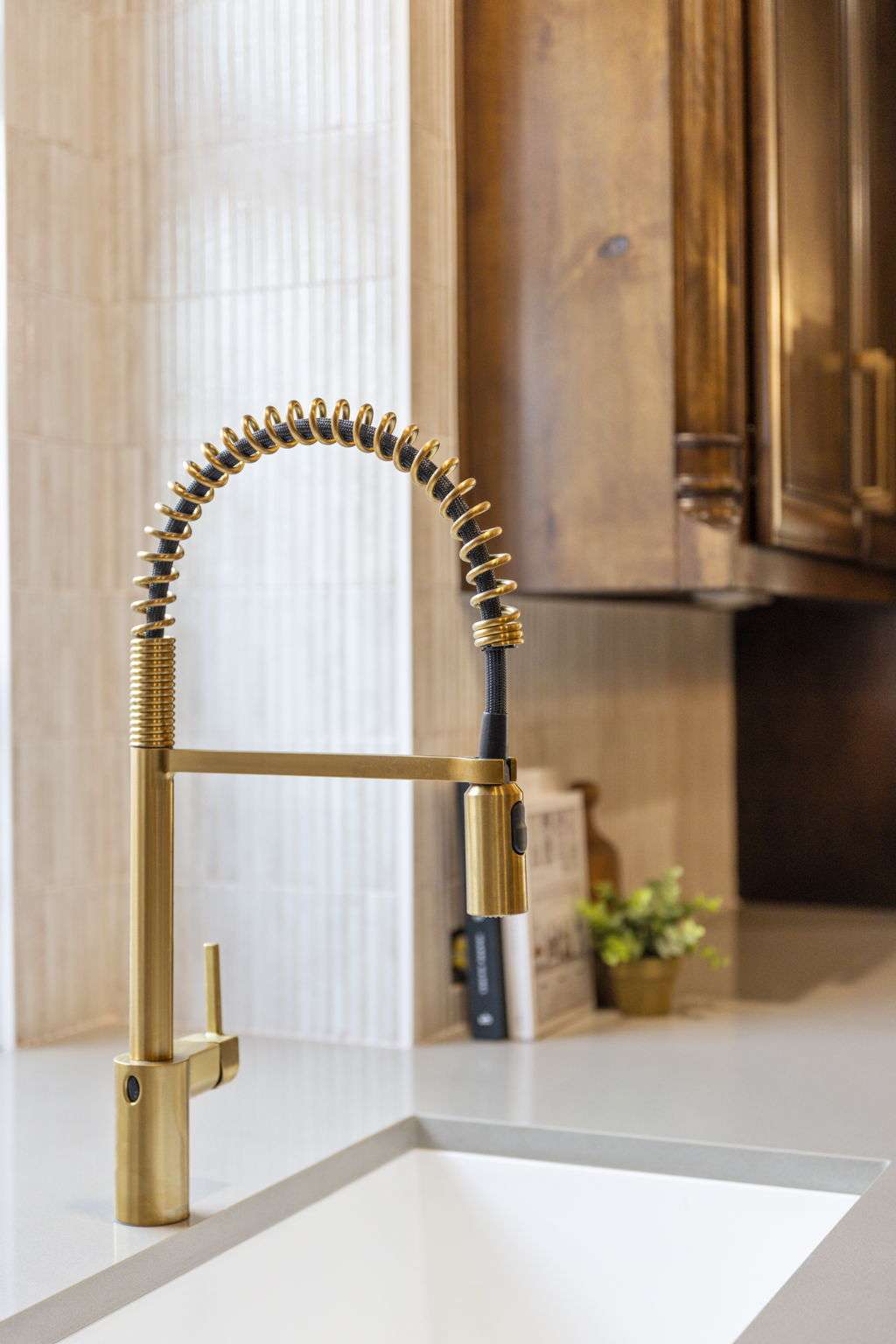
Whether it’s buttery-soft fabrics, the perfect brass sconce, or a tile that makes your heart skip, I tap trusted vendors, compare quality and pricing, and confirm availability so you don’t end up stuck waiting months for a dining table.
And if something doesn’t go as planned? A seasoned designer can handle the returns, replacements, and behind-the-scenes drama—so you don’t have to lift a finger.
Now, if sustainability is high on your list, good news—style and eco-conscious choices can absolutely go hand in hand. Today, many designers recommend FSC-certified wood, low-VOC paints, natural textiles, or even recycled-glass countertops.
Personally, I’m more than happy to help you make eco-conscious choices—without sacrificing an ounce of beauty or comfort.
Bottom line?
Whether it’s luxe or laid-back, curated or clean-lined, you get a space that looks amazing, feels like home, and reflects your values—all without the sourcing stress.
Need help sourcing pieces that feel just right for your space? From furniture and finishes to eco-conscious materials, Design on a Dime’s team handles every detail with care.
Keeping It All on Track (Without Breaking the Bank)
Designing a beautiful space is one thing—but keeping it on time and on budget? Now that’s where the real magic happens.
From the very beginning, we’ll have honest conversations about your budget, your goals, and where you want to splurge or save. I help set clear priorities, create room-by-room spending plans, and build in a little cushion (usually 5–10%) for the unexpected—because even the best projects come with a surprise or two.
My flat-fee pricing also keeps things transparent, so you’re never blindsided.
But managing money is just one piece of the puzzle. A good interior designer is also a master of logistics.
That means juggling contractor schedules, keeping the vendors accountable, tracking orders, and making sure everything arrives on time and in one piece.
While you’re choosing finishes and dreaming about paint colors, I’m behind the scenes, syncing timelines, confirming dimensions, and flagging potential issues before they snowball.
If a sofa shows up damaged or the tile order goes sideways, I’m not panicking—I’m pivoting. A designer’s job is to troubleshoot the chaos so the project keeps moving and your experience stays smooth.
You get to enjoy the transformation. I (and any good designer worth their tape measure) handle the mess that makes it happen.
Curious what it looks like when all the planning pays off?
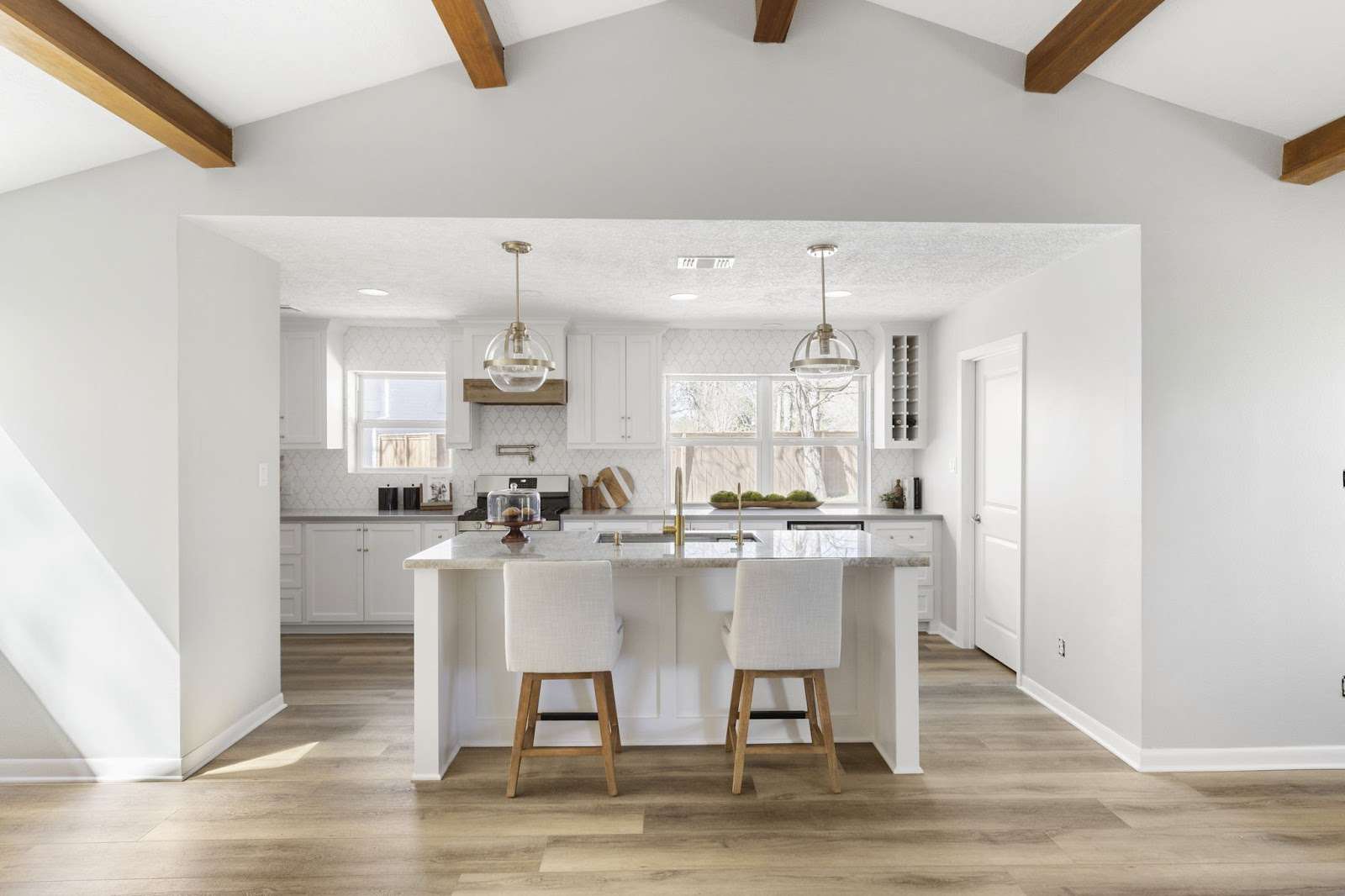
In the Laura Project, we turned a dark and outdated home into a bright, welcoming space with warmth and charm. From budget breakdowns to contractor coordination, every choice was made with the client’s goals in mind—and the result is a seamless blend of beauty and function.
Projects like this are proof that with the right plan (and the right designer!), you can have it all.
Coordinating With Contractors and On-Site Teams
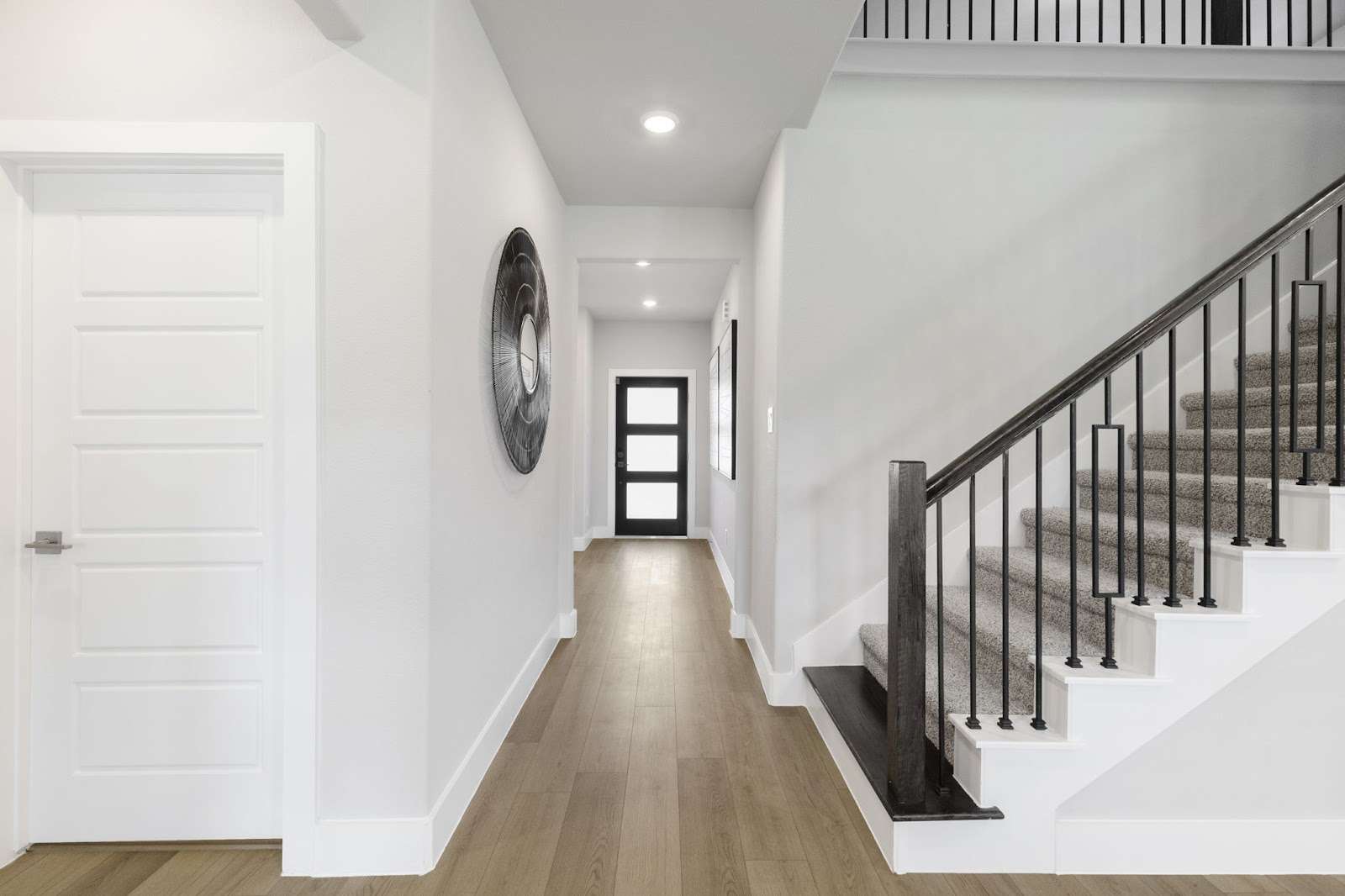
Design doesn’t end at the mood board, honey. It comes to life in real time—with sawdust flying, tiles being laid, and a dozen folks asking where the light switches go. That’s why when install day rolls around, I’m not watching from the sidelines.
I’m right there on-site, keeping the ship steady.
From the moment boots hit the floor, I’m there coordinating contractors, electricians, painters, and delivery crews like a symphony conductor with a clipboard. I’ll double-check that everything matches our plans and make sure the right pieces land in the right place at the right time.
Something arrived damaged? I’m on the phone. Cabinet doors hung too low? I’ve got the level. Tile grout mysteriously vanished? I’m calling in reinforcements.
You get the idea. Behind every effortless space is—well, a whole lot of effort.
Things go wrong—that’s just life. But your interior designer should stay ahead of it with regular site visits, progress check-ins, and clear communication that keeps the whole crew moving in sync.
It’s not always glamorous, but it’s necessary. Because fabulous design is not just about choosing the right finishes. It’s about making sure they’re installed correctly and meet a standard that feels just right.
Planning a remodel and don’t know where to start? We handle the details, the deadlines, and the drama, so you can actually enjoy your home’s transformation.
Making Sure It’s Done Right (And Done by the Book)
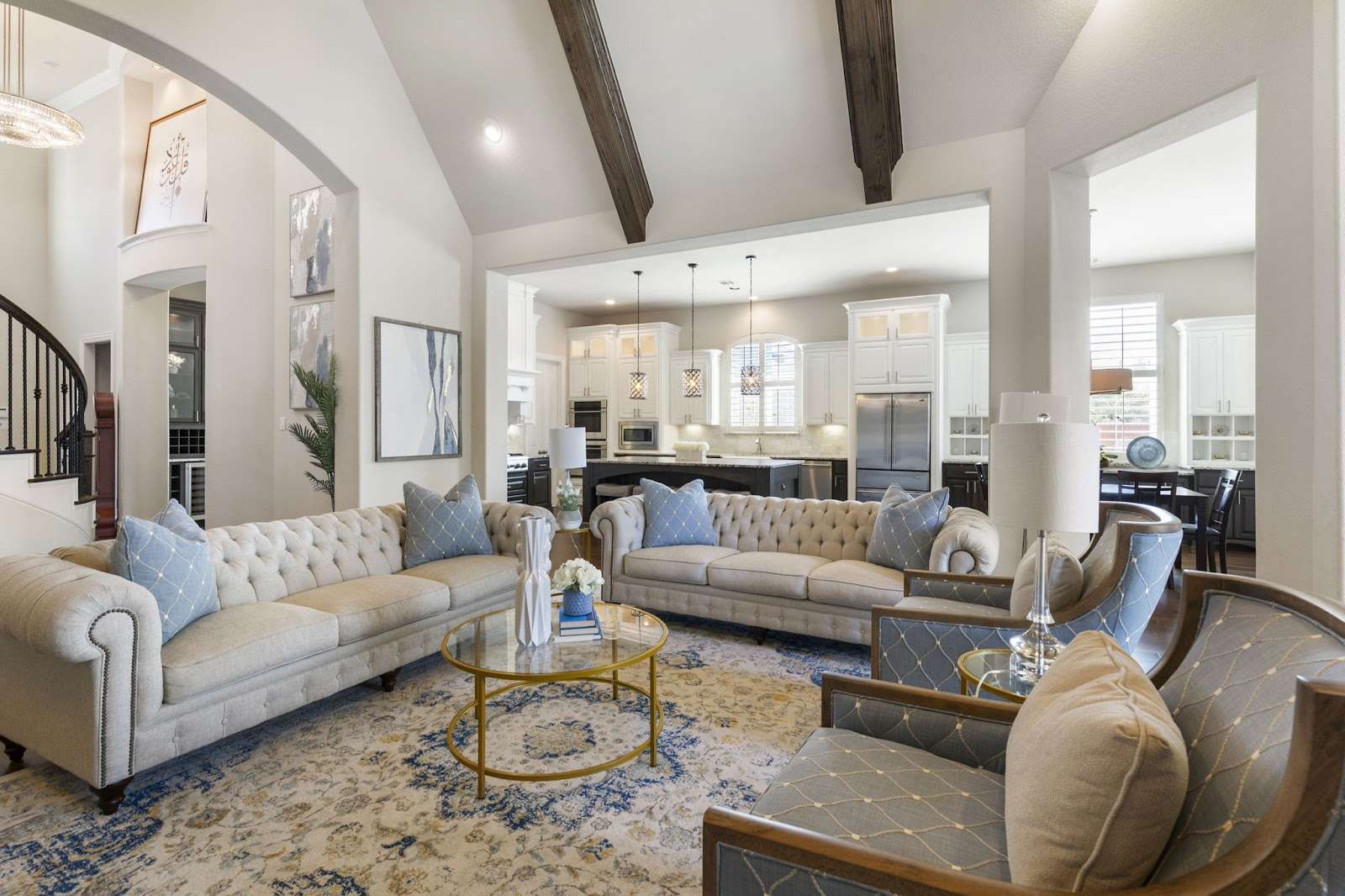
Pretty spaces are wonderful—but they also need to work in real life. That means everything from the way your drawers glide to whether the lighting fixture is installed safely and up to code. This part of the job? It’s less Pinterest, more precision—and it matters more than most folks realize.
Quality control should be baked into every step your interior designer takes.
They should be checking materials, double-checking measurements, reviewing installations, and making sure everything feels solid, seamless, and intentional. Paint shouldn’t be streaky, finishes shouldn’t clash, and your hallway shouldn’t feel like an obstacle course.
Every single detail—from the height of your sconces to the way your cabinet doors swing—needs to pass that internal “Is this really right?” test.
Codes and standards might sound dry, but trust me, you don’t want to mess this up.
It’s not just about looks, by the way. They also ensure your project plays by the rules—the local building codes, permit requirements, and fire safety regulations that keep your space not just stylish, but safe.
They know what walls can move, what needs a permit, and which materials pass the safety test. And yes, they even do all that coordination with inspectors, contractors, and city officials, so you don’t have to worry about it.
It might not be glamorous, but it’s part of the job—and one of the many ways an interior designer ensures your dream home is more than just a pretty picture. It’s functional, safe, and built to last.
Why an Interior Designer Is Worth Every Penny
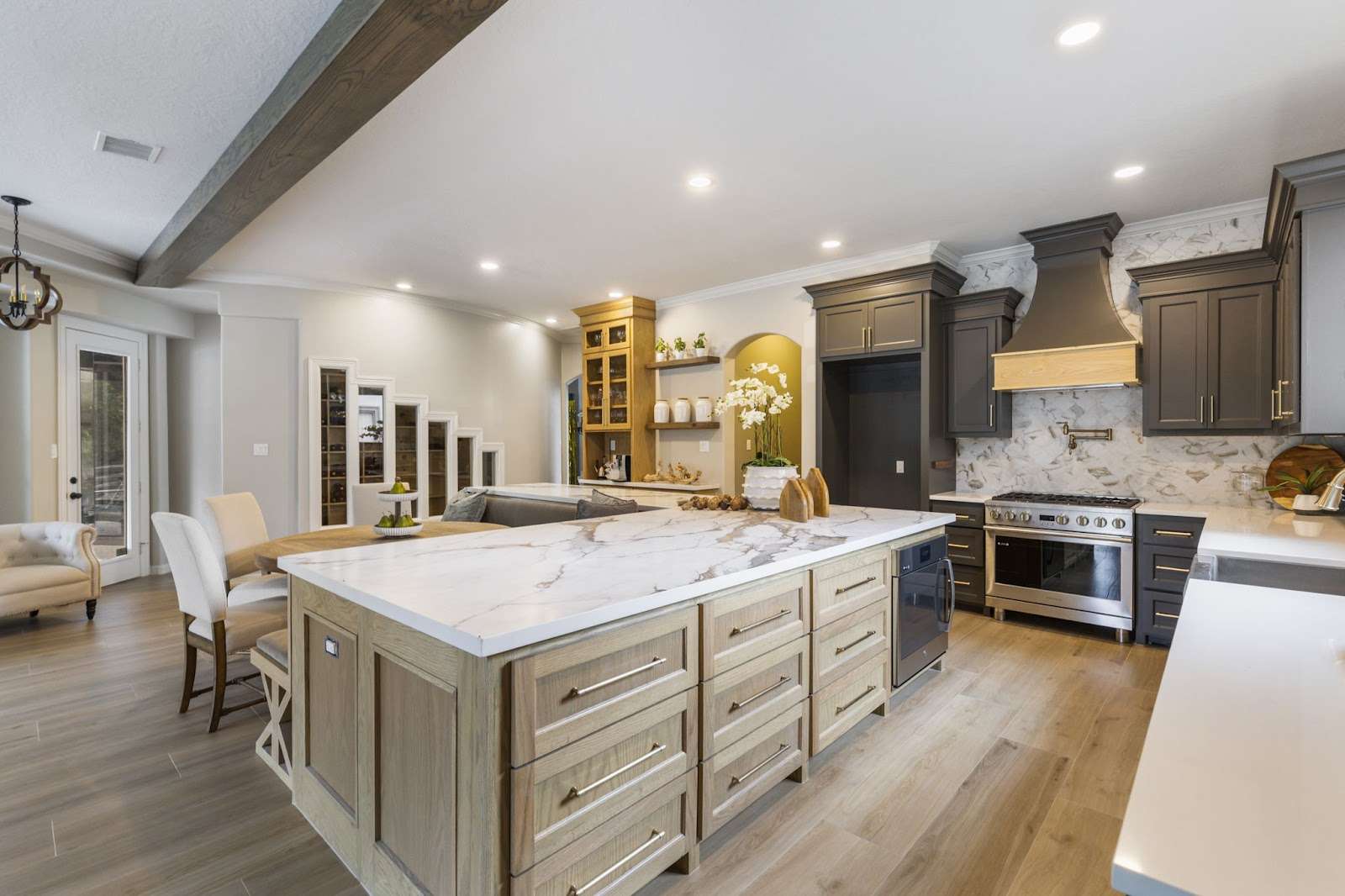
Here’s the truth that most folks aren’t aware of until they’re knee-deep in tile samples and delivery delays:
A beautiful home doesn’t come together by accident. It takes vision, planning, coordination—and a whole lot of decision-making.
And that’s where working with a professional interior designer really shines.
When you bring in someone who lives and breathes design, you’re not merely getting style—you’re getting strategy. An interior designer can help you avoid costly mistakes, stay on budget, and make decisions that feel right for you.
They’ll also know which splurges are worth it, where to save without sacrificing quality, and how to get that just-right mix of function and flair.
More importantly? They’re with you every step of the way, from that first spark of inspiration to the final fluff of the pillows. You get to enjoy the process, skip all the stress, and walk into a space that feels effortlessly, uniquely yours.
So, if you’re ready for a space that looks amazing, fits your life beautifully, and doesn’t leave you buried in project chaos, let Design on a Dime help you bring it all together—with style, skill, and a whole lot of heart.
Frequently Asked Questions
How much does it typically cost to hire an interior designer?
The cost of hiring an interior designer tends to vary based on the project’s scope and complexity, but many designers offer flat-fee packages and hourly rates. At Design on a Dime, we keep pricing transparent from the start.
Can I still be involved in the process if I hire a designer?
Absolutely! Collaboration is key here. You’ll be part of the decisions, vision, and approvals; the designer is simply there to help guide and streamline everything.
Do interior designers work with contractors, or do I need to hire them separately?
Most designers already have trusted professionals they work with regularly, but you can also bring in your own contractors if you’d like. Your interior designer can then coordinate the team to keep everyone on the same page.
What’s the difference between an interior designer and an interior decorator?
A designer typically has formal training and handles space planning, renovations, and code compliance. A decorator, as the name suggests, focuses more on style, color, and furnishings.
What if I change my mind during the project?
Don’t worry, it happens! Besides, a good designer always builds flexibility into the process. Although it may affect the budget or timeline, your satisfaction should always come first.
Let’s Design the Kind of Home You Never Want to Leave
A beautifully designed home isn’t just about aesthetics—it’s about how you feel in your space every single day. Whether you’re starting from scratch or giving one room a fresh new look, the right designer can bring clarity, creativity, and calm to the process.
Why would you settle for ordinary when expert design can turn your home into a sanctuary of comfort and style?
If you’re ready to trade stress for strategy and guesswork for guidance, let’s talk.
Get in touch with Design on a Dime Interiors and take the first step toward a space that truly feels like you.