
What to Know Before Updating Your Kitchen Cabinets: A Homeowner’s Guide
What to know before updating your kitchen cabinets?
Well, honey, for starters, it’s gonna be more than picking a pretty paint color.
Cabinets are the backbone of your kitchen, and the choices you make today will greet you every morning for years to come.
A smart update could bring joy, value, and a whole lot of ease to your daily cooking rhythm, but rushing in without a plan could leave you knee-deep in stress.
Before you grab a sledgehammer or fall in love with a showroom sample, let’s talk about how to make this project smooth, smart, and worth every penny.
A little planning and one firm budget line now will prevent big headaches later.
Refacing vs. Full Replacement: Which Option Makes Sense for You?
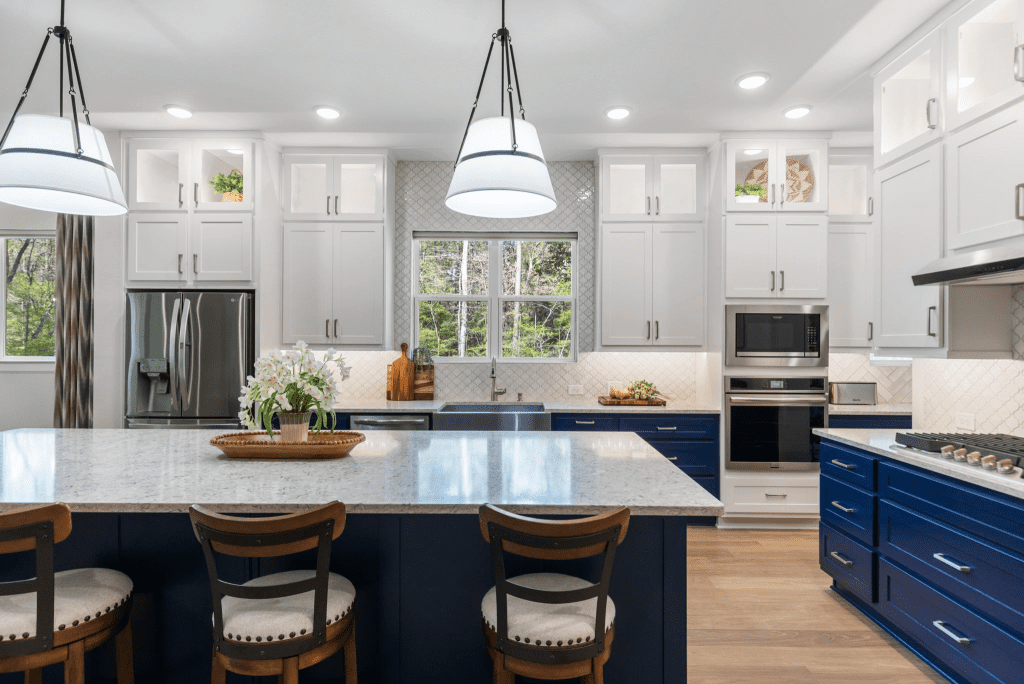
Sometimes, kitchen cabinets are like an old pair of boots. What I mean is, you can just polish them up and keep them going, but one day, it’s clear they’ve walked their last mile. Knowing the difference will save you time, money, and plenty of headaches.
When it comes to updating your kitchen cabinets, you’ve really got two main paths:
Give your existing boxes a facelift with refacing, or go all-in with a full replacement.
Of course, both will breathe new life into your kitchen, but the right choice depends on the condition of the cabinets, your budget, and how much change you truly want.
Refacing keeps the bones of your kitchen in place. The cabinet boxes stay put, but you can swap out the doors, drawer fronts, and hardware, or add new veneer or finish to the frames. It’s like reupholstering your favorite chair; you get a brand-new look without buying something entirely new.
Replacement means starting from scratch. You have to remove the old boxes completely and install new cabinetry. That opens the door (quite literally) to a whole new layout, added storage, custom features, and a totally different style.
Now, honey, here are the main pros and cons side by side:
- Cost: Refacing usually runs far less than replacement, often thousands saved, but the trade-off is limited design flexibility. Replacement costs more, but you can change every inch of your kitchen’s footprint.
- Timeline: Refacing usually wraps up in just a few days; perfect if you don’t want weeks of dust and disruption. Replacement can take several weeks, especially if custom cabinets are involved.
- Style & Lifespan: Refacing freshens up the look but doesn’t extend the life of those aging cabinet boxes. Replacement gives you brand-new construction that can last for decades.
- Sustainability: Refacing wins here, since you’re keeping what you already have and cutting down on landfill waste.
Okay, so how can you really tell which one is right for you?
If your cabinets are solid, square, and still meet your storage needs, refacing is a smart, cost-effective way to update your kitchen’s style. But if you’re dealing with sagging shelves and water damage, or hinges that were repaired more times than you can count, replacement is likely a better long-term investment.
Beyond appearance and structure, it’s also worth asking how your kitchen feels day to day.
Do you have enough storage for pots, pans, and pantry items? Are you constantly fighting clutter on those counters? Does your cabinet layout make cooking feel like a juggling act?
You get where I’m goin’ with this:
If your kitchen doesn’t flow with the way you live, an update, whether big or small, can bring both style and function back into balance.
Not sure whether to reface or replace? That’s where Designs on a Dime comes in.
We will take a look at your kitchen, weigh the pros and cons with you, and craft a plan that fits your budget and the way you live. From quick facelifts to full custom remodels, we’ve got you covered.
Choosing Materials, Quality & Finishes
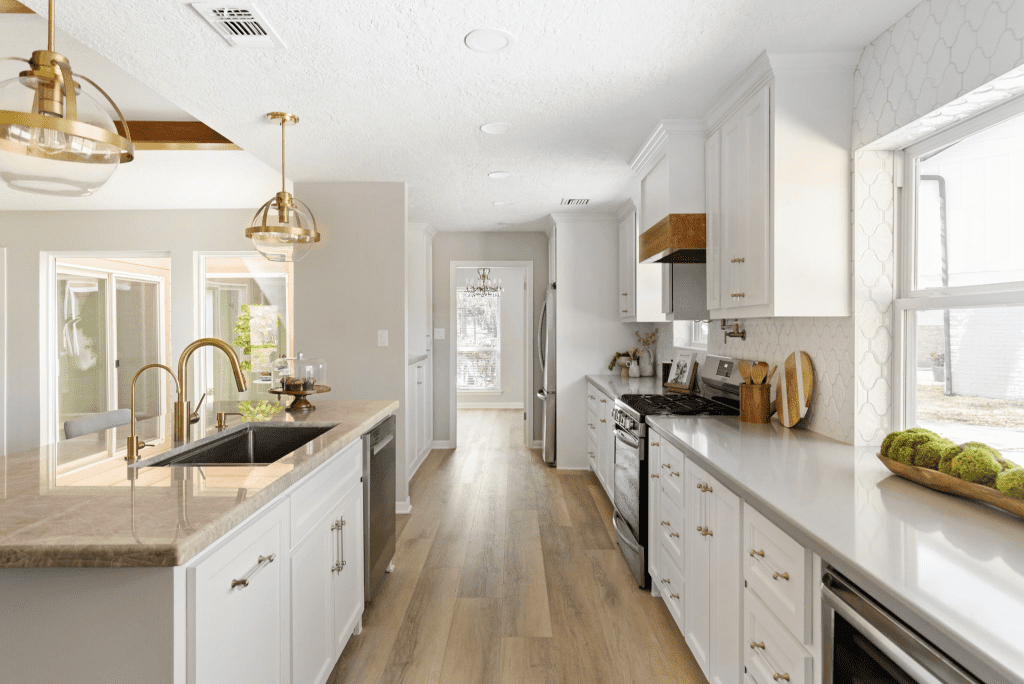
Your cabinets are not just pretty faces in the kitchen. They’ve got to stand up to sticky fingers, heavy pots, and more than a few spaghetti-sauce splatters.
Picking the right materials and finishes makes the difference between cabinets that stay looking sharp for years and ones that wear out before you’re ready.
Cabinet Materials: The Backbone of Durability
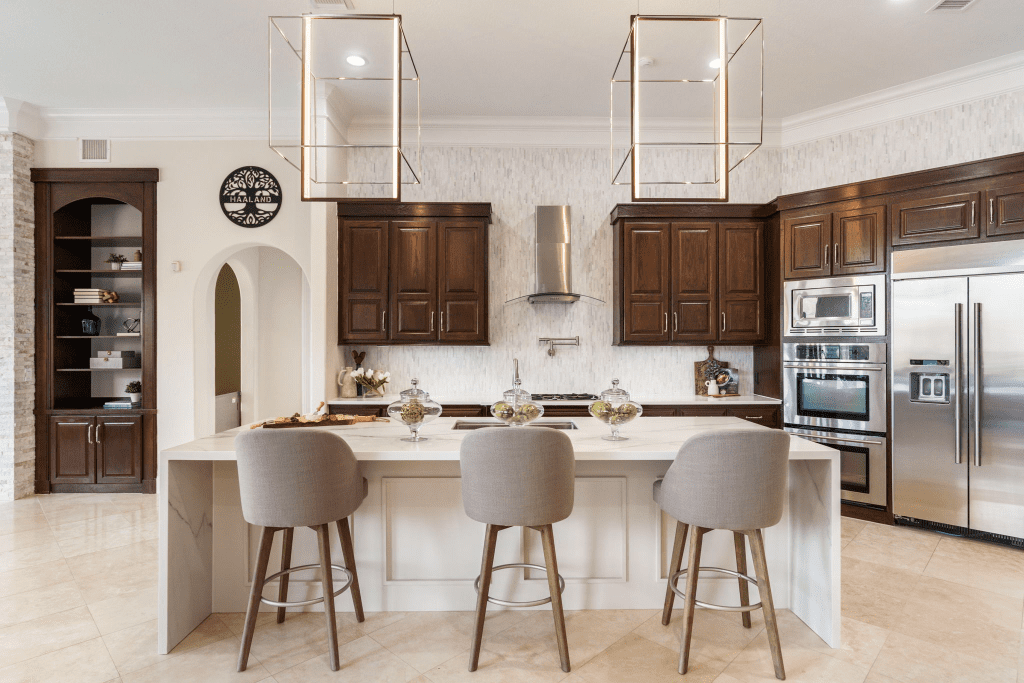
Now, honey, let’s start by thinking about what your cabinets will endure every day. The messes, the meals, the family gatherings… all of it.
Here’s how the main material types stack up:
- Solid wood brings that natural beauty and strength. It’s a classic option that might even boost your home’s value, but it’s also a little sensitive. I’m talkin’ swelling and shrinking when humidity shifts.
- Plywood is a workhorse. It’s strong, stable, and handles daily wear better than most. Sure, it costs more than particle board or MDF, but it pays off in long-term durability.
- MDF (medium-density fiberboard) is a budget-friendly option and delivers a smooth, paint-ready surface. Just keep it away from moisture; it seriously doesn’t love water.
- Laminate or melamine options offer easy-clean surfaces at a wallet-friendly price point. They are perfect for busy families on a budget, but they can chip more easily than wood or plywood.
Finishes That Fit Your Lifestyle
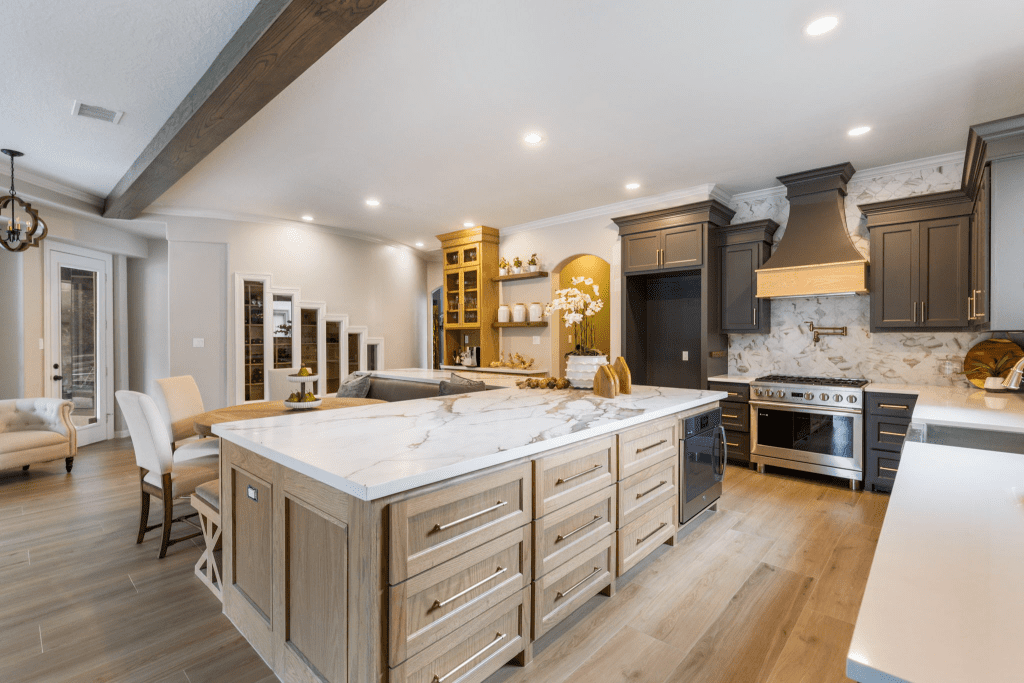
Okay, let’s say you’ve chosen materials. Now, what about finishes? After all, they will shape both style and longevity.
Consider these options:
- Painted finishes deliver clean, modern looks but can show scratches and chips if you’re rough on them.
- Stained wood highlights natural grain and tends to age gracefully.
- Thermofoil and other synthetic wraps are sleek and affordable, though they may peel or warp if exposed to too much heat or moisture.
Maintenance matters, too. Painted MDF may need touch-ups sooner, while stained woods or high-quality laminates are easier to keep looking new.
The right material and finish combo should match not just your budget, but how hard your family runs that kitchen.
Hardware That Holds It All Together
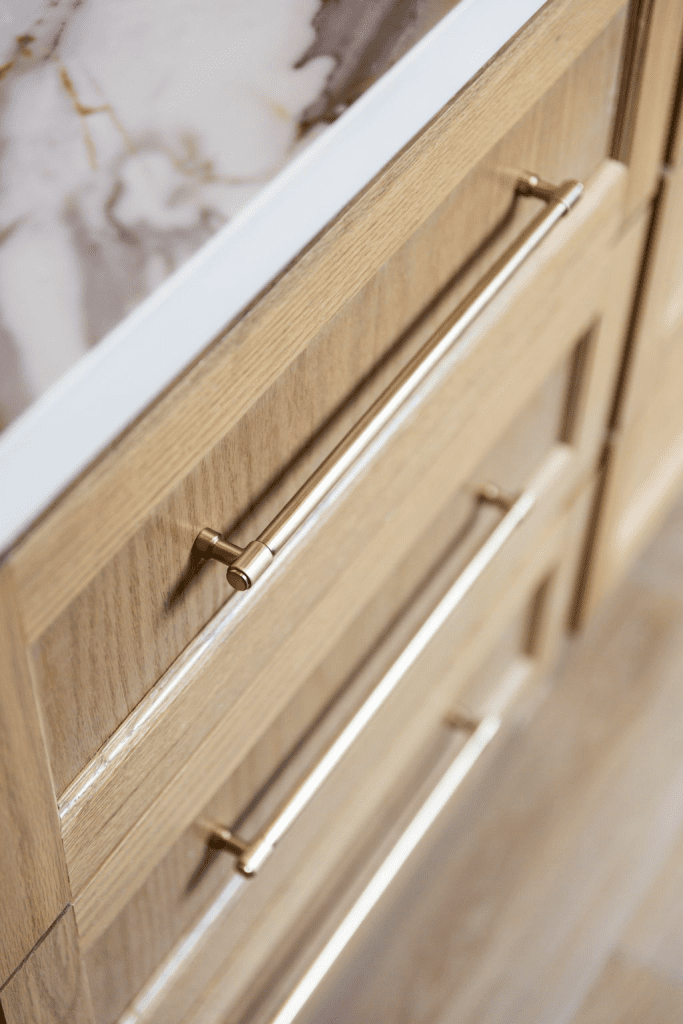
Cabinet doors and drawers get more action than you might realize.
Quality hinges, drawer slides, and pulls will keep everything moving smoothly. Soft-close hardware not only feels high-end but also saves wear and tear.
Don’t skimp here, baby; cheap hardware is often the first thing to break.
Kitchen Cabinet Remodel Costs: What to Expect
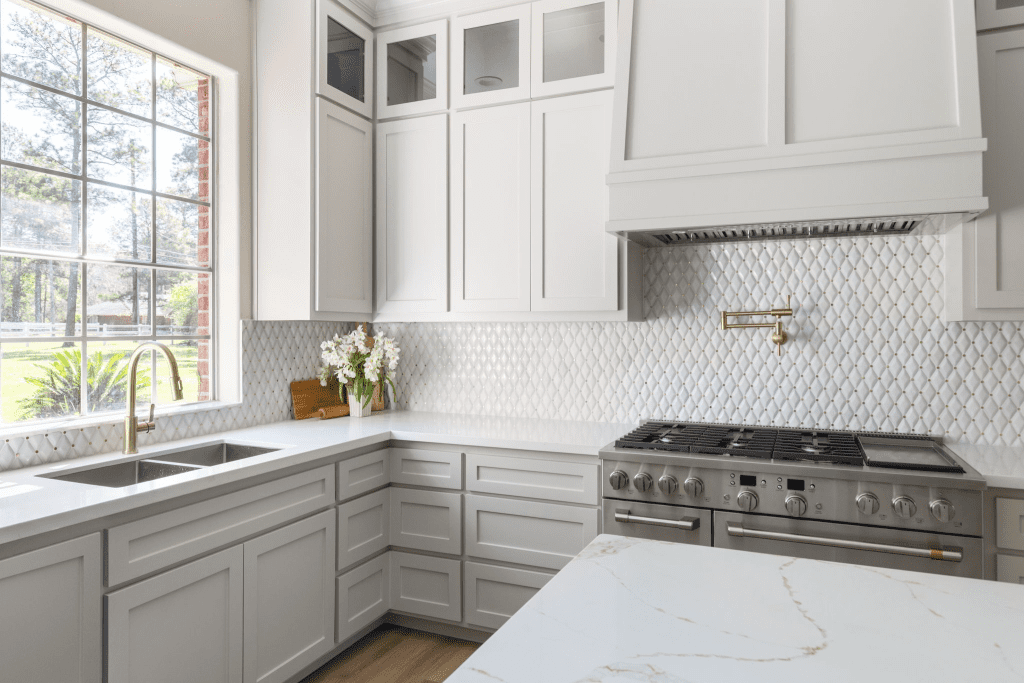
Let’s be honest, nothing gives your kitchen a facelift quite like updating those tired old cabinets! But before you fall in love with all the samples and swatches, we need to talk numbers. No one wants a surprise bill that’s scarier than a burnt soufflé, right?
So, here’s what really drives the cost of a cabinet remodel.
Material vs. Labor Costs
Your budget will be split between what you buy and who installs it.
Cabinets themselves aren’t the only thing on the invoice, honey. Labor often eats up 20% to 30% of your total.
In fact, installation typically runs $50–$450 per linear foot, depending on complexity, while custom details, like soft-close hinges or tricky corners, bump that price even higher.
The cost of materials can vary just as widely. Solid wood and plywood drive costs up, while laminates and MDF keep things more budget-friendly.
Oh, and let’s not forget cabinet type:
- Stock and ready-to-assemble cabinets: $1,000–$3,000 total
- Semi-custom cabinetry: $3,000–$12,000 total
- Custom built-ins: $15,000–$30,000+ (about $500–$1,200 per linear foot)
Regional Price Differences
Where you live makes a big difference.
In Texas and rural markets, stock cabinets may start at $170 per linear foot, while coastal or urban areas often see prices double. There’s a difference in labor costs, too; an installer might charge under $100 per cabinet in small towns, but up to $300 each in big cities.
Even shipping and delivery costs vary. Those heavy cabinets aren’t cheap to move around, sugar.
Hidden Costs to Keep in Mind
Cabinet updates can bring a few surprise guests to the party:
- Demolition and disposal fees
- Electrical or plumbing adjustments
- Permits in some municipalities
- Contractor markups (usually 15–20%)
Local permits and disposal fees, though sometimes overlooked, could also nudge your budget one way or the other. Planning for a 10–15% contingency fund helps keep you covered if something unexpected pops up.
Balancing Cost With Long-Term Value
Here’s where you get strategic, darlin’.
Stock cabinets save money upfront, but premium plywood or solid wood lasts longer and can boost resale value. Neutral styles and durable finishes stretch your investment further, while trendy colors with delicate finishes may need updating sooner.
The sweet spot is finding something that holds up to daily life, without stretching your wallet too thin.
Again, the goal isn’t the cheapest option.
It’s all about knowing where to splurge and where to save. Cabinet trends might come and go, but a smart balance between cost and quality will keep your kitchen stylish and functional for years to come.
Want the numbers to work in your favor without the stress? Designs on a Dime offers kitchen remodeling services, including custom cabinets tailored to your home. We’ll handle everything, from demolition to the last coat of finish, so you can enjoy the process instead of juggling contractors.
Planning Your Kitchen Remodel Timeline
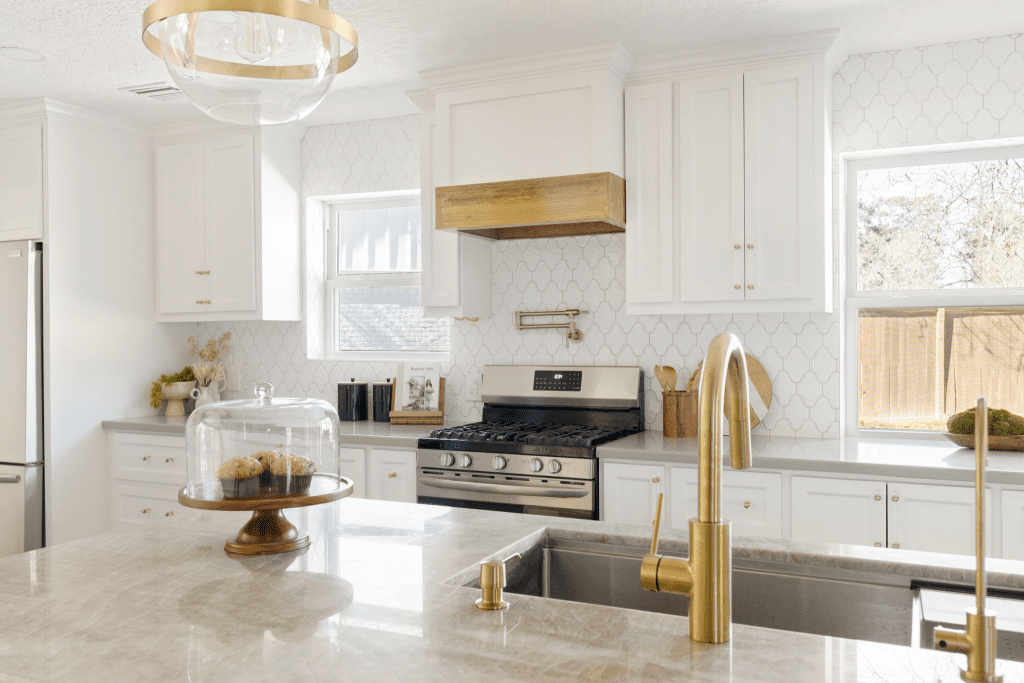
Before you even think about grabbing a paintbrush or falling in love with a cabinet sample, let’s get honest about timelines, because kitchen magic doesn’t happen overnight, darling.
Breaking your project into phases is the key to staying sane. The design and planning stage often takes two to four weeks, but don’t be surprised if it stretches longer if you’re ordering custom pieces and waiting on permits.
Quality contractors are usually booked months in advance, by the way, so the sooner you snag a spot on their calendar, the smoother your remodel will go.
Once planning is squared away, demolition kicks things off; usually, a few days of dust and noise. Cabinet installation follows, which can take anywhere from a week to several weeks depending on complexity, and finishing touches (think countertops, backsplashes, and hardware) tie it all together.
Always build in a buffer, because delays with materials or inspections happen more often than we’d like to admit.
And don’t forget:
Living through a remodel means your kitchen will be out of commission for a while. Plan for a temporary setup (think toaster ovens, slow cookers, or a little outdoor grilling) until your dream kitchen is ready.
Getting the Best Value With Contractors, Suppliers & ROI
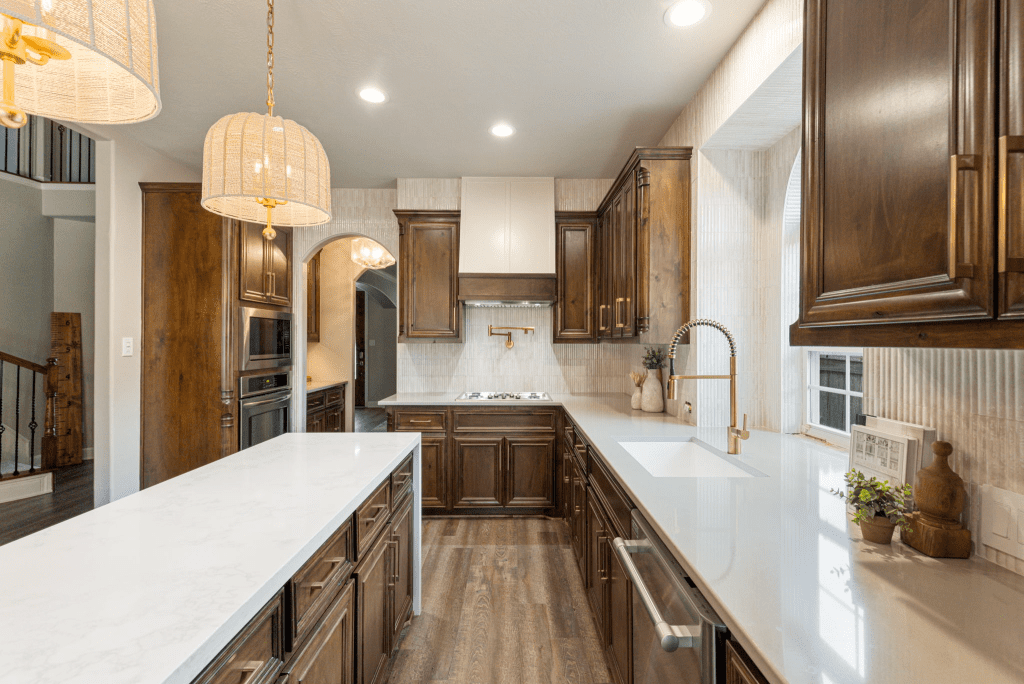
If sticking to your cabinet makeover plan is the cake, then hiring the right contractor is the cherry on top, and nobody wants a squishy cherry, right?
The truth is, your contractor can make or break this remodel.
So, ask about licenses, insurance, and experience with projects like yours. Don’t be shy about requesting references and following up; past clients will give you the real scoop.
A solid contract with clear timelines, payment schedules, and scope of work will save you the headaches down the road.
The same goes for suppliers.
Get detailed quotes and flex those comparison-shopping muscles. If something doesn’t sit right, trust your gut.
Strong communication and smart negotiation? That’s how you serve style on a budget.
Maximizing Your Return on Investment
Cabinet updates consistently deliver one of the highest ROIs in remodeling, usually recouping 80–90% of your spend.
The sweet spot?
Minor updates, like painting, refacing, or replacing hardware, can push ROI even higher, sometimes above 90%. Full custom remodels can look stunning, darling, but they don’t always return the same bang for your buck when it’s time to sell.
Here’s a quick rundown so you don’t lose your head (or your wallet):
| Project Type | Avg. ROI (%) |
| Cabinet Refacing | 96.1 |
| Painting Cabinets | 81-96 |
| Full Remodel | 38-49.5 |
| New Hardware | 80+ |
At the end of the day, you are not just upgrading cabinets. You are investing in your home’s comfort, style, and future value.
Thinking about upgrading? Design on a Dime can help you choose the smartest updates, whether that’s a quick refacing, a full custom cabinet build, or a kitchen refresh.
Styling Tips That Stand the Test of Time in Texas Homes
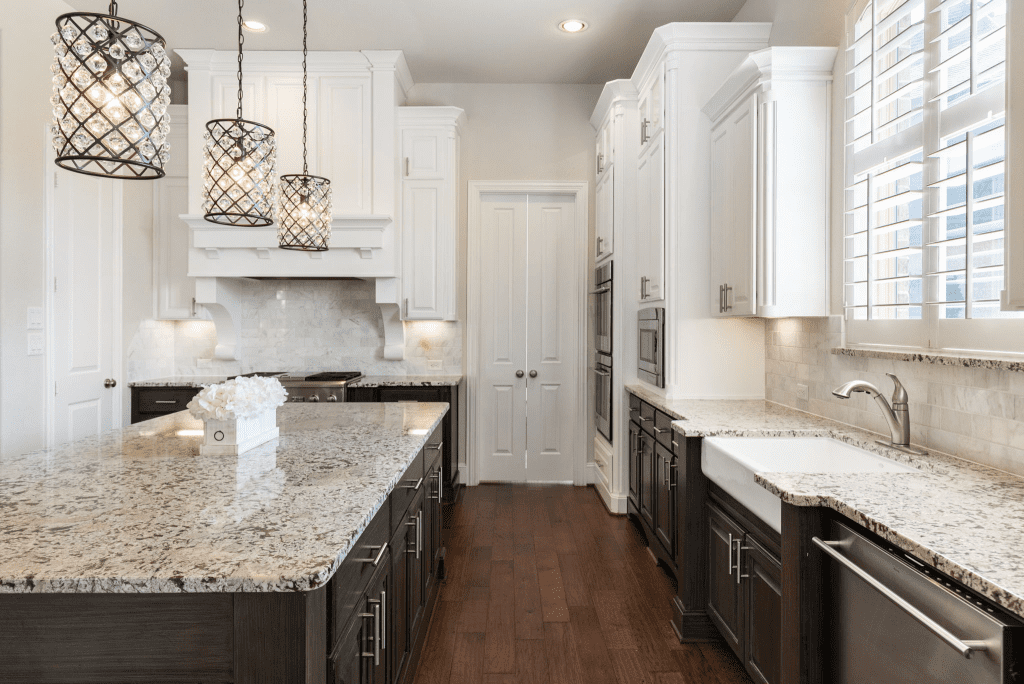
When it comes to kitchen cabinets that’ll look just as lovely a decade from now as they do today, the key is choosing styles and finishes with staying power.
Darlin’, nothing dates a kitchen faster than chasing every passing trend.
Instead, lean into timeless choices.
I’m talkin’ soft whites, warm neutrals, and natural wood tones that will keep things crisp, chic, and versatile year-round.
Raised-panel doors, shaker styles, and other classic profiles give you that sweet spot between traditional and modern, stretching your style mileage without locking you into one look. A neutral foundation can give you the freedom to have fun with accents, too.
After all, your hardware, countertops, and lighting deserve their moment to shine, right?
[image]
And let’s not forget the details inside the cabinets. Pull-outs, organizers, and dividers might not show up in glossy photos, but they’ll make you fall in love with your kitchen every single day.
It’s form and function, Texas style.
Here are some easy ways to keep it timeless:
- White or neutral palettes: Clean, bright, and endlessly flexible.
- Classic door styles: Shaker or raised-panel for a look that never quits.
- Statement hardware: Pretty pulls and knobs that bring personality without overwhelming.
- Smart interiors: Pull-outs, spice racks, and drawer organizers to keep things flowing.
When we worked on the McDaid Project, the goal was just that—a kitchen with classic bones that wouldn’t feel dated five years down the road.
Think of it this way, darlin’:
A timeless kitchen is like a little black dress. It works for any occasion, never goes out of style, and always makes you feel good when you walk in the room.
Frequently Asked Questions
How do I ensure the updated cabinets coordinate with my countertops and appliances?
You should bring samples of finishes and hardware when you go shopping, and compare them against the counters, backsplash, and appliances in natural light. It’s hard to go wrong with neutral cabinets; they work well with most surfaces.
Do I need permits or inspections for cabinet updates?
You likely won’t need them for cosmetic work like painting and refacing. However, you may need permits if plumbing, electrical, or structural changes are involved, so be sure to check your local codes first.
How can I protect my cabinets from humidity, heat, and sunlight?
Humidity and heat can be a real issue in Texas homes. Be sure to set up proper ventilation in your kitchen, keep hot appliances a few inches away from the cabinet walls, and if you’re worried about sun fading, add window treatments or UV film.
Do I need under-cabinet lighting with darker cabinets?
I wouldn’t say it’s a must, but under-cabinet lighting can brighten prep areas and help darker finishes look more open and inviting. Slim LED strips, for example, are a popular choice.
Can I donate or recycle my old cabinets locally?
Yes. Habitat ReStores and many salvage shops accept furniture donations, including cabinets. Remember to clean them, remove hardware, and provide clear photos before arranging pickup or drop-off.
Ready to Take the Next Step?
At the end of the day, your kitchen cabinets are more than storage. They set the whole mood for the heart of your home.
And whether you are leaning toward a small refresh or a full transformation, the smartest move is having a design partner who can keep your style, budget, and timeline all singing in harmony.
That’s where Design on a Dime’s team comes in. We love turning “someday” kitchens into today’s reality, one thoughtful choice at a time.
If you’re ready to explore what your own kitchen cabinet update could look like, get in touch with our team today, and let’s dream it up together.