
Beat the Heat: Window Treatments That Cut Texas Glare (And Bills)
Window treatments that cut Texas glare are not just about blocking light. They are about bringing peace back to your home.
I know that whenever the afternoon sun blazes through the windows, it steals your comfort and sends your energy bills soaring. But sugar, there’s good news:
You don’t have to live in the dark or hide behind heavy drapes.
With the right mix of design and style, you can keep that bright Texas light where it belongs (and by that, I mean outside), while your home stays cool, calm, and downright beautiful.
Stick around, and I’ll show you how to beat the heat without dimming your sparkle.
Why Texas Sunlight Calls for Smarter Window Treatments
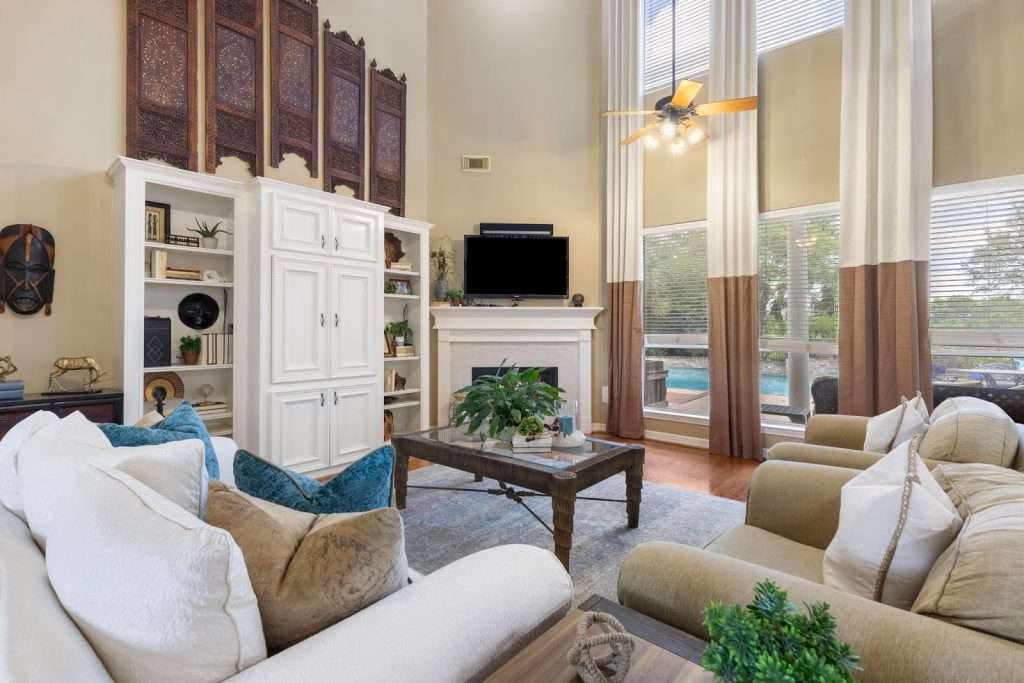
Texas doesn’t just get sunny, sugar. It shines with attitude.
From San Antonio to Conroe, those west-facing windows catch a whole lot more than “a little afternoon light.” Midday solar irradiance can top 1,000 watts per square meter, which means that golden glow you love can feel more like a heat cannon.
The result?
Faded fabrics, eye-squinting glare, and air conditioners working overtime just to keep up.
With extended peak sun hours and long summer days, your glass collects heat like a souvenir. That’s why smart window treatments aren’t just about looks; they’re about comfort and protection.
Think of them as sunglasses for your home:
Chic, hard-working, and absolutely essential in Texas.
The right fabrics and finishes help block harsh rays, keep indoor temps steady, and shield your furniture from fading before its time.
Trust me, honey, your eyes, your couch, and your electric bill will all send thank-you notes.
If your home’s been battling the Texas sun on its own, it might be time to bring in a little backup. Design on a Dime can help you select custom solutions that look beautiful, work great, and make hot afternoons a lot easier to love.
Window Glass and Frame Basics: What You Can’t Fix with Shades Alone
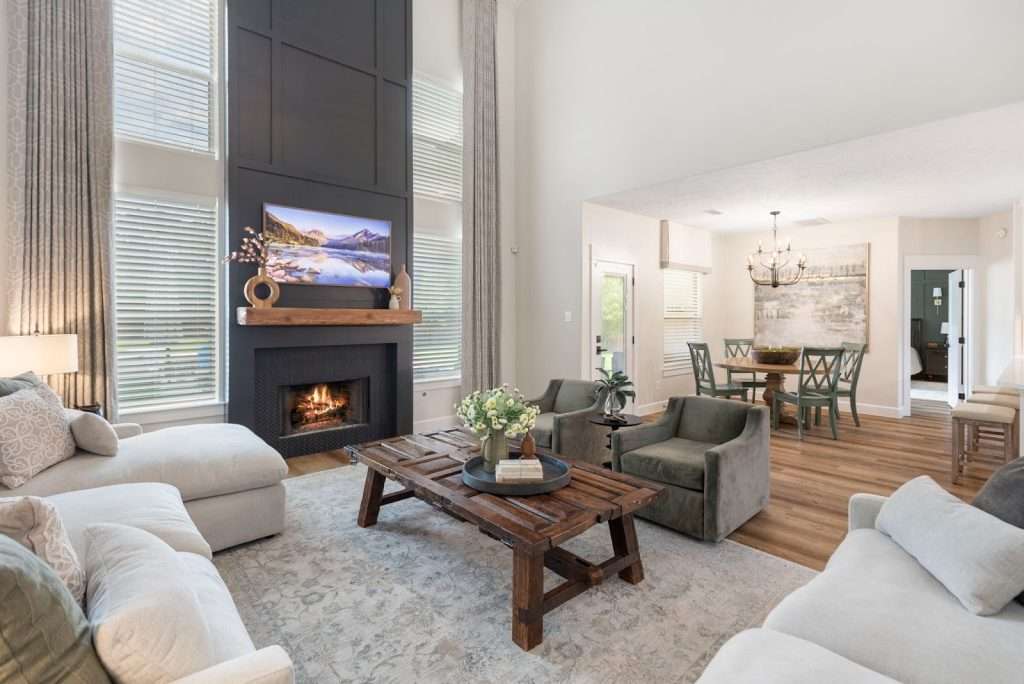
Now, sugar, even the prettiest shades in Texas can only do so much if those windows of yours are working against you. The glass and frame are your first line of defense, and in this heat, you need both to pull their weight.
Let’s start with glazing.
In our climate, double-pane windows with a Low-E coating are the sweet spot; strong enough to cut heat gain and light enough on your wallet. Triple-pane windows sound fancy, but they typically cost 15 to 40% more, and the extra energy savings just don’t add up unless you’re living in the mountains.
A well-made Low-E double pane can slash heat loss by half, keep solar gain under control, and still let in that soft, natural light we all love.
Now, about those frames, because they matter just as much:
PVC (vinyl) frames are the budget-friendly champs, built with hollow chambers that trap air and slow down heat transfer. Fiberglass takes it up a notch with more stability and better insulation; it can handle Houston humidity and Texas temperature swings without warping.
And if your heart’s set on that modern look, thermally broken aluminum offers the best of both worlds:
Slim lines, big views, and a barrier that stops heat from sneaking in.
When the glass and frame are working in sync, window treatments can truly shine, and I mean that literally and figuratively.
Interior Treatments That Cut Glare and Keep Comfort In
Now we’re getting to the fun part, sugar:
The window treatments that not only look fabulous, but actually help your home stay cool, too.
These are the real workhorses that turn harsh sunlight into soft, livable light, all while trimming your energy bills down.
Cellular and Honeycomb Shades
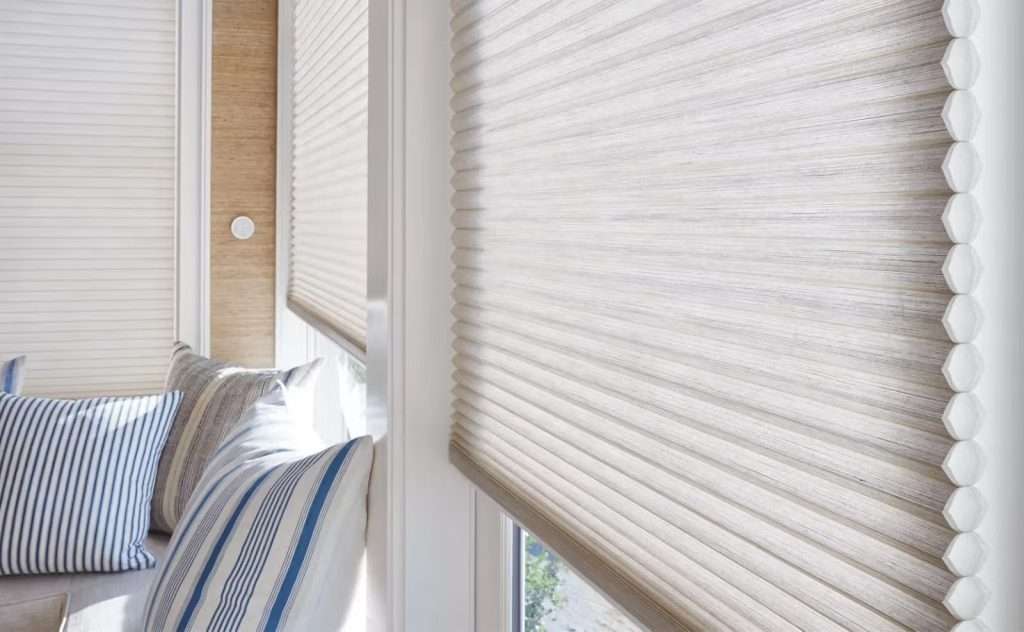
If your windows are roasting your rooms, cellular shades are your cool-headed best friend.
They feature honeycomb-shaped air pockets that trap still air inside, forming a quiet barrier between the Texas heat and your home. That little bit of trapped air makes a big difference, slowing down heat transfer so your AC doesn’t have to run all day.
Single-cell provides basic insulation, while double-cell steps it up with extra air layers. And if you want max performance? Triple-cell or cell-in-cell options bring serious oomph.
They come in every level of opacity, from sheer to blackout, so you can dial in your comfort. And when you raise them, they practically disappear, keeping your windows looking sleek and tidy.
Studies show that cellular shades can cut cooling energy use by up to 17 to 26%, depending on the setup. That’s money back in your pocket and comfort you can feel.
Solar Shades and Roller Screen Shades
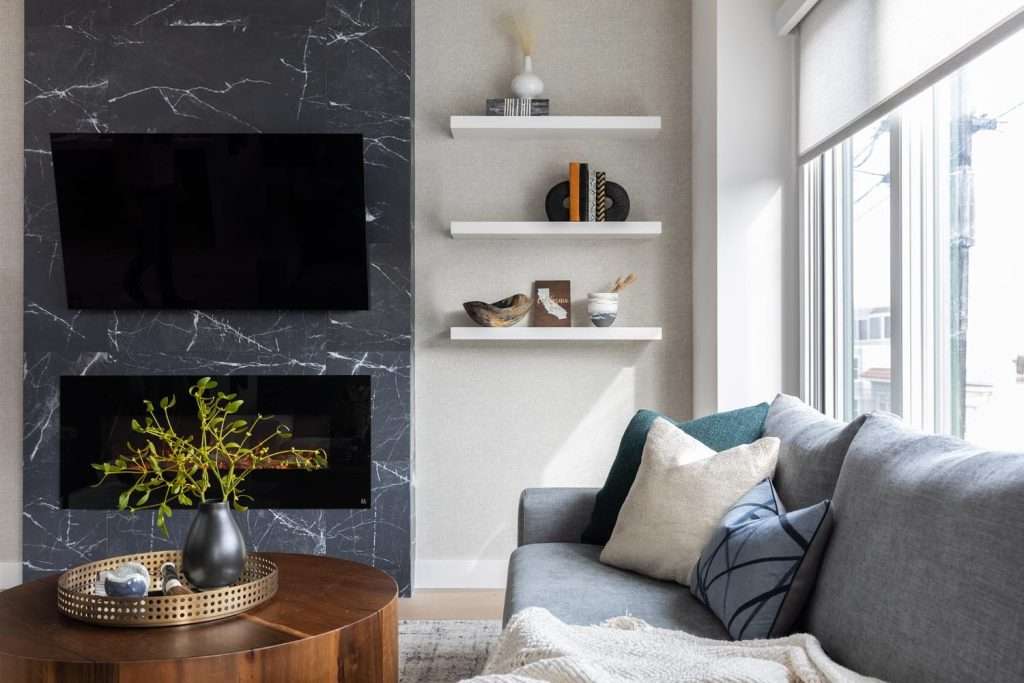
Sometimes you want to enjoy that sunshine without feeling it burn through your living room. Solar shades are woven fabrics that filter sunlight instead of blocking it completely. They reduce glare, cut UV rays, and protect your furniture from fading, all while keeping the view outside.
The key number here is the openness factor.
A tighter weave, like 1% or 3%, blocks more light and heat. Looser weaves, around 5%, give you clearer views but less glare control.
Choose based on which direction your windows face and how much brightness you can handle.
Mounted inside, they’re sleek and easy to motorize. Mounted outside, they stop heat before it ever hits the glass. Either way, they’re a perfect blend of form and function:
Cool, clean, and completely Texas-approved.
Reflective and Backed Blinds
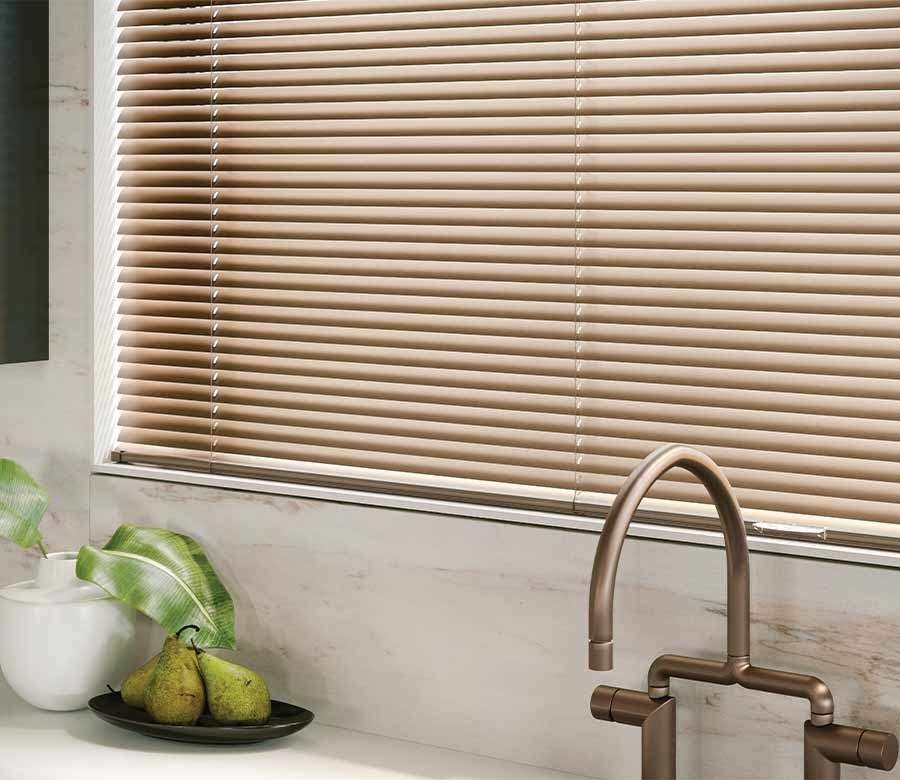
Reflective blinds may look like your classic slatted shades, but don’t underestimate them.
The pearlescent or metallic backs bounce sunlight away instead of letting it cook your space. All you need to do is tilt the slats upward to direct light toward the ceiling. You’ll brighten your room without glare hitting your eyes (or your screens).
You can pair your reflective blinds with room-darkening liners for even more control, especially in home offices and media rooms. They’re budget-friendly, easy to adjust, and stylish enough to complement both modern and traditional décor.
Sometimes, simple really does shine brightest.
Layered Drapery and Sheers
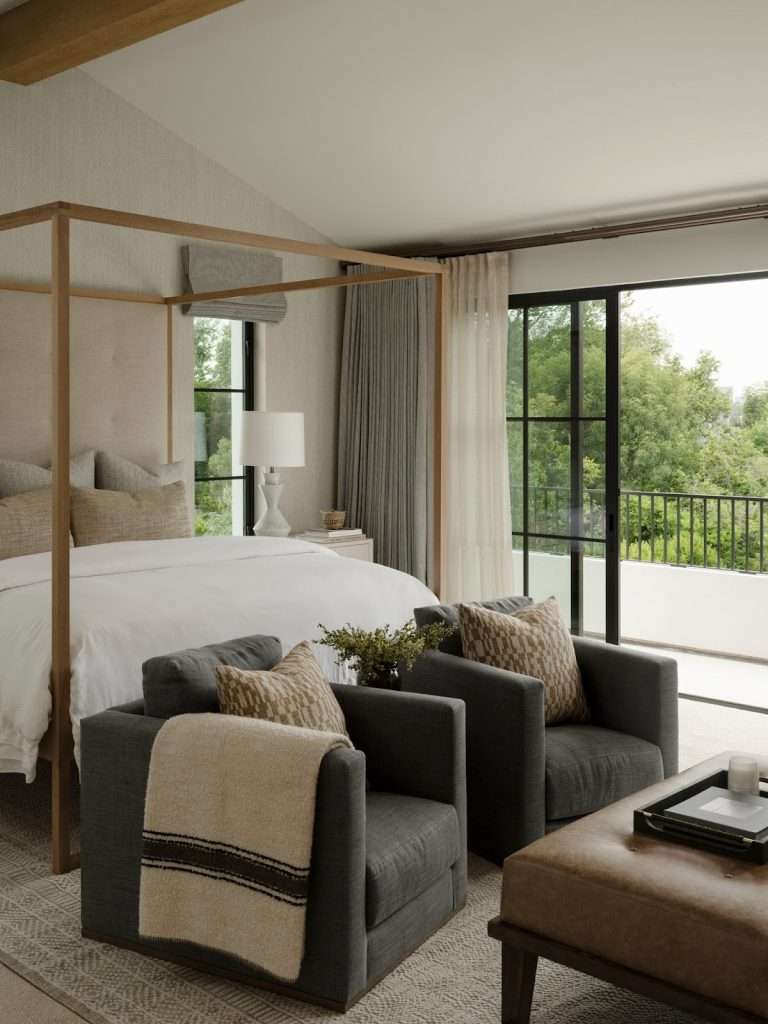
Now let’s talk about a true Southern classic: lined drapery.
It’s not just pretty, sugar. It’s powerful.
Layering a decorative fabric with thermal or blackout lining creates a pocket of air that helps block heat gain in summer and keeps warmth in during winter. Think of it as fashion meeting function.
For best results, you should hang panels wide and high, and let them touch the wall at the sides and sill to stop light leaks. Remember, light-colored backings reflect sunlight and improve energy efficiency without making the room feel heavy.
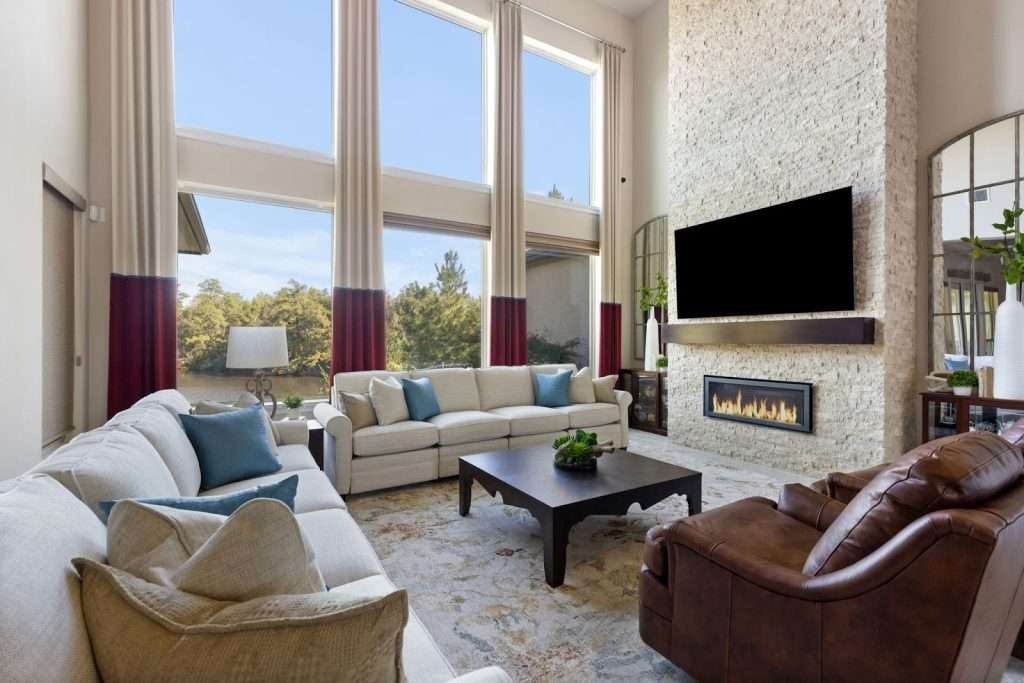
For example, in our Flores Project in Montgomery, we selected two-tone, custom drapery that softened a breakfast nook while still inviting warm daylight in, proving that you don’t have to compromise light or style when installing high-performance window treatments.
Pairing drapes with shades creates a snug seal that rivals pricier upgrades, and the result feels quieter, cooler, and more serene. And that’s just the kind of comfort every Texas home deserves.
Window Films and Low-E Coatings
If replacing windows isn’t on the table, window films offer an affordable shortcut. These thin layers adhere directly to your glass to reflect infrared heat, block UV rays, and soften glare. Some even mimic the effect of Low-E glass, cutting solar gain without darkening your home.
You’ll find different styles, including dyed, metallic, ceramic, and even daylight-redirecting films that guide sunlight deeper into the room. Just be mindful of warranty rules, sugar; some window manufacturers void coverage if films are applied improperly.
When done right, though, they can block up to 99% of UV rays and keep your interiors brighter, cooler, and protected year-round.
Ready to upgrade your light and comfort?
The right combo of shades, blinds, and drapery can turn your space into a retreat from that blazing Texas sun. And you don’t have to figure it out alone. Design on a Dime can help you pick custom treatments that fit your home’s style, your light, and your life.
Specs, Certifications, and What Really Counts in Texas Heat
Now that we’ve talked about fabrics and finishes, let’s look at what’s happening behind the label. Numbers matter when you’re chasing comfort and savings, but only if you know which ones to look for.
Here’s how to read the fine print without getting lost in alphabet soup:
- The Solar Heat Gain Coefficient (SHGC) tells you how much of the sun’s heat slips through your glass. Lower is better for Texas; think 0.25 or less for west- and south-facing windows. That’s your heat bouncer at the door, keeping those 3 p.m. scorchers where they belong: outside.
- Visible Transmittance (VT) tells you how bright your space feels. Higher VT means more natural light, but it’s a balancing act. Too high, and you’ll wrestle glare; too low, and your spaces feel dim. The sweet spot? Somewhere in the middle, with coatings or shades that keep the glow without the squint.
ENERGY STAR’s Southern Climate Zone label is your friend. It prioritizes SHGC over insulation, which makes perfect sense in Texas homes.
Another great one to look for would be the AERC (Attachments Energy Rating Council). They rate shades, blinds, and films so you can compare performance like a pro.
When you’re shopping or talking with your shade vendor, ask for the SHGC, VT, and AERC ratings. Those three tell you almost everything you need to know about heat, light, and efficiency. And if a product doesn’t list them, that’s your cue to keep on walking, sugar.
Texas summers are long and hot, and up to 40% of your home’s unwanted heat could come through the windows. By pairing Low-E double glazing with high-performance shades or films, you can actually cut the cooling costs by 20 to 30%.
Impressive, right?
With those numbers, your investment pays itself back faster than a Texas thunderstorm rolls in!
Material Durability & UV Resistance: Built for Texas Living
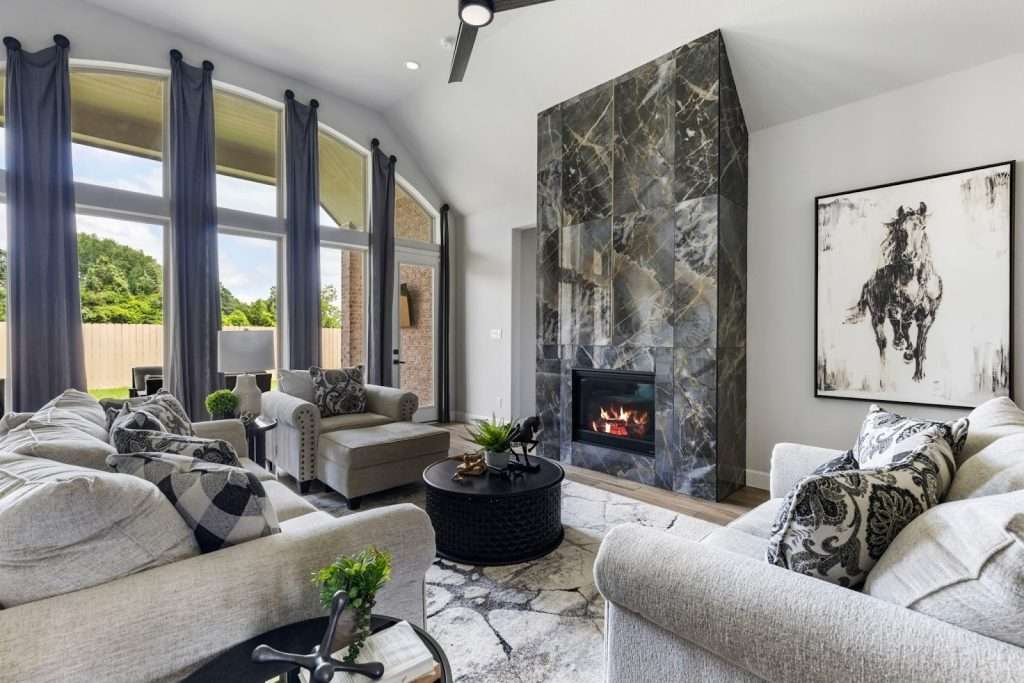
If there’s one thing the Texas sun loves, hun, it’s testing your patience and your window treatments.
I mean, think about it:
The constant sunshine breaks down fabric dyes, weakens coatings, and warps lesser materials. Frames can expand, contract, or even crack from our wild temperature swings. Humidity adds another challenge, softening adhesives and causing fabrics to sag over time.
Between UV rays, humidity, and dust storms that sneak in from nowhere, your shades and drapery have to be tougher than pretty.
What to Look For
For starters, you’ll need UV-stable fabrics designed for high-exposure areas.
Look for fade warranties or “solution-dyed” textiles. These are colored all the way through, not just coated on top, so they keep their richness year after year. Solar shade fabrics made from fiberglass or high-grade polyester blends resist heat and won’t stretch or discolor.
When it comes to frames, fiberglass and composite materials are the Texas MVPs. They’ll expand and contract right along with the glass, keeping those seals tight. Vinyl (PVC) can hold up well, too, especially when reinforced and UV-stabilized.
Skip cheap plastics or untreated woods, though. They’ll warp faster than you can say “August.”
With the right materials, your window treatments can handle that Texas sun, protecting your space, saving energy, and looking fabulous doing it. If you’re not sure which fabrics or finishes to pick, Design on a Dime can help you choose the perfect, long-lasting combination for your home and budget.
Smart Controls & Usage Strategies to Maximize Performance
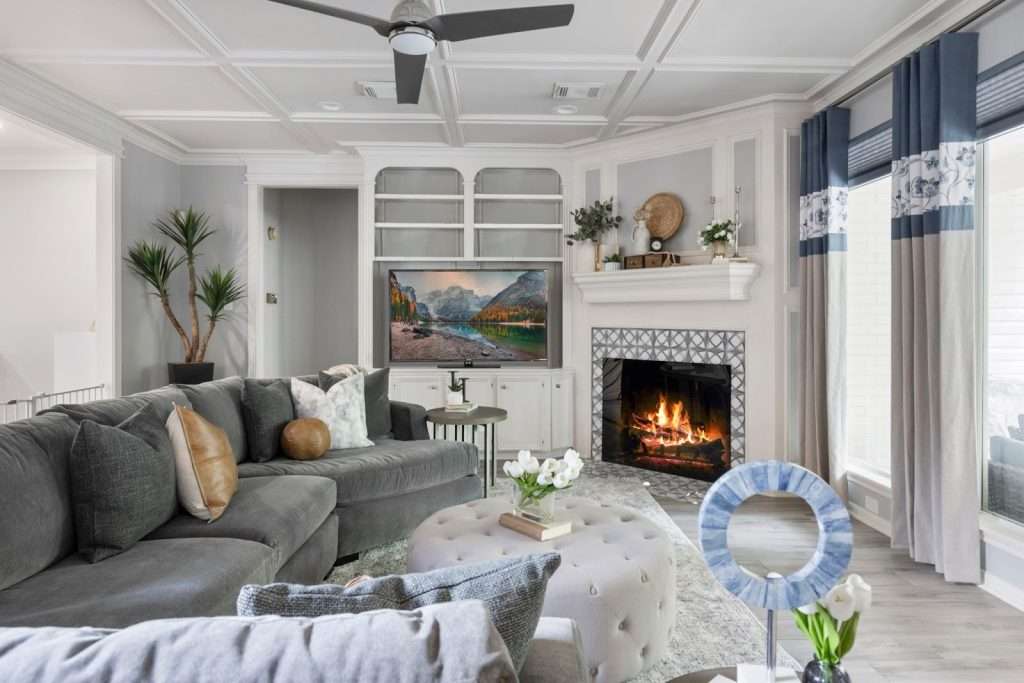
Why fight the Texas sun when your shades can do the thinking for you?
Smart window controls turn light management into a simple, set-it-and-forget-it kind of magic. Done right, they keep rooms cooler, bills lower, and your home looking sharp from sunrise to sunset.
Less stress, less waste, and more comfort? That’s a win all around.
Sensor-Driven Shade Scheduling
Imagine your shades acting like well-trained helpers, gliding open for gentle morning light and closing the moment that 3 p.m. glare starts getting bossy. That’s sensor-driven scheduling:
Tiny sensors that read sunlight, temperature, and even wind to adjust your shades automatically.
When lux levels spike, your shades drop just enough to block UV and heat while keeping the glow. Smart systems can also sync with timers, giving each day its own rhythm: bright breakfasts, shaded afternoons, peaceful evenings.
You can even manage it all from your phone while sitting in Houston traffic or cheering at a Woodlands soccer game.
It’s comfort that follows you, not the other way around.
Voice & App Control
Now, honey, picture this:
You’re on the couch, the sun starts creeping across your floor, and instead of getting up, you just say, “Alexa, cool it down.”
The shades glide, the room relaxes, and your electric bill quietly thanks you.
Voice and app control make light management second nature.
You can set “movie mode” for instant blackout, “evening mode” for a soft glow, or schedule shades to drop before the day’s heat peaks. Plus, app dashboards even track energy savings so you can see exactly how smart your setup really is.
It’s modern comfort with a touch of everyday luxury, Texas-style.
If you’d like to explore how smart shading can fit into your home, the Design on a Dime Interiors team can design everything just right. Because when your windows work smarter, your whole home feels better.
Frequently Asked Questions
What’s the difference between solar shades and blackout shades?
The main difference between the two is that solar shades are designed to filter light and reduce glare while keeping your view, whereas blackout shades completely block light for privacy and maximum insulation.
Will these treatments darken my home too much?
No, they won’t necessarily “darken” your home. Sheer and dual-layered fabrics let you manage light levels while still keeping out heat and glare.
Can I install energy-efficient window treatments myself?
Yes, especially when it comes to smaller shades and films that are typically DIY-friendly. That said, custom sizing and professional installation make sure you’re getting maximum energy savings and a perfect fit.
How often should I replace or update my window treatments in Texas?
You should typically replace fabrics and coatings every 7 to 10 years, or even sooner if they show signs of fading, warping, or reduced performance due to sun and heat.
Are smart shade systems difficult to maintain?
No, not at all. In terms of maintenance, they mostly need light dusting and occasional battery checks, with motor updates required every few years.
Let the Light In, Not the Heat
If you live under Texas sunshine, you know it’s all about balance.
You want the beautiful, golden glow filling your rooms, but not the glare, not the heat, and definitely not the sky-high energy bills that come with it.
That’s where the right window treatments earn their keep.
The right design doesn’t just dress your windows; it makes your whole home feel calmer, cooler, and more comfortable, even in August.
If you’re ready to swap frustration for relief, let Design on a Dime Interiors help you find your perfect mix of beauty, comfort, and efficiency. We can customize every shade, drapery, and solution to fit your space and your lifestyle.
Your windows can do more than just look good. They can work smart. Get in touch with our team and let’s make them shine.