
Designing for “Second Acts”: How to Transform a Home When Your Life Completely Changes
Honey, if you’re wondering how to transform a home when your life completely changes and where to start, you’re not alone. Life’s got a way of shaking things up—sometimes in the most surprising ways. And when that happens, your home should rise right up to meet your new chapter.
It isn’t about buying all new furniture or tearing down walls—it’s about creating spaces that fit who you are now, not who you were before.
Now, change lands in all kinds of ways. Whether it’s an empty nest, a new way of working, or a fresh start you’ve been craving, your home can be more than a backdrop—it can be your biggest supporter.
Let’s talk about how to make every room feel like it’s cheering you on.
Rethink Your Home to Reflect the Life You’re Living Now
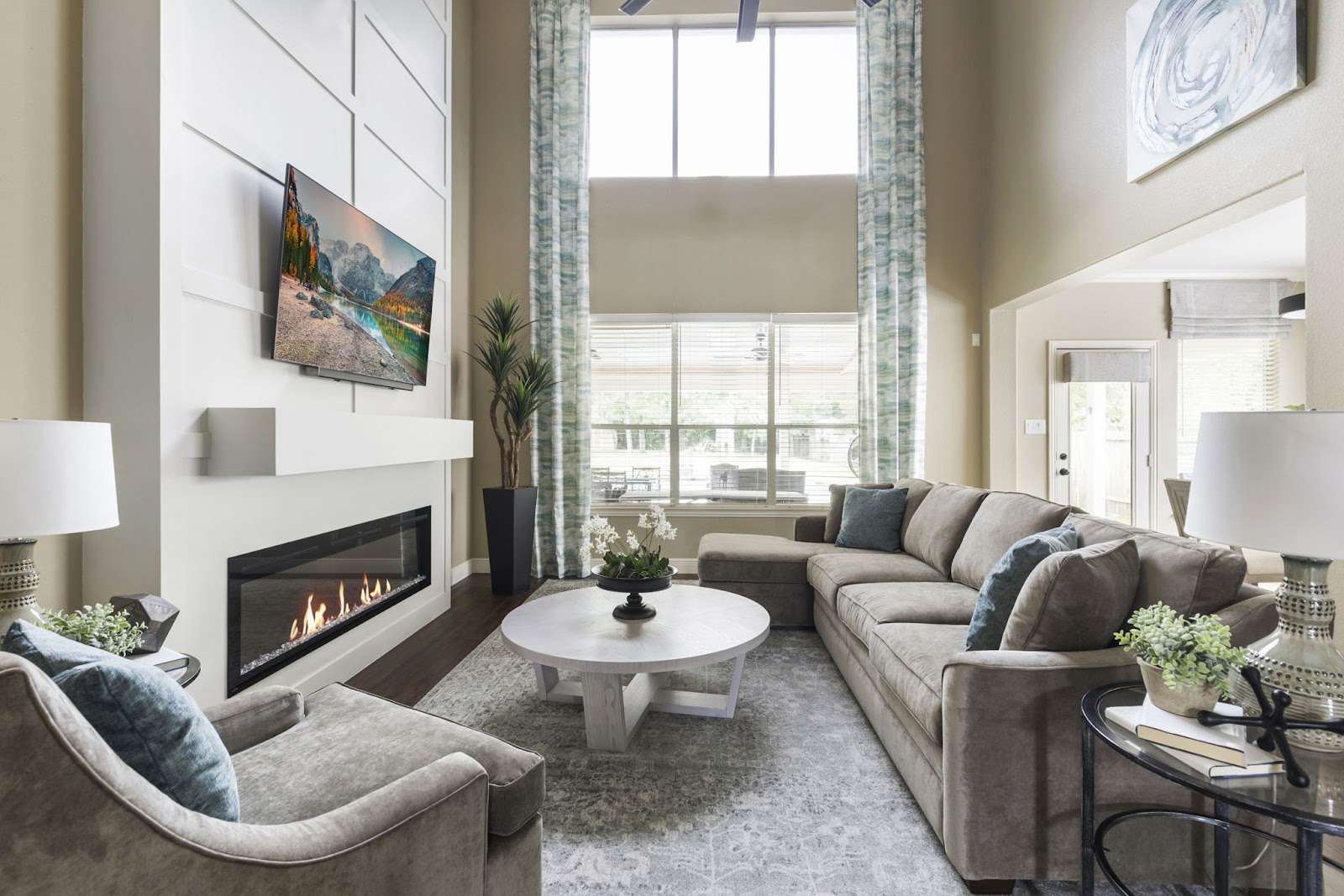
Let’s be honest—nothing will turn your world (and your living room) upside down like a major life change.
Whether that’s a new chapter you chose or one that came out of the blue, your home has a way of holding onto the “before.” Suddenly, that open floor plan that once fit your family like a glove feels too empty—and your once-bustling kitchen is now echoing like a ghost town.
And you’re not alone in that feeling, honey.
Roughly 1 in 5 homeowners tackle renovations not for aesthetics or resale—but to keep up with life itself.
These moments are tender and, often, bittersweet, and they call for design that supports you right now, all without ignoring what’s next.
The truth is, remodeling after a life shift isn’t about starting over—it’s about starting fresh.
And yes, it can get pricey. Since 2020, median renovation costs have jumped more than 60%. But here’s what’s beautiful:
93% of homeowners say they’d still do it all over again.
Why?
Because when the renovation is rooted in who you are now, every dollar and every design choice starts to feel like self-care.
Intentional design is about reclaiming your home with purpose. This isn’t about rushing into renovations or throwing money at Pinterest boards. It’s about making room, both literally and emotionally, for who you are becoming—and Design on a Dime’s Dream Team would be honored to help you out!
Reclaim Unused Spaces for New Purposes
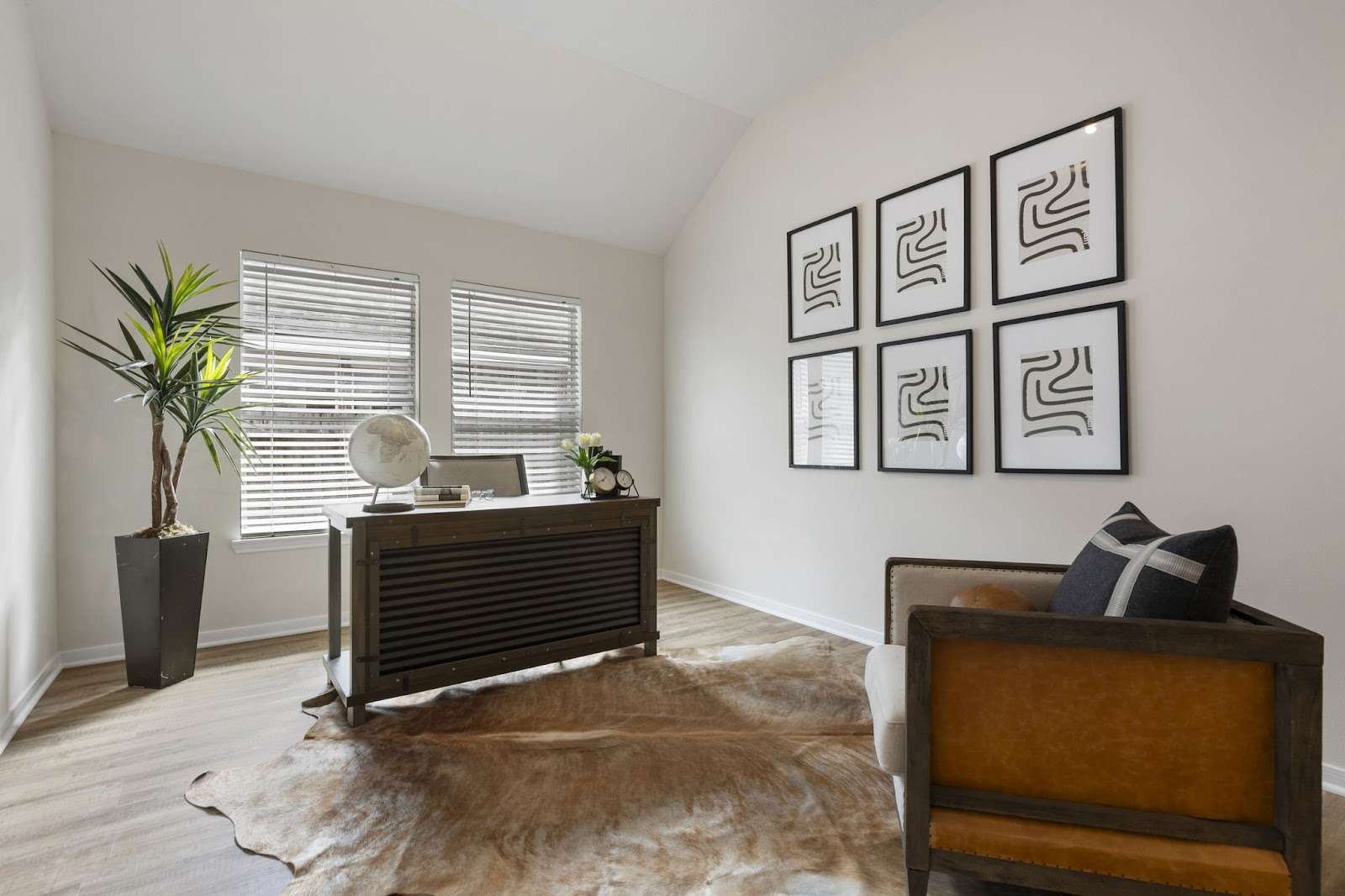
Let’s go ahead and say it:
Every home has that one room—or corner, or closet—that is just sitting there collecting dust and potential. Maybe it was a guest room for visitors who don’t come by anymore, or a formal dining room that only sees action on Thanksgiving.
Honey, if you’re not using it, you’re losing it.
Now’s the time to reclaim those forgotten zones and turn them into spaces that serve your life today. And no, you don’t need to tear down walls or drain your savings, hun. A little vision and some design intention go a long way.
Here are a few suggestions:
- Guest bedroom turned home office or gym: If your “guest suite” is mostly hosting dust bunnies, it’s time for a glow-up. Swap that bulky bed for a sleek daybed or Murphy bed for a home office, or roll in yoga mats and mirrors for a serene workout space. Closed storage can hide away resistance bands, work files, and anything else that clutters your vibe.
- Formal dining room reimagined: Stop letting it be a museum. You can always turn it into a library or homework hub with a generous table that still works for the occasional dinner party. Add built-ins or a vintage hutch for books, art supplies, or a record player station, then soften it up with pendant lighting and warm textiles.
- Sunny corner as a reading or journaling nook: Sometimes you don’t need a whole room, just a pocket of peace. Find a large, bright window, slide in a comfy chair, add a lamp and a small shelf, and you’ve got a retreat for reading and journaling. Calming colors, scented candles, and personal artwork make it feel extra yours.
- Hobby haven in an unused closet or alcove: If painting, sewing, puzzles, or crafting fill your cup, dedicate an unused or awkward space just for it. Organize with shelves, add good lighting, and let it become a joyful escape from the everyday.
Stop waiting for “perfect timing” and start using what you’ve already got. Don’t let your house stay stuck in a past version of you. Give those forgotten rooms a new lease on life—and let them meet you where you are, right now.
Ready to bring fresh life to those overlooked spaces without the headache? Let Design on a Dime’s expert remodeling team help you create rooms that truly fit your lifestyle—and your budget.
Choose Designs That Flex With Your Life
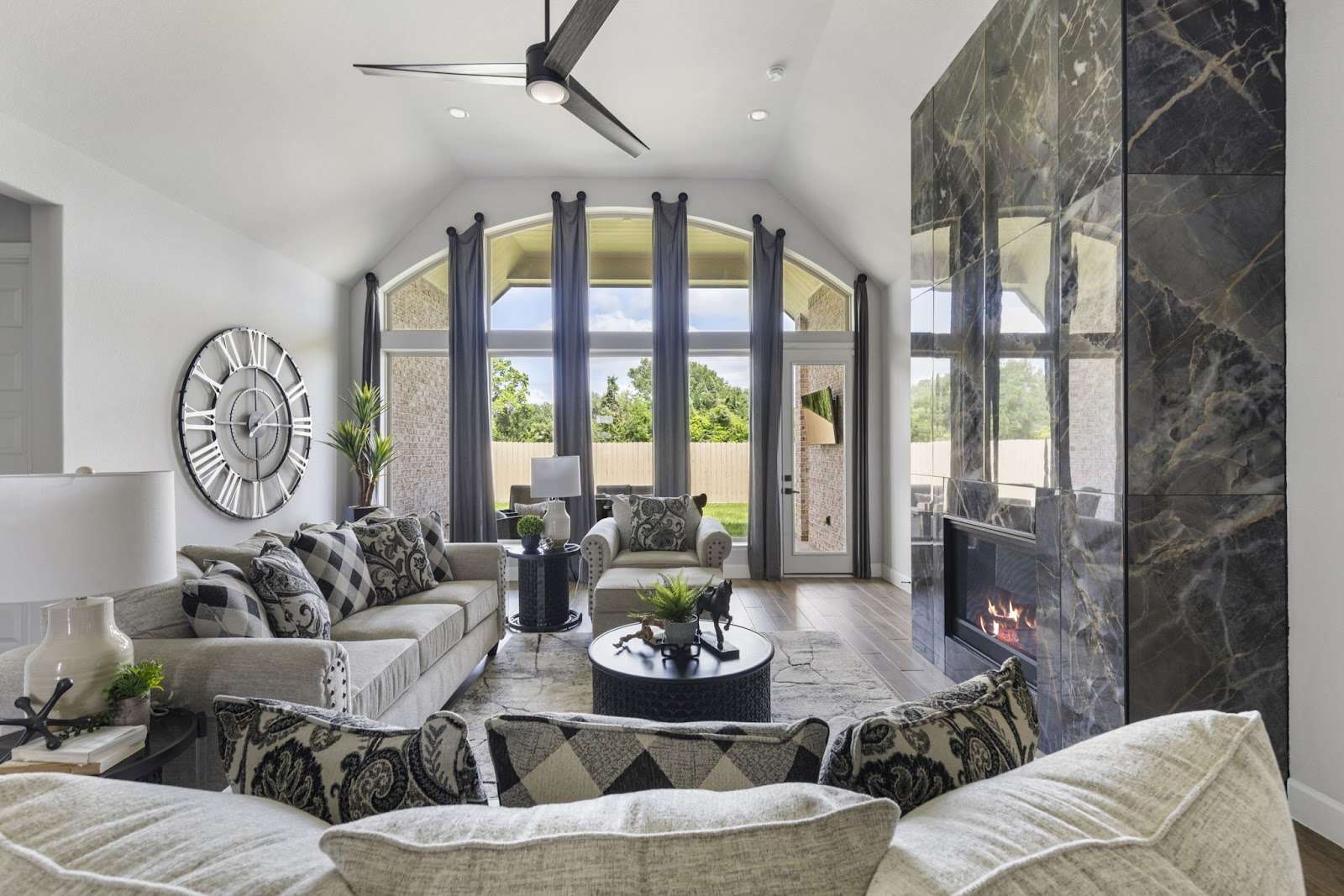
Life doesn’t stay still—and your home shouldn’t either.
One season, you’re working from the kitchen table and tucking toddlers into cribs. The next? You are likely juggling Zoom calls, grown kids boomeranging back home, or maybe just craving a little corner to call your own. And let’s face it, not everyone’s got the budget—or the energy—for a full gut reno.
Good news?
You don’t need one.
Flexible design is all about making your home work smarter, not harder. With a few clever updates, you can create spaces that shift, stretch, and support whatever life throws your way.
Furniture That Moves With You
You want furniture that does more than sit pretty. We’re talking shape-shifters, baby.
- Murphy beds disappear into the wall so your guest room can double as an office.
- Nesting tables tuck away when you don’t need them, then pop out for parties or puzzles.
- Fold-away desks give you a full work surface without taking over your living room.
- Modular sectionals let you reconfigure your seating based on the mood (or the movie night guest list).
- C-shaped tables slide right over sofas for quick meals, laptops, or a cozy cup of tea.
And don’t forget those hidden helpers—ottomans with storage, rolling carts that can double as bar stations or craft tables, and vertical shelving that climbs the walls without eating up floor space. The goal is to keep your home nimble—ready for movie night, Monday meetings, or an unexpected overnight guest.
Style matters, too, so opt for pieces that feel intentional, not institutional. No clunky vibes here!
Design for Zones, Not Just Rooms
Here’s the thing, honey:
Not every home has a spare room for every need, but with the right layout tricks, you can still carve out purpose from any square footage.
Open layouts and small homes, in particular, thrive on clever zoning:
- Use area rugs to visually separate your reading nook from your dining zone.
- A tall bookshelf or curtain can divide a shared space without blocking light.
- Floating desks, pendant lights, and paint accents help you define “mini-rooms” in open-concept homes.
- Think of your home in layers, not walls—it’s all about flow, function, and feel.
A space that adapts with grace is a space that supports real life—messy days, magical nights, and all the in-between.
Don’t worry about creating a magazine-perfect layout. What matters most is that your space feels just right for who you are and who you’re becoming. Flexibility is more than a design style—it is a lifestyle shift. And honey, you’re more than ready for it.
Prioritize Wellness in Every Room: Comfort, Accessibility, and Calm
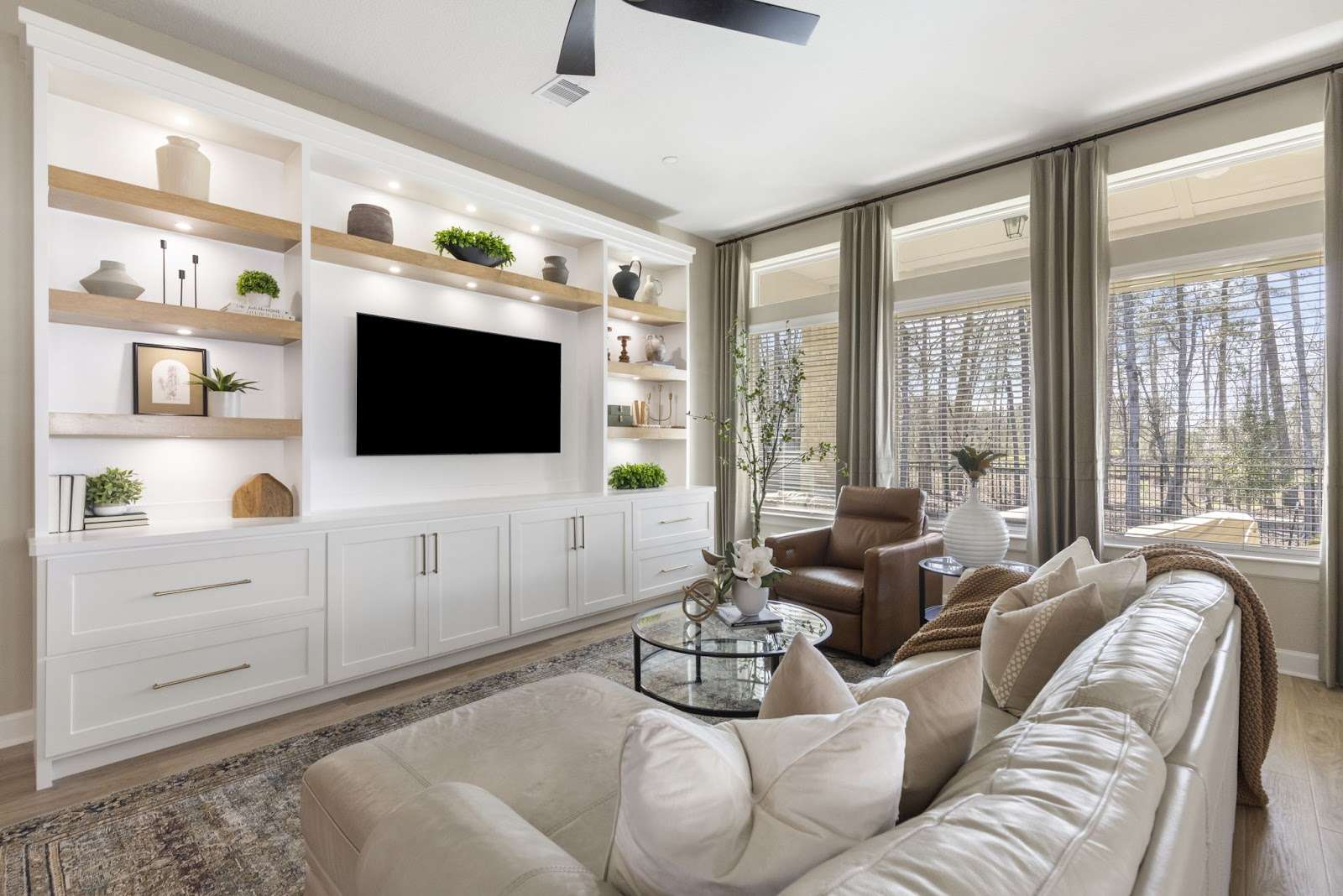
Let’s get real, hun—if your home isn’t comfy, welcoming, and stress-busting, then what are we even doing here? Thoughtful design is where beauty meets purpose, wrapping you in warmth, while making everyday living easier.
You might not realize it, but over 285 million people worldwide live with some form of visual impairment. That means creating barrier-free, accessible spaces isn’t just kind—it’s essential for safety, independence, and peace of mind for everyone in your household.
When you blend universal design and sensory-friendly touches—like soft lighting, gentle textures, and calm colors—you’re not just ticking boxes.
You’re building a home that cares for everybody, no exceptions—and our Amara Court Project is a perfect example of that.
And when the layout flows without the clutter or chaos? Honey, that’s the kind of space that breathes calm right into your bones.
Universal Design Without the Hospital Vibes
Universal design is about homes that work for every body—whether you are eight, eighty, or somewhere in between. It’s the kind of smart, thoughtful design that doesn’t shout “medical.” Instead, it whispers ease and elegance.
Here’s how you bring that magic home:
- Swanky lever handles that slide open with one hand, no twisting required—perfect when you’re juggling groceries or dealing with tired, achy hands.
- Multi-height countertops so you can prep dinner sitting down or standing tall—comfort on your terms.
- Wider doorways and smooth, step-free passages that let everyone roll, stroll, or strut through with ease.
- Slip-resistant floors that will keep those fancy socks (and bones) intact.
Universal design is not just practical—done right, it’s downright chic, making daily life effortless and stylish. Now, that’s livable luxury.
Sensory-Friendly, Soothing Spaces
Your home should feel like a sanctuary, but too often, it’s a circus of bright lights, crashing noises, and wild patterns—enough to make anyone crave a nap in the linen closet. And hun, I’d say it’s time to take all that overstimulation and toss it out with last decade’s shag rug.
Sensory-friendly design is your golden ticket to peace, comfort, and true relaxation.
Imagine wrapping your rooms in softness:
- Muted colors like gentle blues and greens that ease your mind and soothe your soul.
- Dimmable lighting so you control the mood—bright enough to see, soft enough to relax.
- Soft-close drawers and quiet appliances that keep midnight snack runs peaceful.
- Textured fabrics, like velvet and chenille, that invite you to touch and rest easy.
- Clutter-free zones with baskets and bins hiding the chaos, clearing space for calm.
- Plants, nature-inspired art, and garden views can bring calm and fresh energy; a little nature goes a long way.
Spaces designed with these touches can boost both your physical comfort and mental well-being—if that’s not a win-win, I don’t know what is.
Budgeting for Change Without the Overwhelm
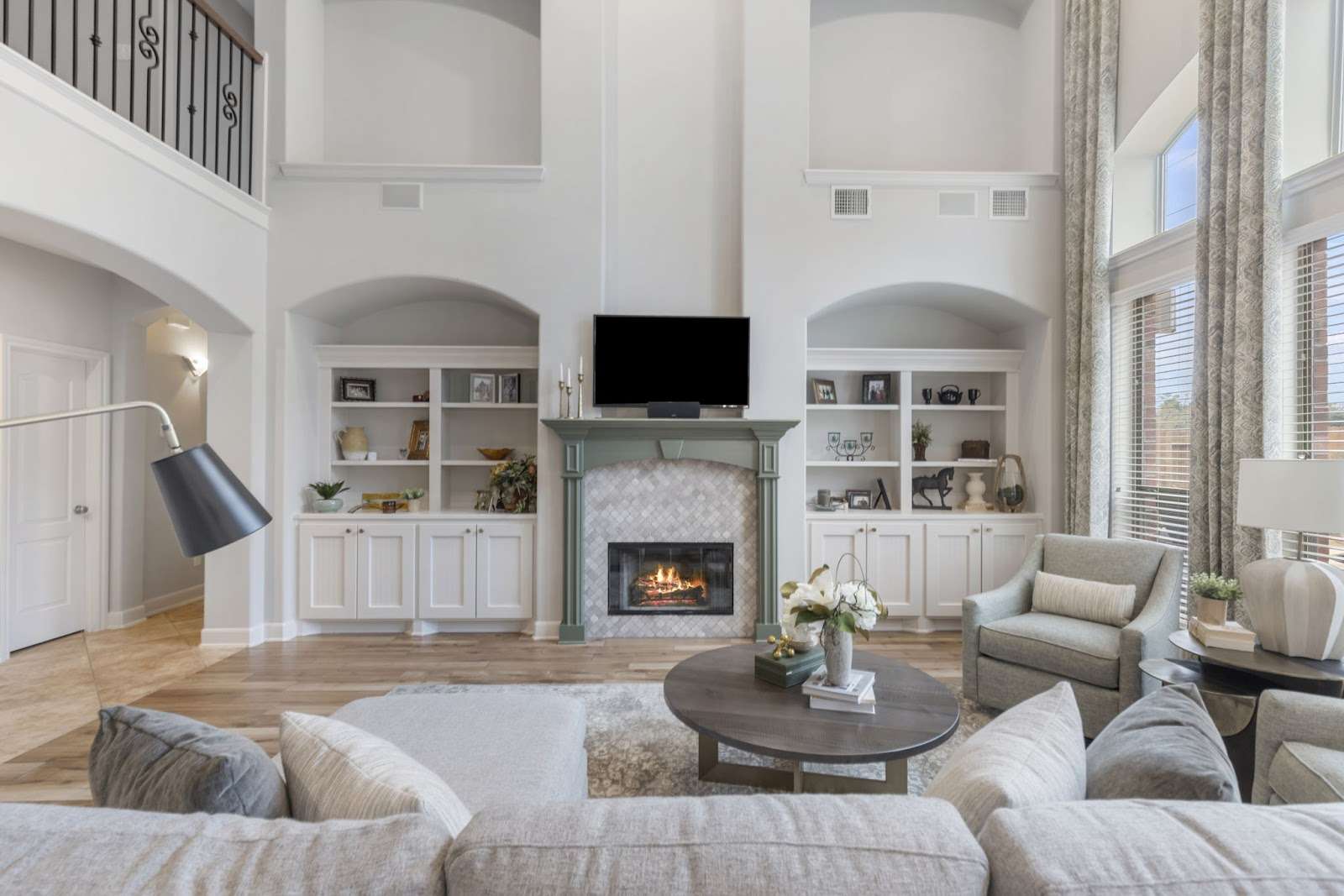
Let’s be real—between skyrocketing renovation costs and those sneaky supply chain hiccups, you’ve got to stretch every dollar like it’s Sunday dinner leftovers.
With high-end renovations nearly doubling to around $150,000 in recent years, setting your budget based on current market trends keeps you from getting blindsided.
This is all about working smarter: making the most of your home equity, tackling projects in the right order, and using cost-savvy tricks so you get the biggest transformation without the biggest bill.
Pick the Right First Moves
Nobody wants to splurge on a marble backsplash only to find the roof leaking right above it. The order you tackle projects can make or break your budget (and your sanity).
- First, fix what’s failing—be it the roof, plumbing, or foundation. No glamour, but all gain.
- Next, upgrade where potential buyers and guests will notice; we’re talkin’ kitchens, bathrooms, and entryways.
- Match your neighborhood’s vibe. Over-renovating can mean overspending without the payback.
- Keep a “surprise fund” in your budget—because there’s always something unexpected waiting around the corner.
Smart project prioritization is your ticket to a transformation that won’t empty your piggy bank or leave you with regrets.
Stretch Every Dollar (Without Starving Your Style)
Rising costs don’t have to mean giving up your dream home. You just need a few smart money moves.
- Start with a realistic budget range—$3K can refresh, $190K can transform.
- Get at least three contractor quotes before signing anything; don’t get tricked into overpaying.
- Do small-scale DIY to cut labor costs—paint, install hardware, even lay flooring.
Those jaw-dropping estimates might look scary, but with a dash of strategy and a sprinkle of sass, you can still transform your space without blowing your budget sky-high. Since labor constitutes up to 60% of total renovation cost, even small DIY efforts can make a surprisingly big impact on your bottom line.
Don’t Overlook the Emotional Journey of Redesign
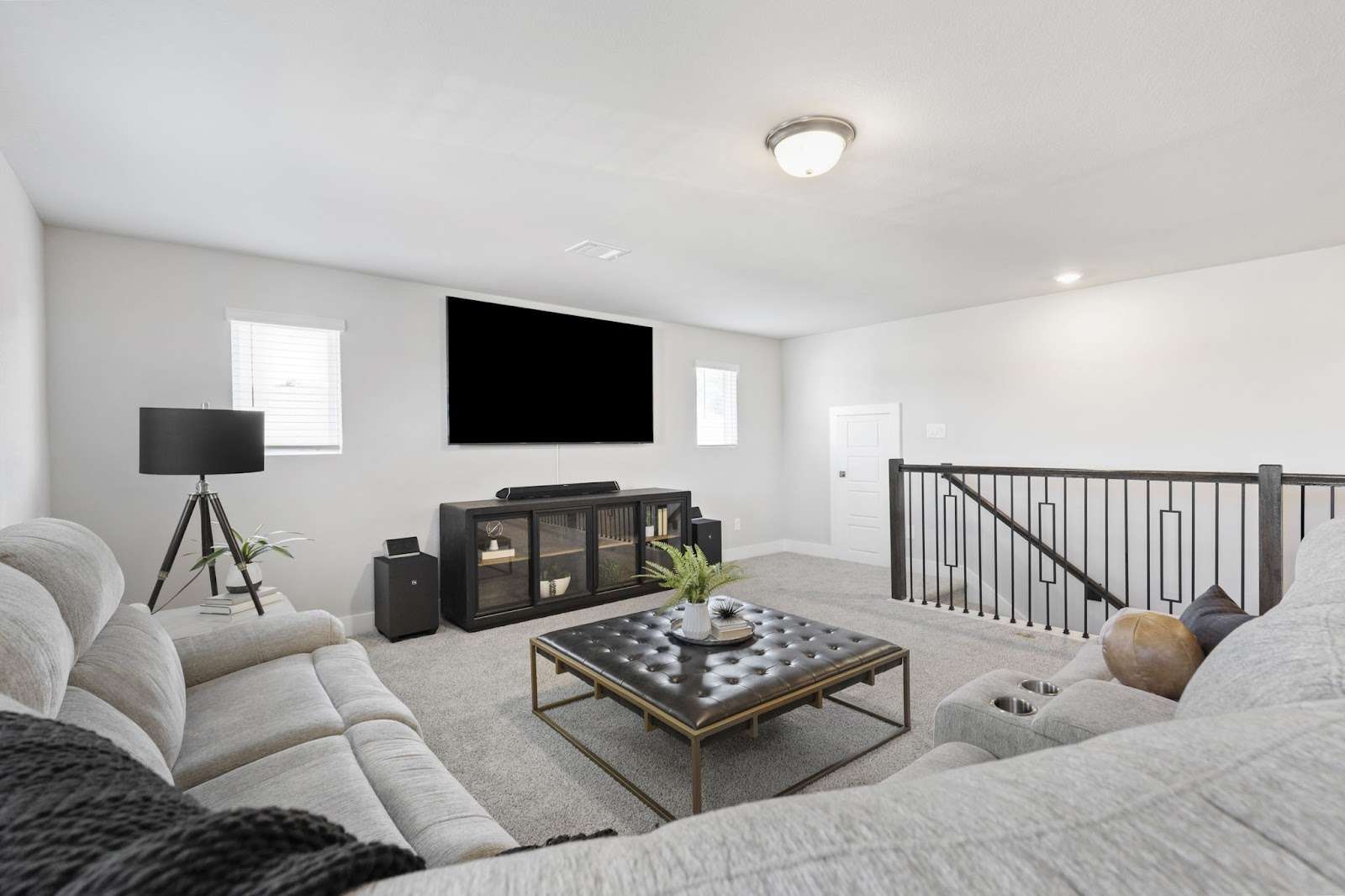
Let go of spaces built for people—or versions of yourself—that no longer live here. Honor what was, sure, but make room for what’s next.
Redesigning isn’t just about paint swatches and floor plans—it’s about letting go, too.
Perhaps that formal dining room still feels like your grandmother’s Sunday table, or the guest room carries the echo of a child who’s grown and flown. It’s okay to hold onto the memories while reshaping your space for who you are today.
The best place to start? A little emotional decluttering.
Keep the keepsakes that still put a smile on your face, and find fresh ways to use them—a quilt as wall art, a sideboard turned into a coffee station. Repurposing sentimental pieces means your history still travels with you into this new chapter.
And yes, the process will pull you in all directions. One minute you’re daydreaming about a perfect reading nook, and the next you’re staring down fifty shades of “greige” and wondering if you’ll need a financial plan for cabinet pulls.
Decision fatigue, budget panic, random advice from every direction—oh, it’s real. Breathe.
Work with a team that respects your vision, gives you honest updates, and helps you make all the big calls without the overwhelm.
Because here’s the truth:
The dust will settle, and when it does, you’ll have a home that feels lighter, truer, and ready for what’s next.
Feeling overwhelmed by the emotional twists of redesign? Let Design on a Dime guide you with care and clarity. Our team listens, supports, and brings your vision to life without the stress. Let’s start your home’s healing journey.
Frequently Asked Questions
What are some budget-friendly ways to personalize a redesigned space?
Consider repurposing existing furniture, adding new paint, and incorporating meaningful decor—these are all simple, affordable options that can still make a big difference.
What’s the best way to handle design decisions when multiple generations share a home?
If you’re designing with multiple generations in mind, create flexible zones that respect different needs and privacy levels, and choose adaptable furniture that can serve various activities. You can also involve family members in the process and ask them about their needs and preferences.
How long does a typical home transformation take after a major life event?
How long your home transformation might take varies widely depending on the scope. That said, planning for several months can help you manage expectations and reduce stress.
Are there design elements that specifically support aging in place after life changes?
Yes—features like lever handles, non-slip floors, adjustable lighting, and easy-to-reach storage help keep your home safe and comfortable long-term.
How do I ensure my redesigned home stays flexible for future changes?
You should opt for modular furniture, open layouts, and neutral palettes; these can easily evolve with your lifestyle shifts and might even help you avoid another redesign in the future.
Your “Second Act” Deserves a Space to Match
Every change in life is a door opening—and the rooms beyond it should welcome you fully.
Whether you’re stepping into a quieter season, chasing a new dream, or simply craving a space that feels more “you,” the right design can make the transition smoother and far more joyful.
Design on a Dime Interiors specializes in translating life changes into spaces that feel like home again. If you’re ready to see what your next chapter could look like, reach out to our team—and let’s create a place that reflects your growth and fuels your bold, exciting second act.
Your next adventure deserves a space that truly fits you.