
Acoustic Comfort at Home: Design-Forward Ways to Create a Quieter Space
Darlin’, acoustic comfort at home begins with noticing how different rooms truly feel when life gets a little loud. Maybe it is the echo in that open living room or the street noise that sneaks in when you are trying to unwind.
Whatever the fuss, there is always a stylish way to bring the volume down without losing the personality of your home. Think of this guide as your gentle nudge to look closer, listen carefully, and pick up a couple of clever design habits that make your space feel peaceful and cozy, without the hush-hush décor vibe.
Settle in, my dear. You’re about to discover how beautiful quiet can be.
Understanding How Sound Moves Through a Home
Before we start layering rugs or choosing drapery, hun, it helps to understand what sound is actually doing inside your house.
Noise is just energy moving through the air, through surfaces, and sometimes right under your feet. When that energy hits hard materials, like tile, glass, or drywall, though, it bounces around and creates that echo or sharpness we hear as noise.
When it slips through gaps around your doors and windows, it may show up as street chatter or appliance hums that never quite disappear. And when it settles into the corner of a room? It can build into something that feels louder than it actually is.
Now, you might notice that most designers talk about three big tools for creating a quieter home:
- Absorption is what soft materials do best. Think rugs, textiles, and upholstery. They take in some of that sound energy and soften the way a room feels.
- Diffusion is all about scattering sound, so it does not bounce straight back at you. A room filled with different textures, shapes, and depths naturally breaks up echoes.
- Blocking is the practical side. It keeps outside noises out and inside noises contained by tightening up gaps, adding density where it matters, and focusing on how sound travels through openings.
This is where interior design has real power.
You don’t need studio-grade soundproofing to create a calm home. Everyday choices like where you place furniture, how much fabric you include in a space, or how you layer window treatments all work together in ways most people never notice until they feel the difference.
The right mix of materials changes not only what you hear but how the whole room settles around you. It’s one of the quiet joys of thoughtful design, and once you know the basics, every choice becomes a chance to bring a little more peace into the space.
Soft Surfaces That Bring Quiet Into a Room
Let me tell you, soft surfaces are the first place most folks feel the difference between a room that’s lively and a room that’s lovely.
Each one adds a little more calm as you layer them in. They will soften the sharp edges of sound, take the sting out of footsteps, and help your home settle into a quieter rhythm, all without asking you to overhaul a thing.
Layered Rugs and Plush Underlays
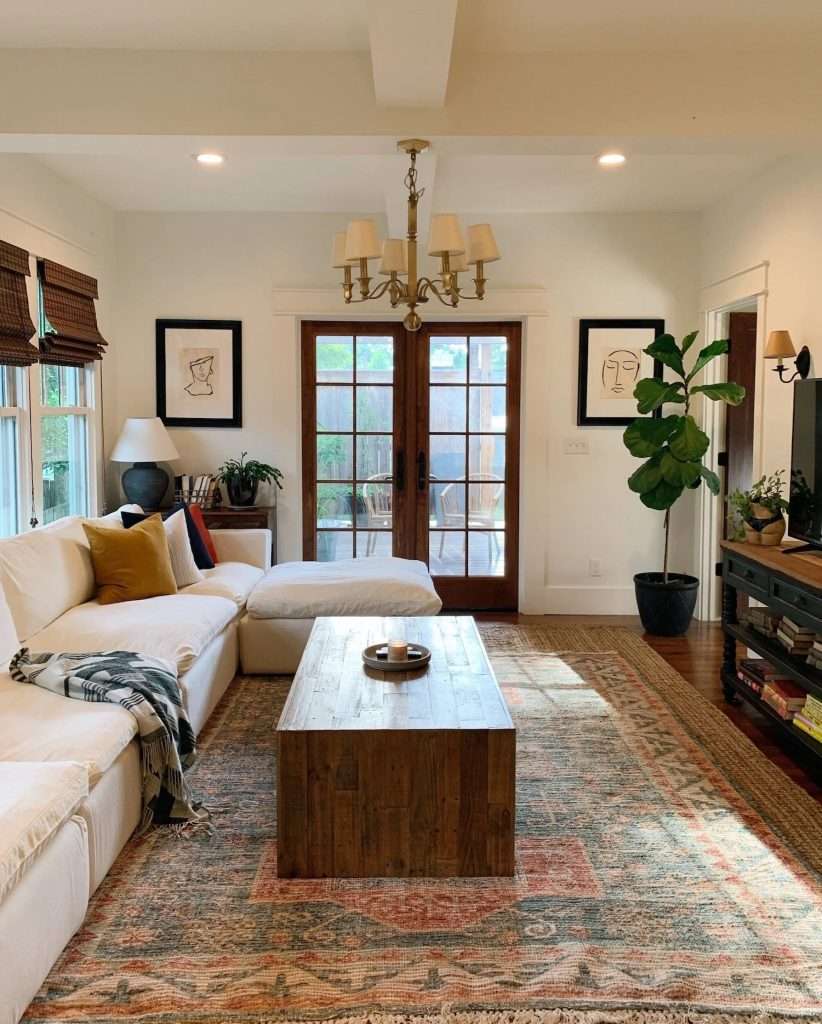
Hard floors may look stunning, but they act like little stages for every footstep. A single rug helps, but the real hush happens when you build layers.
A thick rug pad or dense underlayment underneath your rug absorbs impact noise and keeps sound from bouncing across the room. But when you add a second rug or mix textures? You give those sound waves more places to land.
Think wool laid over jute or a soft, high-pile stacked on a flatweave. Those subtle differences in height and density break up the echo and cushion everyday movements. Place your layers where you hear the most activity, such as long hallways, your workspace, the seating area, and stair treads.
You get quieter walkways, a softer soundscape, and floors that feel just a little more inviting every time you pass through.
Upholstered Furniture

Upholstery is one of those quiet heroes in your home. Fabric sofas, cushioned chairs, ottomans, and even generously filled throw pillows take the edge off a room by absorbing mid and high frequencies.
And the best part?
The more fabric you introduce, the more softness you bring to the acoustics.
Curved silhouettes, tufting, and deep cushions can all help break up reflections even further.
If you’re working with an open plan or a space with lots of hard surfaces, I’d suggest anchoring your layout with one or two larger upholstered pieces. They settle the room, warm up the atmosphere, and give sound less space to travel.
Velvet, wool blends, heavy cotton, and textured boucles tend to perform especially well.
Drapery and Window Treatments

Windows are some of the biggest culprits for outside noise, but they are also one of the easiest places to make a meaningful change.
You see, heavy drapery helps soften echoes inside the room, while the right treatments add density that blocks street noise before it ever reaches your space.
Again, layering is key.
Go with acoustic cellular shades, which trap air and weaken sound waves, and pair them with full drapery panels that run floor to ceiling. On that note, check out our Painters Ridge Project for some inspiration.
You’ll need fabrics with a bit of weight and panels that fully cover your windows. I’m talkin’ blackout linings, interlinings, and tightly fitted hardware; all these things help seal the gaps where noise loves to slip in.
With the right combination, you can cut down on chatter from outside, reduce harsh reflections inside, and enjoy a room that settles into a more peaceful rhythm.
See, sugar, soft surfaces do more than look pretty. They shape how your home feels the moment you step in, and with thoughtful layering, they can make a noisy room suddenly feel calm and collected.
If you ever need help building custom window treatments that look as good as they quiet a space, Design on a Dime can come up with a solution that blends comfort and practicality with beauty.
Wall Treatments and Decorative Absorbers
Walls are some of the hardest-working surfaces in any room, honey, and they’re often the quickest way to shape how a space sounds without changing how it functions.
Once you start viewing them as tools, not just backdrops, you open the door to treatments that blend right into your décor while quietly absorbing, softening, or scattering the noise that tends to build up.
And don’t worry, you’ve got options; from subtle upholstered panels to sculptural pieces that double as art.
Upholstered Panels and Acoustic Art
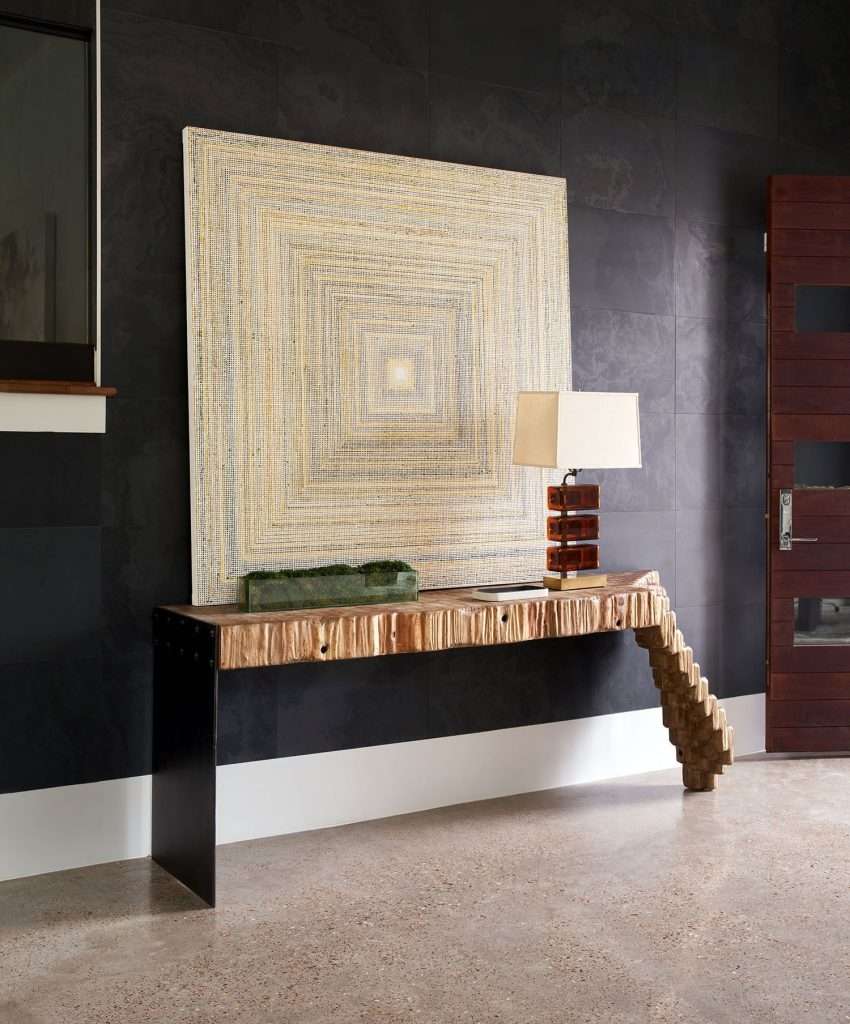
Source: Laura U Design Collective
Some folks may not realize this, but walls can do more than hold pretty things.
I’m talkin’ upholstered panels, framed textile art, and acoustic artwork; they can add softness that absorbs the bounce and settles the room.
Most panels feature a sound-transparent fabric stretched over a mineral wool or fiberglass core. At 1 to 4 inches thick, they can handle everything from chatter to mid-range echoes and may reach an NRC of 0.90 or higher.
That means they capture a large share of the sound that would normally ricochet around the room.
Of course, placement matters.
You want to hang the panels at ear height, around 4 to 5 feet from the floor, focusing on the first reflection points along the side walls. For this to work, you’ll need to cover 15% to 30% of the wall; that seems to be the sweet spot for a noticeable improvement without overwhelming the design.
Frameless or floating styles look especially clean, and you can always tailor the artwork to the mood of the room. Think geometric shapes, soft landscapes, and textured textiles that feel handcrafted. Renter-friendly mounting is another plus. These panels can be kind to your walls, too.
Insulated Backer Panels and Corner Treatments
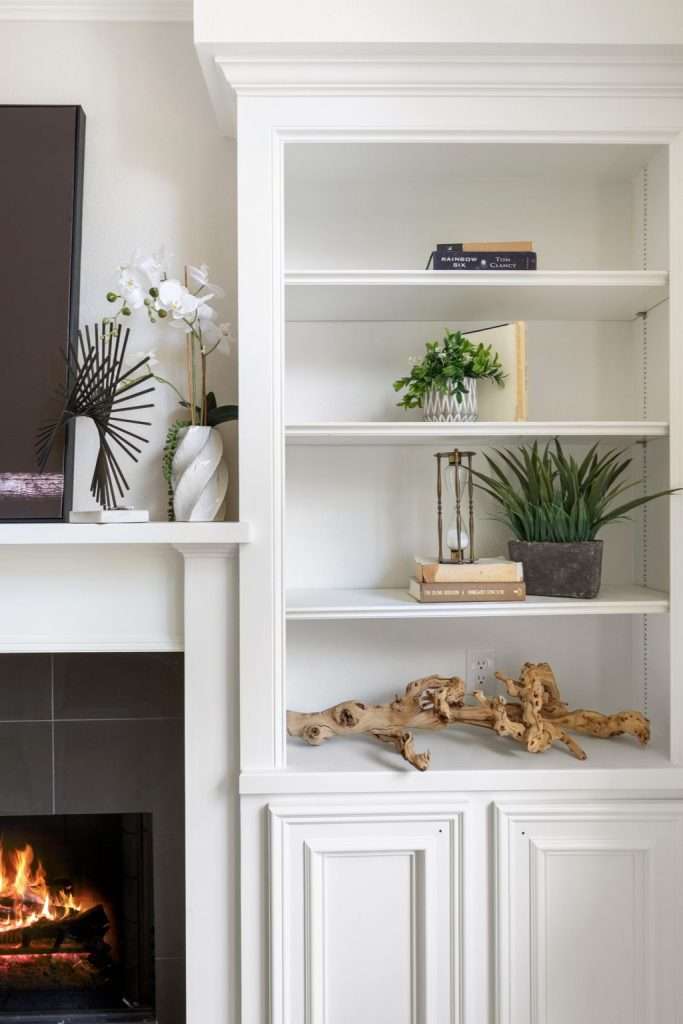
Some rooms may need a bit more help, darling, especially when sound gathers in corners or behind large built-ins. That’s where insulated backer panels come in.
They create a hushed layer behind bookcases, media units, and architectural niches.
The secret?
Porous materials that let sound enter and disperse inside the panel. Fiberglass works well when you need deeper absorption, while natural materials, like spruce and larch bark, excel at taming the somewhat busy speech range.
Now, if you’re dealing with stubborn echoes or boomy spots, thicker panels or corner treatments can help smooth out those pockets of energy. You can DIY it, hun, but make sure the panels are properly sealed at the edges. Gaps are just gonna let sound slip right around the panel.
One fix, double the payoff:
These hidden layers leave your shelves looking gorgeous and your room sounding blissfully calm.
That’s how you bring beauty and quiet together. If you ever need support choosing textiles, custom panels, or decorative solutions that elevate your design while improving the acoustics, Design on a Dime can help you build a space that both looks and sounds its best.
Strategic Furniture and Layout That Create Quiet Zones
Creating a quieter home isn’t always about adding panels and padding to every single corner. Sometimes, the magic happens with the pieces you already live with.
You might not even realize it, but furniture, shelving, and layout choices can guide sound just as gracefully as they guide movement. Think a well-placed bookcase, a partition, or even a shifted sofa; these can slow down noise, break up echo, and give each zone its own sense of calm.
Trust me, thoughtful placement turns everyday pieces into quiet-making partners.
Bookcases and Built-Ins That Double as Sound Baffles
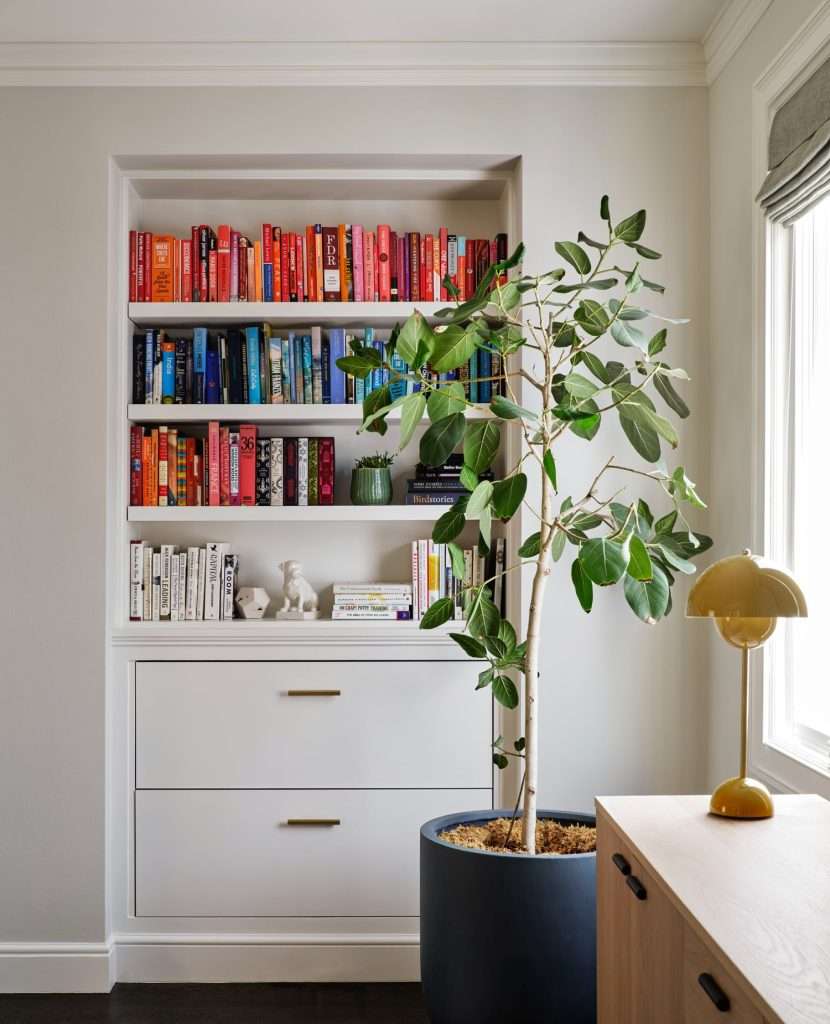
Source: Regan Baker Design
Let me tell you something, sugar:
A good bookcase is more than a place to tuck your favorite stories.
When it’s filled with books in all their mismatched heights and textures, it turns into a hardworking acoustic helper. Paper absorbs sound, varied spines break up reflections, and staggered objects scatter waves.
The result?
Your room feels calmer instead of echoey.
On that note, line tall bookcases along noisy walls to soften traffic and neighbor chatter. Go floor-to-ceiling whenever possible; trust me on this. That added surface area gives you more absorption right where you need it.
My advice? Go for sturdy, deep shelves that can resist vibration and mute rumble, and pack those shelves full. A mix of art books and paperbacks with a few textured pieces means broad-frequency absorption and even more diffusion.
Oh, and if you’re gonna mix beauty with performance, an insulated backer panel behind your shelving can hush even more chatter and make the whole unit work smarter.
Soft Partitions, Room Dividers and Open-Plan Layout Strategies
Open floor plans might feel bright and breezy, but sound can whip through them like it owns the place. Soft partitions can help you take back control, though.
Felt, wool, and textile room dividers can absorb mid and high frequencies, creating little acoustic pockets without blocking the view. Place them along the direct sound path; the overall noise level will drop, but you get to keep that airy look you love.
If you have a TV zone, dining area, and a workspace, all sharing the same footprint, my advice is to break up the pathways a bit. For example, you can use a tall screen, angle the sofa, or swivel a pair of chairs to slow down the echo before it spreads.
When everything works together, you create calm without sacrificing openness.
Furniture Placement That Breaks Up Sound Paths

Your layout has more influence on sound than most people realize, honey. Long, straight, empty corridors let it sprint from one end of the room to the other.
If that’s what you’re dealing with, try shifting a console table a few inches, angling a chair, or floating a sofa instead of pushing everything flat against the walls. Why?
Non-parallel surfaces help eliminate slap echo, especially in rooms with high ceilings or hard floors.
Cluster seating to keep conversations contained, use area rugs to break up reflective flooring, add plants, baskets, and textured pieces to soften corners where sound tends to collect. All these little choices guide noise away from your ears and toward materials that can handle it.
When the furniture is placed with intention, the space feels gentler and more welcoming, even during one of those busy days.
If you ever need a second pair of eyes to shape a quiet, cozy layout that still looks polished, Design on a Dime can help you blend beauty with comfort in a way that suits your home and your rhythm.
Frequently Asked Questions
Are there quick fixes for echo in rooms with high ceilings?
Yes, there are. You can add height-friendly treatments, such as tall bookcases, pendant lighting with fabric shades, or large canvases with soft backings. These can help interrupt vertical reflections that lead to that cavernous feel.
Do plants actually help with acoustics?
Yes, plants could actually help with acoustics. Large planters and bushy foliage break up sound paths and diffuse reflections. They will not replace true acoustic treatments, but they do soften the space and reduce sharpness.
What is the best way to handle noise from shared apartment walls?
When it comes to shared walls, focus on layered softness. Place upholstered furniture or a bookcase on the shared wall, add removable acoustic panels, and use heavy drapery or wall hangings to create extra mass without making any permanent changes.
Can sound masking be helpful in a home setting?
Yes, sound masking absolutely can help. Soft ambient sound, like gentle broadband noise, covers sudden spikes from neighbors, kids, or street activity. It can be especially effective in open layouts or home offices where total silence is unrealistic.
How do I choose between absorption and diffusion for a specific wall?
If the space feels sharp or echoey, absorption usually comes first. If the space sounds too flat or dull after adding soft materials, diffusion can bring the balance back by scattering sound more naturally.
A Quieter Home Starts With Thoughtful Design
Your house deserves to sound as good as it looks, darling, and that harmony rarely happens by accident. Once you begin tuning into the way your rooms carry conversation, soften footsteps, or hold a moment of calm, you start seeing design in a whole new light.
Every choice becomes an opportunity to create ease, comfort, and that sweet hush that makes the room feel lived in, not loud.
If you ever want a second pair of eyes on how to shape that balance, Design on a Dime can help you mix acoustics with beauty in a way that fits your everyday life. And if you’re thinking about taking the next step, you’re always welcome to reach out and book a consultation whenever the time feels right.