
From Cluttered to Curated: The Designer’s Way to Edit Your Space
It’s time to go from cluttered to curated. And that’s more than a cute phrase, sugar. It’s a whole new way of seeing your home.
When you pause long enough to really look at a space, you start noticing what supports your life and what just sits there soaking up air.
A curated space is not about perfection or matching sets, though. It’s about clearing a little breathing room so your personality, your habits, and your joy have space to stretch. Think of it as a gentle reset that helps you see your home with clearer eyes and kinder intentions.
Stick with me, and you’ll feel that shift from overwhelmed to in control, one thoughtful choice at a time.
Seeing the Hidden Potential in Your Space
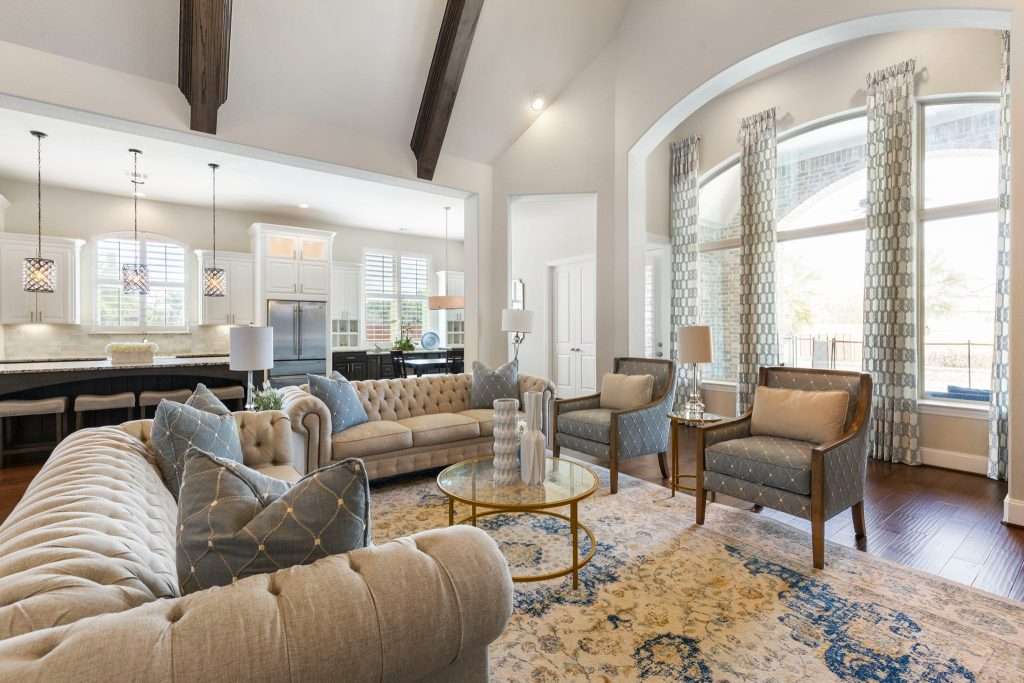
Every room has a story it’s been trying to tell you, even if right now all you see is the laundry basket giving you the side-eye. Beneath all the clutter and the everyday shuffle, there’s space waiting to work harder for you.
Most of us just don’t slow down long enough to really look.
That hidden potential usually shows up in three places.
First is the function. Maybe the room has a corner that could serve as a reading nook or a landing spot for keys and mail, so it stops collecting clutter on the kitchen counters.
Second is the light. Natural or not, the way light moves through a room can lift everything, and a small shift in furniture often reveals brightness you didn’t know you had.
Third is the bones of the space. Think wall recesses, the area under a window, or the stretch of blank wall; they can become storage, display, or a moment of visual calm.
Designers read rooms the way some folks read people. We look at what your space is doing well, what it’s struggling with, and what little adjustments can unlock a completely different feel. When you begin noticing these possibilities, that space stops being something you have to manage and starts becoming something that supports the way you actually live.
If you can see the potential, even before you pick up a single item, you’re already halfway to curated.
So, hun, let the room show you what it wants to be. The beauty is already there. It just needs a little space to shine.
Learning to Read Your Room Like a Designer
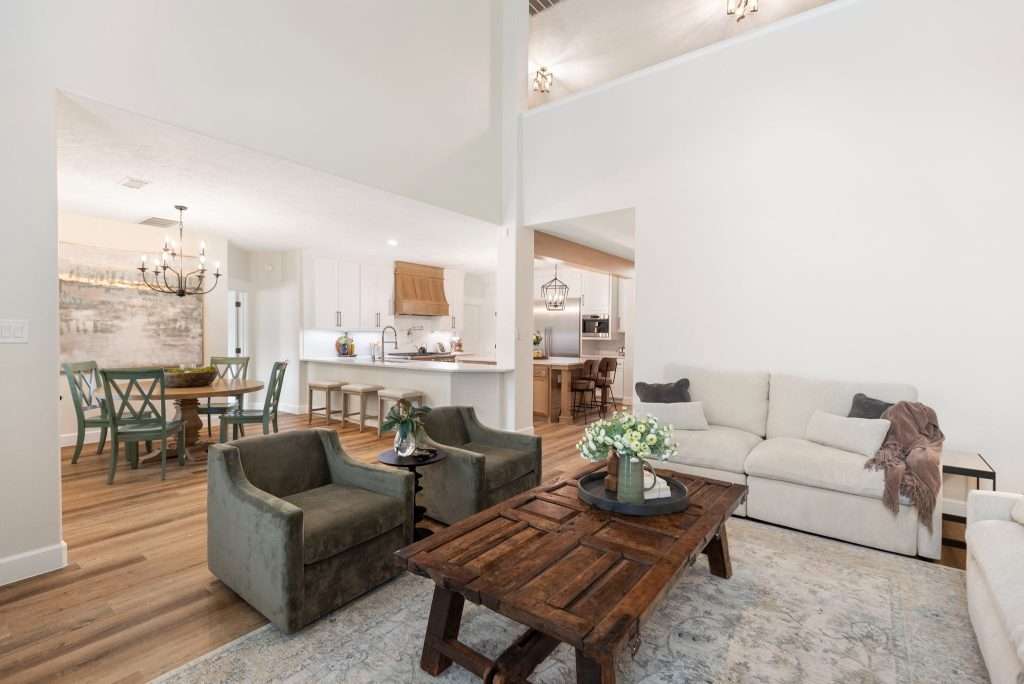
Designers see rooms the way chefs taste food. We’re looking at layers, habits, and little clues about how a space actually works.
And when you look at your space the same way, you stop focusing on whether the pillows match and start noticing how you move, drop things, settle in, and reset at the end of the day.
That rhythm tells the real story.
Now, reading a room objectively starts with watching how life happens inside it.
Where do bags usually land when you walk in? Where does the mail pile up? Which chair always ends up being the laundry chair?
Once you see these patterns, the room’s needs become much clearer. Maybe you need a better landing zone, a cozier corner, or storage that helps things flow instead of fight you.
Designers also pay attention to what the room is doing on its own. The way light shifts, how traffic moves through the space, or where the eye naturally rests. These cues tell you what the room wants to highlight and what it’s trying to hide.
When you tune in, you start shaping the space to support your life instead of wrestling with it.
And of course, there’s the emotional side of things. It’s easy to hold onto pieces out of habit or guilt, but a designer steps back and treats every item like a simple question:
Does it earn its place? Does it help you live the way you want to live?
When you answer honestly, the room clears up, and your style shines through.
Looking with designer eyes is not about chasing perfection, sugar. It’s about staying curious, noticing what the room is telling you, and making choices that support the life happening inside it.
Do this, and objectivity comes naturally. But if you’re not sure how to start, Design on a Dime can help you shape a space that reflects who you are while keeping the process calm, clear, and enjoyable.
Defining What Matters in Your Space
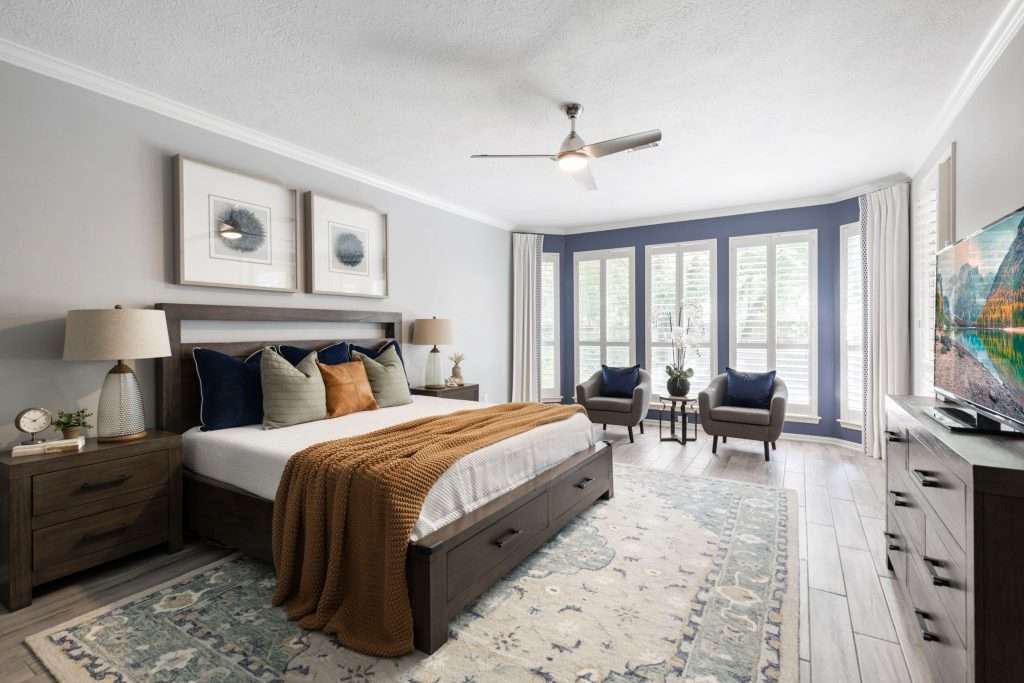
Before you start shopping for anything new, I’d like you to slow down and name what really matters in your space. Designers look at three things every single time:
Style, function, and the way you want to feel when you walk in.
Good design comes from paying attention to the life happening inside the room. And when those three line up, everything else becomes easier.
Think of style as the room’s personality. It shows up in the colors that comfort you, the textures that feel inviting, and the shapes that make that space feel grounded or playful. You don’t need a perfectly themed room, though.
You just need a sense of what feels like you, so every decision starts moving in the same direction.
Function is where things get honest.
How does the space actually work day to day? Where do people sit, drop their bags, plug in their devices, or curl up at night?
A beautiful room that doesn’t support your habits becomes a pretty frustration. When you shape the layout around how you really live, the room immediately feels calmer and more generous.
Then there’s the feeling.
You see, sugar, rooms carry mood, even when we don’t name it. Maybe you want your living room to feel relaxing after long days, or you want your bedroom to feel steady and peaceful instead of busy.
Lighting, colors, and even the amount of open space you keep all play into that emotional tone.
When you design for the life you actually live, not the idealized version of yourself, the room stops fighting you. It starts supporting you. That’s exactly what Design on a Dime can help you achieve.
Letting Go of Emotions and Choosing What Really Serves You
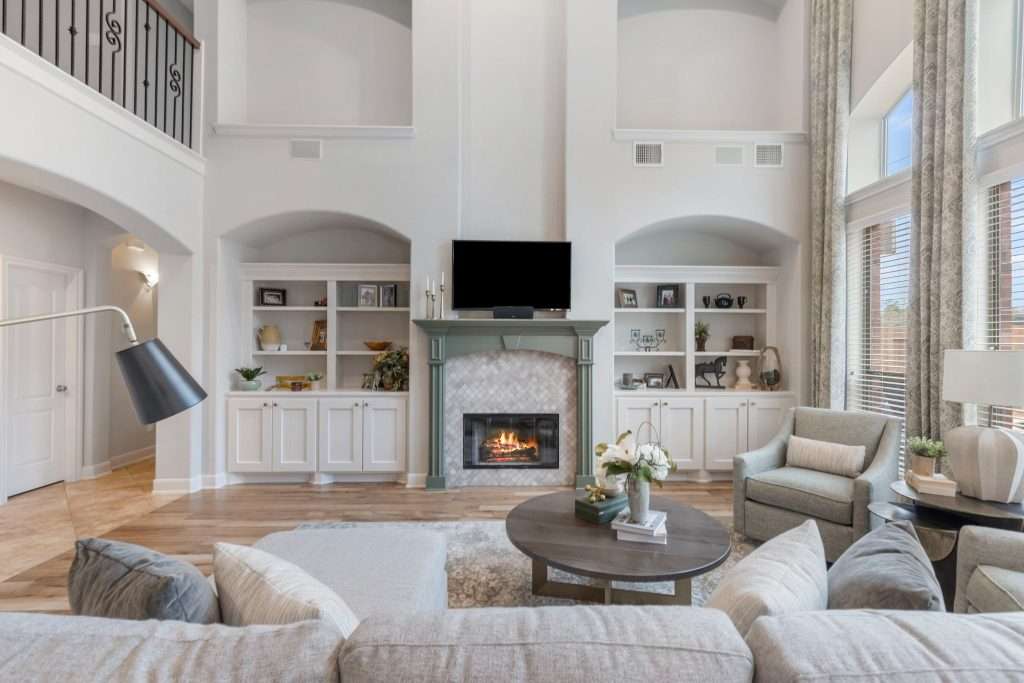
We all have those pieces that feel louder than they look. A gifted vase you never liked, the chair that came from your first apartment, or a box of things you swear you’ll sort through someday.
It’s easy to treat objects like they hold part of your story, and in a way, they do, but when everything carries the same weight, nothing gets the chance to shine.
I’m not saying you should get all cold and clinical. That’s not what distancing emotions from belongings is about, anyway.
It’s about giving yourself enough space to make decisions without guilt guiding the way.
One simple trick you can try is to shift the question. Instead of asking whether you should keep something, ask what it is actually doing for you.
Does it make your day easier? Does it bring you joy when you see it? Or is it just taking up space because saying goodbye feels uncomfortable?
Sometimes an object represents a moment, not an actual need. When you separate that memory from the item, you free yourself to keep the story without having to keep the clutter. Take a picture of the thing, write a little note about why it mattered, then let the item move on.
The memory stays with you, sugar. The object doesn’t have to.
Another way to get clarity is to put a few pieces in a temporary holding spot. Set them aside for a week or two and see if you actually reach for them. Most of the time, you won’t, and that little bit of distance shows you exactly where it belongs.
Again, this is not about stripping your home of personality. It is about making sure the things you surround yourself with are the things that support your life right now.
That is the heart of curating.
It’s not about having less. It’s about keeping what lifts you up.
What Stays, What Goes, and What Gets to Grow With You
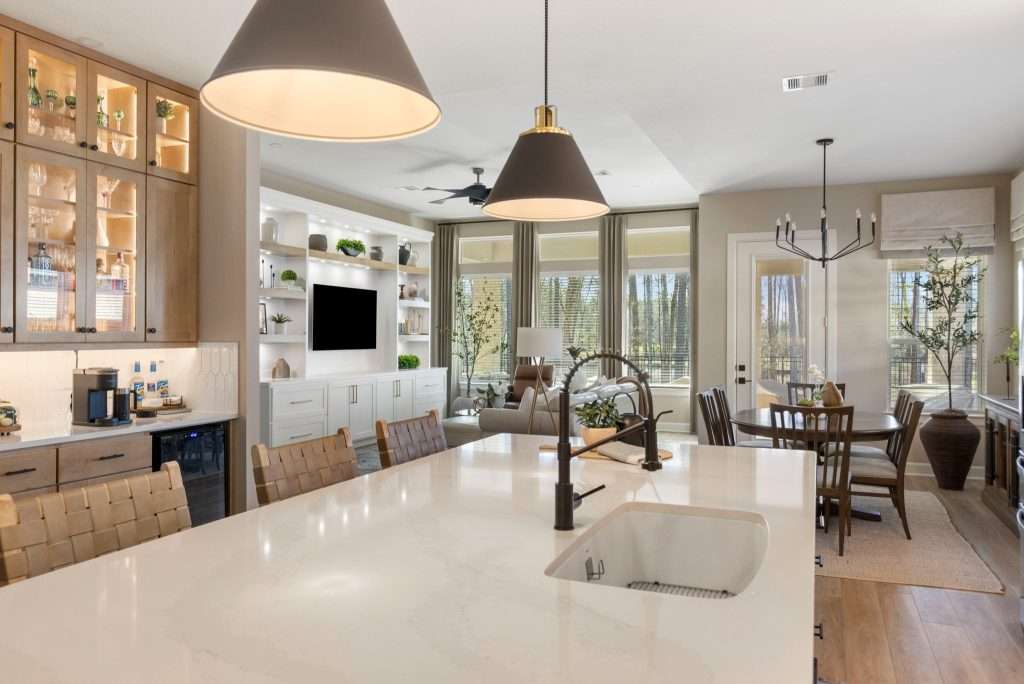
Now that you’ve cleared that emotional fog and taken a clear look at your space and how you live in it, the next step is deciding what earns the right to stay and what needs to pack its bags.
That’s where designer-style editing comes in.
It’s not about being harsh, though. It’s about being honest.
Every room only has so much visual energy to give, so the pieces you keep should earn their place.
Think of this as your personal editing system. You are not shuffling clutter around. You are choosing what earns the right to support the life you actually live.
Simple Stays-or-Goes Rules
Start with the pieces that already prove themselves. If you use it weekly, if it fits the space without bossing everything else around, and if it adds comfort or clarity to your routine, it stays.
You may not even realize it, but your home holds an astonishing number of items, which explains why you feel that low thrum of stress when there’s no clear system guiding what remains.
The goal?
Aim for fewer, better pieces that can breathe, relate to each other, and tell a story that feels like you.
What goes is anything that has stopped serving you. I’m talkin’ one-trick furniture that cannot flex with your life, decor that only looked good on the sale rack, things that break the visual rhythm of your space, and all those impulse purchases that somehow became part of the scenery.
Clutter often hides in plain sight, hun, so ask yourself:
Does it help my daily life? Does it reflect who I am now? Does it play nicely with what stays?
If it can’t pass at least two of those, it’s time for it to go.
Designing for Future Flexibility
Good design thinks ahead. That is to say, some items should be chosen with the future you in mind.
Furniture that moves easily, shelves that can adjust, materials that age gracefully, and layouts that leave a bit of room for change all help your home stay in step with you.
Think in terms of long-term anchors and short-term accents. Invest in the pieces you know you will use for years, and stay flexible with smaller layers, such as pillows, art, and decor. These are the pieces that can evolve as your style grows and your needs shift.
Solid materials, including wood, stone, and well-made textiles, hold up beautifully over time, which makes them smart anchors for a room that needs to stretch and shift as your seasons change. There’s a growing need for reconfigurable spaces, too; think modular pieces that’ll move, stack, or reshape as needed.
Think about how storage can expand without swallowing up square footage or how tech can be integrated without locking you into one setup forever.
When you edit with this kind of clarity, your home becomes lighter, easier, and more intentional. It starts to work with you instead of pulling you in ten directions. That’s when the magic happens.
Editing Without Losing Your Voice
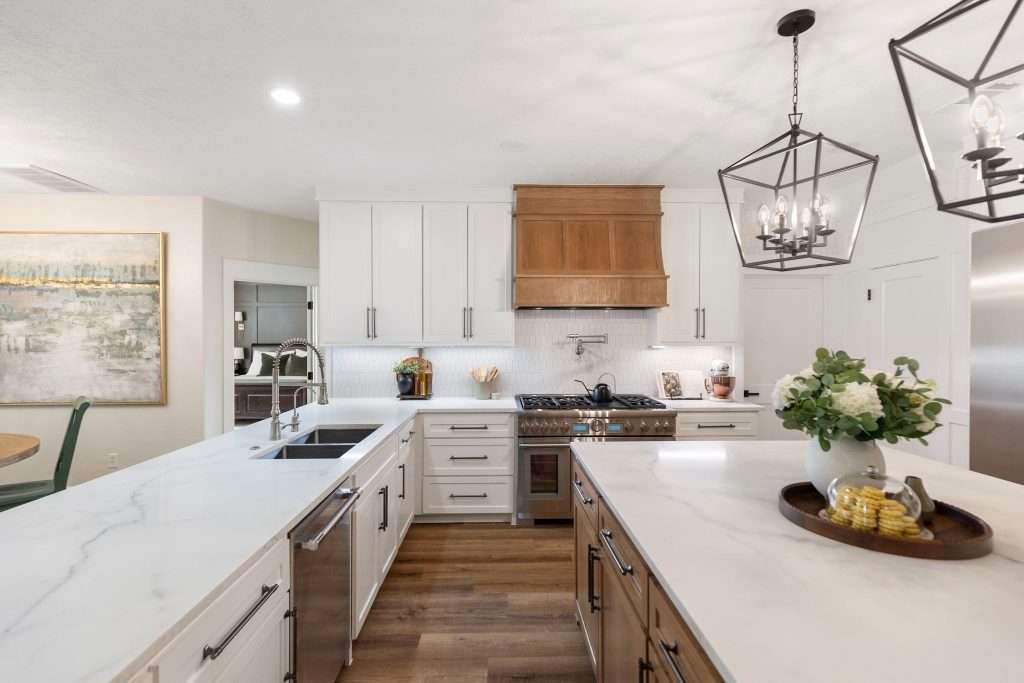
A good edit should never feel like a stranger moved in and evicted your personality. You are not creating a showroom, after all. You’re curating the parts of your story that still shine. Think of this phase as gathering your greatest hits and giving them room to breathe rather than clearing the stage completely.
Let’s start with what feels like home to you. Certain colors, textures, or patterns spark joy the moment you see them. Trust that instinct.
If a piece sparks a little lift in your chest every time you pass it, that is data you can use. If you prefer calm surfaces and fewer visual interruptions, honor that, too.
Your personality is one of the most reliable guides you have, darlin’.
Of course, function belongs in that mix as much as feeling. So, keep the pieces you actually turn to again and again. The items that support your routines are the ones that will help your home feel grounded.
After that, you get to layer in the details that bring joy or character.
The goal?
Balance.
You want a space that feels clear and intentional without losing the warmth of your lived-in history.
The space should still sound like your voice and feel like your energy. Edit with that in mind, and the result lands somewhere beautiful. It feels personal, thoughtful, and unmistakably yours.
You’ll see this in our Laura Project, where we kept the pieces that mattered and transformed the space by simply refining the cluttered layout, softening the palette, and choosing accents with purpose.
If you’re dreaming of a home that tells your story with a bit more ease and intention, Design on a Dime has plenty of ideas to help you bring that vision to life, one layer at a time.
Building a Curated Foundation With Layout, Light, and Flow
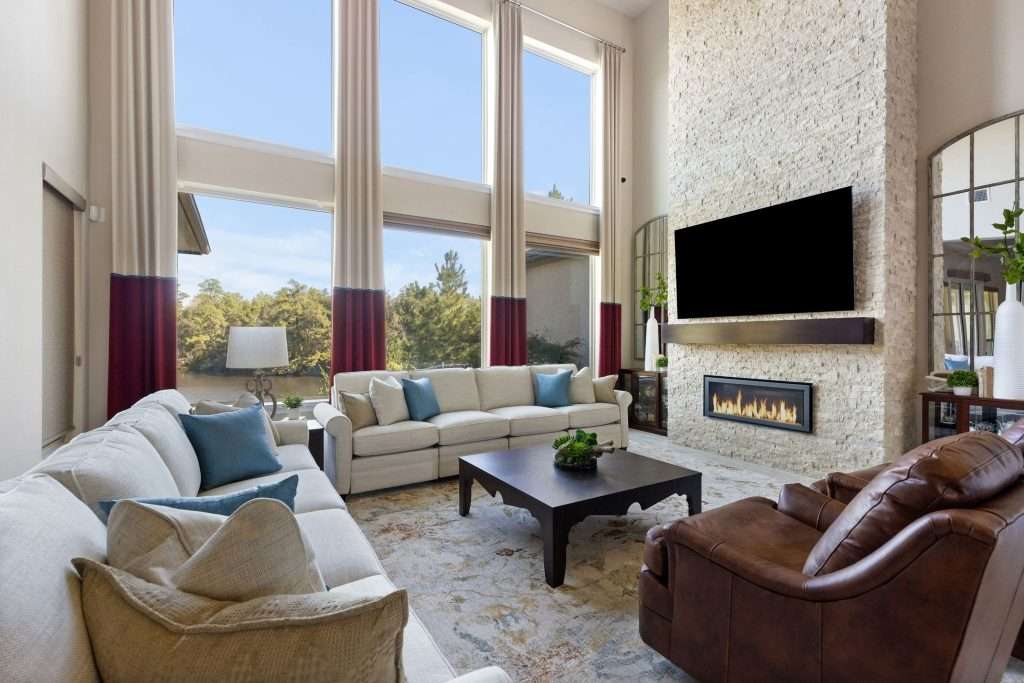
A room feels truly “pulled together” when the layout, lighting, and movement through the space all do their work quietly in the background.
These are the bones that let your favorite pieces shine.
When they are handled with care, your room feels welcoming, open, and settled in a way you can’t always name but you can absolutely feel.
When it comes to the layout, go for balance. It’s the heartbeat of a well-designed room. So, start by giving your furniture the right proportions and breathing room.
Let the largest pieces take up only part of a wall instead of swallowing it whole. That one choice is enough to help your space feel lighter without removing a thing. Once the anchors are set, place supporting pieces so they gently guide how the room is used.
You can carve out reading corners, conversation spots, and work zones simply by how you arrange what you already have.
Next, protect your pathways. You want a smooth and easy flow from one area to the next. Leaving about 3 feet between major pieces makes all the difference, keeping the room from feeling tight or cluttered. We’re going for larger and more peaceful, hun. That’s the feeling a curated space should offer.
Now, let’s bring in thoughtful lighting.
Daylight is your best friend, so pull back those heavy curtains, clean your windows, and let that lovely glow in.
Then, layer in warm fixtures that lift the mood in the evening without overwhelming the room. A blend of ambient, task, and accent lighting helps the room shift with your everyday routines, from morning coffee to evening wind-down.
In fact, I’d say good lighting is one of those quiet investments that pays you back every single day.
When layout, lighting, and flow work together, your space feels intentional and lived in, and that is the kind of foundation that lets those meaningful pieces shine without ever competing for attention.
Layering Color, Texture, and Meaning Back Into Your Space
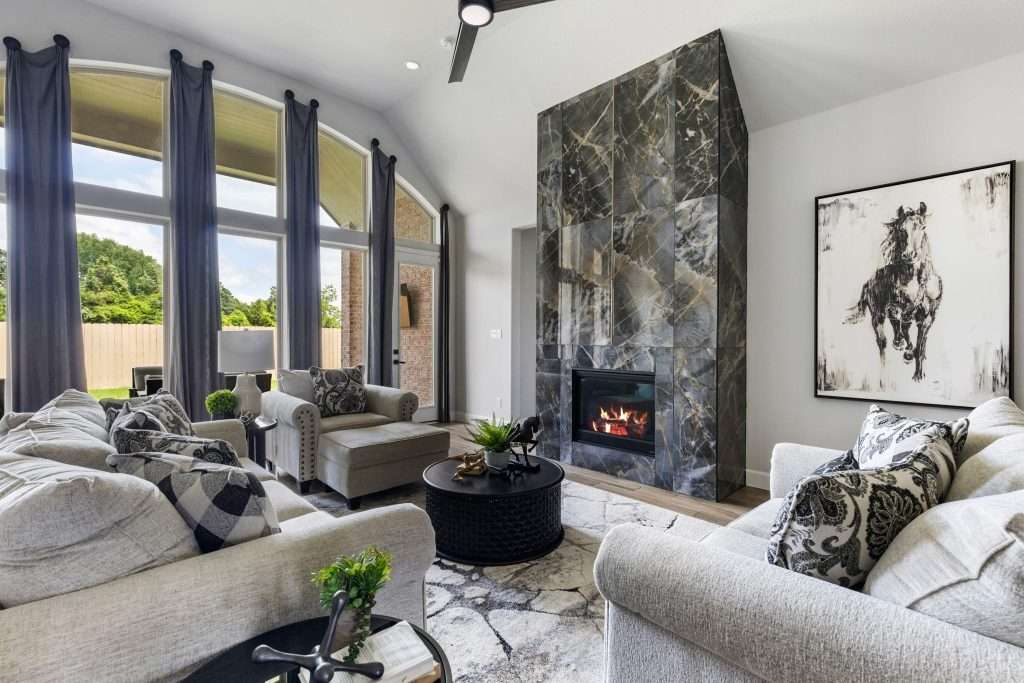
Okay, hun, this is the moment your space starts to feel like home again. Color, texture, and those personal treasures you adore bring the soul back in, but they do it with intention. That way, nothing feels crowded or chaotic.
Before you reach for decor, though, reach for materials that make you want to exhale.
Start with a high-pile wool rug that adds warmth underfoot, then you can mix in linen, velvet, and soft knits, so the space feels rich without turning fussy. Think tactile variety more than flash. Layering textures gives you that quiet, lived-in luxury most people only recognize as “it just feels good in here.”
Now, you can think about colors.
My advice?
Keep the larger, long-term pieces steady and neutral enough to shift with you over time. Then, use smaller accents to bring in personality. A couple of patterned pillows, a quilt, and artwork that makes you smile can carry more emotional weight than a room full of competing statements.
Patterns and prints are having a moment, sure, but they work best when they support your story instead of shouting over it.
Finally, bring in meaning. Choose pieces that matter to you, whether that is a framed photo, a handmade bowl from your grandmother, or a travel find that sparks lovely memories each time you walk past it.
When you curate with heart, even a small collection feels intentional rather than cluttered.
While you play with layers, remember to choose materials that last. Picking durable textiles, efficient lights, and pieces you truly plan to keep helps your home, your budget, and Mother Earth. A well-layered room is not just beautiful, sugar.
It is thoughtful, personal, and built to stay lovely for years.
Frequently Asked Questions
How do I know if I’m over-editing my space?
If your space starts feeling flat, silent, or “hotel-like,” you may have edited past the point of personality. Aim for a combination of open space and a few meaningful anchors, so the room still reflects you without going to extremes.
Can I still have a cozy home if I prefer a minimal look?
Yes, you can. Warm textures, soft lights, and a few well-placed personal items can create comfort without adding clutter. Remember that minimal doesn’t have to mean cold.
What is the best way to handle sentimental items that don’t fit my space?
The best way to handle sentimental items is to keep one or two favorites on display and store (or digitize) the rest. Rotating pieces throughout the year could also help you honor those memories without crowding your home.
How can I make sure my newly edited space stays organized long term?
You should give everything a clear home and stick to simple, fast systems for staying organized. If it takes more than 10 seconds to put something away, that’s your sign that the system is not working and it needs adjusting.
Is there a smart way to introduce trends without committing too much?
If you want to stay on trend, you can. Pillows, throws, art, and small decor can be your trend-forward items that don’t require too much of a commitment. They’re easy to swap out without disrupting the foundation of the room.
A Closing Note for Your Fresh Start
Funny coincidence you landed here today, hun, because your home’s probably side‑eyeing you right now, begging for an edit.
And the good news is, your home is about to feel a whole lot lighter!
Not because you chased trends and emptied your wallet, but because you started paying attention to what truly supports you. Editing a home is really an act of clarity that makes room for comfort, confidence, and a little everyday joy.
If you feel that spark and want a designer who can help you turn intention into a full transformation, Design on a Dime is here to help. Whenever you’re ready, get in touch and let your next chapter start with a space that finally feels like you.