
When a Kitchen Remodel Makes Sense (and When It Doesn’t)
You know when a kitchen remodel makes sense?
It’s usually when you’re standing in your kitchen, coffee in hand, wondering if this space is mildly annoying or truly working against you.
You know something is off, but you’re not sure if it’s worth the mess, the money, or the mental energy of a full renovation. One minute you’re pricing cabinets, and the next you’re thinking maybe new lighting would fix everything.
That back-and-forth is normal.
I mean, kitchens carry a lot of pressure.
They’re expensive to change, hard to undo, and everyone has an opinion.
Before you commit to anything, it helps to slow down and figure out what’s actually broken and what’s just bothering you. Stick with me, and you’ll spot exactly which move is right.
When a Kitchen Remodel Actually Makes Sense
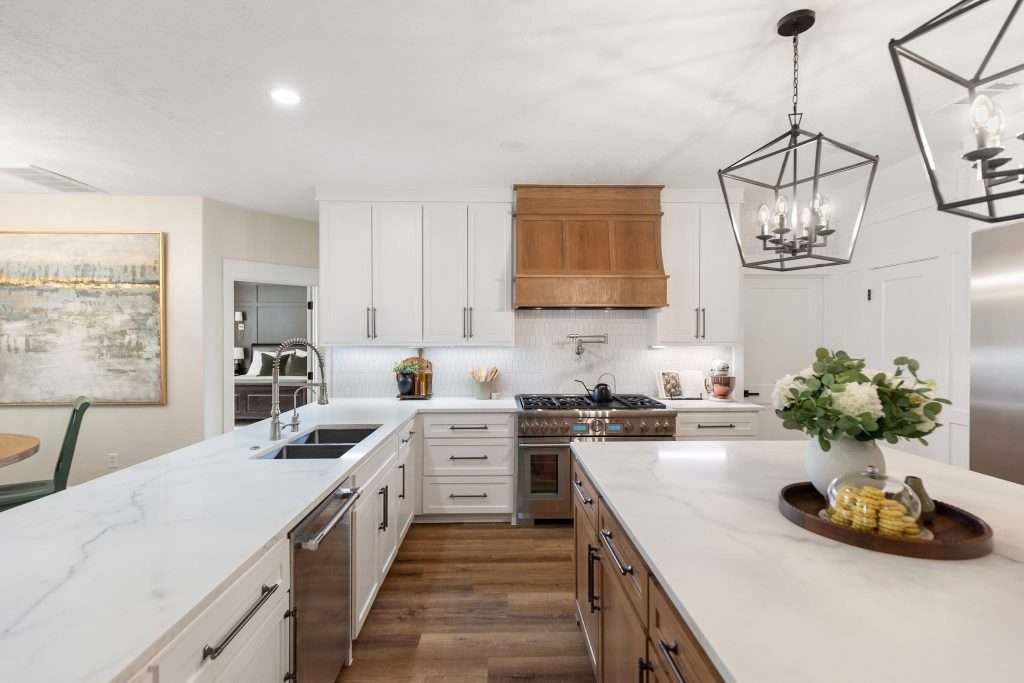
Your kitchen’s begging for attention, but here’s the real question:
Do you give it a quick glow-up or a full-on gut job?
You see, baby, a kitchen remodel isn’t about keeping up or showing off. It’s about finally admitting that the space is working harder against you than for you. When the frustration shows up daily, that is usually your first clue that patchwork fixes are no longer enough.
Here’s when a kitchen remodel actually makes sense:
- Functional problems you can’t work around
If you’re constantly shuffling appliances, stacking groceries in odd places, and doing that sideways dance to open your dishwasher, your kitchen is asking for more than cosmetic help. These are the kinds of problems that linger, no matter how cute the paint color is. When storage fails, prep space disappears, or traffic jams form during the simplest meals, a remodel makes sense. Function is the foundation. Without it, everything else feels like a temporary bandage.
- Safety, structural, or code issues
This one is non-negotiable. If your kitchen has outdated wiring, poor ventilation, failing cabinetry, or signs of moisture damage, those issues deserve attention, sugar. Safety concerns rarely announce themselves politely. They show up as flickering lights, sagging shelves, and that lingering smell you cannot quite place. A remodel allows you to address what is hidden behind the walls and under the surfaces, protecting both your home and the people in it. I’m sure you’ll agree that peace of mind is a solid return on investment.
- Layouts that fight daily use
Some kitchens were just designed for a different era and a completely different lifestyle. When your refrigerator blocks the main walkway, the sink sits miles away from your prep space, or the cooktop feels isolated from everything else, daily routines turn into chores. A remodel makes sense, ‘cause the layout itself is the problem, not only the finishes. Reworking the flow can change how a kitchen feels and functions, making it easier to cook, gather, and live without friction.
In short, when the issues are baked into the bones of the space, a full remodel stops being optional and starts being practical.
Guessing your way through fixes can get expensive fast. Design on a Dime’s team can help you separate what needs reworking from what can stay, so your updated kitchen solves daily frustrations instead of just covering them up.
When a Kitchen Remodel Probably Doesn’t Make Sense
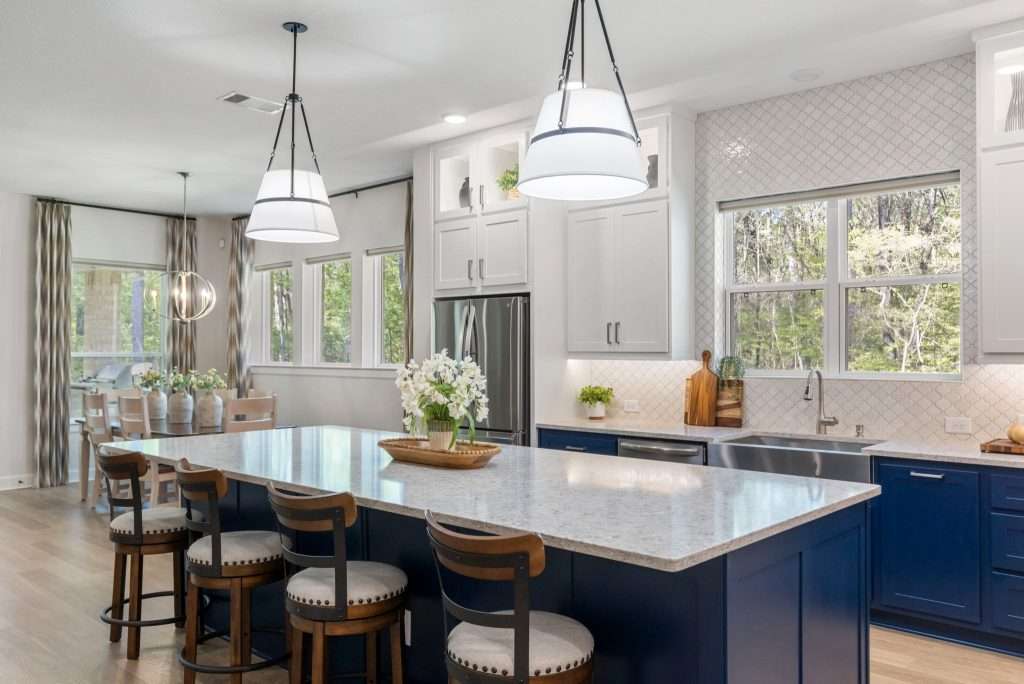
Sometimes, the smartest design decision is knowing when to sit tight.
A full kitchen remodel is a big emotional and financial lift, and there are plenty of situations where pressing pause protects both your wallet and your sanity. All I’m sayin’ is, not every kitchen problem needs a full-on teardown.
Here’s when you might want to hit pause on that kitchen remodel, not power through it:
- Cosmetic boredom versus real dysfunction
If your kitchen works, but you’re simply tired of looking at it, that’s not a remodel emergency. Visual fatigue is real, but it’s also fixable without demolition. When cabinets open smoothly, storage meets your needs, and the layout flows, a full remodel actually delivers less satisfaction than expected. In these cases, smaller changes can refresh the space while keeping your budget intact.
- Short-term living situations
If you intend to move in the next few years, a full remodel deserves a long, thoughtful pause. Major kitchen renovations rarely pay you back dollar for dollar in the short term, especially if your choices lean toward personal or high-end. If your time in the home is limited, flexibility will matter more than perfection. Strategic updates that photograph well and attract a wide range of buyers usually serve you better than a deeply customized space you won’t even live in long enough to enjoy.
- Budget pressure without clear priorities
Remodeling under financial strain almost always leads to regret, baby. If the budget is tight and the priorities are all fuzzy, decisions get rushed, and compromises pile up. This kitchen remodel should feel intentional, not stressful. Without room for surprises and clarity on what really matters, it’s easy to overspend in the wrong places and underspend where it counts. Waiting until the goals are clear isn’t a setback, hun. It’s smart stewardship of your home and your peace of mind.
Remember, hun:
A remodel makes sense when the kitchen fails you, not when it just fails to excite you.
Is Your Kitchen’s Problem the Layout or Just Looks?
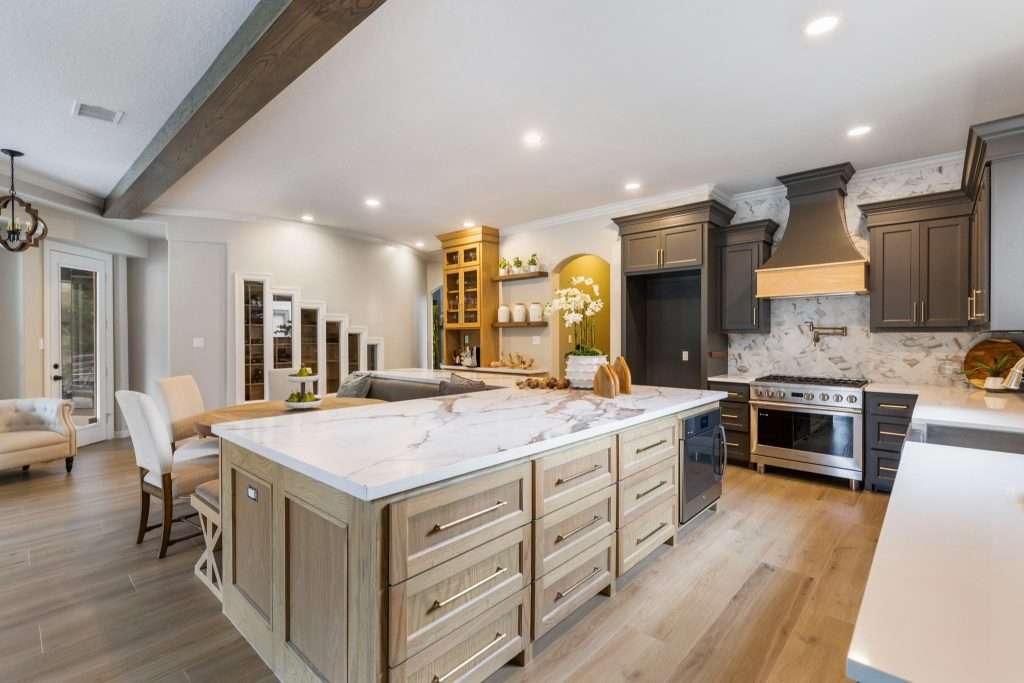
Did you ever stare at your kitchen and wonder, “Do I need a full remodel, or do I just need my cabinets to stop mocking me?”
Sweetheart, that’s one of the most important questions to answer before you even think about pickin’ up a sledgehammer.
A lot of kitchens get blamed for being ugly when the real problem is how they function. Others will get torn apart when a lighter touch would’ve done the trick.
Knowing the difference saves you money, time, and a whole lot of regret.
Workflow Pain Points That Signal Deeper Issues
If your kitchen makes everyday tasks harder than they need to be, that’s usually a layout problem.
You know those kinds of kitchens where you keep bumpin’ into people, opening appliances into walkways, and walking laps just to make dinner. When the fridge door blocks the main aisle and the dishwasher traps someone at the sink, no amount of new finishes will fix that frustration.
Pay attention to how you actually move through the space, ‘cause, honey, cooking should feel intuitive, not like an obstacle course.
If those prep zones are cramped, storage is far from where it’s used, or there’s no clear flow between sink, stove, and refrigerator, you’re likely dealing with a functional issue. Our team saw this firsthand during the Rock Daisy Kitchen Transformation, where years of living with an awkward layout made the space feel far more limiting than it needed to be.
In those cases, a remodel that addresses cabinet placement, appliance locations, or circulation paths can dramatically improve your daily life. And that’s where structural changes earn their keep.
Visual Dissatisfaction That Can Be Solved Easily
Now, let’s talk about kitchens that work just fine but feel… well, tired.
If that layout flows, storage meets your needs, and nothing feels unsafe or awkward, the main issue might be visual fatigue. That’s more common than you think, especially in homes with builder-grade finishes and dated color palettes.
When the bones are solid, lighter updates often deliver the greatest satisfaction.
Think updated lighting, new hardware, refreshed paint, or smarter storage inserts inside existing cabinets. These changes can make the kitchen feel new again without the costs (or the disruption) of a full remodel.
Here’s a good rule of thumb:
If most of your complaints start with how it looks, not how it works, pause before committing to demolition.
Kitchens don’t have to be perfect to be lovable. Sometimes they just need a little polish, a little personality, and a plan that respects what’s already working.
Knowing whether your kitchen needs structural changes or just a visual refresh could save you thousands and spare you unnecessary disruption. Design on a Dime helps you evaluate how a kitchen functions first, then recommends updates that make sense for your space instead of defaulting to demolition.
Refresh, Partial Remodel, or Full Remodel?
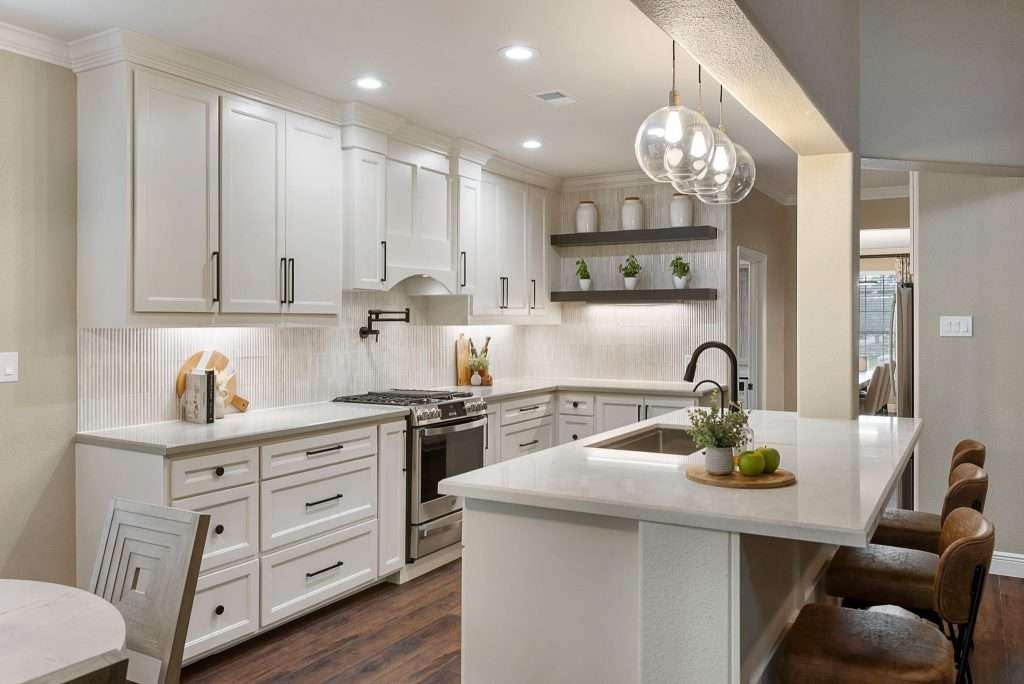
In my experience, this is where most homeowners get stuck.
Everything feels wrong, Pinterest is yelling, and suddenly you are pricing out a gut job when you might not need one.
The right answer?
Well, hun, it mainly depends on what’s broken, what’s tired, and what you actually want your kitchen to do for you.
What a Cosmetic Refresh Actually Fixes
A cosmetic refresh is reserved for kitchens that technically work, but look worn out.
You know what I mean, sugar; the layout flows, storage is adequate, and nothing feels unsafe or awkward. The problem is just… visual fatigue.
Think dated finishes, poor lighting, and surfaces that have seen better decades.
With this kind of update, you want to focus on what your eyes land on first, like paint, lighting, hardware, countertops, backsplash, and sometimes, cabinet refacing. These changes can dramatically improve how the kitchen feels without touching plumbing or electrical.
It’s the fastest path to feelin’ happier in your space. Plus, it delivers strong resale appeal, given the money spent.
If you cook comfortably but sigh every time you flip on the lights, a refresh is likely enough.
When Targeted Upgrades Are Enough
There comes a point when fresh paint and cute hardware just won’t cut it anymore. That’s usually when a midrange kitchen remodel starts to make real sense.
These partial remodels live in the middle ground. These kitchens have one or two real pain points, but not a full system failure. Maybe the storage is inefficient, appliances are poorly placed, or one wall of cabinets needs reworking, but the rest are solid.
You get the idea.
Targeted upgrades include replacing lower cabinets with deep drawers, adding a pantry wall, reworking an island, or upgrading counters and backsplash together. The idea is that you fix what is actually causing the friction and get that “new kitchen” feelin’ without tearing the whole room apart.
I’d recommend this type of upgrade when the bones are good, but daily use could be smoother. It’s where thoughtful design makes the biggest difference, ‘cause every change needs to pull its weight.
Thinking of polishing your kitchen, not gutting your savings? Design on a Dime can make it happen.
When Full Remodels Are the Right Call
Before you pick cabinet colors or argue about islands, you need to know this:
Serious structural problems will turn a “cute little refresh” into a full-blown major remodel, whether you like it or not.
That is to say, full remodels make sense when the kitchen fights you on every level. I’m talkin’ poor layout, safety issues, failing cabinets, outdated wiring, and structural problems; they’ll push you into this category.
At that point, patchwork fixes cost more in frustration than they save in dollars.
You’ll get to reset flow, storage, lighting, and function together, and create a kitchen that supports how you actually live.
The goal isn’t bigger or fancier, hun. The goal is right-sized, well-planned, and built to last.
Match Your Kitchen Remodel to Your Home’s Value
This part right here saves folks a whole lot of heartache and wasted money.
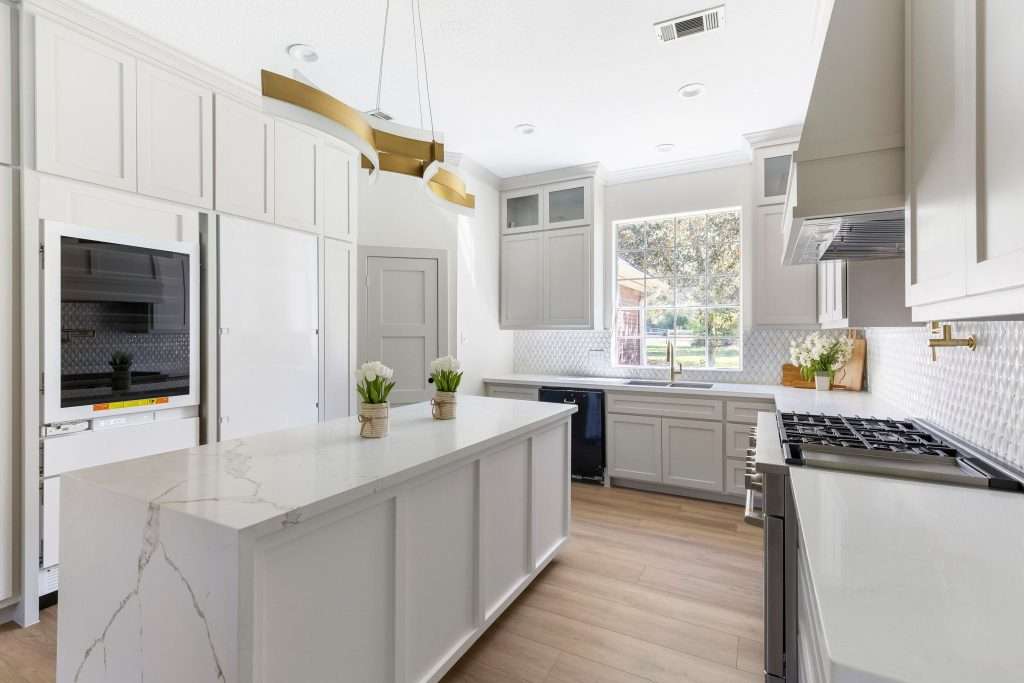
A kitchen remodel should lift your home up, hun, not price it out of its own neighborhood. The sweet spot is finding that balance where your kitchen feels updated, functional, and appealing, without overspending past what your home can reasonably return.
So, you’ve got to pick the lane that fits your house, not your Pinterest daydreams. Otherwise, you’re just sprinkling caviar on a grilled cheese sandwich.
Matching Your Investment to Home Price
Your kitchen doesn’t live in a vacuum, sugar. It lives inside a house with a very real market value.
When your remodel budget climbs too far past what similar houses sell for, that money usually doesn’t come back to you.
A good rule of thumb?
Keep your kitchen investment around 10–15% of your home’s value.
That range tends to support updates that feel meaningful without raising red flags for future buyers. Think minor and mid-range remodels that keep you out of the “What were they thinking?” zone.
You’ll improve what buyers notice and use every day without pushing the price into uncomfortable territory.
Remember, hun:
You want your kitchen to feel like a smart upgrade, not a financial gamble.
Neighborhood Standards and Overbuilding
Before you splurge on the marble island of your dreams, let’s make sure your kitchen is playing nicely with the rest of the neighborhood.
Every neighborhood has its own quiet expectations. And trust me, when that kitchen is dramatically fancier than everything else on the block, it can actually work against you.
Overbuilding usually shows up as fully custom cabinetry, luxury, high-end appliances, and finishes that feel more “showroom” than home. I’m not saying that those features won’t be beautiful; I’m sure they will. But if nearby homes don’t support that level of investment, buyers rarely pay extra for it.
All I’m sayin’ is, your goal is to meet local standards, not build the Taj Mahal.
Why Upscale Remodels Rarely Pay Off
Here’s the hard truth, sugar:
Upscale kitchen remodels usually return only a fraction of what they cost. In fact, national data shows that high-end, six-figure kitchen projects recoup far less than modest updates at resale. Given that the average ROI for a minor kitchen remodel is 113%, treating this project as a targeted refresh rather than a full-blown gut job usually makes the most financial sense.
Buyers want updated kitchens, not overdesigned ones.
Once those finishes start looking too expensive to maintain, their enthusiasm cools down fast. You write a six-figure check for the remodel, only for potential buyers to say “Cute” and move on.
A smart kitchen remodel respects the home it lives in. Design on a Dime’s team focuses on upgrades that improve function and appeal while staying aligned with neighborhood expectations.
Kitchen Remodel for Resale vs. Long‑Term Living
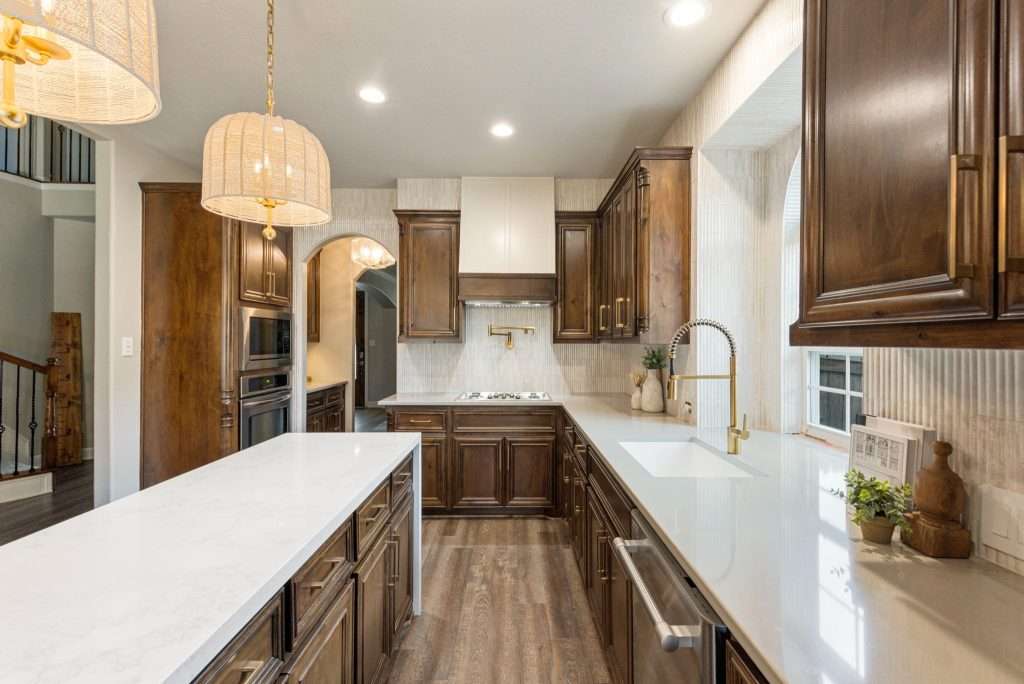
Kitchen crossroads, anyone?
You need to decide if you’re sweet-talkin’ buyers or designing for your everyday life.
This is where a lot of folks get stuck, sugar.
Are you fixing up the kitchen for the next owner, or are you building a space you plan to live in and love for years? Those are two very different goals, and mixing them up can get expensive fast.
If resale is on the horizon, the smartest move is restraint.
Potential buyers want kitchens that read clean, updated, and easy to picture themselves using. I’m talking neutral finishes, reliable appliances, and good lighting; they do more for resale than bold personal choices ever will.
Minor remodels and focused updates tend to shine here because they improve first impressions without inflating the price.
You want buyers saying, “This feels move-in ready,” not “Who paid for all this?”
Long-term living flips the script.
When you plan to stay put, function matters more than broader appeal. That’s when it makes sense to fix those layout issues, invest in durable materials, and tailor storage to how you actually cook and live. Deep drawers, better workflow, and finishes that hold up to real life will pay you back every single day, not just at resale.
The key?
Being honest about your timeline.
If you are selling in the next few years, prioritize updates that’ll protect value and avoid overcustomizing. If you’re settlin’ in for the long haul, focus on comfort, efficiency, and choices that’ll make your kitchen easier to use and maintain.
Now, I know that plenty of folks land somewhere in the middle, wanting a kitchen that works great now and still sells well later. That’s where thoughtful planning makes all the difference.
Need help sorting it out? Design on a Dime Interiors can walk you through it step by step.
Common Kitchen Remodel Regrets and How to Avoid Them
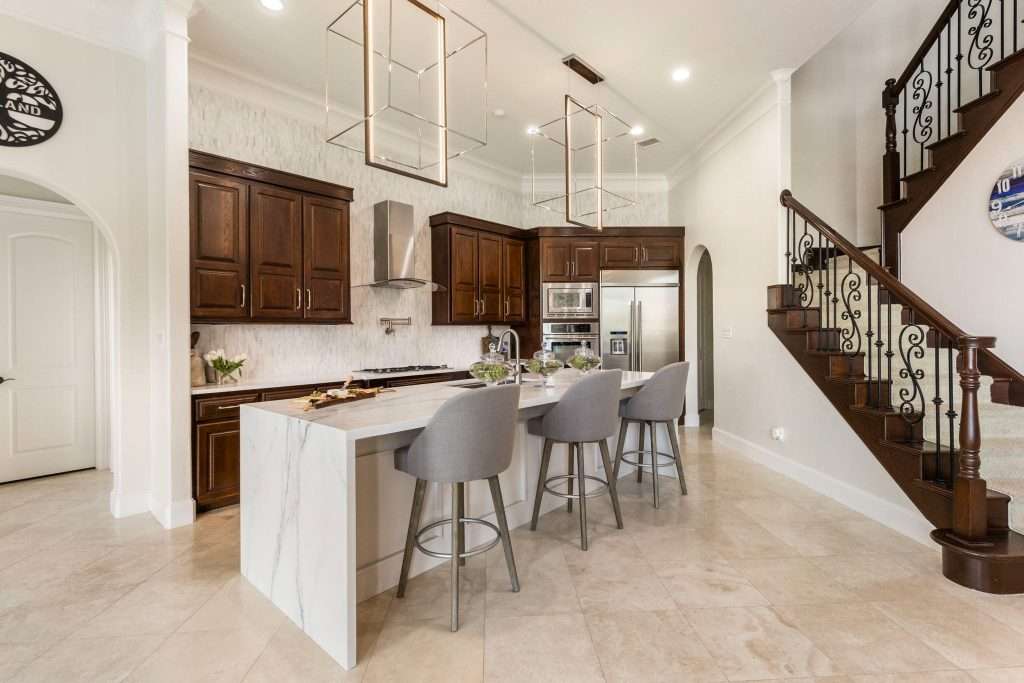
Before you swing a single hammer or order that dreamy range, let’s talk about the kitchen remodel regrets that make people want to scream into their dish towels.
Here’s the truth:
Regrets have very little to do with style and everything to do with how the space works day to day. Usually, they come from skimping on space, storage, and planning, not from picking the “wrong” backsplash.
Design choices that ignore how you actually cook and live, such as installing porous tiles that stain easily, for example, can turn beautiful finishes into constant frustrations.
One of the biggest heartbreaks? Not leaving enough counter space.
It sounds small until groceries, coffee makers, and meal prep all fight for space. Another common (and, I’d say, related) regret would be underestimating your storage needs.
Shallow cabinets, awkward corners, and a lack of pantry space can turn everyday cooking into a constant shuffle.
Those problems don’t age well.
Lighting mistakes show up fast, too. A kitchen that looks fine in daylight can feel gloomy by dinner if task and under-cabinet lights get skipped. And believe me, poor lighting makes even beautiful finishes feel tired and impractical.
Then you’ve got rushed decisions. Tight timelines and budget stress could push folks to approve finishes and layouts they’re not confident about. Months later, that rushed “Yes” becomes a daily annoyance.
Overspending in the wrong places creates regret, too, especially when you realize money went toward flashy features instead of function and durability.
The way around all of this?
Slower, smarter planning.
Map out how you cook, where clutter tends to build up, and which tasks require breathing room. Focus on storage, workflow, and lighting before worrying about statement pieces. Last but not least, go for materials that can handle real life without constant upkeep.
When function leads, and style follows, you get a kitchen that works. And that, darlin’, rarely ends up on a regret list.
Frequently Asked Questions
How long does a typical kitchen remodel take from design to move-in?
A typical full remodel usually takes about three to six months, covering planning, permits, material orders, construction, inspections, finishing touches, and cleaning. For minor upgrades, you’re looking at a couple of weeks.
Do I always need permits for a kitchen remodel?
No, not always. Cosmetic updates, like paint, hardware, or lighting swaps, usually skip permits. Structural, plumbing, electrical, gas, and layout changes, on the other hand, typically require city approval, which can be handled by your contractor.
How disruptive is a remodel to family routines?
You can expect some chaos. Daily cooking, meal prep, and family schedules are all temporarily disrupted. You’ll have to live with dust, noise, and makeshift setups until the remodel is complete and the new kitchen finally functions.
What are some common hidden costs in kitchen remodels?
Common hidden costs in kitchen remodels often include unexpected plumbing, electrical issues, structural surprises, and material delays, which could add 10–20% to your budget. That’s why a contingency fund is essential.
How do I maintain my new kitchen after a remodel?
You should follow manufacturer care instructions, avoid harsh cleaners, protect the surfaces from heat and moisture, and schedule routine maintenance for appliances and hardware.
Let’s Plan a Remodel That Actually Works for You
At the end of the day, you shouldn’t swing a sledgehammer just ‘cause your cabinets look a bit boring, and you saw something better on Instagram.
It’s not about keeping up with Pinterest and chasing trends you’ll forget in six months. You remodel when it solves real headaches, fits your budget, and actually boosts value.
Sometimes, a few thoughtful updates make a bigger difference than a full gut.
If you’re ready to turn your “ugh” into an upgrade that works for your family and your home’s value, Design on a Dime Interiors can help you plan this kitchen remodel with calm, confidence, and a touch of everyday glam.
Let’s chat about your space and figure out what actually makes sense for you.