
Designing for the Way You Actually Live, Not the Way Homes Are Styled Online
Designing for the way you actually live means designing a home that supports your real days, not just your Instagram-worthy ones.
If your life includes rushed mornings, sticky fingers, pets underfoot, and work calls squeezed in between it all, your home should be helping, not fighting you.
Too many homes are styled to impress instead of function. Sure, they all look beautiful online, but they fall apart the moment real life shows up.
Comfort and beauty don’t have to compete, though.
It’s all about letting go of perfection and choosing design that feels good to live in. The kind that welcomes you home and works hard right alongside you.
If you’re curious how to pull that off, you’re where you should be.
When Picture-Perfect Homes Meet Real Life
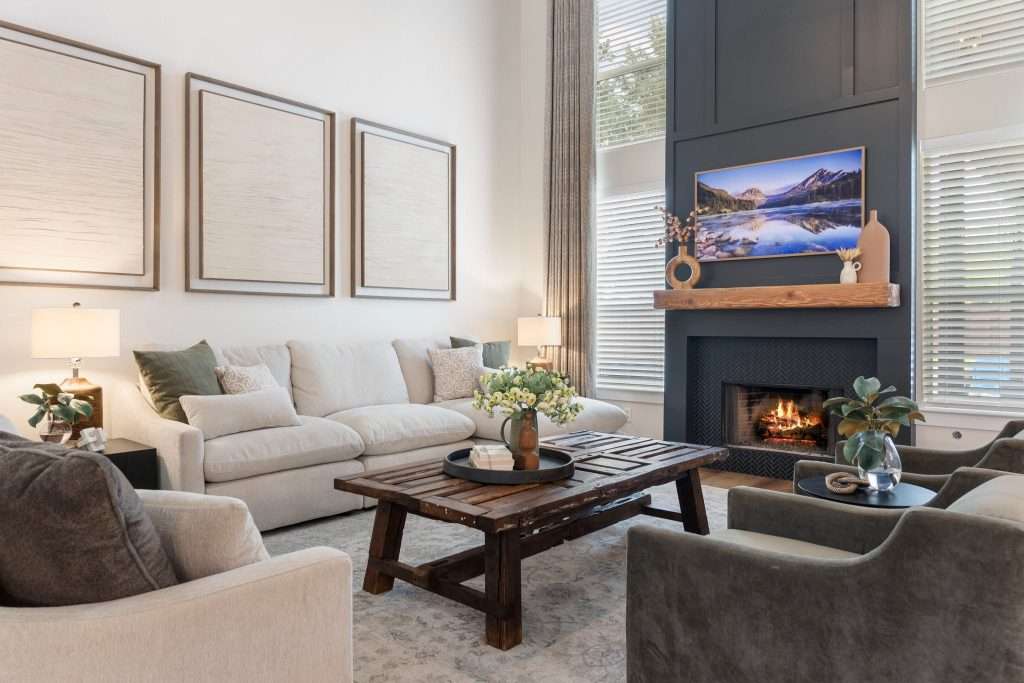
Scroll through your feed, and it looks like everyone else has it figured out. Pantries are color-coded. Sofas are white and somehow still spotless. Countertops stay clear, even during dinner prep.
But real life usually looks a whole lot more… lived in.
Most homes are juggling kids, pets, late nights, early mornings, and that one chair where laundry goes to “rest” before it gets folded. Life happens fast, and homes that are designed only to look good online often fall apart the moment they have to support real routines.
That disconnect creates tension.
But let me tell you something, sugar:
Online rooms might never show the piles, but I’m willin’ to bet they’re there.
Clean, organized homes can support mental and physical well-being; research agrees on it. It’s no wonder that many people feel discouraged when their space never quite lives up to what they see online. Throw in the growing awareness of how materials and energy use affect daily comfort, and it’s evident that design is about much more than appearances.
You crave calm, but not at the cost of comfort. I get it, honey. You want beauty, but not if it means tiptoeing through your own living room.
That’s the goal of good design:
It should meet you where you are and support your routines, your messes, your pauses, and all your little, everyday wins, without making you feel like you’re doing it wrong.
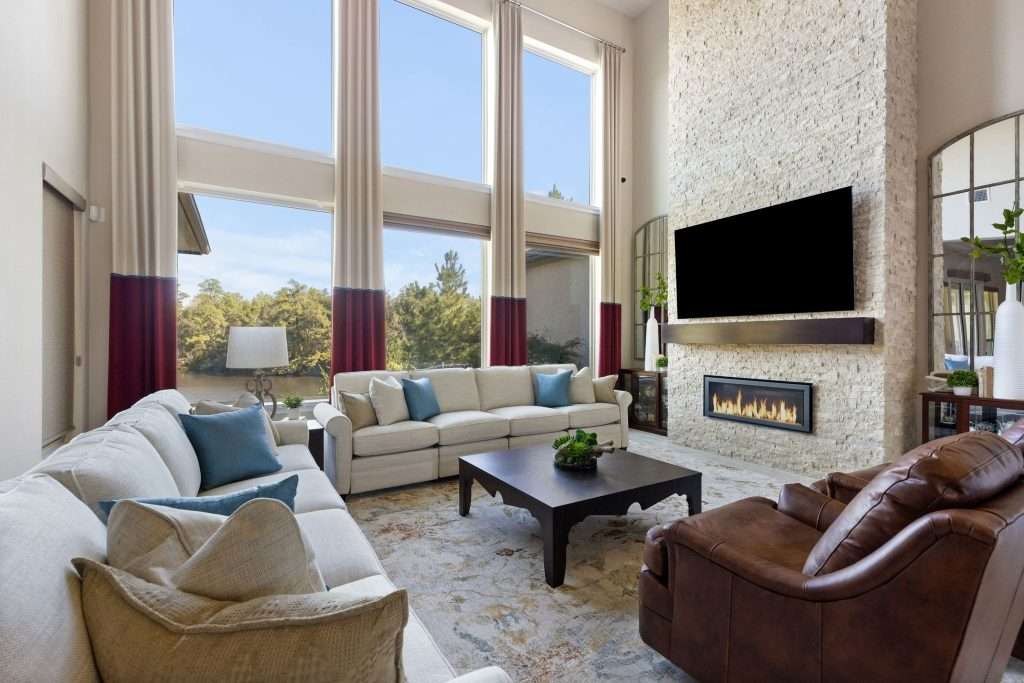
Our Painters Ridge Project is the perfect example of that.
If your house feels like it’s working harder to look good than to support you, that’s often a design problem, not a you problem. Design on a Dime can turn those daily stress points into spaces that finally feel easy to live in.
Designing a Home Around the Life You’re Living
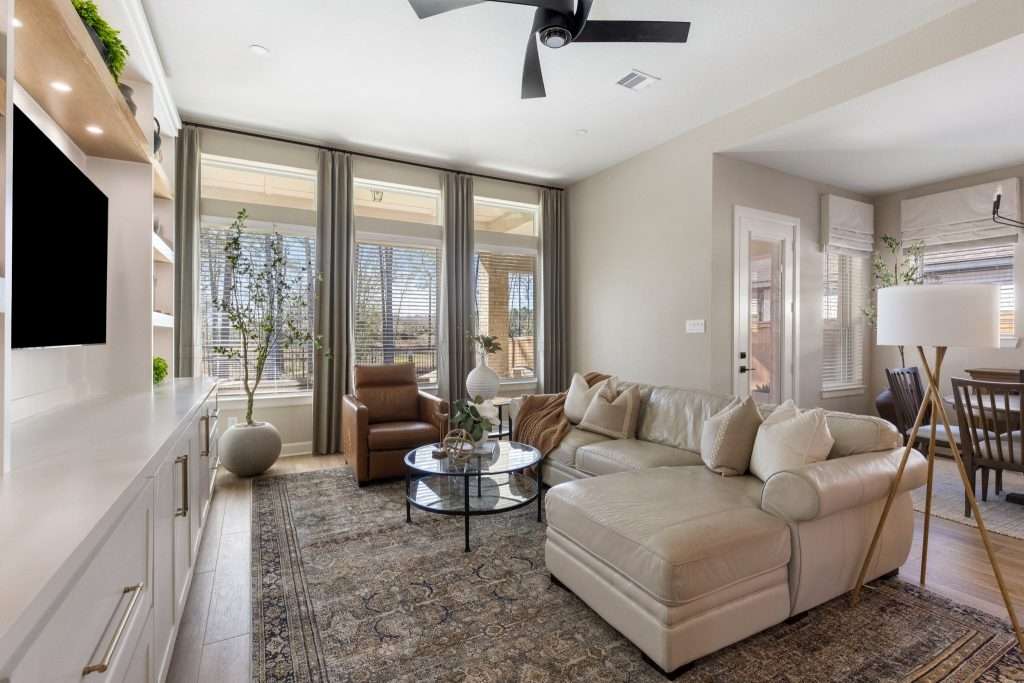
One thing you need to know about good design is that it begins with honesty. Not aspirational honesty, but real honesty about how your days unfold. When your home is planned around your actual routines and not an imagined version of yourself, daily life gets easier in quiet but meaningful ways.
Let Your Daily Routines Lead the Layout
Your floor plan should support your rhythm, not force you to work around it. A simple way to ensure that is the case is to spy on yourself for a day. I know it sounds silly, but hear me out:
Track how you actually move through your home on a regular day, where you typically bump into furniture, where everyone naturally gathers, and which rooms stay empty.
That tells you all you need to know about your home’s layout.
If your mornings involve kids getting ready while one person packs lunches, and the other looks for shoes, those paths need space to overlap without stress. If the evenings revolve around cooking while homework happens nearby, sightlines between the kitchen and living areas matter more than having perfectly defined rooms.
You get the idea.
And since we spend so much of our time indoors, the way spaces connect and flow has a real impact on comfort and well-being. Plus, designing around routines also means thinking long-term, and making sure your home still functions as your needs change over time.
Rooms That Flex With Your Life
I’ll let you in on a little secret:
You don’t need a giant house to live large. You just need rooms that know how to multitask the same way you do.
Life shifts by the hour, the season, and the year, and homes need to keep up.
That said, flexible spaces aren’t about cramming more into a room. They’re about letting one space serve different purposes without things getting chaotic.
Many households now need rooms that can change roles throughout the day. A dining area might become a homework station in the afternoon. A guest room may double as an office most of the year. That’s where intentional planning makes all the difference.
We call these kinds of adaptable layouts multi-functional spaces. A single room is planned to shift between the different roles with the help of modular furniture, smart storage, and flexible lighting. No wasted square footage here, hun.
Besides, clear “work” and “play” zones keep your brain sane and your space cute. Even in an open layout, visual cues like rugs, lighting, and furniture orientation can signal when it’s time to focus and when it’s time to unwind.
Flexible spaces don’t come from adding more rooms. They come from planning smarter ones. Design on a Dime can help your home shift roles without feeling cluttered or overworked.
Materials and Finishes That Can Keep Up With Real Life
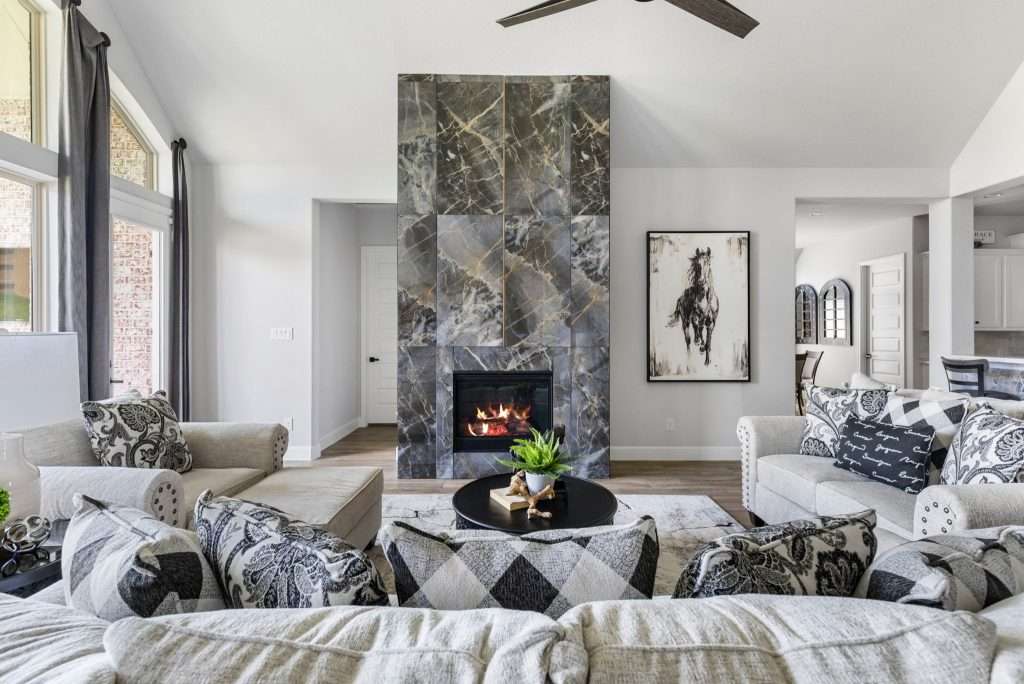
A beautiful home shouldn’t feel fragile. If your days include sticky hands, shedding pups, dropped phones, and the occasional spill that comes out of nowhere, you’ve got to pick materials that can take a hit and still look fabulous.
Designing for real life starts with choosing surfaces, fabrics, and finishes that can handle everyday wear without a full cleaning marathon.
The goal isn’t to make your home indestructible, sweetheart, ‘cause there’s no such thing. But we do want to make it more forgiving.
Here’s what you need to know.
Kid- and Pet-Proof Materials
Let’s start from the ground up.
Floors take on the brunt of daily life, especially in homes with kids and pets.
Porcelain tile and luxury vinyl flooring are strong performers because they resist scratches, moisture, and stains. They’re easy to clean and hold up well in high-traffic areas, such as kitchens, hallways, and family rooms.
If you prefer a softer feel, though, bamboo and cork offer a bit more warmth underfoot, while still standing up to busy households. Plus, these materials absorb sound better than hard tiles, which may help reduce noise when those little feet and paws are always on the move.
Of course, furniture matters, too. Solid wood pieces with sturdy joinery tend to outlast lighter, trend-driven furniture. I recommend looking for certifications that indicate low chemical emissions so the air inside your home stays healthier, especially in spaces where children spend a lot of time.
Stain-Resistant Fabrics That Last
If you think about it, upholstery really does work overtime. Between the movie nights, homework sessions, and afternoon naps, seating gets constant use.
And that’s why I always say that fabric choice matters as much, if not more, than colors and patterns. You can check out our Huntsville Project for inspiration.
My advice?
Go with tightly woven fabrics that can keep your furniture looking decent, even when life gets messy. Think microfiber, polyester blends, olefin, and performance-treated textiles.
They resist stains, clean up easily, and hold their shape longer than many natural fibers.
Leather is another strong option, hun. It naturally resists spills and tends to develop a richer look over time instead of wearing out.
Be sure to consider where these fabrics will live. Sunny rooms might benefit from fade-resistant materials, while family sofas tend to do best with fabrics designed for durability rather than delicacy.
Durable, Low-Maintenance Finishes
[image]
Sooner or later, real life will pick a fight with your finishes, so let’s make sure your home wins.
You want surfaces that laugh at chaos, not cry about it. That goes for your walls, cabinetry, and trim. After all, you’re not trying to add yet another item to your to-do list, are you, hun?
I’m talkin’ washable paints with higher-quality finishes that make touch-ups easier and reduce the need for frequent repainting, and engineered wood that offers the look of natural materials, with better resistance to moisture and temperature changes.
And in kitchens and bathrooms, moisture-resistant surfaces can help prevent long-term damage and keep maintenance simple.
Real-life materials do more than survive, darlin’. They make your home feel more livable, comfortable, and ready for whatever the day brings. You finally get to enjoy your space, instead of constantly worrying about keeping it perfect.
Smart Storage That Matches Real Life at Home
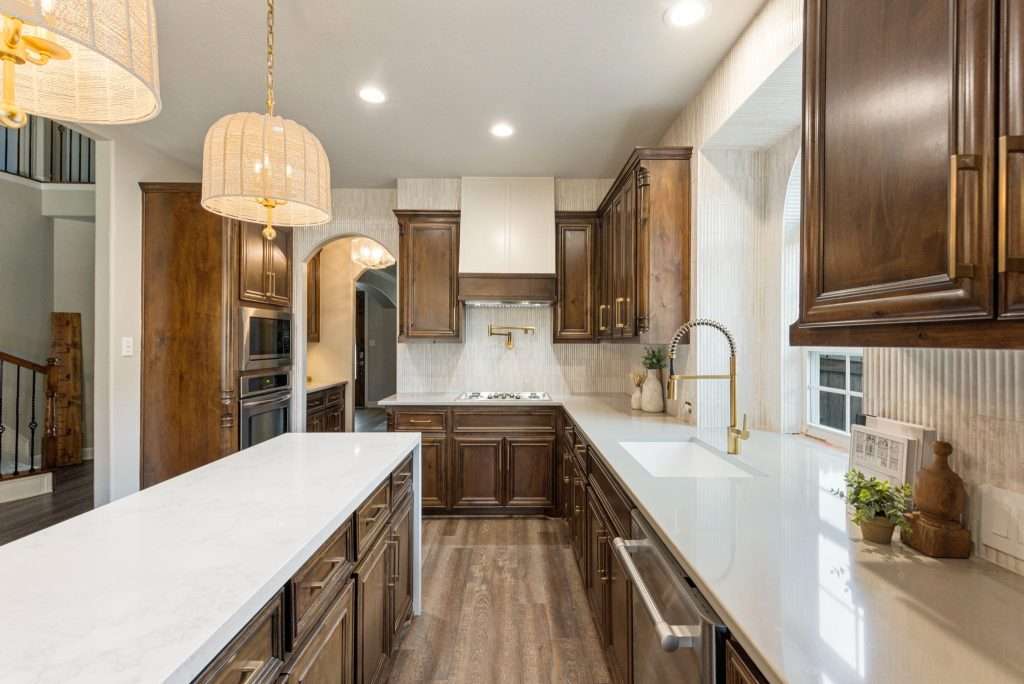
Before you buy another basket or a matching container set, pause and take a look at how your household actually functions. Storage works best when it reflects your real habits, not whatever Instagram thinks they should be.
The goal isn’t to just look organized, honey. It’s to stay organized without extra effort.
You can start by noticing patterns. How often do you shop? Do groceries come home weekly or twice a month? Are backpacks dropped by the door or carried straight to bedrooms?
The thing is, when storage lines up with behavior, clutter starts to shrink on its own.
In kitchens, storage should support how food is bought and used. If you stock up, you need deeper pantry shelves and more freezer space. If you cook nightly, you need everyday tools within arm’s reach. Vertical storage helps make better use of space, but only when frequently used items are easy to grab.
Throughout the home, multifunctional pieces pull extra weight. Benches with hidden storage, coffee tables with drawers, and beds with built-in compartments can all reduce clutter without adding furniture. The key?
Making sure stored items are easy to access and just as easy to put away.
Here’s a quick way to check if your storage is working for you:
- Everyday items live where they’re actually used
- Storage height matches those who use it the most
- Frequently used items are visible or at least within reach
- Seasonal or rarely used items are stored higher or farther away
When storage follows real routines, homes feel calmer and more spacious. You spend less time searching and more time living, which is exactly how good design should feel.
Designing for Today Without Shortchanging Tomorrow
One of the biggest concerns homeowners have is whether designing for real life can potentially hurt resale value later.
The good news is that thoughtful, livable design often does the opposite.
Homes that support everyday family life tend to perform well in the market, especially as more buyers look for spaces that feel functional and comfortable from day one. And homes designed with real living in mind are not a liability, hun. They’re an advantage.
As with most things, the key is balance.
You need to make choices that serve your household now, while staying flexible enough for future buyers. That usually means investing in quality rather than excess. Think durable materials, smart layouts, and well-planned storage.
That appeals to a wide range of people, even if your current needs are very specific.
You should know that buyers these days are drawn to smaller houses with better materials and thoughtful details, ‘cause those features translate to lower maintenance and everyday ease. Flexibility is another big resale win, by the way.
When design choices are rooted in function and adaptability, your home stays valuable without sacrificing how it feels to live in it right now. And that’s exactly the balance Design on a Dime can help you achieve.
How Design on a Dime Translates Lived Experience Into Texas-Focused Design

At Design on a Dime Interiors, every project starts with listening. Not just to what a space should look like, but to how it needs to work for the people living in it.
Our team will take time to understand the daily routines, long-term goals, and the little habits that shape a household, from morning coffee rituals to how weekends are spent at home.
That lived-in insight shows up in the design decisions.
Layouts are planned for real-life movement, storage is placed where it is actually used, and materials are chosen for comfort, durability, and ease.
One family might need an open gathering area that keeps kids and adults connected, while another needs quiet corners that support working from home without taking over the entire house.
Design on a Dime’s work is rooted in the way Texans live today. Homes are designed to handle heat, busy schedules, and full houses, without ever feelin’ too heavy or “overdone.” Clean lines, layered textures, and practical furnishings come together in a way that’s welcoming and personal.
The result isn’t a showpiece home that needs protecting. It’s a space that supports real life beautifully, day after day.
We can translate everyday habits into spaces that feel natural, durable, and unmistakably “you,” designed to support real life for years to come. Let’s make it happen.
Frequently Asked Questions
How do I make practical design choices without locking myself into one lifestyle?
Focus on flexibility. Choose layouts, furnishings, and finishes that can shift as the routines change, instead of designs that serve only one phase of life.
What should I prioritize first if my home feels overwhelming to live in?
You should prioritize the spaces you use every day. Improving flow, storage, and comfort in one high-traffic area often creates relief throughout the rest of the home.
How can I personalize my home without making it feel dated later?
You can personalize your home by keeping the permanent things neutral and expressing your personality through pieces that are easier to swap out, like art, lighting, textiles, and furniture.
How do I design for multiple people with different habits in the same home?
You should give everyone a few dedicated zones, even if they’re small. Clear ownership of space reduces daily friction and helps shared areas work better.
What if my home needs to support both work and rest without feeling chaotic?
If a home needs to support both work and rest, define subtle boundaries using furniture placement, lights, and storage, so that each activity has a clear start and stop within the same space.
A Home That Works as Hard as You Do
At the end of the day, hun, a good home doesn’t ask you to perform. It supports your routines, holds your people, and gives you space to breathe when life gets full. When design decisions are rooted in how you actually live, your home becomes easier to care for and far more enjoyable to be in.
That kind of comfort doesn’t come from chasing trends and perfection. It comes from thoughtful planning and honest conversations about what matters most in your everyday life.
If you’re ready to ditch the pressure and create a home that feels natural, personal, and built for real living, Design on a Dime is here to help. A chat with our team is often the first step toward a space that truly feels like home.