
Blending Old and New: How to Mix Design Eras With Style
Figuring out how to mix design eras is one of those things folks sometimes struggle with when they want a home that feels collected, not confusing. And let me tell you, hun, blending old and new isn’t about rules. It’s about rhythm.
Every home has its own heartbeat, whether you’ve got Grandma’s chandelier that’s older than your mama or a sofa that just showed up last Tuesday.
The magic happens when those pieces start talking to each other instead of competing.
Think harmony, not history lessons. Think character, not clutter.
If you’re craving a space that feels warm, lived-in, and beautifully layered, you are in the right place, sugar. Let’s walk through the rooms where all that charm truly comes alive.
Why Mixing Design Eras Makes Rooms Feel Alive
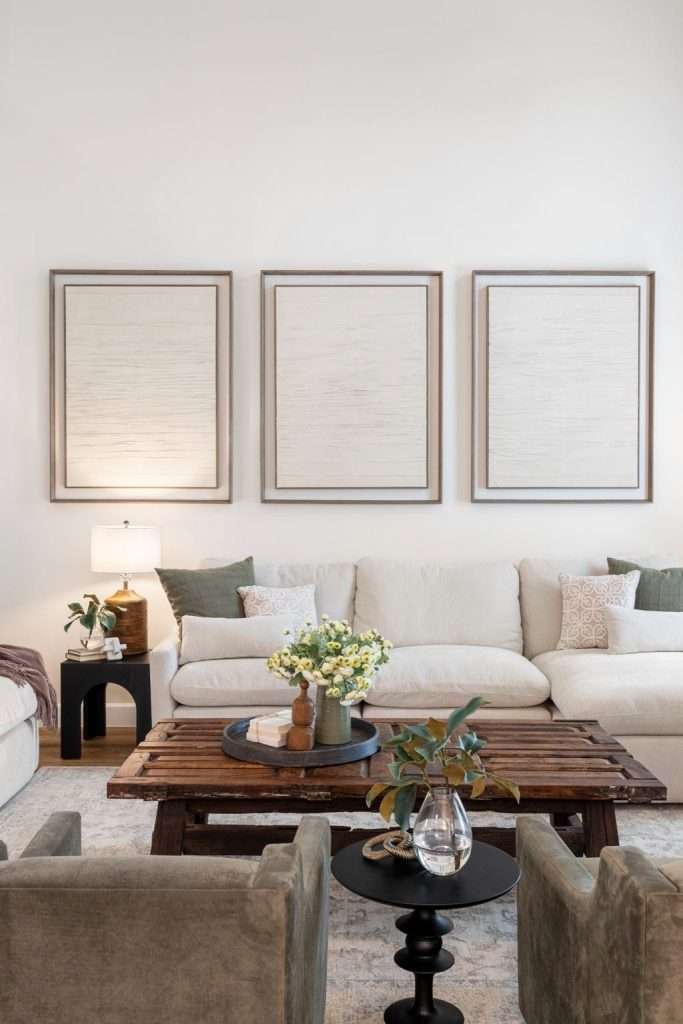
Mixing design eras gives a room the kind of spark you can feel the moment you walk in. Everything seems to wake up, stretch out, and even show off a little.
Those modern lines stand taller, those vintage curves settle in deeper. Suddenly, the whole room feels like it has a heartbeat.
When old meets new, the space stops feeling staged and starts feeling personal. Your eye moves through the room the way it moves through a good story, catching little surprises, tiny echoes, and all those details that make you linger.
It’s lively without being loud, and collected without feeling careful.
Now, honey, we’re not going for “random” here. What keeps the blend feeling intentional is cohesion. Just enough harmony in the background for each piece to shine without shouting.
Shapes and silhouettes can help with that rhythm, too. When they echo each other, the mix feels natural and confident.
And then there’s texture. All those little nicks, patinas, and soft scratches on vintage pieces add dimension that big-box pieces simply can’t fake. They’re like personality written into the room, giving everything depth and inviting people to lean closer.
You’re not imagining the impact, either. Studies keep telling us what we already feel in our bones:
Spaces with character make people happier, and folks of all ages crave rooms that look like someone truly lives there.
And a room that blends eras brings that warmth right to the surface. It fills a space with charm, confidence, and a little whisper of history you can feel every time you walk through.
Finding the Right Balance Between Vintage and Contemporary
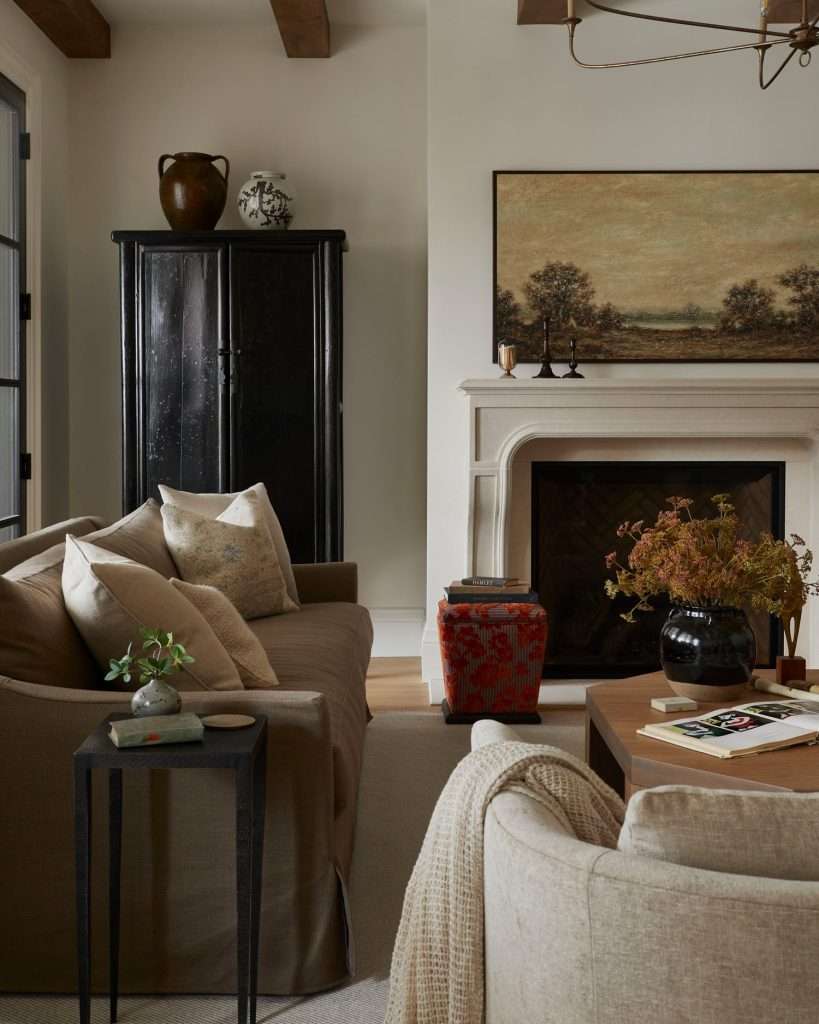
Before you start hauling Grandma’s dresser into that modern living room, let’s take a moment to talk about balance. That’s where the real magic happens, hun.
Let vintage charm be the accent, not the whole story. A good rule of thumb?
Go for a mix of 80% contemporary and 20% vintage elements.
Many designers, including yours truly, rely on this ratio because it keeps a space clean, relaxed, and open while still giving it personality.
That said, you could always shift to a 70/30 approach if you want a little more character peeking through. After all, people want rooms that feel warm, personal, and welcoming, not stiff or overly themed.
As I said, the main thing is to let vintage pieces play a supporting role, while your modern foundation leads the way. Spread those special older items throughout the room instead of clustering them all in one corner.
That helps prevent the space from feeling like a time capsule.
Think of rough wood against smooth finishes, warm brass next to cool chrome, or a patterned antique rug grounding a room filled with simple contemporary lines.
Color is your best friend here, honey, because it gives each era a shared language. Once the foundation is set, each of those vintage pieces feels like it belongs, even if it comes from a different decade.
If you’re not quite sure where to start, don’t worry. Design on a Dime can help you pick a combination that feels natural and beautifully balanced.
Pairing Styles That Naturally Work Together
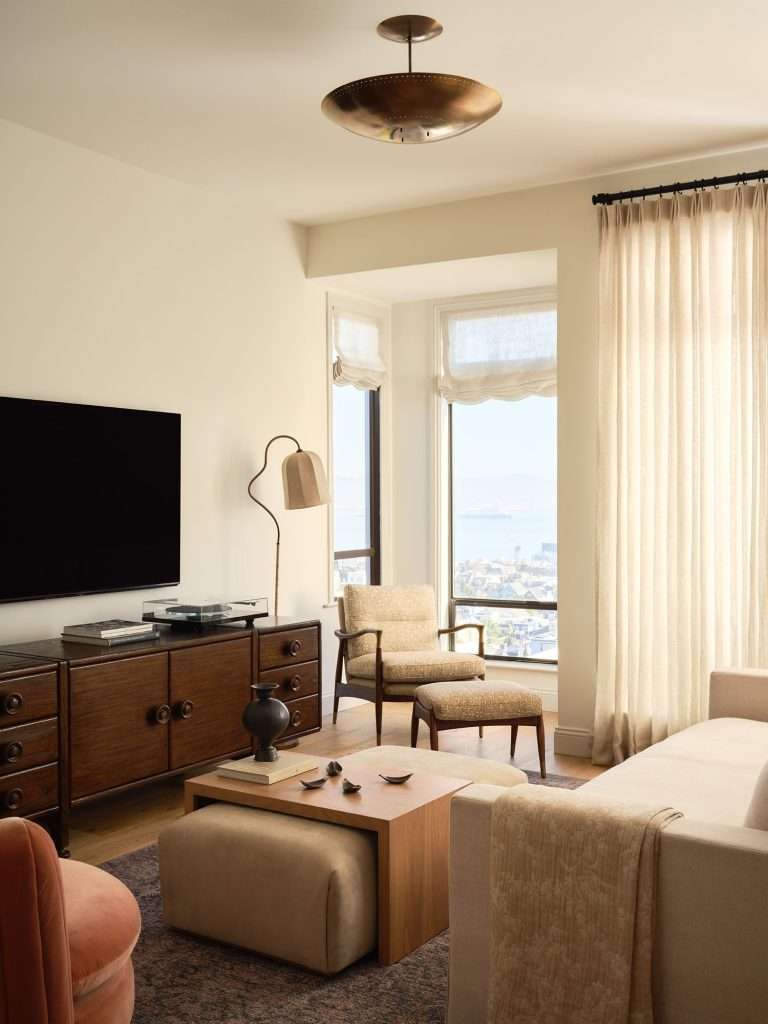
I know that mixing styles can sound bold and risky, but some combinations just click together the moment they meet. They flirt, spark, and finish each other’s sentences.
When you bring those natural matches into the same room, the chemistry shows instantly.
Take modern and traditional. Modern pieces offer clean, confident lines, while traditional silhouettes bring a sense of grounding and history. Together, they create a mood that feels both sharp and soulful; a space that knows where it’s going but hasn’t forgotten where it’s been.
Or think about boho and mid-century. Both love organic shapes, relaxed energy, and pieces that don’t try too hard. Mid-century gives you structure, and boho gives you looseness. Pair them, and the space feels lived-in, expressive, and beautifully unpretentious.
Industrial and Scandinavian are another easy match. They share a love of honest materials and unfussy forms. Scandinavian design softens industrial’s grit, while industrial brings a little “edge” to Scandinavia’s calm. The result? A room that feels intentional, balanced, and quietly confident.
What these successful pairings have in common is a shared design language.
It might be similar materials, repeated shapes, or simply a mood that feels familiar across eras. Whatever it is, when those connections are already there, the blend feels natural instead of forced.
When you layer styles with intention, the space starts to feel more inviting and easier to live in, making people want to settle in and stay awhile.
And that’s exactly how you want folks to feel in your home, hun.
If choosing the right style ever feels overwhelming, Design on a Dime can help you find combinations that feel effortless and beautifully coordinated.
Using Color and Texture to Tie Eras Together
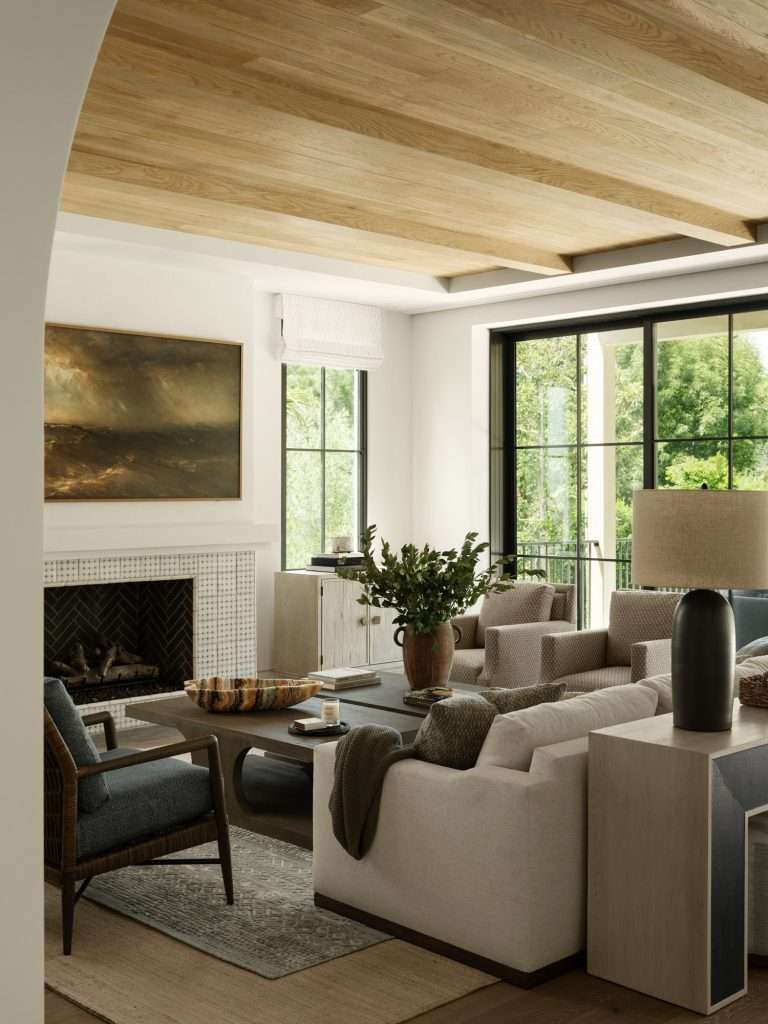
Now, sugar, color, and texture are your strongest tools when you want pieces from different decades to feel like they belong in the same room. When you stay intentional with these two elements, Grandma’s dresser and your brand-new sofa stop competing and start singing the same tune.
Unified Color Story
Let’s start with color, shall we?
A unified palette acts like the glue that holds everything together. Pick three to five hues and repeat them throughout the space so every era feels related instead of random.
The 60-30-10 rule comes in handy here because it keeps things balanced. Think 60% for your main color, 30% as your support, and 10% as your accent.
Analogous palettes can be especially forgiving when mixing periods since the hues flow naturally from one to the next. On that note, calming blues or earthy neutrals make a great foundation because they play well with both ornate vintage details and cleaner contemporary lines.
The point is, color matters more than most people realize. A space with a strong color story simply reads better, period.
Texture as Your Quiet Connector
Once your palette is set, texture becomes your bridge between eras. It gives the room depth and helps the pieces with totally different silhouettes feel connected.
That said, you should limit yourself to two or three dominant textures so your room remains layered, not chaotic. Pair something soft with something sleek. Combine something warm with something cool. You get the idea.
Natural fibers and wood tones are powerful additions, too. They lower visual stress and offer an immediate sense of comfort.
I’ve got a simple formula for you:
If you bring in a velvet vintage armchair, balance it out with a modern glass coffee table; soft meets glossy. And if you’ve got a reclaimed wood console, you can pair it with a clean-lined metal lamp to mix rustic with refined.
These combinations help different eras speak the same language.
When your color story holds the space steady, and your textures give it soul, the whole space starts to feel collected and intentional. And if you ever feel unsure about picking the right palette, Design on a Dime can guide you toward combinations that bring every era together with confidence.
Creating Strong Focal Points With Old and New Contrasts
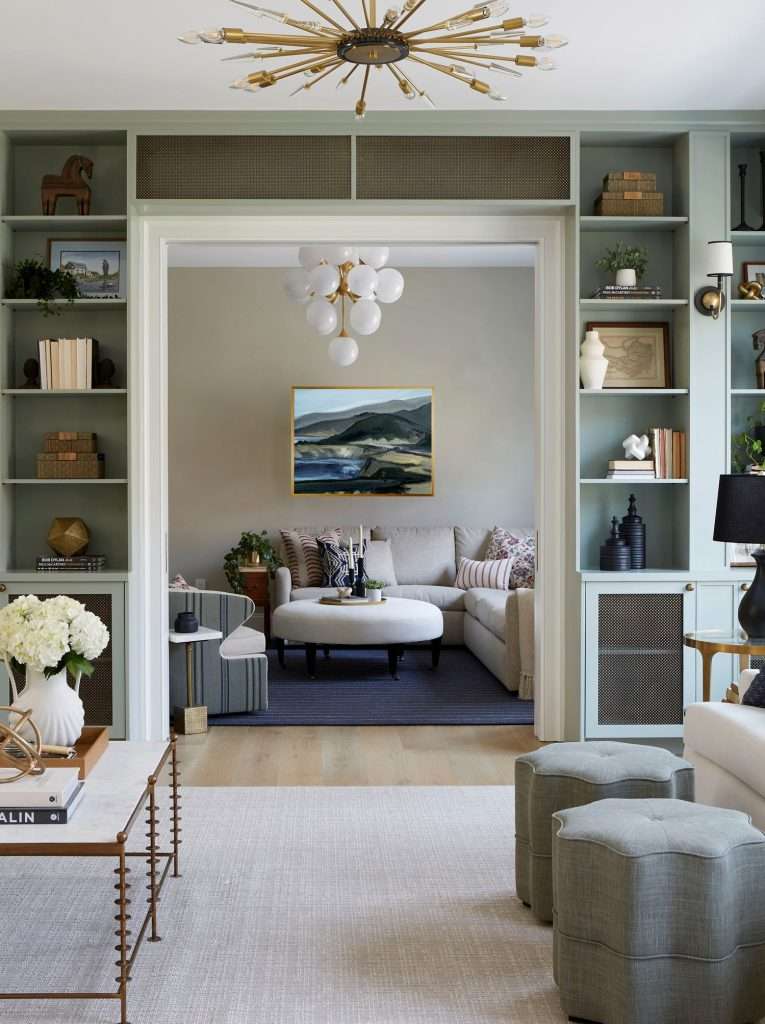
I’ll let you in on a little secret, sugar:
The room feels instantly more confident when it has one clear focal point instead of ten pieces all trying to steal the show.
Your focal point is where every eye lands first, so choose it with purpose. Everything else? It’s just there to support it and make it shine.
Choose one hero piece per room and build the contrast around it. A vintage chandelier over clean modern seating, a bold piece of contemporary art above a carved antique dresser, or a brand-new sectional sitting next to a beautifully weathered armchair can all create that instant spark.
See, hun, opposites amplify each other.
The old feels richer. The new feels bolder. The room feels intentional.
Scale matters here, too. Pick something with enough presence to hold the space. Larger pieces have a grounding effect that reduces visual clutter and gives the entire space a higher-quality feel.
You want to keep the rest of the room simple so the focal point can breathe. A single, well-chosen contrast speaks louder than a dozen competing moments.
And when you give that star piece room to shine?
You get a space that feels collected, memorable, and ready for its close-up.
If you ever need help identifying the right standout pieces for your space, Design on a Dime can guide you toward a focal point that sets the tone beautifully.
Room by Room Ideas for Mixing Eras
Now, let’s walk through the rooms where life actually happens. These are the spaces that hold your coffee chats, your late-night snacks, and every “come on in” moment with friends.
When you mix eras thoughtfully, each room feels warm, lived in, and full of personality.
Living Rooms
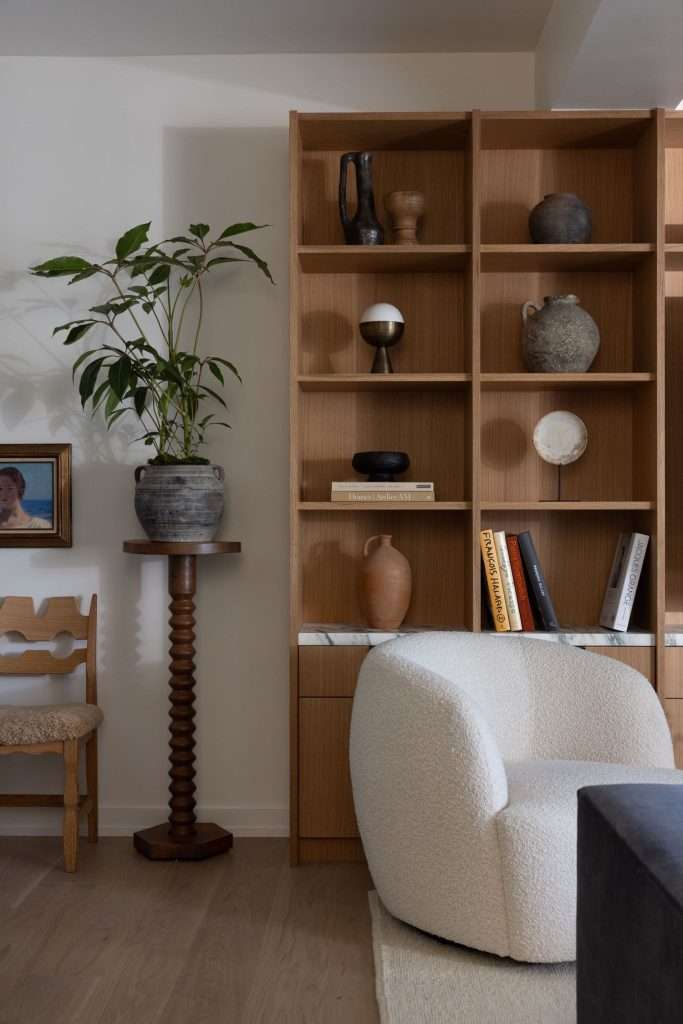
Your living room is the perfect place to experiment because it carries so much visual weight in your home.
Of course, the goal is for it to feel collected and wildly stylish, not like a thrift store exploded in there.
Start with the big anchors, such as the sofa, chairs, and rug. Once those are in place, layer in your tables, lamps, and art so every decade feels invited, but nothing feels crowded.
A simple color plan makes all the difference.
The key is to stick to a 60-30-10 balance and echo the same metal finishes or wood tones in at least three pieces around the room, so the mix feels intentional. And as I said already, you can play with textures, like velvet, linen, wood, and metal, for a look that feels luxe yet comfortable.
Custom window coverings can finish the room beautifully, adding privacy and softness, all while letting the vintage and modern pieces shine together.
If you ever need backup choosing the right layers, Design on a Dime is always happy to help.
Kitchens and Dining Rooms
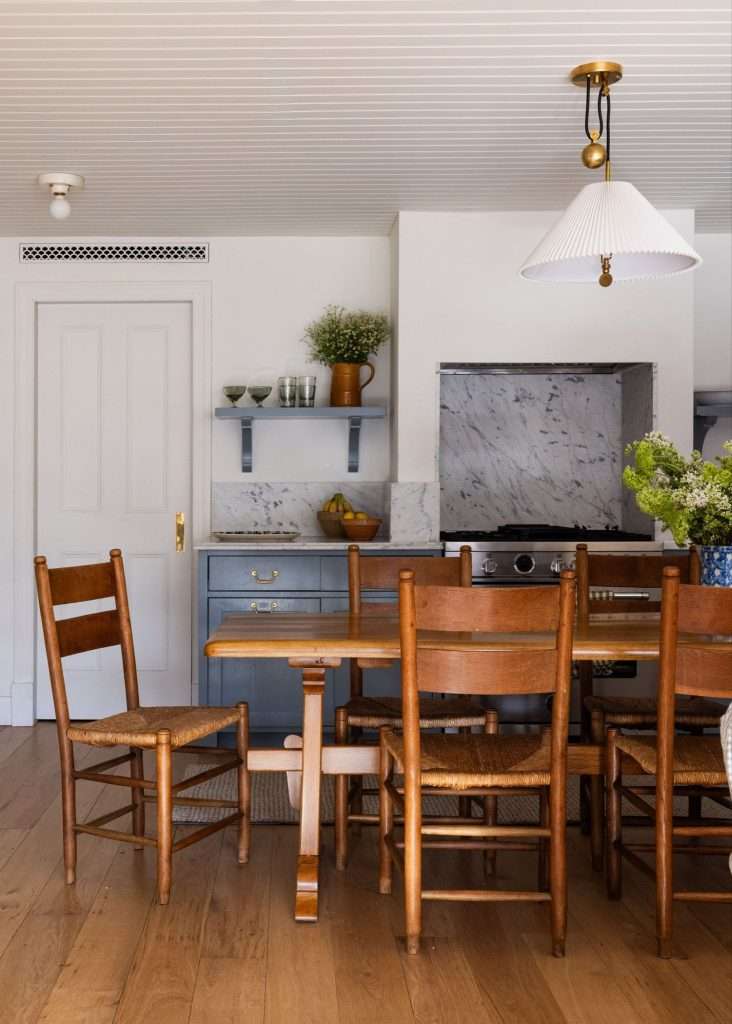
Kitchens and dining areas are where mixing eras really comes alive. Think about it, sugar:
These rooms set the tone for the whole home, so you really want to do this right.
Cabinetry and appliances can be your larger modern elements. Then, you can bring in character through reclaimed wood shelves, a vintage butcher-block island, or an aged brass light fixture.
Suddenly, it feels curated, not chaotic.
Design on a Dime’s Brenda Project is a perfect example of that.
Layered lighting helps you bridge these styles naturally. Think industrial pendants, warm sconces, and soft under-cabinet lighting; they keep the space bright for prep and cozy for dinner. Natural materials, including stone, wood, and handmade tile, bring charm that works well with both sleek and traditional elements.
A curated mix like that feels warm, welcoming, and deeply personal. And that, hun, is the vibe we’re going for in Texas kitchens, isn’t it?
Bedrooms
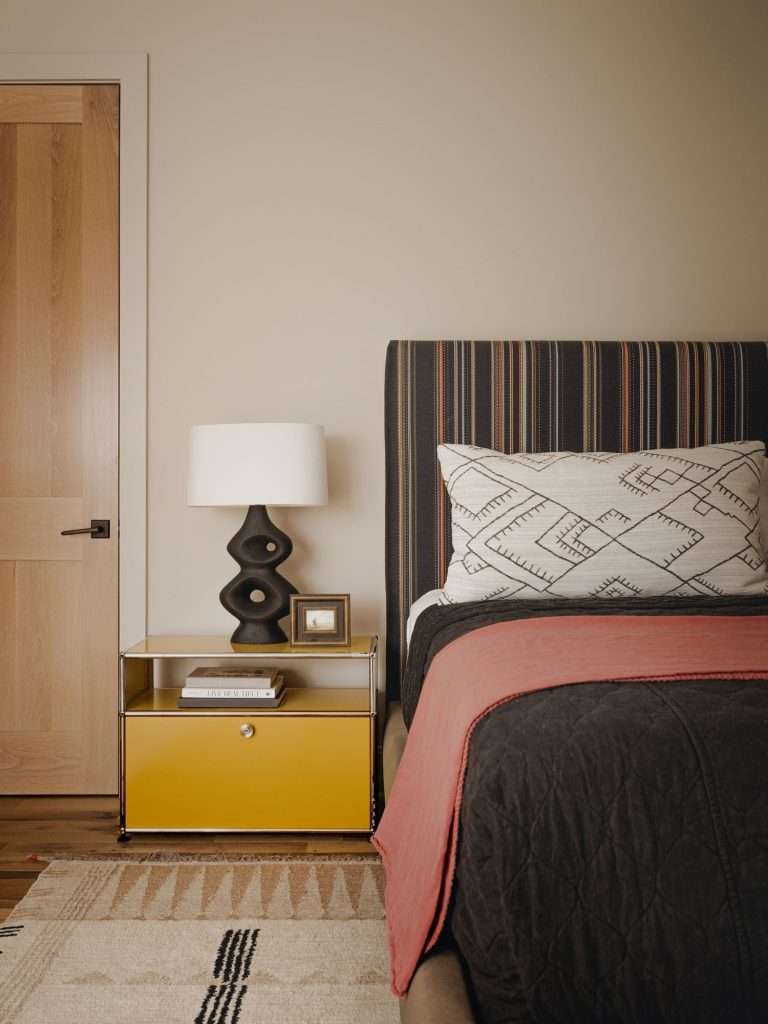
Bedrooms respond beautifully to a blend of eras because they thrive on that calm, layered comfort.
So, get yourself a modern bed frame or clean-lined nightstands as your foundation, then bring in a vintage dresser, an antique bench, or soft traditional textiles to add soul.
Again, a limited palette keeps the space serene. Think neutrals with one rich accent color that shows up in small touches, like your pillows, art, or a throw.
Finish the space with soft lights and a mix of natural textures. That’s how you get that grounded and warm feel.
The goal is a bedroom that looks pulled together, but not overly decorated. When old and new meet softly in this space, you get a room that feels peaceful, personal, and timeless, which is exactly what a bedroom should be, hun.
Frequently Asked Questions
Can I blend eras if my home has very small rooms?
Yes, you can still blend eras, even if your house has small rooms. Just be sure to use fewer, larger pieces instead of many small ones and keep finishes consistent. That’s the key to keeping your space intentional, not cluttered.
What’s the easiest way to introduce a new era without replacing my furniture?
The easiest way to introduce a new era into your space is to swap in lighting, side tables, textiles, and art. The beauty of these small accents is that they can shift the vibe quickly and cost less than changing your core pieces of furniture.
How do I keep mixed-era spaces from feeling too eclectic for resale?
If you’re worried about going too eclectic for resale, you should stick to a calm palette and choose updated lighting. Buyers might not know the eras, but they will always notice coherence in your interior design.
How can I make vintage pieces feel fresh instead of dated?
If you want to make sure your vintage pieces don’t feel dated, you can pair them with crisp fabrics, modern hardware, and contemporary art. Trust me, a little contrast is all it takes to bring older pieces back to life.
How do I keep my space cohesive when each room mixes different periods?
You can use a shared color family or recurring materials, such as a consistent wood tone, textile, or metal, to create a natural flow from room to room. That way, your home looks cohesive even though each room is a mix of different periods.
Where Your Style Story Comes Together
Design is not about choosing sides between old and new, honey. It is about giving your personality a place to stretch out and shine. When you build a home with pieces that mean something, the whole space starts to feel richer, warmer, and a whole lot more “you.”
Now, it’s your turn to play decorator and rule‑breaker.
And if you ever find yourself staring at a room that feels close but not quite there, Design on a Dime would love to step in and help polish the vision. Reach out today and let’s shape a space that tells your story with confidence and charm.