
Interior Doors and Hardware: Small Changes That Transform a Room
Interior doors and hardware might seem like little details, baby, but they’re some of the quickest ways to breathe new life into a home.
You’d be amazed how a simple swap or a new finish can shift the mood of a room, quietly, confidently, and without tearing your house apart. I always tell folks:
These are the touches your guests notice, even if they don’t quite know why. The weight of a door, the feel of a good handle, the way a doorway frames a space… it all adds up.
So, if you’re craving a glow-up that feels polished and intentional, you’re in the right place. Let’s talk about the upgrades that make your home feel loved and lived-in, in all the best ways.
Choosing Interior Door Styles That Set the Tone
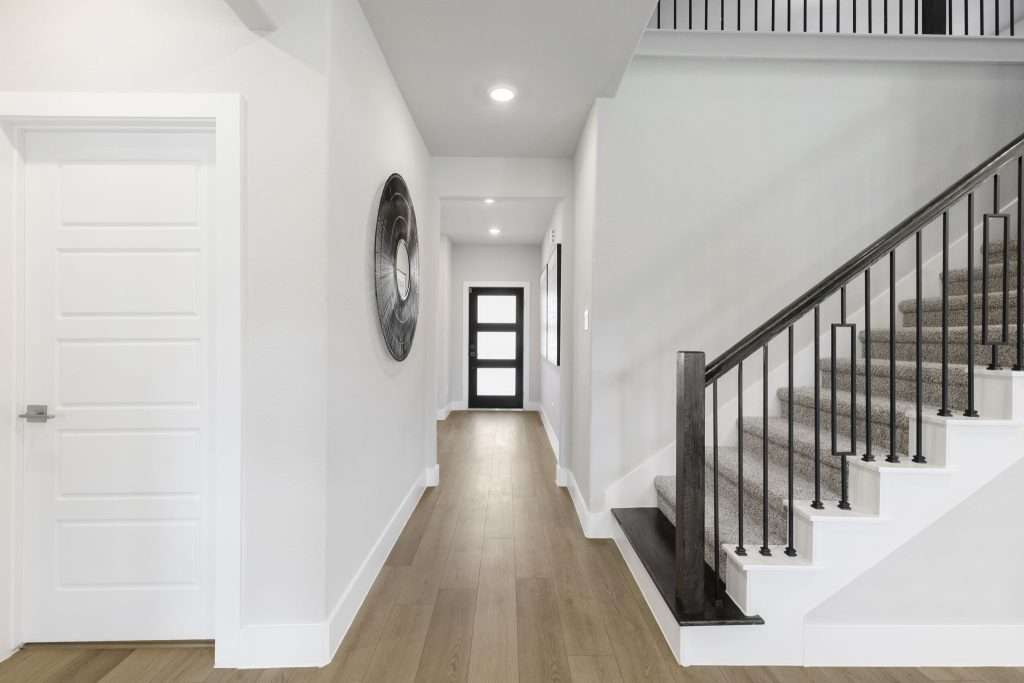
Your interior doors do more than open and close, sugar. They set the whole tone of a room, the same way a good pair of earrings can pull an outfit together. When you pick the right style, the rest of your hardware choices fall right into place.
Let’s go over some common styles and what they bring to your space:
- Shaker and raised panel feel classic and grounded, perfect for hallways or traditional homes.
- Flat panel and flush read clean and modern. These are wonderful when you want the architecture to feel calm and uncluttered.
- French doors spread natural light and create flow between rooms without sacrificing separation.
- Glass or divided lite styles keep things bright and airy. Frosted and textured options offer privacy where you need it.
- Barn doors save floor space and add a little personality.
- Pocket doors shine in tight spaces, like small baths and closets.
Before falling in love with a style, though, think about how the door moves. Whether you go for inswing or outswing will affect both furniture placement and traffic flow.
In most houses, hallways look and feel better with a consistent door width. The width of 32 inches is pretty common, but if you need a wider clear opening for accessibility, a 36-inch door is usually the way to get it, as recommended by ADA guidelines.
If you’re looking for design-forward options and love a sleek, architectural look, you should consider going with frameless or trimless styles that blend right into the wall. Pivot doors bring a touch of modern luxury and work beautifully in larger openings where you want a little drama without going overboard.
The right door style shapes the mood long before you add a handle or finish, so this is the perfect place to start when you want a home that feels thoughtful, polished, and all your own.
If you ever want a little guidance pairing the right door silhouettes with your home’s overall rhythm, Design on a Dime has a knack for matching the small architectural choices to the bigger story your space is trying to tell.
Trim, Casing, and the Architectural Details That Shape a Room
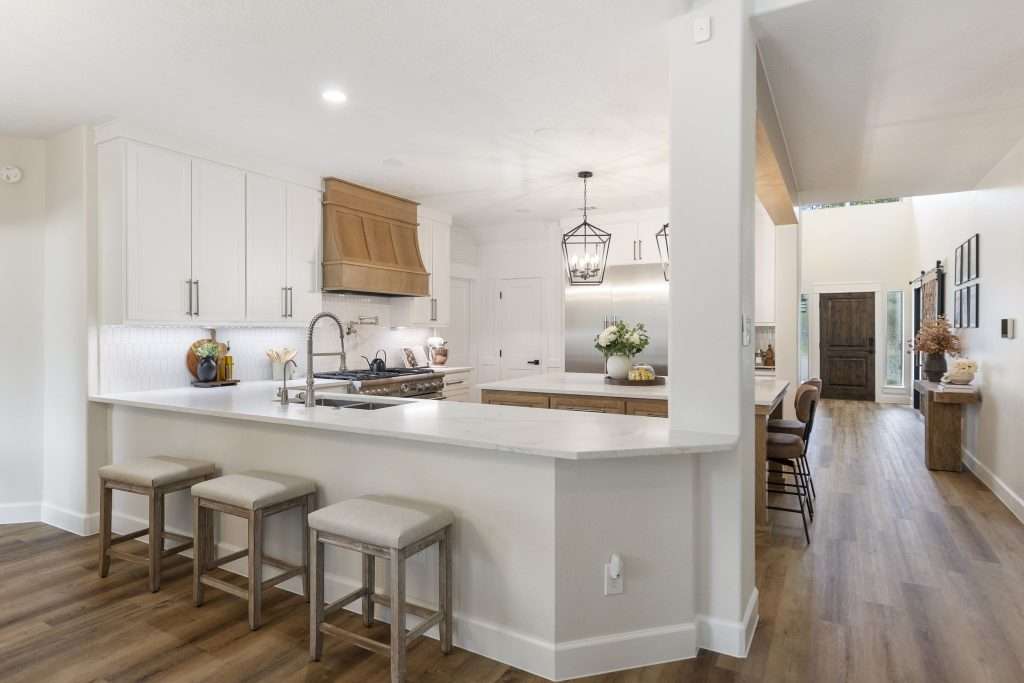
Casing may look simple, but it does two important jobs:
It covers the little gap between your wall and door frame, and it adds just enough architectural presence to make a doorway feel finished. When you choose the right profile and size, even an ordinary opening starts to feel more thoughtful.
And again, you’ve got options, hun:
- Square edge or Eased One Edge gives a clean, modern outline that keeps the focus on the door itself. Plus, it’s easy to wipe down and never feels fussy.
- Craftsman and Colonial styles bring in gentle curves, small beads, or stepped details. They add character without overwhelming the room and work nicely with traditional and transitional interiors, like this Conroe home.
- Moisture-resistant materials like PVC are perfect for steamy bathrooms where humidity is known to cause trouble.
- Paint-grade woods, such as poplar and clear pine, are versatile and help your casing match your baseboards and crown for a coordinated look.
Of course, the size of the trim matters just as much as the profile.
In rooms with 8-foot ceilings, a simple mitered casing keeps everything tidy and balanced. Taller ceilings can handle a slightly wider leg and a butted head with a more noticeable header. The goal?
Choose a width that feels sturdy enough to frame the door without looking bulky or too skinny.
If you lean toward a contemporary style, you might prefer a trimless or frameless doorway. These systems keep the wall and door perfectly flush for a clean, gallery-like look. Invisible casing does require precise installation, hun, but the effect is calm, streamlined, and very modern.
Oh, and one more thing:
Your casing should work hand in hand with the rest of your architectural details. Match or coordinate it with your baseboards, crown molding, and door style, so that every transition feels intentional.
When these pieces speak the same visual language, your space gets that harmony people tend to notice, even if they can’t quite name it.
A small trim update can deliver a big design payoff, and it is one of the easiest ways to give your doors the polished, finished feel they deserve. Design on a Dime’s team will make sure every line, reveal, and profile works in harmony with the rest of your home.
Hardware Deep Dive: Hinges, Handles, Locks, and Finishes
Hardware may be small, but honey, it has a big personality. The right pieces feel good in your hand, hold up over time, and tie your whole home together in quiet, confident ways.
Let’s break down what you really need to know.
Hinges
Hinges do the heavy lifting, honey. They’re in charge of carrying the weight of the door and making sure it swings smoothly for years.
- Standard butt hinges are the everyday workhorses found in most homes.
- Ball bearing hinges offer smoother movement and longer life, especially on solid-core doors.
- Concealed hinges create a clean, modern look. They disappear when the door is closed and work beautifully with flush or trimless styles.
And remember:
Solid-core doors and oversized doors need strong hinges. The same goes for high-traffic rooms, such as kitchens and kids’ spaces; they benefit from durable, well-built hardware, too.
Handles, Levers, and Knobs
If you think about it, the door handle is the piece everyone touches, which means comfort and longevity matter just as much as style.
- Levers are more ergonomic and easier for kids, older adults, or anyone carrying a laundry basket.
- Knobs feel traditional and charming, making them a perfect fit for older homes or cottage-inspired spaces.
- Minimalist pulls or specialty shapes can add personality without overwhelming the door.
Don’t worry, I didn’t forget about locks and privacy.
Bedrooms and bathrooms usually call for simple privacy locks, while home offices might require a keyed option. As for tech-minded households, I recommend smart locks. They’ll blend security with convenience while still coordinating with traditional hardware.
Finishes and Trends
It might not seem like that big of a deal, but hardware finishes can transform the mood of your space in an instant.
Matte black is a popular choice; crisp and graphic, it’s great for adding some contrast. Brass adds warmth and ages beautifully, making it a great addition to natural woods and soft palettes. And oil‑rubbed bronze? It’s a living finish, patina and stories included.
That said, a growing number of homeowners enjoy mixed metals used with intention.
Your hardware does not need to match every metal in the house, darling, but it should feel intentional. You can echo the finish in lighting, plumbing fixtures, and cabinetry hardware, or choose a complementary hue that blends in quietly.
Color and Finish Strategies That Bring Out Your Home’s Best Features
A painted or stained door can shift the whole personality of the room. It’s one of those simple changes that feels small in the moment but makes your house stand a little taller when you step back.
Painting Your Doors
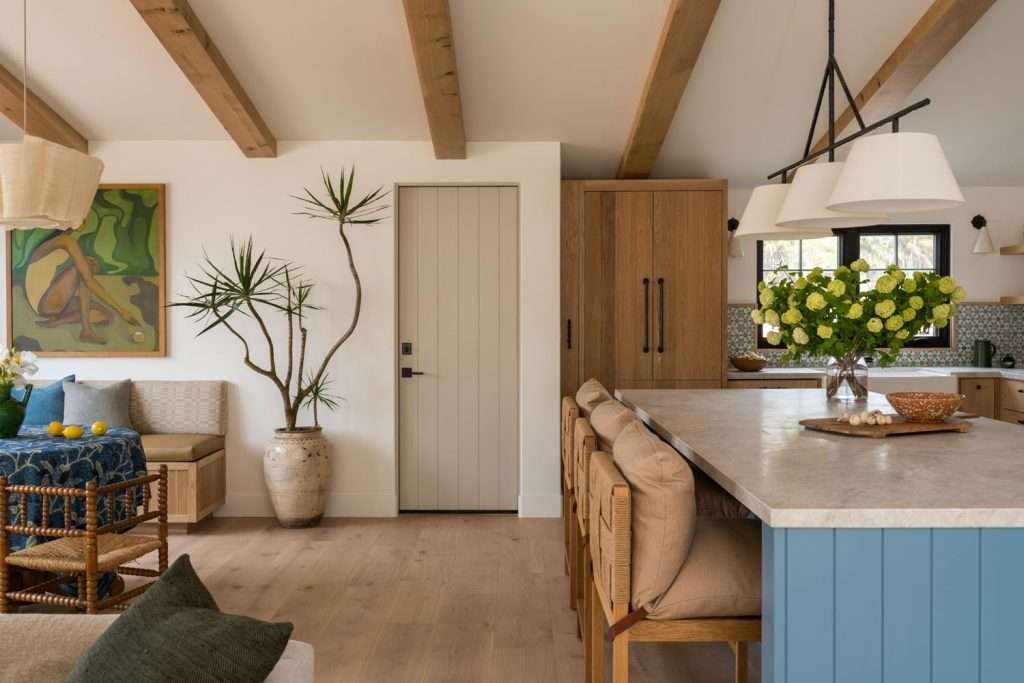
Painting your interior doors the same color as the walls creates a soft, modern look. It smooths out visual breaks and can make your hallway feel calmer and more open.
Choosing a contrasting color, on the other hand, gives you instant architecture. A crisp white door against a warm wall feels classic, while a deep charcoal door in a light room adds presence.
As for accent colors, they’re wonderful in small doses; think powder rooms, home offices, or kids’ spaces where a playful or moody door becomes part of the story.
If you go painted, a matte or satin sheen usually works best indoors:
Matte looks relaxed and upscale without trying too hard. Satin is easier to wipe clean in high-traffic areas and still reads elegant.
Stains and the Beauty of Real Wood
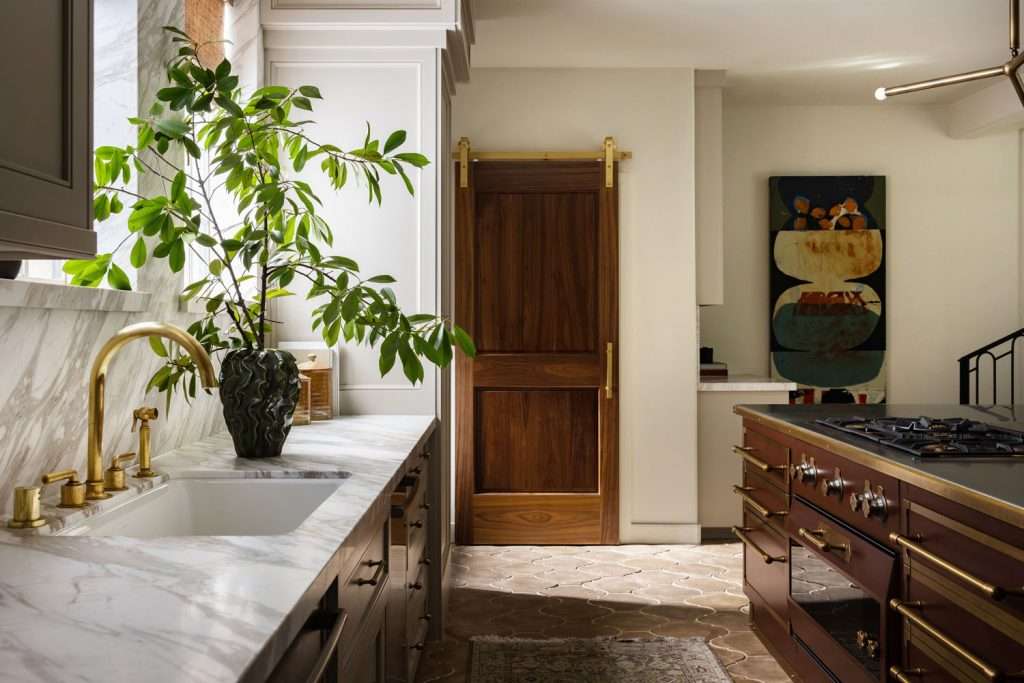
A stained wood door brings warmth that paint simply cannot imitate.
Lighter stains like oat, honey, and natural oak lean airy and Scandinavian. Medium walnut tones feel cozy and timeless. Dark espresso stains give drama without shouting.
When you choose your stain, think about how the tone will play with your hardware.
Warm stains look beautiful with aged brass or bronze. Cool stains, on the other hand, work well with nickel or black.
Creating Cohesion Room-to-Room
I said this already, but:
Your doors do not need to match perfectly, but they do need to belong to the same family.
If your trim is white, for example, a soft gray door can feel intentional and elevated. And if your home leans modern, repeating one core finish throughout the house can create a simple and sophisticated rhythm.
Hardware finish is part of that cohesion. Black hardware looks clean on light or dark doors. Brushed brass adds warmth to greens, blues, and natural wood. Nickel is the peacekeeper, blending easily with both cool and warm palettes.
Think of door color as the outfit and hardware as the earrings that pull everything together.
The secret?
Pick colors that speak to the architecture, and not just the moment. When the color of your doors supports the lighting, trim, and hardware, the whole home feels like it exhaled.
If you ever find yourself juggling color swatches or second-guessing which finish really sings with your trim and hardware, Design on a Dime can help you pull those elements into a palette that feels effortless.
Creating a Cohesive Door Package That Moves Your Whole Home in Harmony
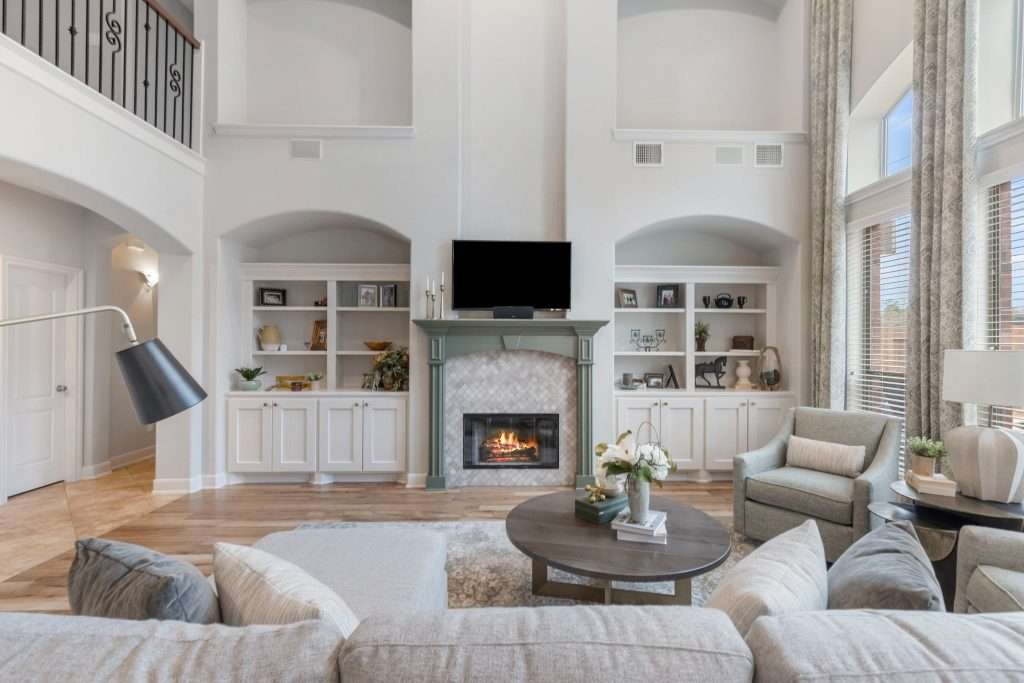
When you treat your doors, trim, and hardware as one thoughtful package instead of choosing them piece by piece, the entire home settles into a gentle rhythm. This prevents you from ending up with five different metals, three door profiles, and a hallway that feels like it was decorated by committee.
It’s how you bring shape, color, and personality together, so every room feels connected without looking copy-pasted.
In shared spaces like the entry, living room, and hallway, consistency builds flow. Matching door profiles or keeping one main hardware finish helps the eyes move naturally from one space to the next. But once you step into private areas, you can introduce subtle changes that still feel related.
Here are a few easy ways to keep things unified while giving each room its own charm:
- Keep one dominant finish in main living areas, then shift to a complementary tone in bathrooms and bedrooms.
- Hold the same door profile throughout the home, and change only the paint or stain where you want warmth or contrast.
- Use slight variations in lever shape or backplate style to give private rooms a bit of personality, without breaking the overall design.
The goal is to protect the big picture while giving each space just enough character.
And that, honey, is where the Design on a Dime team really shines.
We begin with your home’s architecture and the feeling you want to create. From there, we map out all the details, including door profiles, jamb details, trim style, hardware type, and hardware finish.
With everything planned as one package, you are not chasing pieces that almost match. You get a home where every door feels purposeful, welcomes you with a look that is calm, connected, and fully intentional, and supports the rest of your design and the way you live every day.
Quick Tips for Keeping Doors and Hardware Looking Their Best
Beautiful doors and thoughtful hardware are an investment, sugar, and you should treat them as such. On that note, with a little care, they will keep looking good long after the paint dries. Don’t worry, though; most of the work is quick and simple.
The trick is knowing what to use and when to give things a gentle tune-up.
I’ve got a few tips for you:
- Clean With the Finish in Mind
Matte black and other low-sheen finishes prefer a softer approach. A mild soap-and-water mix on a microfiber cloth will keep them smudge-free. Polished brass and chrome enjoy a bit more attention; you might need a non-abrasive metal cleaner to bring back their sparkle, but be sure to always test a tiny spot first. Oh, and avoid anything gritty that could scratch the surface; trust me on this.
- Keep Hinges and Moving Parts Running Smoothly
Every few months, take a second to open each door and listen. Remember, hun, a quiet hinge is a happy hinge. If you do hear squeaks, a little household lubricant in the pin should take care of that. If you see that your door is sagging or rubbing, tighten the hinge screws (using a screwdriver, not a drill, so you don’t strip the threads). These small habits make everyday use feel effortless.
- Know When It Is Time to Refresh or Replace
Sure, hardware is durable, darlin’, but it does wear down. If a lever wiggles, tighten the set screw. If the latch sticks, just replace the latch mechanism; that’s often enough. That said, handles that stay loose even after tightening might need a full replacement. Remember, inspecting hardware once or twice a year keeps surprises to a minimum.
- Think Long Term
Quality hardware costs more up front, but it saves you plenty later. I’m talkin’ certified mechanisms, solid metal parts, and reliable finishes; these can stand up to years of daily use. When the internal components are built well, you’re not hunting for replacements every other season. Your doors feel sturdy, your hardware looks intentional, and your home ages gracefully.
Frequently Asked Questions
How much should I budget for upgrading interior doors and hardware?
Most homeowners spend anywhere from $500 to $2,000 per door for a standard door with new hardware installed. Of course, custom designs, premium materials, or double-door setups can all raise the cost.
Is it cheaper to update the hardware only instead of replacing the whole door?
Yes. As long as the door is structurally sound, swapping only hardware is far more affordable. Replace the entire door only when there are critical issues, such as warping, damage, or poor fit.
What door upgrades make the biggest difference for noise control?
Solid-core doors offer noticeably better sound reduction than hollow-core. Adding proper seals around the frame can improve their noise-control performance even more.
What should I consider when choosing doors for humidity-prone rooms?
When choosing doors for humidity-prone rooms, look for moisture-resistant materials like PVC, composite, or well-sealed wood. Hardware should also be rated for damp conditions to prevent corrosion.
When does it make sense to replace a full hardware set instead of a single part?
You should replace the full hardware set when the finish is wearing off, parts no longer match, or internal mechanisms are failing. When you get a full set, you ensure consistent function and appearance.
Small Choices, Big Impact
A beautiful home never happens by accident, darlin’. It comes from those thoughtful choices that welcome you every single day, and interior doors and hardware are one of the quietest little game-changers you can invest in.
When these pieces feel intentional, your whole home carries itself with a bit more grace.
If you are dreaming about a refresh but unsure where to start, this is exactly the kind of project our team at Design on a Dime loves to tackle. We’ll help you sort through the options, match the right materials to your lifestyle, and build a plan that fits your home from entry to ensuite.
Whenever you’re ready, get in touch and let us help you create a look that feels complete, connected, and unmistakably yours.