
A Quick Home Reset for Busy Families: 10+ Design Rules That Make Your Home Easier to Keep Tidy
Design rules that make your home easier to keep tidy aren’t about being stricter and more organized, ‘cause that was never the reason why your home is messy, sugar. You see, the real reason is your space wasn’t designed for real family life.
So, it’s all about making your space work with you.
If it feels like you’re always cleaning but never quite caught up, your home may be missing a few systems that support your everyday routines.
The good news?
Small shifts in how your home is set up can change how it feels and functions.
When your home starts doing some of that work for you, keeping things tidy gets a whole lot easier. Stick with me, and you’ll see what I mean.
1. Stop the Mess at the Door With Drop Zones
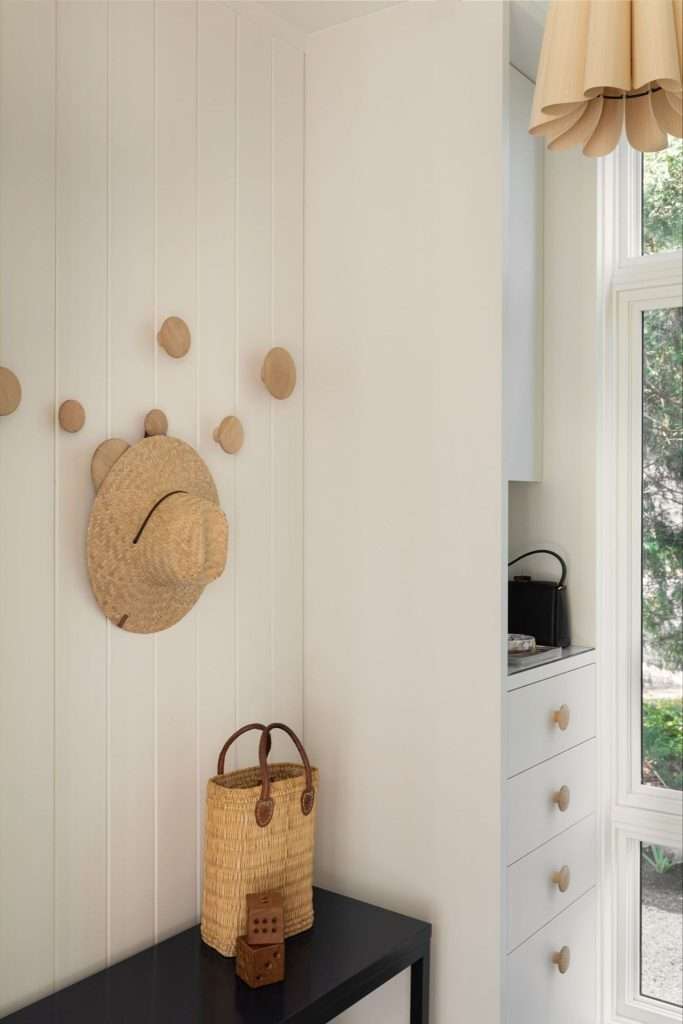
You wanna know the real secret to keeping your home from looking like a tornado hit it every single day?
It all starts right at your front door, where backpacks, muddy shoes, mail, and a million jackets come flying in like they own the place. All of it lands there first and then slowly drifts into every other room.
That’s how you know it’s time for a proper drop zone at your entrance.
Begin with the basics. I’m talking hooks at the right height for every family member, a bench for sitting and removing shoes, and closed storage, like cubbies or cabinets, to keep things out of sight. When everything has a clearly defined spot, things actually get put away without a daily reminder.
Now, before dirt, mud, and mystery gunk colonize your house, you need to think like a gatekeeper.
Add a washable rug or a boot tray to catch dirt before it travels. Choose water-resistant flooring, such as tile or vinyl, that can handle wet shoes and busy mornings.
Don’t stop at the entry, darlin’. Every high-traffic room needs a smaller drop zone wherever clutter tends to land, including your kitchen and living room. Trust me, staying tidy gets a whole lot easier.
If your entryway never quite works, no matter how many hooks or baskets you add, Design on a Dime can help you turn that high-traffic headache into something that runs smoothly without the constant upkeep.
2. Make One-Touch Living the Default
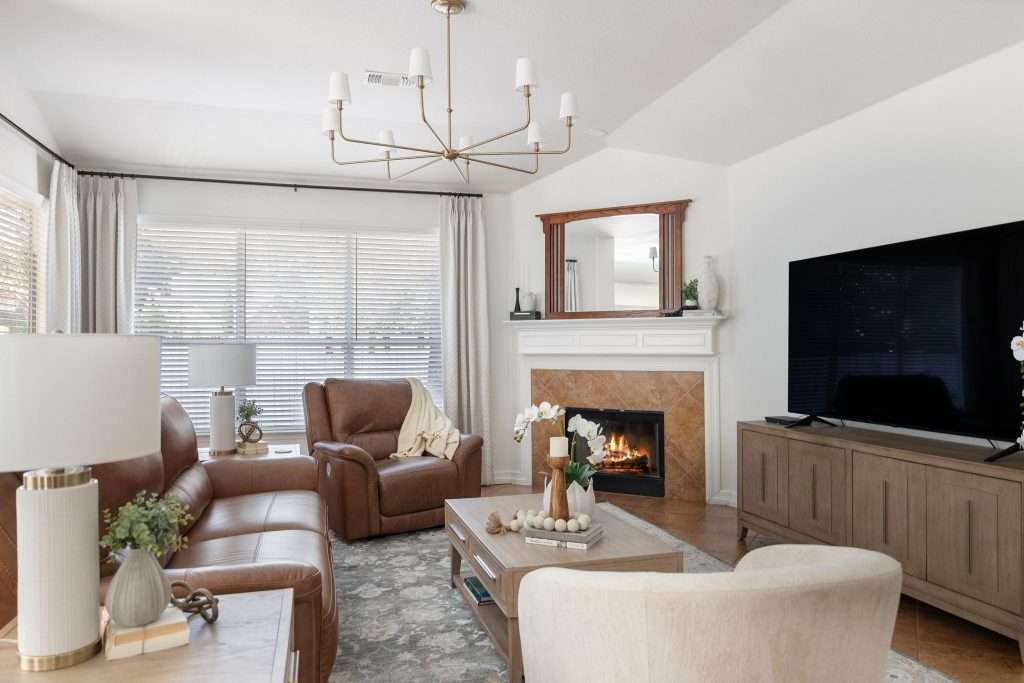
If you feel like you’re constantly picking up the same things over and over, it’s not a discipline problem. It’s a design problem, sugar.
Your home isn’t set up to support one-touch living, which means things get handled two, three, sometimes five, times before they finally land where they belong.
The goal is simple:
Every item should have an easy-to-reach home, so that it can be put away the first time you touch it.
And that starts with placement. Storage needs to live right where the item is used, not across the house or tucked into an overstuffed closet.
Think through your daily routines.
Mail should be sorted near the entry, not carried into the kitchen. Laundry should go straight into a nearby hamper, not a corner pile (yes, I know about it). Dishes should move directly into the dishwasher, not sit in the sink “for later.”
When your layout supports these small decisions, everything changes. Clutter stops building up ‘cause there’s no pause between using something and putting it away. It becomes second nature.
3. Cut Back on Clutter-Catching Surfaces
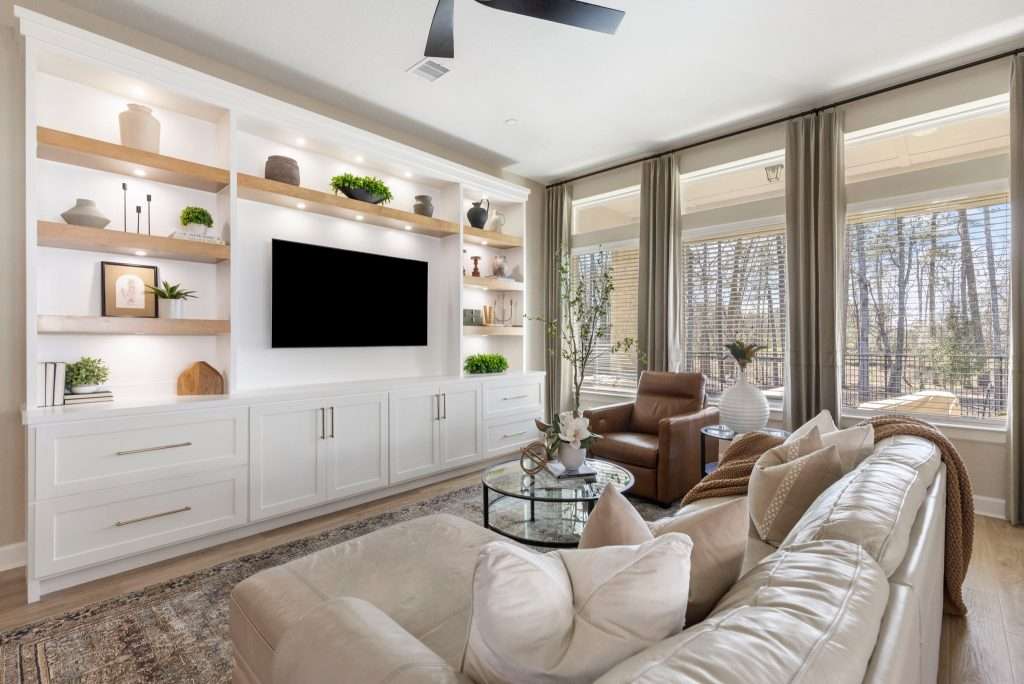
Flat surfaces have a way of inviting clutter in and making it feel right at home. Kitchen countertops, coffee tables, dressers, and even that one chair in the corner all turn into landing spots for things that don’t really belong there.
That’s the thing, sugar:
The more open surface you have, the more clutter and dust your home will collect.
The fix isn’t more bins or prettier baskets. It is reducing how much space is available for things to pile up in the first place. So, clear off anything that isn’t used daily and be honest about what really earns its spot. I’d say that a few well-chosen pieces always look better than a mix of random items that keep shifting around.
Next, give your essentials a defined place. You can use trays for smaller items, drawers to hide everyday clutter, and cabinets to keep surfaces visually calm.
Remember:
Less surface clutter means less to clean.
Your space deserves protection from “occasional-use items” that just sit there gathering grime. And when you do include accessories, choose ceramic, glass, and metal. These wipe down quickly and don’t hold onto dust the same way textured decor can.
4. Use Closed Storage to Keep Everyday Mess Out of Sight

Open storage looks all nice in photos, sure, but in real life? Well, let’s just say it can turn into visual clutter real fast.
When everything is on display, your space never quite feels settled. That’s where closed storage makes all the difference, hun:
It gives your everyday items a place to go without asking them to look pretty all the time.
Just think about the things that tend to pile up. Toys, shoes, sports gear, and extra blankets. These aren’t decorative, but they’re part of daily life. Built-ins with doors, storage benches with lift-up lids, and cabinets that blend into your space help you tuck all of that away in seconds.
Of course, placement matters just as much as the storage. You wanna keep it close by. I’m talkin’ a bench with hidden storage near the entry, cabinets in the living room, and drawers in a play area.
You’re not getting rid of the reality of family life. You’re simply giving it a better place to live.
That’s exactly what we did in our Jennifer Heights Project, too.
The right mix of cabinets and built-ins can make everyday items disappear without making them harder to access. Design on a Dime can help you plan a home that feels calmer without sacrificing function.
5. Take Storage Up the Walls to Free Up Your Floors

If your floors always feel crowded, the issue might not be how much you own, hun. It’s how low everything is stored. When storage stays at ground level, it fills up fast and spills over even faster.
That’s when your home starts to feel tight and harder to manage.
The fix is simple, really:
Start thinking vertically.
Your walls have more storage potential than you might be using right now. Hooks, wall rails, and floating shelves can hold everyday stuff without taking up precious floor space. Bags, jackets, backpacks, or even cleaning tools can all move up and out of the way.
I can’t recommend this enough for busy zones.
Add a simple row of hooks near the entry so things actually get hung up. Use shelving in bedrooms or play areas to keep toys accessible but off the floor. Even narrow wall space can hold more than you think when you use it intentionally.
When you raise storage off the ground, the whole room opens up, hun. Cleaning gets easier, movement feels smoother, and your home starts working with you, not against you.
6. Set Up Your Kitchen for Quick, Easy Cleanup
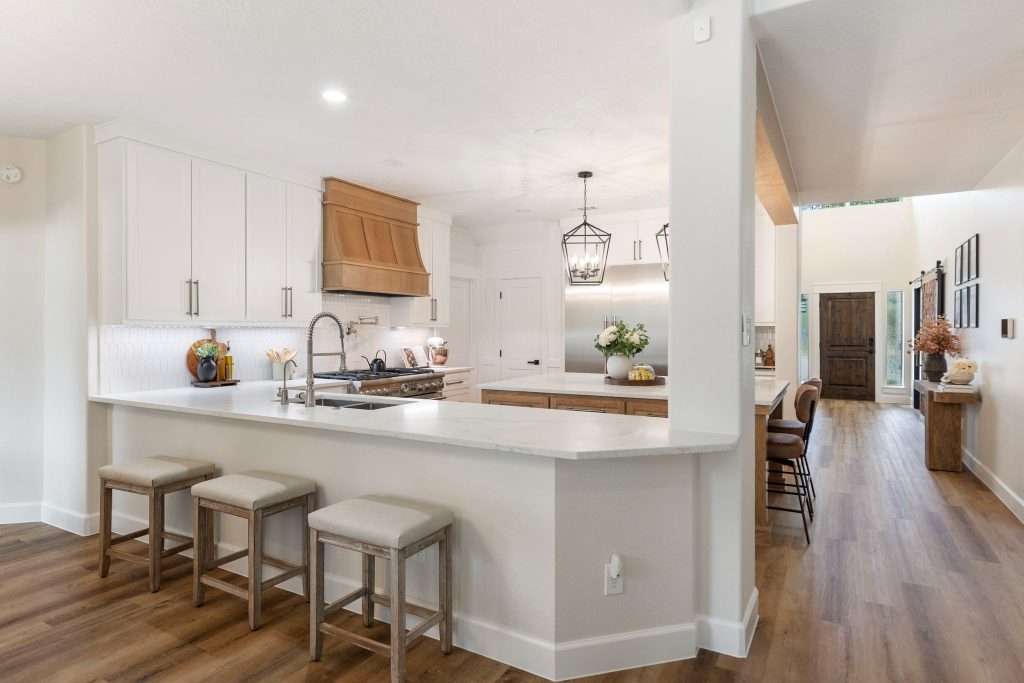
The average family spends 30 minutes every single night cleaning up after dinner, but I’ve got some news for you:
Your kitchen layout might be sabotaging you before you even start.
If cleaning your kitchen feels like it takes forever, it’s not just the mess. It’s the way your space is set up.
My advice?
Focus on creating a tight cleanup zone. The sink, dishwasher, and trash should sit close enough that you can move between them without taking more than a few steps. When those three work together, dishes go from counter to clean in one smooth motion instead of bouncing around the room.
I mean, think about what happens right after meals. Scraps should go straight to the trash, plates into the dishwasher, and anything that needs rinsing should be handled right there at the sink. If you have to walk across the kitchen for any of that, it slows you down every single time.
While you’re at it, pay attention to storage. Keep everyday dishes, utensils, and cleaning supplies within easy reach of this zone. When everything you need is right where you use it, cleanup feels a lot less like a chore at the end of a long day.
This comes down to smart planning behind the scenes. Design on a Dime takes your layout, storage, and daily routines into account, so that everything flows in a way that saves you time without you even thinking about it.
7. Clear Your Countertops for Good With These Bathroom Tweaks
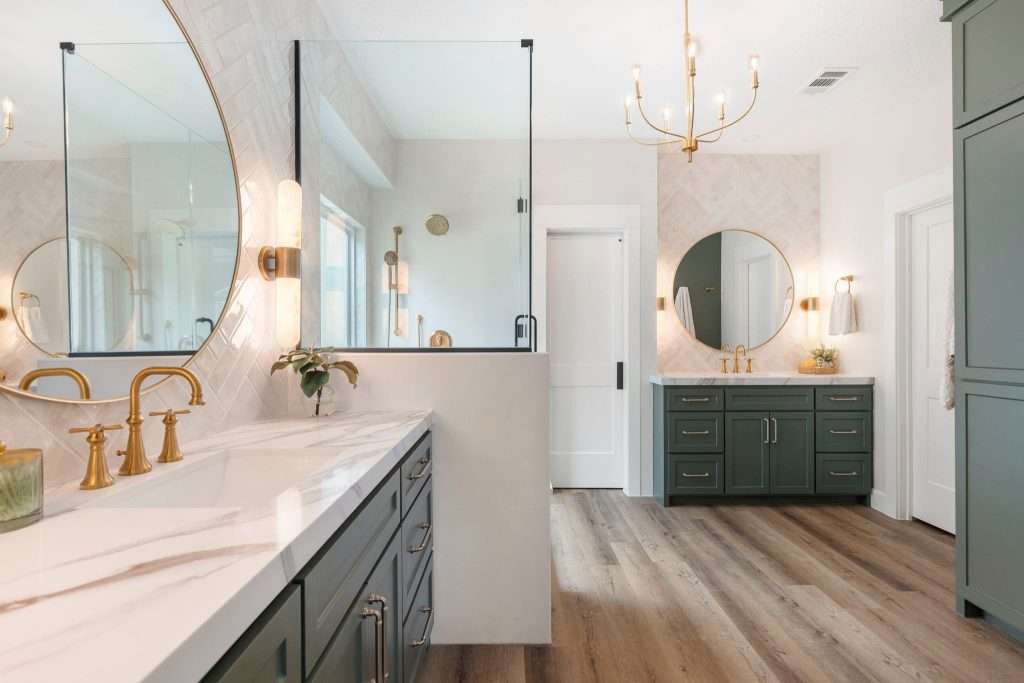
Bathroom counters tend to fill up fast because so many small items get used every single day. I’m talking toothbrushes, skincare, hair products, makeup; it all adds up, baby. When everything lives on the counter, the space starts to feel crowded before your day even begins.
The goal?
Move as much as possible off the surface and into storage that’s still easy to reach to reclaim the precious counter real estate.
Drawers with dividers are a must-have for daily essentials. Just grab what you need and close it right back up without creating a mess. Under-sink cabinets can handle any bulkier items and backups, so that they’re not competing for space up top.
Keep only the essentials out, and even then, give them “boundaries.” A simple tray near the sink can hold soap and a couple of everyday items, so they stay contained instead of spreading.
If your current vanity is lacking, this is where built-in storage really shines. Trust me, when your bathroom supports your routine, your counters stay clear and your mornings feel a whole lot calmer.
8. Choose Finishes That Handle Real Life Without Showing It
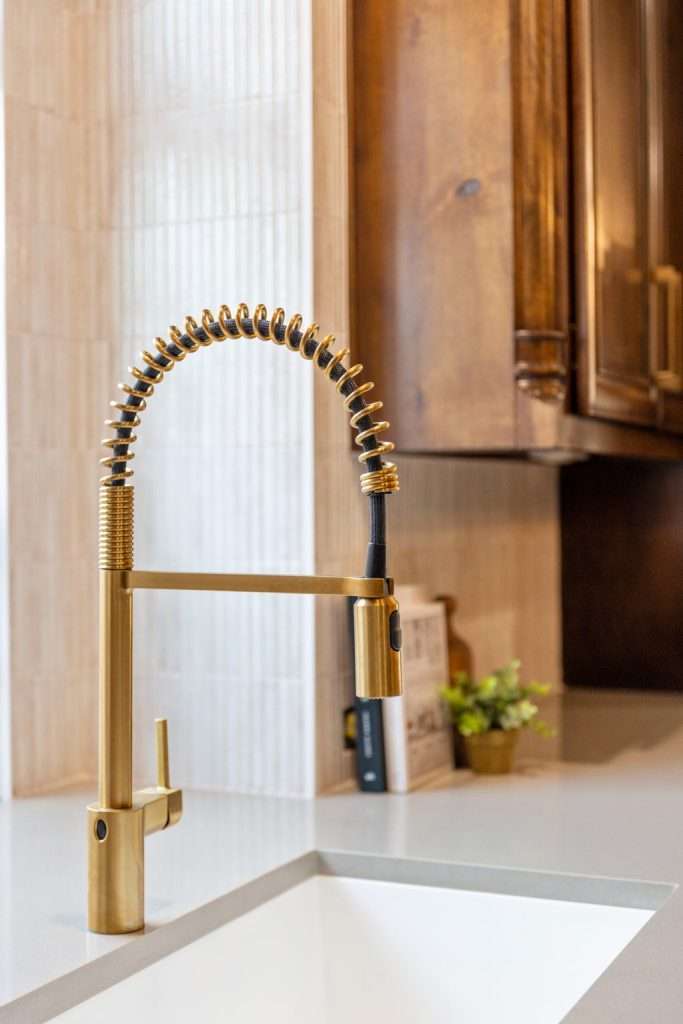
Some homes look spotless, but only when no one is living in them. That’s typically a sign the materials are working against you, ‘cause, baby, the right finishes? They should hold up to daily life, and still look good in between cleanings.
I mean, do you want to spend your whole life scrubbing, wiping, and stressing over every little scuff? Yeah, I didn’t think so.
For starters, avoid anything that’ll show every fingerprint, smudge, and speck of dust. High-gloss surfaces and very dark or very light solids will only highlight the wear and tear. Instead, look for finishes with a bit of variation or texture.
Think matte surfaces, subtle patterns, and mid-tone colors; they do a far better job of disguising everyday use.
Oh, and don’t forget about durability. Non-porous materials, like quartz, are easy to wipe down and resist stains. Textured tile and stone, on the other hand, can help “hide” dirt in busy areas like your entryway and bathroom.
Even something as simple as choosing the right paint finish can make walls easier to maintain.
Think of it like this:
You’re not lowering your standards. You’re choosing finishes that support the way your family actually lives day to day.
9. Arrange Furniture to Support Flow and Stop Clutter Pile-Ups

When the living room looks like an obstacle course where everyone’s tripping over bags, tossing coats on chairs, and leaving shoes in random spots, the problem isn’t your family.
It’s your furniture layout, sweetie.
Yes, you read that right.
You see, layout has a way of shaping behavior. When pathways feel blocked or awkward, people naturally drop things wherever they can and keep moving.
So, start by looking at your natural routes.
Where do people enter, turn, and pass through on a typical day?
You should be able to walk through without weaving around furniture or squeezing past corners. When the path is clear, people are less likely to pause and set things down in random places.
Now, pay attention to where things typically land. That chair covered in clothes or that corner stacked with bags? It’s telling you something. So, either remove that temptation or give it purpose with a nearby basket, cabinet, or designated storage piece.
When your layout supports how your family actually moves through a room, clutter has fewer opportunities to settle in and stay.
Sometimes, clutter is less about what you own and more about how your space is working for you. Design on a Dime can help you open up pathways, reduce those clutter hot spots, and make your space easier to live in.
10. Build Storage That Adapts as Your Family Changes
What works for your home right now might not work a year from now, hun. Think about it:
Kids grow, routines shift, and suddenly, that perfectly organized system starts falling apart. That’s usually a sign your storage is too “fixed.”
Instead, you should be going for something flexible.
The goal is to choose solutions that can adjust as your needs change. Think adjustable shelves that can move up or down, modular closet systems that can be reconfigured, and options that serve more than one purpose over time.
What holds toys today, for example, might need to hold school supplies or sports gear later on.
On that note, it helps to design with access in mind, too.
Lower storage works well for younger kids who are learning to put things away on their own. As they grow, those same areas can shift into something more “structured” without a full redesign.
Built-ins can still be part of this, as long as they’re planned with flexibility in mind. That’s how you avoid the constant reorganizing and keep things manageable through every stage, baby.
11. Do a Simple Spring Reset That Keeps Everything on Track
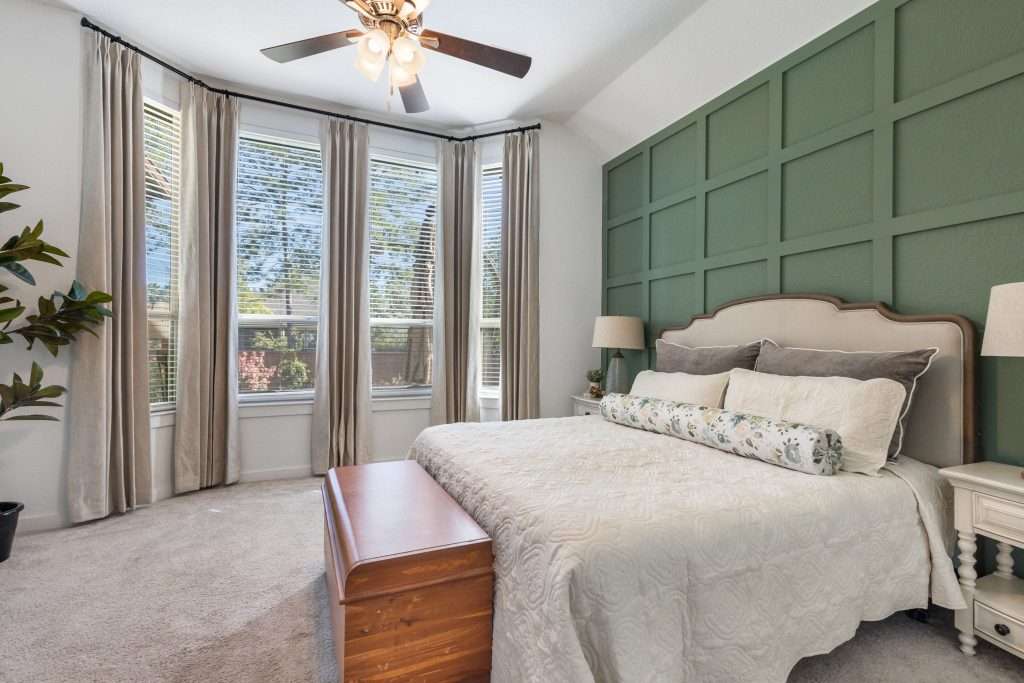
Once your home is set up with the right systems, believe me, keepin’ it tidy is gonna get a whole lot easier. That’s where a quick seasonal reset comes in.
Think of this as a light refresh that helps keep things working the way they should without turning into a full weekend project.
For starters, you can do a quick walkthrough of the main areas. Look for anything that’s started to drift out of place or pile up again. Remember, sugar, you’re not deep cleaning here, just getting things back to their intended homes.
Next, edit what you no longer need. Think outgrown clothes, unused gear, and any other items that tend to sneak back in over time. Cleaning these out creates breathing room, so your systems can keep doing their job.
While you’re at it, and storage areas so they match your current routines. Swap seasonal items, reset baskets, and make sure everything is still easy to reach and use.
Finally, do a quick surface reset:
Clear, wipe, and simplify.
Do this every season, and your home stays manageable without ever feeling like it got away from you.
Frequently Asked Questions
Can good design really reduce how often I have to clean?
Yes, it can. When your home is set up with the right layout, storage, and materials, mess has fewer places to land and spread. And that means less daily upkeep and fewer long cleaning sessions.
What is the best place to start if my home feels overwhelming?
The best place to start would be your entry or main drop zone. It is usually the source of most daily clutter, and fixing it first can create a sort of “ripple effect” throughout the rest of your home.
Do I need custom storage to make this work?
No, you don’t always need custom storage. I’d say many houses can improve a lot with better placement and a few well-chosen pieces. Custom solutions help when your layout needs something more tailored or long-term.
How often should I reset or reorganize these systems?
A light reset every season is usually enough. This keeps things aligned with your current routines without letting clutter slowly build back up.
What if I don’t have a mudroom or large entryway?
You can still create a small drop zone, even if you don’t have a mudroom. A few hooks, a narrow bench, or even a wall-mounted organizer can do the job in a tight space.
A Home That Finally Works With You
You’ve got the design rules, you’ve got the strategies, and now you’ve got a choice to make:
You could keep battling that same clutter every single day, or you could redesign your home to really work for your family’s life.
If you’re beginning to see where your space could work a little better, you’re already on the right track. And sometimes, all it takes is a clear plan to bring it all together in a way that feels natural and lasting.
That’s exactly where Design on a Dime comes in. With the right guidance, your home can become a place that feels easier to live in every single day.
Time to make your move, darlin’. Reach out to our team to get started.