
Why Personal Style Gets Lost During Renovations (and How to Hold Onto What Matters)
Have you ever wondered why personal style gets lost during renovations?
It’s something virtually no one warns you about until you are standing in a showroom, tired, overwhelmed, and suddenly nodding along to choices that don’t feel like you at all.
What starts as an exciting vision can quietly turn into a string of safe decisions made under pressure.
Timelines tighten. Budgets loom. Everyone has an opinion. And little by little, your home starts looking less like yours and more like something you’ve seen before.
If you’ve ever looked at a finished space and thought, “This is nice, but it’s not me,” you’re not alone. Keep reading, darlin’, because there’s a reason this happens, and it’s not that you lack taste.
Why Your Style Disappears During Renovations
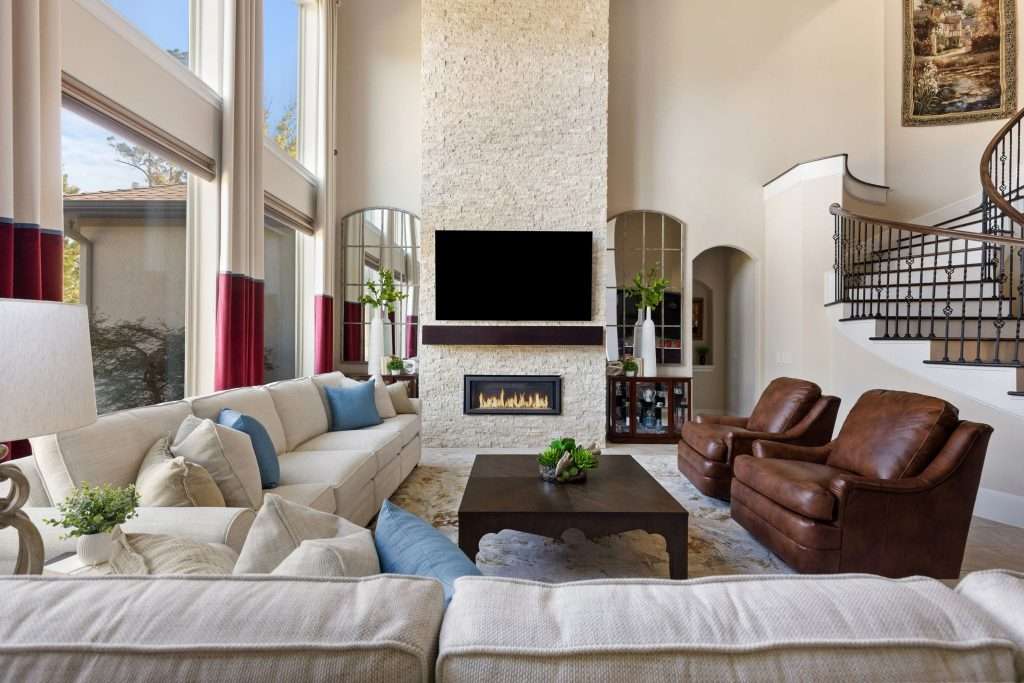
Renovations have a funny way of changing the conversation, honey.
What starts as excitement and inspiration turns into logistics, timelines, and a whole lot of mental juggling. Somewhere between the first demo day and the 15th decision you never expected to make, your personal style stops being the star of the show.
It turns into a negotiation table instead of a mood board.
That doesn’t mean you lost your taste, baby. It means the process quietly shifted what you were allowed to care about.
When Renovation Stress Turns Vision Into Survival Mode
Once construction begins, your brain goes into “protection mode.”
Deadlines are real. Budgets feel tighter by the week. Every decision seems urgent, even when it probably isn’t. Instead of dreaming about how you want your home to feel, you’re focused on keeping the project moving and avoiding mistakes that could cost time or money.
And when you’re under that kind of pressure, hun, creativity can feel risky.
Comfort starts to look like speed. Familiar choices feel safer than personal ones.
It’s not that you stopped loving colors or texture or character. You were simply tired, and tired people make conservative decisions.
That’s how it happens, sweetheart. Bold ideas slowly get replaced with options that feel neutral and easier to approve.
The Renovation Process Favors Efficiency Over Individuality
The renovation industry is built to move projects forward, not to pause for reflection.
Showrooms are organized around standard packages. Contractors rely on selections they know will install smoothly. Systems are designed to reduce variables, not explore personal nuance.
But while efficiency keeps projects on track, it also narrows your field of choice.
When these decisions are presented quickly and without context, personal style doesn’t always have room to speak up. The process rewards what’s proven, familiar, and repeatable.
Over time, those small moments add up.
The space still looks good. It still functions well. It just doesn’t feel quite like you. And that disconnect often starts long before the final reveal.
Having a remodeling team that understands both design and real-life pressure can change the experience for you. At Design on a Dime, we help keep the original vision visible even when the process starts getting loud and complicated.
How Decision Fatigue Derails Your Design Choices
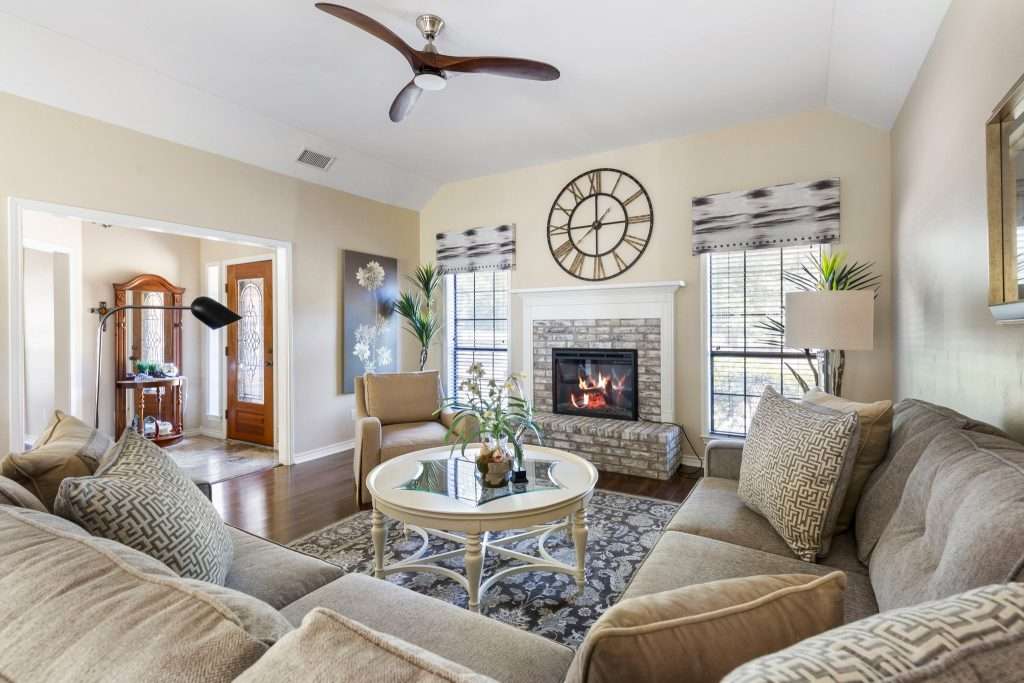
Ever notice how picking a paint color feels fun at first, then, suddenly, you’d rather alphabetize your spice rack than look at one more beige swatch?
That shift isn’t laziness or lack of interest, sweetheart. That, my friend, is decision fatigue hijacking your renovation.
Researchers estimate you make about 35,000 decisions per day, so by the time you face grout, hardware, and flooring, your brain is cooked, hun.
Too Many Choices Wear Your Brain Down
You know this better than anyone, hun, but renovations demand an unusual number of decisions, layered on top of everything else your daily life includes. Paint colors, tile shapes, lighting temperatures, hardware finishes, flooring options… the list goes on.
Each one seems small on its own, but together?
They ask your brain to stay alert, discerning, and confident for weeks at a time.
Psychologically, that kind of volume takes a toll. As mental energy drops, so does your ability to evaluate nuance. Instead of asking what feels right for your home, your brain starts asking what will be the fastest to decide.
That’s when creativity gives way to relief.
You’re not choosing with intention anymore, honey. You’re choosing to be done.
“Safe” Choices Start Feeling So Appealing
As decision fatigue sets in, people naturally default to options that feel familiar and low risk. Think neutral colors, common finishes, and looks you’ve seen before and know won’t raise any eyebrows.
These choices feel calming because they require less mental effort to approve.
I’m not sayin’ that safe choices are bad. That’s not the problem here. It’s that they quietly replace personal ones. And over time, those small moments of surrender stack up.
The bold idea gets softened. The meaningful detail gets postponed. Your space still looks fine, but it stops reflecting you.
By the end of the day, most folks reach a point where they just want something checked off the list. You’re saying, “Whatever, just pick something,” instead of protecting your style. There goes that personal vision you started with, not ‘cause it stopped mattering, but because exhaustion got the final vote.
Decision fatigue doesn’t erase your taste. It simply makes it harder to hear your own voice when it matters most.
When every choice feels heavy, having someone narrow the options makes all the difference. Design on a Dime’s remodeling approach is built to reduce overwhelm. Your decisions stay connected to your style, not your exhaustion.
How Standard Contractor Choices Override Your Style
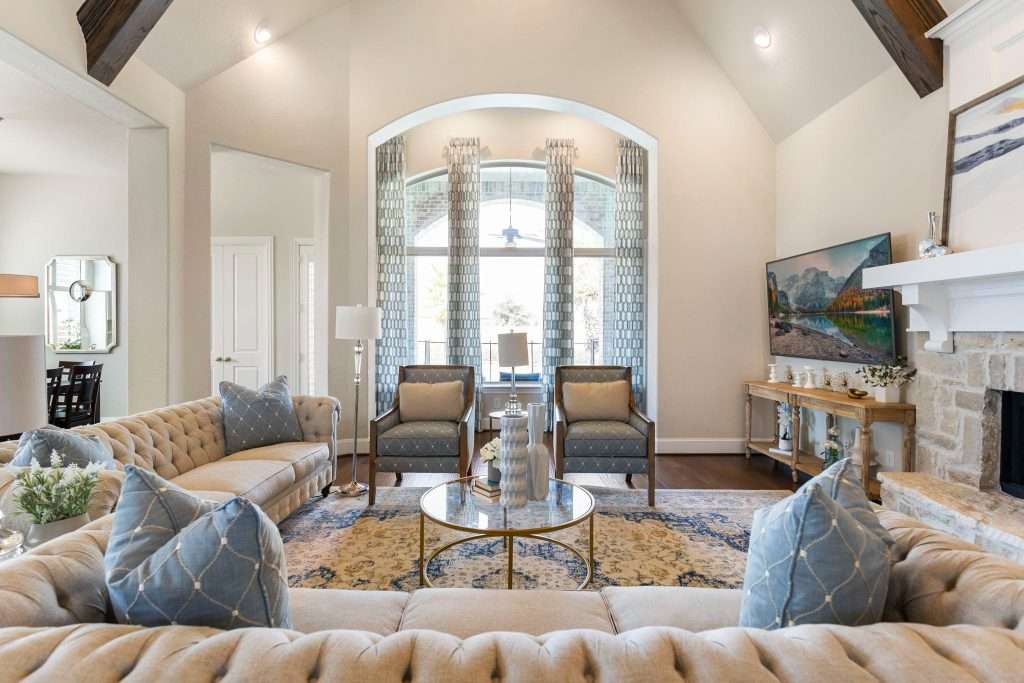
Most contractors aren’t trying to erase your personal style, sugar. They’re trying to keep a project moving. And that distinction matters, ‘cause the systems they work within naturally favor speed, predictability, and fewer surprises.
That’s where personal style often starts to slip.
Standard Options Become the Path of Least Resistance
Across the industry, renovation work increasingly follows design-build models and preset specifications.
Larger, more complex projects typically rely on standardized selections ‘cause they reduce delays, simplify ordering, and reduce the risk of mistakes. Over time, those same “safe” packages tend to trickle down into everyday remodels and start defining what looks normal.
When you’re presented with a limited menu of finishes, layouts, and materials, the conversation shifts. So, instead of asking what reflects your taste, the question becomes which options are easiest to approve and install.
The framework itself narrows the creative field.
Professional Confidence Can Override Personal Preference
Contractors work with what they know performs well. When something has been installed dozens of times without issues, it carries authority. And I know that confidence can be reassuring, honey, especially during a stressful renovation.
But it can also make you second-guess your own instincts.
The thing is, these suggestions often sound practical and reasonable.
This one installs faster. That one avoids callbacks. Another choice is what most people do. But over time, those recommendations pile up, and pushing back starts to feel uncomfortable or unnecessary.
The result is rarely a bad outcome. The space functions. It looks polished. It just leans generic. Not ‘cause you lacked vision, but because the process rewarded efficiency over individuality.
Standard choices aren’t the enemy here. But without someone actively protecting your vision, they have a way of quietly taking the lead.
Other Forces That Pull You Away From Your Style
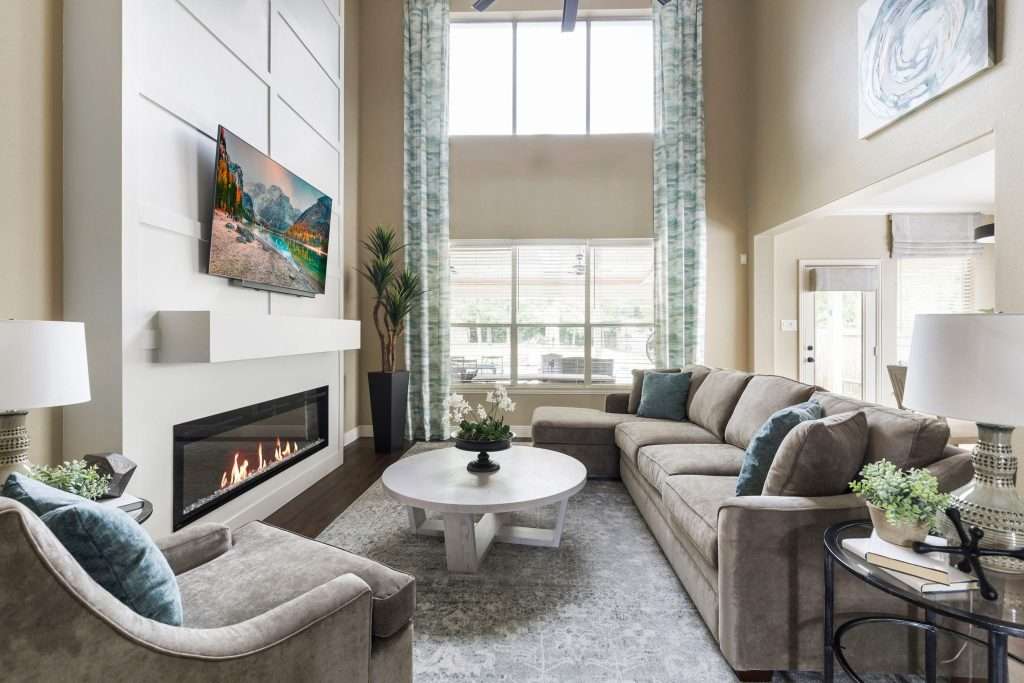
Even when you know what you love and feel confident about your vision, certain “outside forces” still have a way of sneaking in and steering the ship.
The thing is, these pressures tend to sound reasonable in the moment, which is why they’re so effective at dulling personal style.
When Trends Get Louder Than Your Own Taste
Social media has a way of making everything feel urgent.
One minute you love your idea, the next you’re wondering if it already looks dated. Trends move fast, and when you’re constantly exposed to them, it could make timeless choices feel risky and trend-forward ones feel safer than they actually are.
The problem isn’t inspiration. It’s comparisons.
When every scroll shows you a new “must-have,” your own preferences start to feel less certain.
Style becomes about keeping up instead of feeling at home, and that shift quietly changes the choices you make.
Why Budget Cuts Usually Hit Personality First
When renovation costs start climbing, the first things to go are usually the details that feel emotional rather than essential. Custom touches, layered finishes, and unique materials get labeled as extras, even though they’re what make a space feel personal.
In simple terms:
Function stays protected. Personality gets negotiated.
Over time, those compromises add up, and your space loses the very elements that would’ve made it feel like you.
How Too Many Voices Can Drown Out One Vision
Renovations rarely happen in a vacuum, sugar.
Partners, family members, friends, and professionals all bring their opinions to the table. Most mean well, sure, but each added voice introduces hesitation.
When everyone weighs in, clarity fades. Decisions become about keeping the peace instead of honoring the vision. Eventually, the loudest or most confident opinion wins, and personal style takes a back seat to consensus.
None of these forces feels dramatic on its own. But together, they can slowly pull you far from where you started.
Between trends, budgets, and well-meaning opinions, it helps to have a steady guide in your corner. The Design on a Dime team works as that filter, helping clients stay grounded in what actually matters to them throughout a remodel.
Practical Ways to Protect Your Style During a Remodel
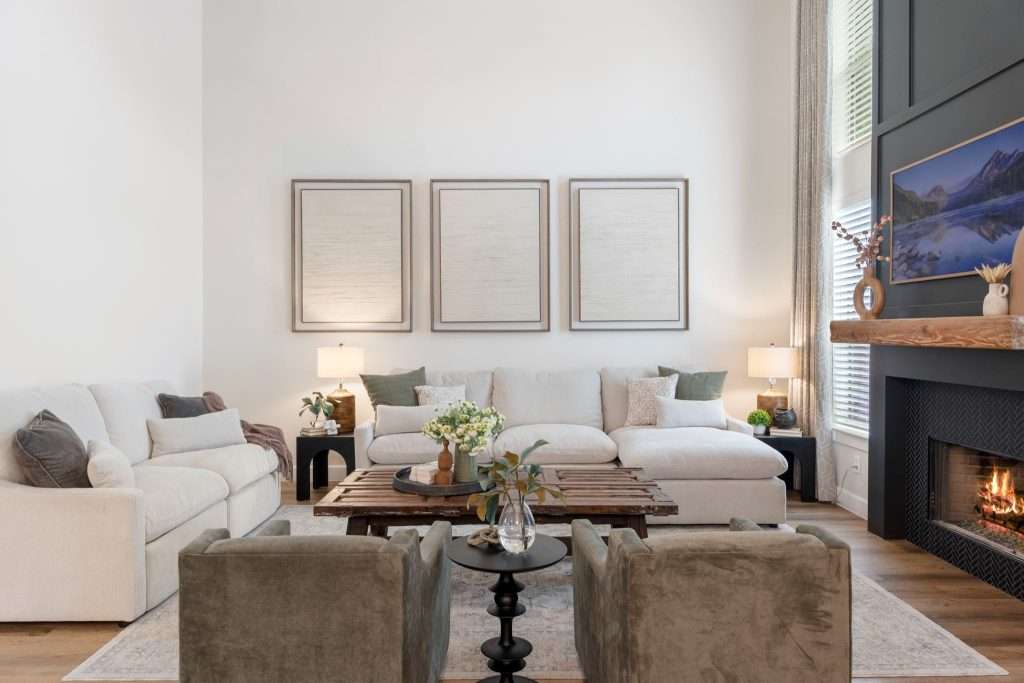
Contractors might love their preset packages, but you don’t have to sacrifice your personality just to keep the project moving.
It’s less about fighting the process and more about giving yourself a few steady anchors before things get loud and busy.
Here’s what usually helps protect your style during a remodel.
Get Clear on Your Style Before Demolition Begins
Clarity early on saves you later, hun. Before the walls come down and samples start piling up, take time to define your style in plain language.
Not a paragraph. One sentence.
Think about how you want the space to feel when you walk in at the end of a long day.
Look for patterns in what you already love:
Clothes you reach for often. Artwork that’s stayed with you for years. Colors that show up again and again.
Those clues tend to be more reliable than any trend cycle, and they’ll give your renovation a clear point of reference when decisions start stacking up.
Set Design Guardrails That Make Decisions Easier
Renovations move fast, sugar, and too many open-ended choices can wear anyone down. Guardrails help narrow the field without boxing you in.
I’m thinkin’ a defined color family, a short list of materials, and a few nonnegotiable design elements; these can do a lot of heavy lifting.
That way, when key decisions do come up, you’re no longer starting from scratch. You’re checking options against a framework you already trust. Trust me, that makes it easier to say “yes” with confidence and “no” without guilt.
Focus on Fewer Pieces That Carry Real Personality
Now, sugar, not every surface needs to speak. Trying to make everything special often leads to overwhelm and watered-down choices.
Instead, choose a handful of elements that truly reflect you and let them shine. That’s the approach we followed with our Renee Project, too.
It can be a bold light fixture, a favorite tile pattern, or a piece of art that sets the tone for the room. You get the idea.
When those personal elements are intentional, the rest of the space can stay calm and supportive without feeling boring.
Spend Where Style Makes the Biggest Impact
Budgets matter, but where you spend matters more.
Some choices quietly shape the entire room; others barely register once the space is lived in. Investing in the elements you see and touch every day usually pays off far more than spreading money thin across everything.
When spending aligns with what you really value, your home feels considered and personal, not overdone or unfinished. And that balance is what helps your style hold steady long after the dust settles.
You see, honey, protecting your style isn’t about perfection. It’s about staying connected to what feels like you, even when the renovation process tries to rush you along.
Putting these ideas into practice is easier when someone’s there to turn them into real renovation choices. Design on a Dime’s remodeling services are designed to support that balance, keeping your home feeling personal but still practical and well-managed.
Frequently Asked Questions
How do I balance personal style with resale value during renovations?
You should focus personal expression on elements that can be updated easily, like lights, paint, hardware, and decor. As for all the major fixed features, you should keep them classic, so future buyers see flexibility, not limits.
What if my partner and I have very different design tastes?
If you have very different design tastes, start by identifying shared priorities, then give each person one or two clear nonnegotiables. Remember, hun, design works best when compromise is intentional, not forced at every decision.
How do I know when a trend is worth using and when to skip it?
Trends work best when they support your lifestyle or taste, not replace it. If you love it even without social media validation, it’s more likely to last. Otherwise, it’s probably best to skip it.
What design choices usually cause the most regret after renovations?
Homeowners often regret rushing visible design choices, like paint, tile, and lighting. These choices shape how a space feels every day and, as such, deserve extra thought during a renovation.
How do I keep my style consistent when renovating in phases over the years?
Phased renovations can still work when there is a clear long-term plan. Create a master mood board, lock a 3–5 color palette, repeat floors, trim, and metals, and always reference that plan throughout the process.
Keeping Your Home Yours, Even Through the Messy Middle
Renovations are noisy, emotional, and full of moments where it seems easier to let someone else decide. But your home isn’t a checklist item, hun. It’s where your life shows up every day, and that deserves care and intention.
So, here’s the deal:
You don’t remodel your home just to end up living in a beige shrug.
You get to steer this ship.
And if you ever find yourself needing a steady voice in the middle of all those decisions, Design on a Dime Interiors is here to help guide the process, all while keeping your style front and center. Sometimes having the right partner makes the difference between a renovation you survived and one you actually loved living in.
Get in touch with our team today.