
Design Fatigue Is Real: Why Some Homes Feel Draining
Are you wondering why some homes feel draining?
Well, for one, you’re not imagining it, and it’s not just about you being tired.
Some spaces quietly wear you down the moment you walk through the door, even if they look fine on the surface.
When your home asks your brain to process too much at once, your nervous system never gets a chance to settle. Instead of feeling like a place to land, it starts feelin’ like another thing you have to manage.
If you’ve ever wondered why you feel tense, unfocused, or exhausted at home for no clear reason, there’s usually a design story underneath it. The good news?
With a few smart tweaks, you can turn energy-sucking chaos into calm. Stick around to learn how!
What Design Fatigue Really Is (and Why It Matters)

Design fatigue happens when your home asks too much of your brain and your senses, day after day.
It’s not about bad taste or messy habits, though. It’s about sensory overload.
Too many colors competing for attention, too many patterns talking at once, too many things needing to be noticed. Your eyes never get to rest, and neither does your mind.
Over time, that constant stimulation turns into quiet exhaustion, sugar. You might feel on edge, unfocused, or oddly irritated at home, without realizing why. That’s your nervous system trying to cope with the space that never lets it settle.
Chronic stress is linked to a higher risk of anxiety and depression, so that messy coffee table is not just “a phase,” babe.
There’s also a “thinking side” to design fatigue.
When every corner of your house presents choices, your brain stays in decision mode. You’re stuck in that what to move, what to store, what to fix loop. Even small, repeated decisions add up. So, by the end of the day, the space feels less like a refuge and more like another job waiting for you.
That’s why design fatigue matters. Your home doesn’t just hold your stuff. It shapes how rested, clear, and supported you feel every single day.
Even understanding what design fatigue is can feel like a revelation, hun. If your home is asking too much of you every day, Design on a Dime can help you spot those hidden stress points and recommend ways to ease them, so your space actually supports your energy.
How Interior Design Shapes Your Mood and Energy
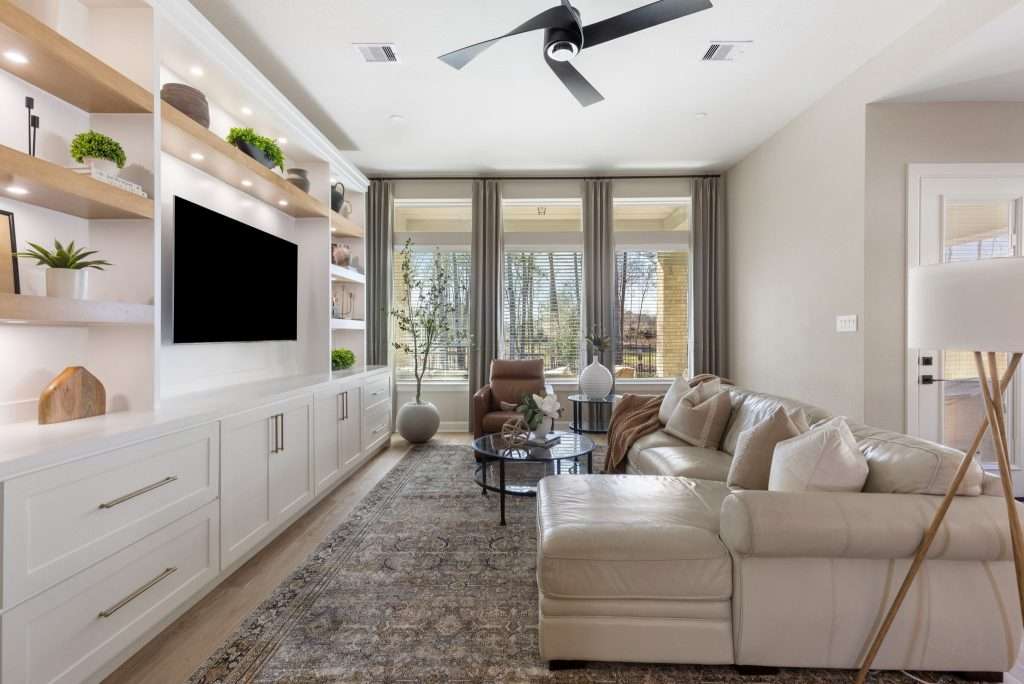
Your home isn’t just something you look at, darling. It’s something your body and brain respond to all day long.
Every color, surface, and object sends signals, whether you notice them or not. When those signals stack up the wrong way, they end up pulling energy from you instead of giving it back.
But before we talk about “fixes” and changes, it helps to understand what is actually happening behind the scenes here. Once you see how some design choices can affect your nervous system and attention, those drained-at-home feelings stop feeling so mysterious.
Visual Overload and the Mental Weight of Clutter
When a room is full of visual noise, your brain never gets to relax. It keeps scanning, sorting, and reacting, even when you’re trying to sit down and rest.
That pile of mail, the crowded shelves, the mix of bold patterns and busy contrasts? They’re all asking for attention at the same time, hun.
That’s the thing:
Clutter isn’t neutral.
Every visible item registers as something unfinished. Your brain treats it like a silent to-do list, whether you agree with it or not. Over time, that constant background processing eats away at focus and patience.
You may even notice yourself feeling snappy, distracted, or oddly restless in spaces that are meant to feel comfortable.
Strong contrasts and layered patterns add to the strain. They keep your eyes moving and your mind alert, which is great in short bursts, sure, but it gets pretty exhausting if it never stops. Instead of feeling settled, your body stays slightly on edge, like it’s waiting for the next thing to deal with.
That’s how visual overload turns into mental exhaustion. Not all at once, but steadily.
When people say their home feels draining, that’s often the reason.
Their space is asking too much of their brain, and it never clocks out.
Layout, Movement, and the Hidden Energy Cost of Your Floor Plan
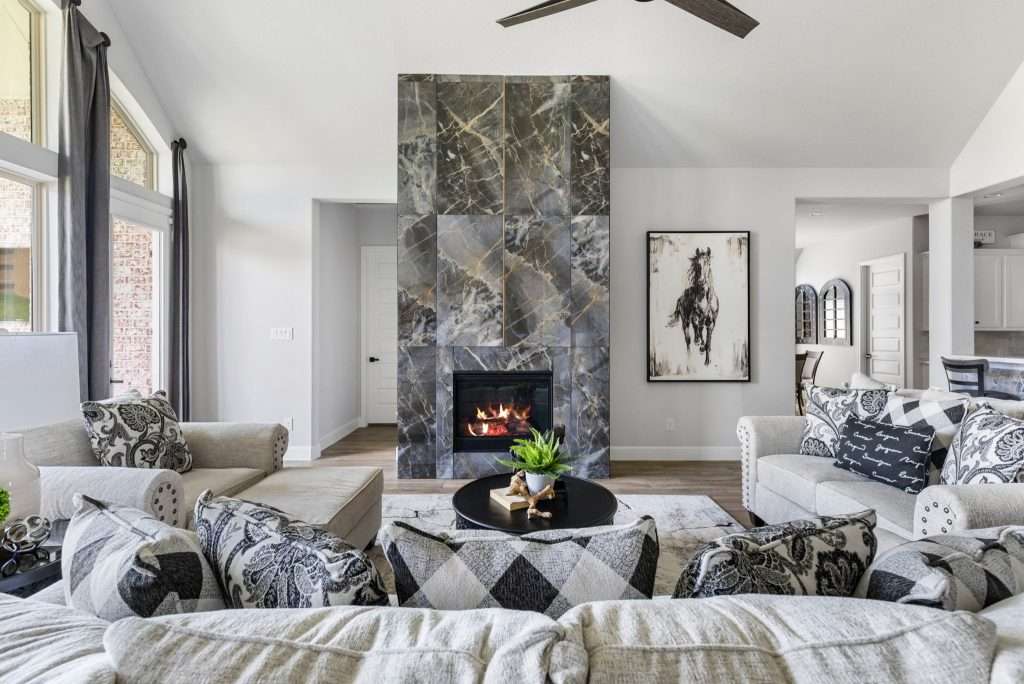
Your eyes are not the only thing working hard at home. Your body is putting in hours, too. Every time you squeeze past the furniture, zigzag around piles, or walk the long way just to grab something simple, your energy quietly leaks away.
When your layout fights you, your body notices before your mind does. Tight walkways, awkward furniture placement, and blocked paths force you to slow down, adjust, and stay alert.
And trust me, that constant low-level effort adds up. It’s no wonder you feel worn out by the end of the day.
What I’m sayin’ is, flow matters more than most folks realize. Our Renee Project is proof of that. Spaces that are easy to move through help your nervous system relax. But spaces that require dodging, stopping, and rerouting?
They keep your body in problem-solving mode.
And even small frustrations, repeated all day long, take a toll.
At first glance, that open, breezy layout can feel like a design dream, but give it a few months, and it starts acting like a stage-five energy vampire. Yeah, you read that right.
Without clear zones, your brain never fully settles.
As you agonize over where to put furniture, how to divide up zones, and whether the space actually works, that endless indecision about the layout drains your mental energy.
Poor layout choices keep piling on. I’m talkin’ bedrooms placed near busy areas and dark spaces with little to no natural light that confuse your internal clock. It all adds up, honey.
That’s why layout is never just about style and square footage. It shapes how your body moves, rests, and recovers inside your home.
Lighting, Color, and the Science of Feeling Rested
If you ever feel wired at night but dragging all day, lighting is usually part of the story.
You see, honey, your body runs on an internal clock, and light is what sets it. When the home sends mixed signals, your energy pays the price.
Bright, cool light tells your brain it’s time to be alert. That’s great in the morning and in spaces where focus matters. The problem starts when that same light sticks around too long.
Evening exposure to harsh or blue-leaning lights can delay melatonin, making it harder to wind down even when your body is tired.
You end up feeling exhausted, but not quite able to relax.
When it follows a natural rhythm, you’ll know you’ve got a well-lit home. Think brighter, cooler light during the day and softer, warmer light in the evening.
Color plays a similar role, just a little quieter.
Think of it as background music for your nervous system.
Blues and greens tend to lower heart rate and reduce visual fatigue, which is why they feel so soothing in bedrooms and living spaces. Too much bold or high-energy color, especially on larger surfaces, can keep your brain alert when it should be resting.
I wouldn’t say that warm colors are the enemy, but they work best in small doses. A touch of warmth can add life and comfort without overwhelming the room.
Remember:
This isn’t about perfect bulbs or trendy paint shades. It’s about creating an environment that supports your natural rhythm, so rest no longer feels like a fight at the end of the day.
Texture, Sound, and the Sensory Details That Set the Tone
Now, this is the layer of design people feel before they ever put words to it. Your senses run the show, and when they’re overloaded, you’re wiped out by breakfast.
What I’m sayin’ is, texture, sound, and scent all shape how safe and settled a space feels, often more than color and furniture ever could.
Uncontrolled noise and echoey rooms drain you fast. When sound bounces around with nowhere to land, your nervous system stays tuned in, waiting. The solution?
Soft surfaces that can absorb that noise and signal “calm.”
Think rugs underfoot, upholstered pieces, and natural fabrics, such as linen or cotton; these tell your body it can finally ease up.
Texture works the same way. Smooth, cold surfaces everywhere can feel stark and tiring over time. Mixing in warmer, tactile materials brings balance and comfort. It gives your senses something grounding instead of stimulating.
Scent plays a role here, too. I mean, who needs strong or lingering odors when they’re trying to rest? You need clean air and subtle, familiar scents, hun, not mystery smells.
When these sensory layers are balanced, your home stops demanding attention and starts offering relief. It becomes a place where your body can finally exhale.
Your home speaks to your brain and body in ways you might not even notice. Working with a design team that understands the science behind lighting, layout, and sensory flow can help your spaces send the right signals.
Signs Your Home Is Wearing You Down
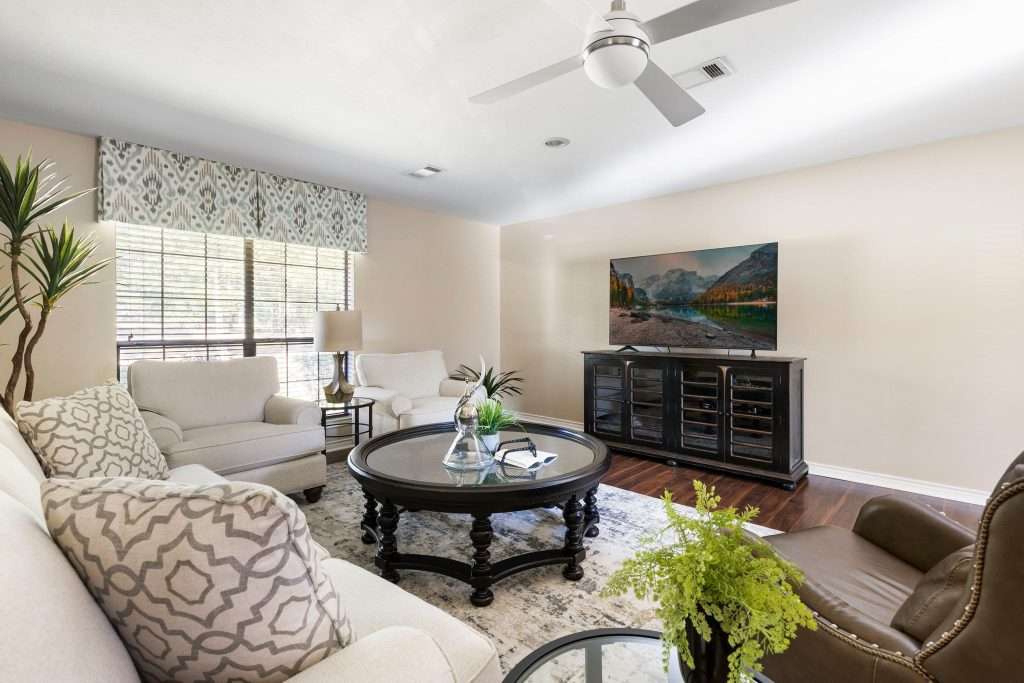
You don’t need a design degree to spot design fatigue, hun. Most of the time, your body figures it out first. The clues show up everywhere; in how you move, how you feel, and how much patience you have left by the end of the day.
Before you buy one more pillow or mood lamp, let’s hit pause and actually look at what your home’s telling you.
Here are some common signs your home may be draining you:
- You avoid certain rooms.
If there are spaces you only enter when you have to, pay attention. Avoidance is often a response to discomfort, not laziness. The space may feel tense, chaotic, or simply unwelcoming, even if you can’t quite explain why.
- You feel anxious before you walk through the door.
Your home should lower your shoulders, not raise them. If you feel a knot in your stomach before you step inside, your space may be overstimulating or unfinished in ways your brain never gets to ignore.
- You can’t fully relax, even in a beautiful space.
This one confuses a lot of people. The room looks good, but you keep shifting, pacing, or scrolling. That restless feeling usually means your environment is keeping your nervous system alert instead of letting it settle.
- You feel overwhelmed by small decisions.
If choosing where to put something or what to fix next feels exhausting, your home may be asking you to manage too many details at once. And when everything feels up for debate, the brain never gets a break.
You see, darling, design fatigue doesn’t always shout. More often than not, it whispers through habits and feelings you’ve learned to brush off. Once you can recognize those signs, though, it becomes much easier to understand what your space is asking for next.
If you see your own habits reflected in this list, it’s not you. It’s the space. Design on a Dime can help you pinpoint what’s draining your energy and make adjustments that let your home work with you, not against you.
Small Changes That Make Your Home Feel Restorative, Not Draining
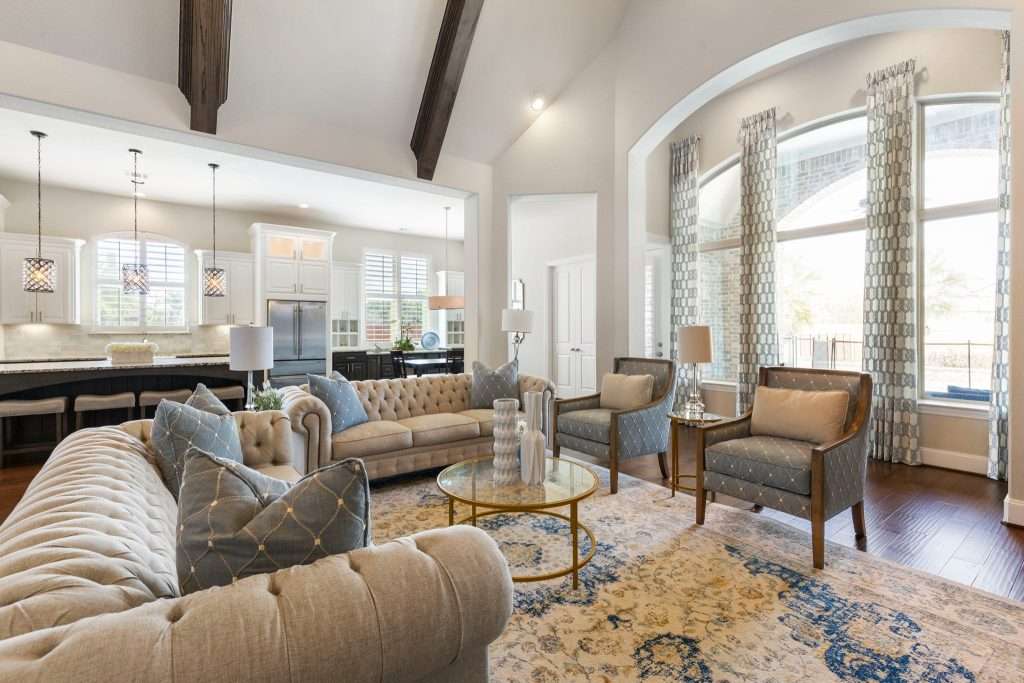
Okay, babe, this is where things get hopeful. You don’t need a full-blown renovation or a brand-new look to feel better at home. Most of the time, true relief comes from editing, simplifying, and being more intentional with what stays and how it functions.
Here are a few practical ways to help your space give energy back instead of taking it.
Edit and Curate What You See
Restorative homes leave room for your eyes to rest.
All I’m saying is, not every surface needs something on it.
Try removing a few items from the shelves, tables, and counters, and sitting with the space for a few days. Negative space isn’t necessarily empty or boring. Instead, think of it as breathing room:
When fewer things compete for attention, your brain relaxes without you having to think about it.
Shift Your Declutter Mindset
Decluttering isn’t about perfection, honey. It’s about reducing mental load.
Start with what you see every day, ‘cause the truth is, if something has no clear home, it just adds stress.
Simple storage that hides everyday items can make a huge difference here. Fewer visible decisions mean more mental energy left for actually living your life.
Add Sensory Comfort
Remember, sugar, comfort is multi-sensory.
I’m talkin’ soft textures, layered fabrics, and quieter rooms that actually help your body settle.
Rugs, curtains, and upholstered pieces can soften sound and movement. Even small changes, like adding a throw or swapping hard accessories for warmer ones, can change how a space feels and how it impacts your nervous system.
Personalize With Meaning, Not Trends
Your home should reflect you, not a scrolling habit.
Choose pieces that tell your story or make you smile, and let trends play a supporting role if they fit. When your space feels personal and familiar, it becomes grounding. And that’s the whole point.
You see, restorative homes aren’t about doing more. They’re about doing less, but on purpose. When your space supports your body and your mind, rest stops feeling like work.
You just breathe, move, and feel restored.
Even tiny tweaks can make a big difference here, hun. Design on a Dime knows how to edit, declutter, and personalize spaces so that every surface, color, and texture contributes to comfort and restored energy.
Frequently Asked Questions
Is design fatigue the same as decor fatigue?
No, not quite. Decor fatigue is usually boredom with how things look. Design fatigue goes a bit deeper and affects how your space makes you feel and function day to day.
Can a room really affect my mood that much?
Yes, it can. Your brain and nervous system respond to your environment all the time. Lighting, layouts, and sensory input can all influence your stress levels, focus, and emotional balance.
What is the first thing I should address if my home feels overwhelming?
If your home feels overwhelming, you should start with what you see the most. Reducing visual clutter in a high-traffic area often brings the most obvious and, not to mention, quickest sense of relief.
Do I need to redesign my whole home to fix design fatigue?
No, you don’t. Small, thoughtful changes often make a bigger impact than a full-blown overhaul, especially when they’re aimed toward reducing daily friction.
How long does it take to feel better after making changes?
It doesn’t take long. In fact, many people will notice a difference almost immediately. Deeper relief tends to build over a few weeks as new habits and rhythms settle in.
Ready for Your Home to Start Giving Energy Back?
So, here’s the deal, babe:
Your home is either a charging dock or a slow battery drain, and every object, color, and corner is casting a vote in that.
At the end of the day, your home should meet you with ease. When a space does the opposite, that’s not a personal failure. It’s simply a signal that something in the design is working against you.
The good news is that this is fixable.
And no, you don’t need more stuff or a louder style. You need clarity, comfort, and flow that fits your life.
Design on a Dime can guide you through that process with intention and care. Sometimes, a professional perspective is all it takes to make your home feel like a true place of rest again.