
Why Good Design Feels Effortless: Your Guide to a Home That Truly Works
Want to know why good design feels effortless?
Well, darlin’, it’s because it does the thinking for you.
Proportion keeps spaces calm instead of chaotic, so your sofa isn’t swallowing the room, and the counters aren’t drowning in clutter. Everything you need is exactly where your hand reaches. Nothing calls attention to itself, yet everything seems to work together.
Simply put, you glide, not grind, through your day.
If you’ve ever walked into a home and immediately felt at ease, there’s a reason for it, hun. Let’s talk about what’s really going on behind the scenes.
When Design Fades Into the Background, and Life Gets Easier
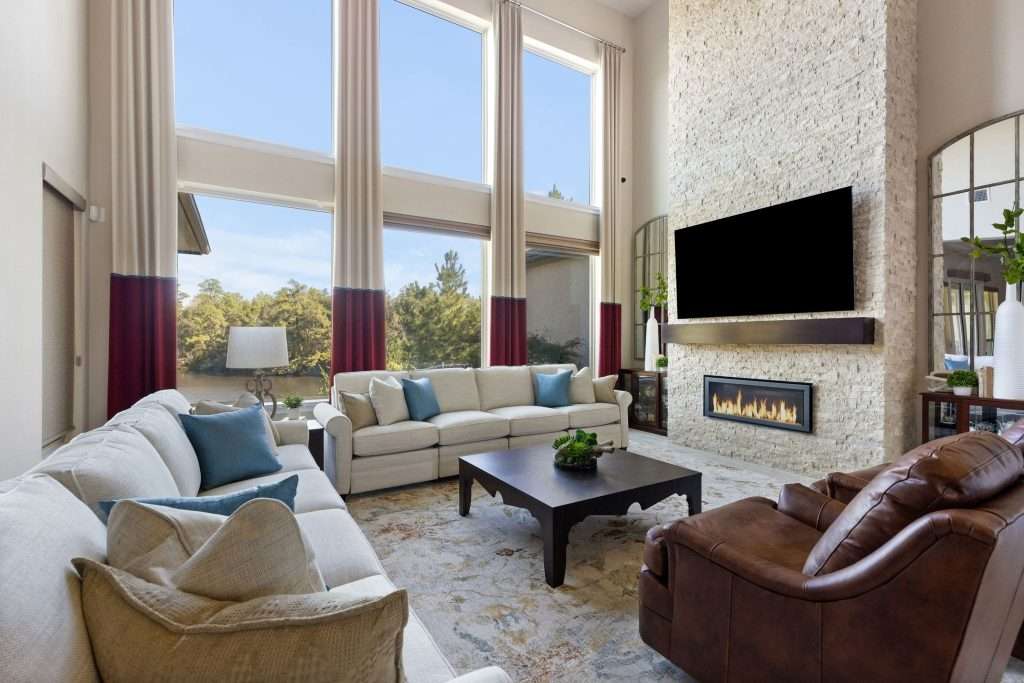
When design really works, it practically disappears, and your life just gets easier without you even noticing why.
You move through your morning routine without thinking twice. Coffee is right where your hand expects it. Your bag is easy to grab on the way out. Nothing snags your sleeve or slows you down. That kind of ease isn’t luck.
It’s thoughtful design doing its job.
And don’t worry, darlin’, effortless design doesn’t mean boring or stripped down. It means your home feels predictable in the best way.
Things are where they make sense. Spaces flow naturally from one to the next. Your body knows where to go before your brain has to catch up.
That’s where the real magic happens:
Your mind finally gets a break.
When rooms are laid out with intention, your brain stops working overtime. You aren’t constantly adjusting, navigating around obstacles, and mentally rearranging the space just to function in it.
Visual noise fades. Decision fatigue eases up. Daily tasks feel lighter.
Simply put, honey, good design creates a rhythm you can settle into.
Your home quietly runs things while you get to focus on living.
Proportion as The Math Behind Calm, Usable Spaces
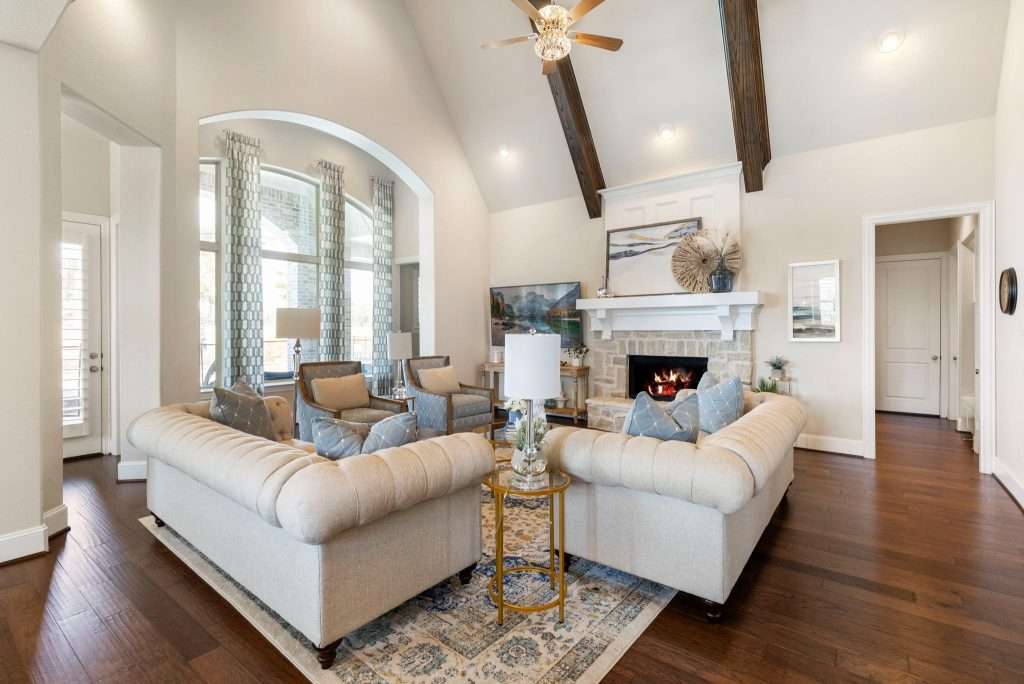
Proportion is the quiet math that keeps your space from feeling like a funhouse, and it is the secret reason some spaces instantly relax you while others… well, make your eyes twitch.
When the proportion is right, you can relax.
Furniture relates to the room instead of fighting it. Colors feel balanced instead of busy. Trim, lighting, and decor feel intentional, not random. Nothing is shouting for attention, and nothing feels forgotten.
Now, good proportion isn’t about rules for the sake of rules, honey. It’s about scale and balance.
A sofa that fits your living room instead of swallowing it. Artwork that feels anchored, not like it’s floating or squeezed in. Ceiling height, wall space, and furniture size are all working together; that space feels steady and grounded.
Here are a few tools you can rely on to create visual balance without overcomplicating things:
- Golden ratio
Used to guide overall room layouts and major furniture groupings, so that nothing feels cramped or oversized.
- 60–30–10 color balance
Helps colors feel layered and cohesive rather than scattered or overwhelming.
- Two-thirds sizing rule
Keeps your furniture and decor scaled appropriately to the wall or space they sit within.
When proportions are handled well, a room feels settled. You don’t walk in and think about what’s wrong. You just feel at ease; your eyes know where to land, and your body senses that the space makes sense.
And that’s exactly what effortless design is supposed to do.
Design on a Dime leans on proportion ‘cause it sets the tone for everything else. When scale and spacing are handled well, a room doesn’t need constant tweaking. It already feels complete.
Intuitive Placement for a Home That Anticipates Your Next Move
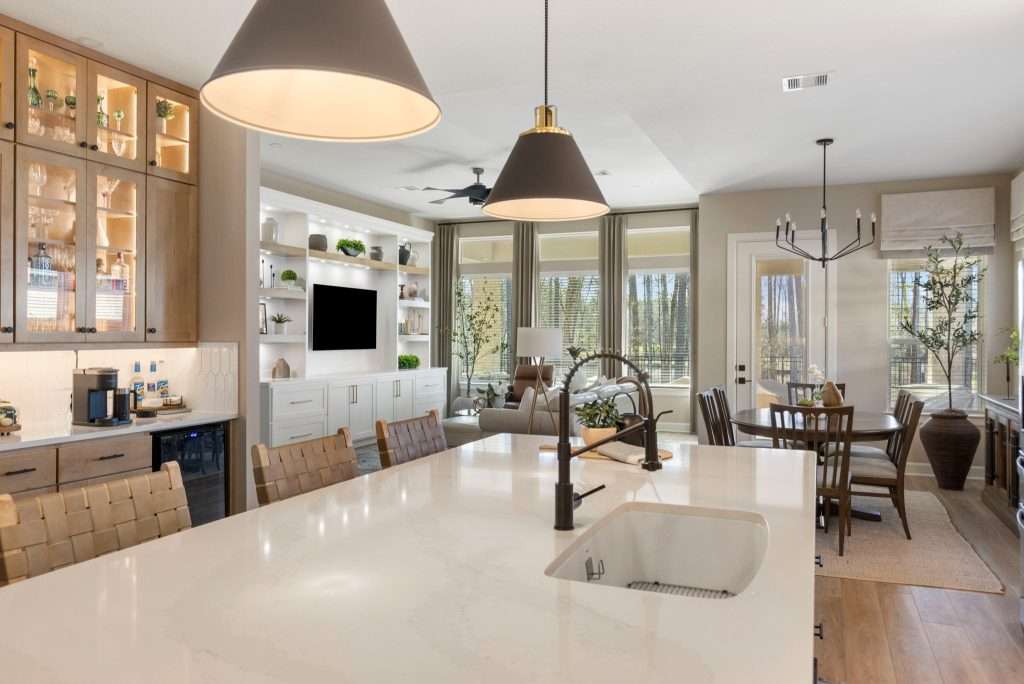
Two words can change how your whole home feels:
Intuitive placement.
Design your home so that every reach feels natural and every room instantly just makes sense. That’s the goal, sugar.
When a space is designed around how you naturally move, everything feels easier. Your hand reaches without thinking. Your body flows through the room without hesitation. You do what you came to do without stopping to adjust, search, or work around the space.
That ease is anything but accidental.
It comes from paying close attention to actual habits, like where you stand when you make coffee, where you drop your bag when you walk in the door, and how you curl up when you read or unwind at the end of a long day.
That’s the thing, honey:
Homes feel intuitive when design follows people, not the other way around.
When placement is thoughtful, your brain doesn’t have to stay on alert. You’re not scanning the space and mentally rerouting yourself. You move through your home with a sense of confidence that things are where they should be.
In real-life terms, this means coffee mugs near the coffee maker, not across the kitchen. It means the trash is where you stand while prepping, not tucked into a far corner. It means the reading lamp lives where you settle in, not where it happened to fit during construction.
When rooms are shaped around real movements and real routines, your space feels natural from day one. No learning curve required.
You’re not thinking about the design. You’re just living in it.
Simple, smart, zero drama. Design on a Dime makes those placements work hard.
Invisible Planning and Removing Daily Friction
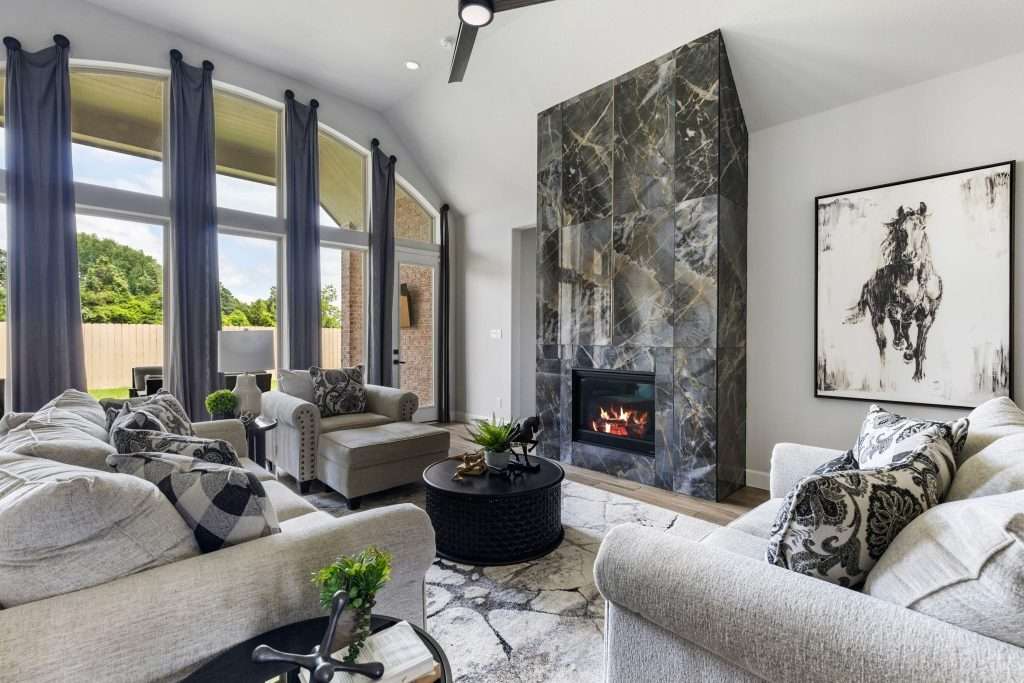
Invisible planning is what makes your home feel calm, capable, and quietly smart. It’s the reason you walk through a space and think, “Of course this works,” without stopping to figure out why.
You feel it when a space responds naturally to your day. Hallways stay clear instead of becoming obstacle courses. Doorways open the way you expect them to. Rooms transition smoothly, without interrupting your momentum.
This kind of planning happens long before furniture is placed or finishes are selected, though. It starts with understanding how people move, pause, turn, and gather.
When those patterns are respected, your home stops asking for constant adjustments.
You see, honey, daily friction shows up in small ways:
Tight walkways that force awkward sidesteps. Doors that run into each other instead of cooperating. Light switches that never seem to be where your hand reaches first.
None of these things feel dramatic on their own, but together?
They wear you down, baby.
Thoughtful design quietly removes those stress points. Circulation paths are wide enough to breathe. Door swings are coordinated instead of competing. Storage is planned so that everyday things are easy to grab.
You get the idea.
Of course, lighting plays a role here, too. Not as a feature, though, but as support. Rooms feel comfortable because light shows up where tasks happen, and softens where rest is meant to happen. You’re not left to search for switches or work around shadows.
The space simply keeps up with you. That’s the whole point, sugar.
When friction is designed out of a home, life inside it feels lighter. You move through your day with fewer interruptions, fewer irritations, and far less mental clutter. That ease is what makes the space feel finished, even when nothing about it is loud.
For Design on a Dime, the goal isn’t to impress you with clever solutions. It’s to remove the need for those “solutions” altogether by focusing on how your home will function day after day.
The Long-Term Ripple Effects of Effortless Design

Once a space is designed to quietly work for you instead of against you, the ripple effects begin piling up like reward points on a favorite credit card.
Maintenance becomes simpler. Spaces stay orderly without constant effort. You spend less time adjusting, fixing, and working around design decisions that never quite worked in the first place. Suddenly, your body isn’t begging for the couch by 3 p.m.
Those little moments of frustration start to disappear. You stop asking, “Why doesn’t this work?” because it does.
The layout still makes sense. Storage still fits your habits. Rooms still feel comfortable instead of cramped or awkward. Your house grows familiar in the best way, not worn out.
Plus, effortless design helps your home age gracefully.
Thoughtful layouts adapt as your needs change, whether that means busier households, quieter seasons, or shifts in how rooms are used.
Instead of fighting the space, you adjust within it, and it adjusts right back.
There’s an emotional payoff, too. Living in a home that works well reduces daily stress you might not even realize you’ve been carrying. Energy goes toward living, not managing your surroundings. The space feels dependable, steady, and easy to be in.
That’s the real return on effortless design:
It’s not about trends and quick wins. It’s about creating a home that continues to support you long after the excitement of a renovation fades.
Ready to feel those dividends? Design on a Dime is here to help you plan your next project.
How Design on a Dime Applies Design Know-How to Your Home

Effortless design starts with understanding how people actually live. That’s why Design on a Dime Interiors approaches each project with something I like to call design intelligence.
Thoughtful planning that respects real budgets, real routines, and the way your home should function long after the work is done.
Every project begins with listening. Photos, measurements, and daily habits are all studied together, so that decisions are made with purpose instead of guesswork. This early clarity helps us shape a clear plan that supports flow, comfort, and long-term usability from the start.
In simple terms, that’s how we make sure that every square foot earns its keep.
Design intelligence shows up in the details that never feel flashy, too. Rooms are scaled to fit your home, not overwhelm it. Spaces are planned to adapt as your needs change. Transitions between rooms are all smoothed out, so the house feels cohesive instead of pieced together over time.
Clear documentation plays an important role here. Precise drawings and coordinated plans help everyone work from the same vision, which eliminates mid-project changes and keeps the process more predictable and, dare I say, even enjoyable for you.
When expectations are clear, the finished space feels intentional instead of reactive.
Lighting, layout, and material choices are selected to support comfort and ease without calling attention to themselves. The result?
A home that feels balanced, practical, and easy to live in day after day.
The Jennifer Heights Project is a perfect example of that.
You’ll get comfort, flow, and style that continues to make sense long after the excitement of the project has passed. That’s backed by Design on a Dime’s comprehensive full-service model, including everything from design to installation.
Frequently Asked Questions
Is effortless design the same thing as minimalism?
No, it’s not. Effortless design focuses on how the space works, not how little is in it. That is to say, a home can feel effortless and still be layered, warm, and personal.
Will effortless design still hold up as my lifestyle changes?
Yes, it will. In fact, that’s one of its biggest strengths of effortless design. Homes designed with adaptability in mind tend to adjust more easily as your routines, household size, and needs evolve.
Is effortless design more about aesthetics or function?
It’s actually about how those two work together. Your space can only feel effortless when it looks good and functions well at the same time.
How do you balance kids’ clutter with a calm, low-friction home design?
You’ll balance kids’ clutter by creating kid-friendly zones, limiting toys in rotation, and teaching them about the importance of tidying from an early age. Low-friction home design is all about having a good system in place.
Can good design still feel effortless in small apartments or studio spaces?
Yes, it can. When you use multifunctional furniture, define zones, and choose cohesive palettes that make rooms feel larger, your studio apartment supports you, not fights you.
Where Ease Becomes the Point
When the home truly works, it stays out of your way. It supports your routines, adapts as life changes, and gives you room to breathe without asking for constant attention.
That kind of ease isn’t flashy, honey, but it’s deeply felt, especially over time.
It’s less about perfection and more about trust.
Trust that your space will keep up with you. Trust that it won’t create extra work or quiet frustrations. Trust that it will continue to feel right long after the decisions are made.
If you’re ready for a home that feels settled, intuitive, and thoughtfully planned, Design on a Dime Interiors helps turn that feeling into something tangible.
Just get in touch with our team, and we’ll handle the rest.