
What Custom Flooring Changes About a Home (Beyond Looks)
Have you ever really thought about what custom flooring changes about a home beyond looks?
I’m asking because that’s something most folks don’t think about until they’re already living with the wrong floors. And by then, that regret shows up every single day.
Flooring isn’t just what you see when you walk in. It’s what your feet feel first thing in the morning. It’s how sound travels through the home. It’s how comfortable (or chaotic) a room feels when real life is happening.
When flooring is chosen with care, not just picked off a sample rack, it improves how your home works for you. Stick with me, ‘cause once you see what’s really changing under your feet, you’ll never look at those floors the same way again.
How Custom Flooring Changes How Your Home Feels Day to Day
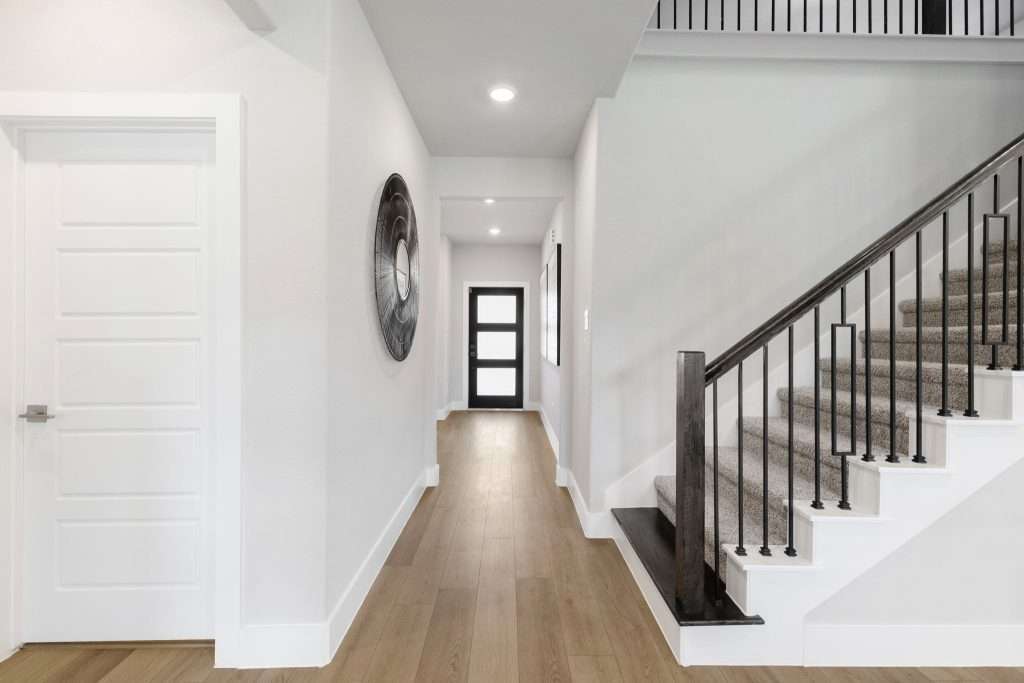
Custom flooring doesn’t just sit there looking pretty, hun. It changes how your home feels from the moment your feet hit the floor in the morning to that last walk to the kitchen at night.
And when it’s picked out with intention? Oh, honey, it supports your body, your routines, and your peace of mind in ways most people never realize until it’s missing.
That’s where custom choices quietly outperform builder basics.
Underfoot Comfort and Temperature Balance
The way a floor feels underfoot matters more than folks expect.
I mean, sure, hard surfaces can look stunning in photos, but if they start feelin’ cold, slick, or “unforgiving,” that discomfort adds up fast. You might not even realize it, but softer or properly layered flooring offers just enough give to reduce strain on your feet, knees, and back throughout the day.
Temperature plays a role, too.
Floors that hold warmth in winter and stay comfortable year-round make a home feel more inviting without you constantly reaching for the thermostat. And I know my Texas folks will appreciate that.
When your flooring works with your environment instead of against it, your whole house feels easier to live in.
Flooring That Supports Real Life at Home
Every household has its own rhythm.
Kids running through the halls, pets sliding around corners, guests gathering in the kitchen, or loved ones needing a little extra stability as they move through the space.
You know your home’s rhythm and routines better than anyone, darling. So, use that to your advantage when it’s time to choose new flooring.
You need something that allows those realities to be planned for, not worked around later. Slip resistance, softness, and safe transitions all contribute to a home that feels safer and more comfortable, without ever shouting for attention.
The goal isn’t perfection. It’s a floor that shows up for your daily life and lets you move through your home with confidence and ease.
At Design on a Dime, we help homeowners choose flooring that supports real life, not just one showroom moment. When comfort, safety, and daily use are all considered from the start, the difference shows up in how your home feels every single day.
How Flooring Creates Flow in Open-Plan Homes
Let me tell you something, honey:
Open-plan homes live or die by flow.
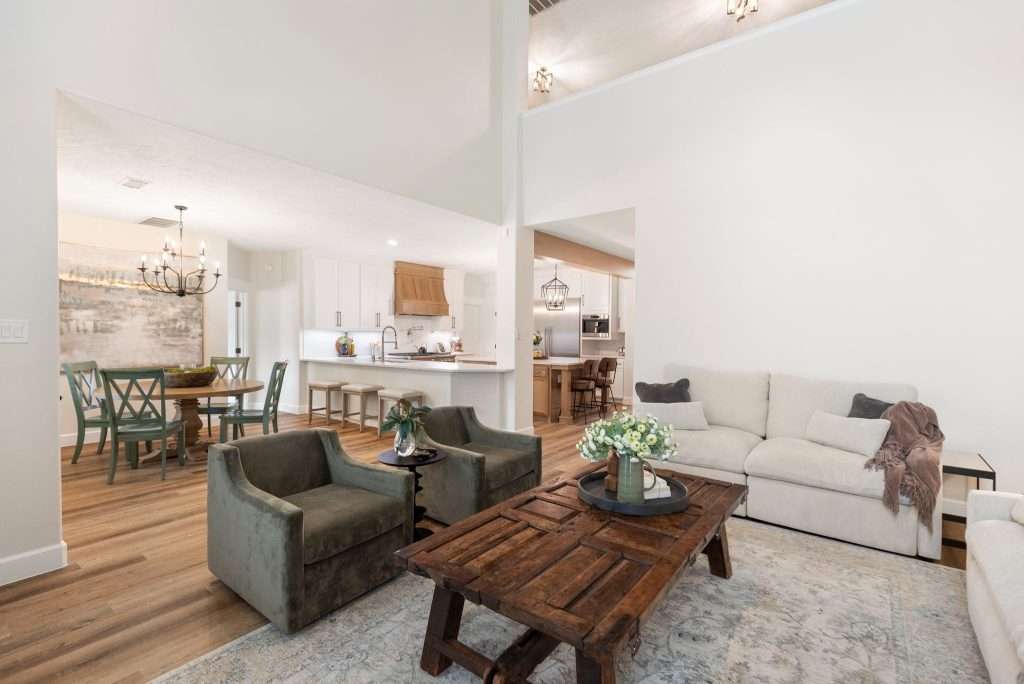
When you’ve got an open-plan layout, your flooring is the secret sauce that makes everything feel like one intentional, gorgeous space instead of a random mash-up of rooms.
When the floor works, the whole home feels calmer. But when it doesn’t?
Well, let’s just say that even the prettiest spaces can feel busy, broken up, or oddly “unfinished.”
Seamless Transitions That Calm the Space
Fewer flooring breaks create fewer visual interruptions. Think about it:
When your kitchen, dining, and living areas share a continuous surface, your eye moves from one area to the next without a single hiccup. That uninterrupted sightline makes your spaces feel larger, lighter, and more unified.
I’m talkin’ one elegant story, not three noisy chapters.
Of course, you need to plan these transition points ahead of installation. Matching tones, textures, and plank direction keeps everything reading as one cohesive environment instead of separate zones stitched together later.
It’s one of those details folks feel immediately, even if they can’t quite name why your space feels so good.
Design on a Dime can help you create an open space that feels connected instead of chaotic. Our flooring designs are planned with layout and movement in mind.
Defining Zones Without Closing Things Off
There was a time when walls used to do all the bossy “This is the living room, that’s the dining room” talk; consistent flooring can handle that job now, too.
And it does it with a lot more style, might I add.
The thing is, open floor plans still need structure. Floors can help define how each area is used without putting walls back up. A continuous floor creates the backdrop, while furniture placement, rugs, and subtle layout shifts do the actual zoning work.
The kitchen stays practical. The dining area feels grounded. The living space invites people to settle in. All of it happens within the same open plan, which keeps things airy instead of chopped into pieces.
That’s the thing about custom flooring, hun:
Builder-grade layouts often stop at the walls. Custom flooring plans for how people actually move through and use the space.
How Custom Flooring Reduces Noise and Improves Acoustics
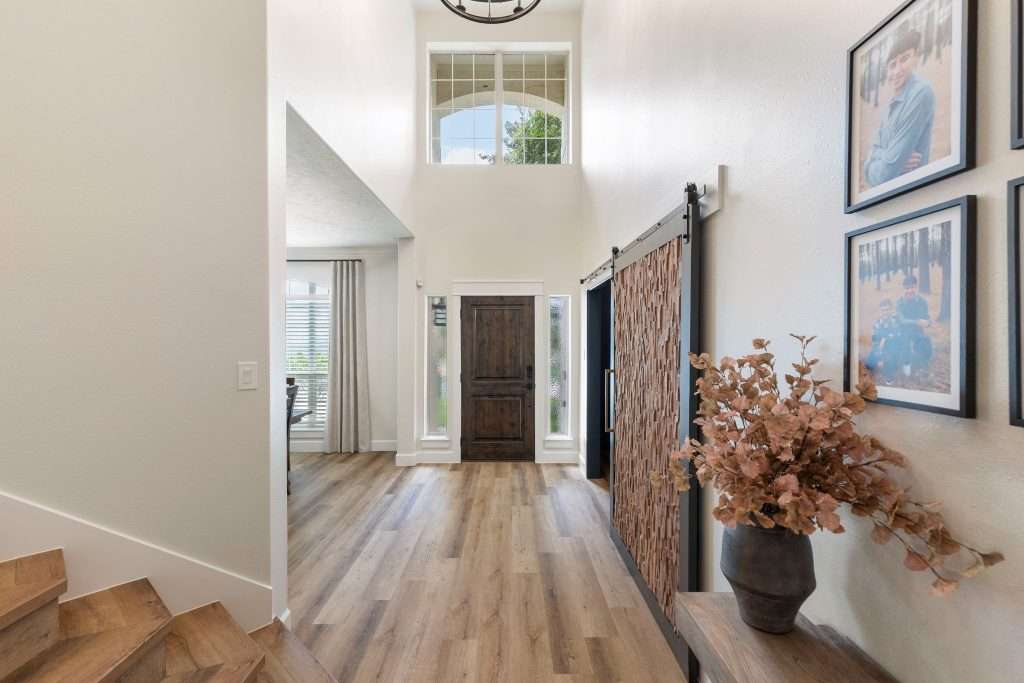
Footsteps echoing down the hall. Chairs scraping. That hollow sound that makes a room feel louder than it should be. Noise has a way of sneaking up on you, doesn’t it, sugar?
So, let’s talk about something I know your ears are absolutely beggin’ for:
Quieter floors.
When you choose custom flooring with sound-absorbing materials, you don’t just change how the home looks. You change how it feels and sounds, cutting down on those clacks, thuds, and echoes. And we both know how life-changing that can be in open layouts and multi-level homes.
Flooring Materials That Naturally Absorb Sound
Some flooring materials soften sound instead of bouncing it around the room. That difference is noticeable the moment you walk through the space.
Cork, for example, absorbs vibration before it travels. Engineered wood paired with the right underlayment helps dull echo and reduces the sharpness of footsteps. Luxury vinyl with acoustic backing can quiet down everyday movements compared to basic hard surfaces.
The key isn’t just the surface you see, but what sits underneath it.
Proper underlayment brings another layer of sound control, adding cushioning and further reducing noise transfer.
Managing Footsteps, Echo, and Vertical Noise
Impact noise is often the biggest culprit in busy houses. Footsteps, stairs, rolling chairs, and open ceilings all amplify sound if your flooring system isn’t designed to handle it.
Custom flooring wins again by making it possible to address those problem areas.
Acoustic underlayments help soften footfall, while thoughtful material choices reduce the hollow echo that makes rooms feel loud and unsettled. In multi-story houses, the right floors can dramatically cut down the noise traveling from one level to the next.
The result isn’t silence. It’s balance.
Rooms sound more controlled, conversations feel easier, and the home settles into a quieter rhythm that supports everyday life without calling attention to itself.
Noise control is sometimes overlooked, but it’s something Design on a Dime’s team plans for early on. By considering materials, underlayments, and layouts together, we design flooring solutions that help homes sound calmer and more balanced.
Durability and Maintenance Matter More Than Style Trends
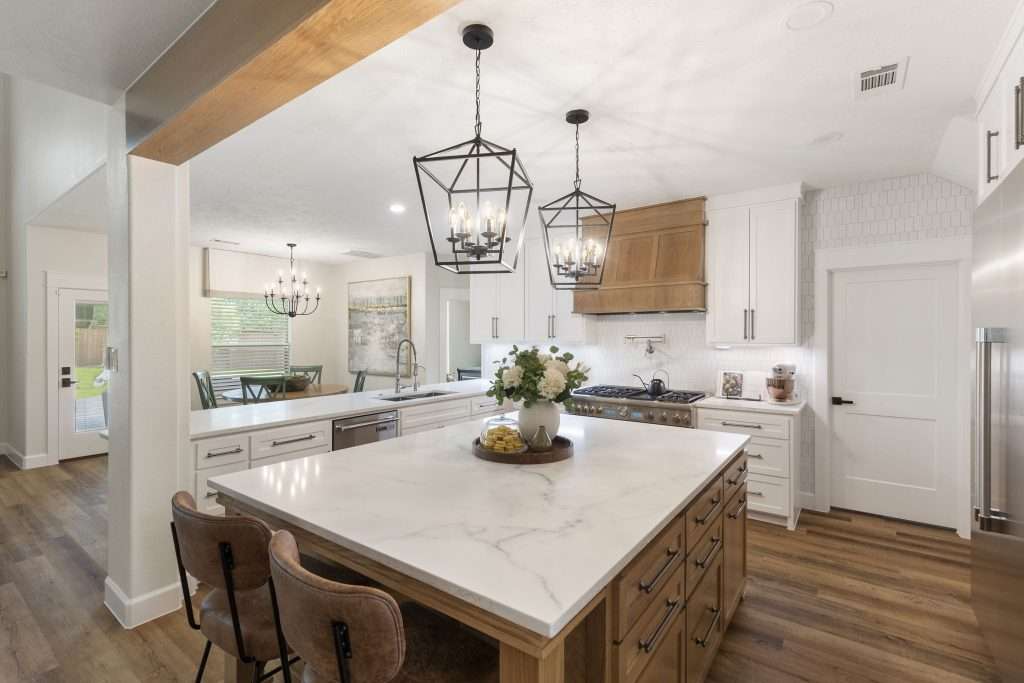
Trends come and go, darling, but those floors are dealing with real life every single day. I’m talking muddy shoes, spilled drinks, pet claws, and busy hallways. They don’t care what’s popular this year.
That’s why durability and maintenance deserve just as much attention as color and finish.
When your flooring is chosen well, it holds up quietly and keeps looking good without demanding constant attention.
Hardwood, LVP, and Tile in Everyday Conditions
Each flooring material handles daily wear a little differently, and, trust me, knowing that difference can help prevent frustration down the road. You see, even though flooring can look like pure fashion, it secretly lives in the domain of function, scratches, and spilled juice boxes.
And when you pick materials, you are really choosing how often you want to clean, repair, and replace that floor.
Hardwood brings warmth and longevity. Plus, it sticks around. With good care, it lasts 30 to 100 years and can be refinished every 7 to 10 years, which means scuffs don’t automatically signal replacement. On that note, Texas-style humidity often calls for engineered hardwood. It usually allows fewer sandings, but you’ll get that classic look.
Luxury vinyl plank shines in busy households. It handles spills, your pets, and all that cleaning, making it a practical choice for kitchens, hallways, and family spaces. Tile is the toughest of the group; it can stand up to moisture and heavy use, though grout maintenance is part of the deal.
The right choice depends on how each room is actually used, not just how it’s styled. The materials we’ve picked out for the Tory Ann Project are proof of that.
Design on a Dime focuses on flooring choices that hold up to everyday wear without demanding constant upkeep. Our goal is to create something that stays beautiful through busy seasons of life, not just the first few months.
How Custom Flooring Affects Long-Term Value and Resale
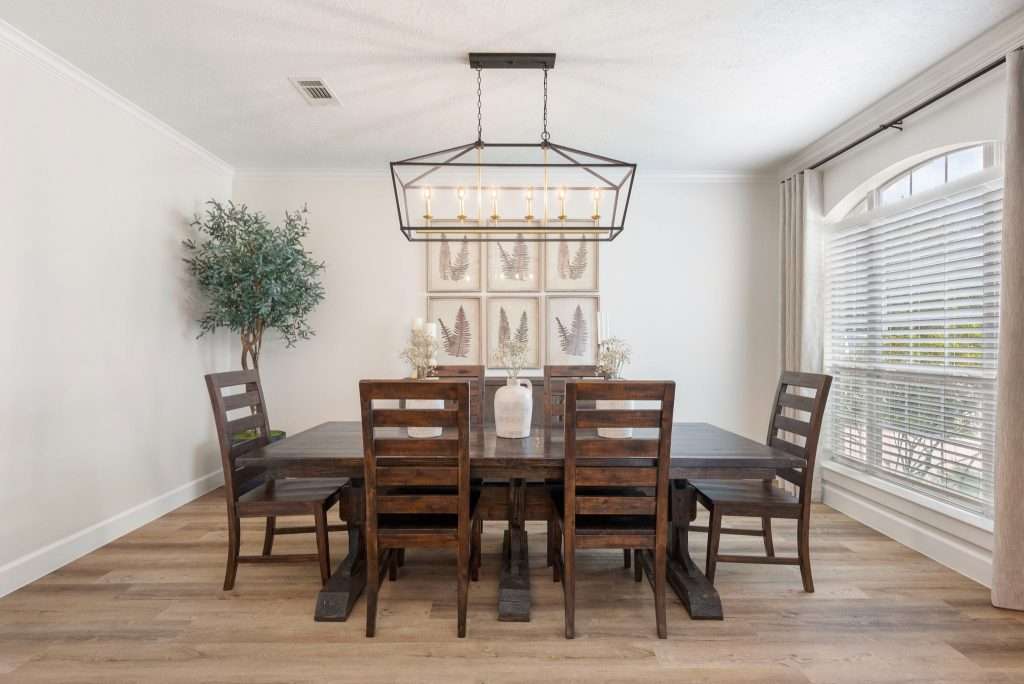
Flooring plays a quiet but powerful role in how a home is judged, especially by buyers who might not know much about design but know what feels right. It does more than just look pretty; it changes how your home feels to live in, and, honey, trust me, that matters when it’s time to sell.
How Buyers Read Flooring at a Glance
The truth is, buyers notice floors before they ever notice your fixtures and finishes. They’re lookin’ for flow, continuity, and signs that the house has been cared for. And when the flooring changes from room to room without a clear reason?
Well, as you can imagine, it raises questions about maintenance and updates. And that’s the last thing you want, hun.
Value isn’t just about the price tag. It’s about confidence.
Consistent, well-installed flooring signals intention.
Buyers notice it. Guests feel it. Homeowners live it every single day.
It tells buyers that this home has been improved rather than pieced together over time. Plus, it sets certain expectations, ‘cause buyers can tell when a floor will hold up and when it will become a project later.
That sense of ease often translates into stronger offers.
When Custom Flooring Is Worth the Investment
Custom flooring pays off, as long as it aligns with how the home is used and how buyers shop in a specific market. Do it right, and new flooring can bump your home’s value by up to 5%.
That said, there are times when over-customizing doesn’t make sense.
Highly specific finishes or trendy materials could actually limit your home’s appeal if they require additional upkeep or feel dated quickly. You want the kind of design that balances personality with longevity.
At Design on a Dime, the focus is on making flooring choices that’ll work today and still make sense years from now. That balance is what protects your investment and helps your house stand out in the market for all the right reasons.
Our Step‑By‑Step Process for Conroe Flooring Remodels
Before a single plank hits the floor, know that we treat your flooring remodel like a well‑planned makeover, not a messy surprise.
After all, a flooring remodel should feel planned and steady, not rushed or confusing. At Design on a Dime, we guide folks through a clear process so there are no surprises or guesswork along the way.
And most importantly, everything starts with listening.
Here’s your plan:
- Getting to Know Your Home and Your Needs
We begin with an in-home consultation to understand how you live, how your space functions, and what your goals really are. Then, we take precise measurements and talk about options that make sense for your layout, lifestyle, and timeline.
- Preparing the Space the Right Way
Before new flooring goes down, the old materials are carefully removed. Subfloors are inspected, repaired if needed, and leveled to create a solid base. This step is key for long-term performance; we don’t want to rush it.
- Planning Layouts and Allowing Materials to Settle
Materials are then given time to acclimate to the environment. During this phase, the layouts are mapped out with attention to flow, transitions, and potential expansion needs, so that everything fits and functions properly. Planning here prevents problems later.
- Installation and Final Walkthrough
Installation is handled with care and precision, room by room. Once complete, we walk the space with you to review details, answer questions, and make sure everything feels right.
Our expert designers are ready to make your dream home a reality. Let’s talk!
Frequently Asked Questions
How long does a typical custom flooring project take from start to finish?
Most flooring projects take a few days to a couple of weeks, depending on the size of your home, material availability, and prep work needed. Don’t worry, though; clear planning up front can help keep the timeline predictable.
Do I need to move out of my home during a flooring remodel?
In most cases, no, you don’t need to move out. Many flooring projects can be phased room by room. That way, you can stay comfortable at home throughout the process.
Can new flooring be matched to existing floors in other parts of the home?
Yes, new flooring can typically be matched to the existing floors in your home. A design professional can help find complementary materials or create transitions that feel cohesive without forcing an exact match.
Is custom flooring a good idea if I plan to sell in a few years?
It can be a good idea, especially when your choices focus on durability, continuity, and broader appeal. In fact, thoughtful flooring updates can give your home an edge in the real estate market and, in some cases, even boost the resale value.
How do I know which rooms benefit most from custom flooring?
High-traffic and shared spaces usually see the biggest impact from custom flooring. A professional design assessment can help you prioritize rooms where custom solutions will make the most difference.
Ready for Flooring That Makes Your Life Easier?
By the time flooring is finished, most homeowners say the same thing:
The house just feels better.
Not louder. Not fussier. Just easier to live in.
And that, honey, is the quiet power of choosing flooring with purpose instead of pressure.
When you choose custom flooring, you’re not just changing a surface, you’re rewriting how you live, move, and relax every single day. If you’re thinking about updating the floors in your home, it might help to have a team that looks at the whole picture, not just samples on a board.
Design on a Dime offers custom flooring solutions that balance function, longevity, and style so your home works beautifully now and well into the future.
Reach out to our team when you’re ready to start the transformation!